
call us
+86-18811954888
2026-08-13
A curved black lamp post standing beside a reading chair is no longer just a concept photo. In lofts, atriums, and commercial interiors, an indoor street light lamp creates a focal point that ordinary floor lamps cannot match. The demand is real: in online home-improvement discussions, people routinely ask for a hardwired, non-solar street lamp to put inside a house, only to discover that most standard products are built for the outdoors. That distinction matters, because an indoor street light lamp should be treated not as a novelty but as a permanent lighting fixture. It needs the same structural stability, correct wiring, light control, and maintenance plan as any architectural light.
People choose this style because a street lamp silhouette brings a sense of scale and nostalgia. A 3 m pole with a gently curved arm and a glass shade reads as both furniture and lighting. But the same qualities that make it charming outdoors can create problems indoors if the lamp is too tall, too bright, or installed without an electrical plan. The practical conclusion is simple: buy with the same rigour you would apply to a chandelier or a recessed system, not like a piece of decor.
Four questions will determine whether an indoor street light lamp looks intentional or awkward.
The most common mistake is choosing a pole that was designed for a 6 m sidewalk. Measure the ceiling height first, then subtract the length of the lamp head and the clearance you need below it. For a standard residential room with a 2.7 m ceiling, a pole of about 2.2 m works; for a double-height entrance or loft, a 3 to 4 m pole is appropriate. If the lamp head is large, use a shorter pole. The visual goal is to have the centre of the light source at eye level when seated, usually 1.8 to 2.2 m above the floor, or slightly higher if the lamp is mainly ambient.
Most people looking for an indoor street light lamp specifically want a hardwired fixture, not a solar-powered one. That is a reasonable choice because the lamp will be used regularly and needs a stable power source. Plan the wiring as part of the room layout: a dedicated circuit, a wall switch at the room entrance, and a junction box hidden in the base. If you buy a pole with a cable channel, the wire can run from the lamp head down to the base plate without visible clips. Local electrical codes will require earthed metal parts and a correctly rated switch. This is not a DIY project unless you have experience with fixed wiring.
Do not assume that indoor use means you can accept a decorative lamp with a plastic body. A street-lamp-style fixture will be touched, bumped, and cleaned, so the body should be steel or aluminium with a powder-coated finish that resists scratches. Galvanised steel is a good interior option because it is heavy and stable without requiring paint. Aluminium is lighter and easier to install on walls or columns. The finish should be smooth enough to wipe clean; textured coatings can trap dust in homes with open-plan kitchens.
An actual street light head can be glaring if it uses a high-wattage LED array without a diffuser. For indoor use, choose a fixture with a frosted glass or polycarbonate lens, and specify a correlated colour temperature between 2700 K and 3000 K. If the room is large or industrial, 4000 K may work, but avoid the 5000 K bluish light that makes a living room feel like a parking lot. Dimmable drivers are a major advantage because you can use the lamp as a floor-level ambient source in the evening and raise the output when the space is used for other purposes.
Once you know the dimensions and electrical requirements, the next task is choosing components. Unlike a conventional floor lamp, an indoor street light lamp is often assembled from three separate parts: the pole, the lamp head, and the mounting base. Choosing compatible parts from the start is easier than adapting random pieces later.
| Room Type | Ceiling Height | Suggested Pole Height | Lamp Power / Type |
|---|---|---|---|
| Residential entrance or hallway | 2.7 to 3.0 m | 2.2 to 2.5 m | LED 15 to 30 W, diffused lens |
| Loft living room or open-plan space | 3.2 to 4.0 m | 2.8 to 3.5 m | LED 30 to 60 W, dimmable, 2700 to 3000 K |
| Café or boutique interior | 3.5 to 5.0 m | 3.0 to 4.0 m | LED 40 to 80 W with decorative shade |
| Stairwell or double-height atrium | 5.0 m and up | 4.0 to 5.5 m | LED 80 to 120 W, wall or ceiling mounted |
For a classic curved-arm silhouette, 3 to 6 m decorative retro garden light poles are a sensible starting point, especially when the space has enough ceiling height to carry a 3 m pole. If your interior uses clean lines, a customized round, hexagon, octagonal or square steel street light pole can be manufactured to the exact height you need, with cable outlets positioned near the switch. On the lighting side, a DDKLD121 series LED street light provides the familiar street-lamp look without forcing you to accept a harsh roadway beam.
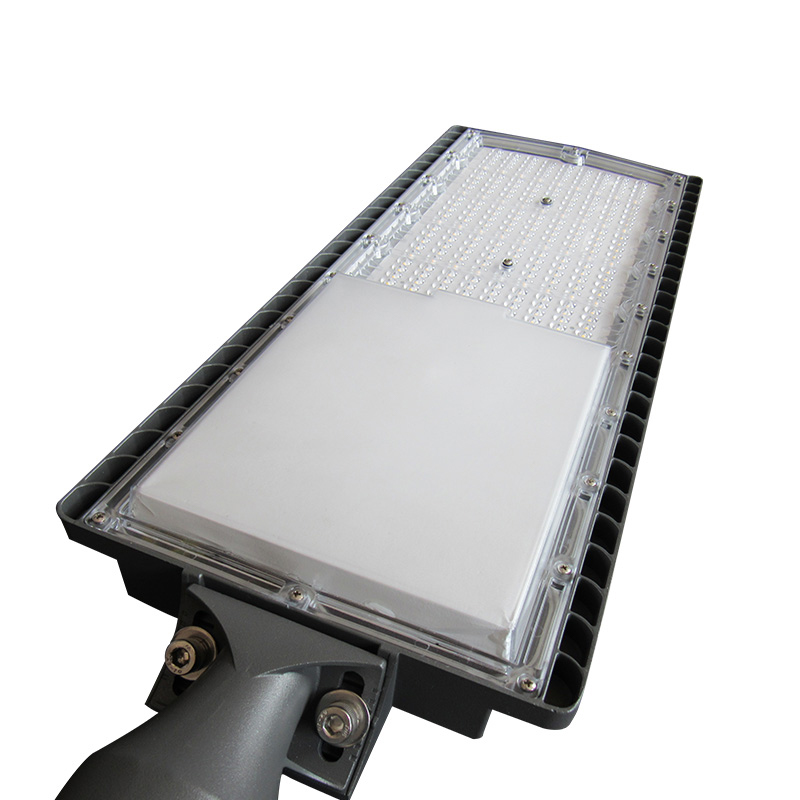 Wholesale DDK-LD121 40-200W LED Street Light High Efficiency Outdoor Lamps SupplDDK Tech Elecfacility Yangzhou Co., Ltd. is China wholesale DDK-LD121 40-200W LED Street Light High Efficiency Outdoor Lamps suppliers an...View Product →
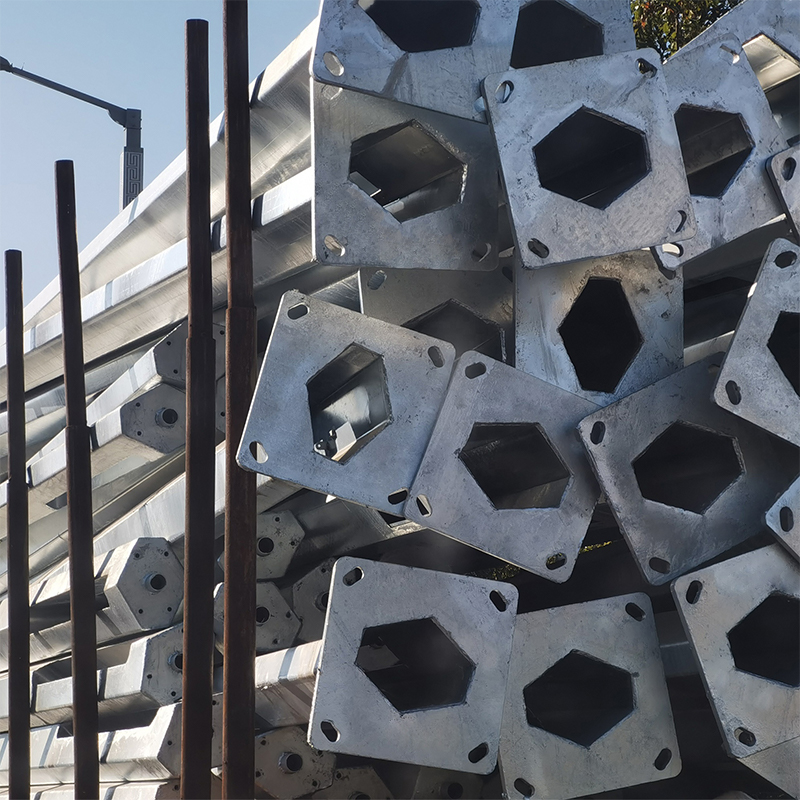 Wholesale Customized Round Hexagon Octagonal Square Steel Street Light Poles forDDK Tech Elecfacility Yangzhou Co., Ltd. is China wholesale Customized Round Hexagon Octagonal Square Steel Street Light Poles for Outdoo...View Product →
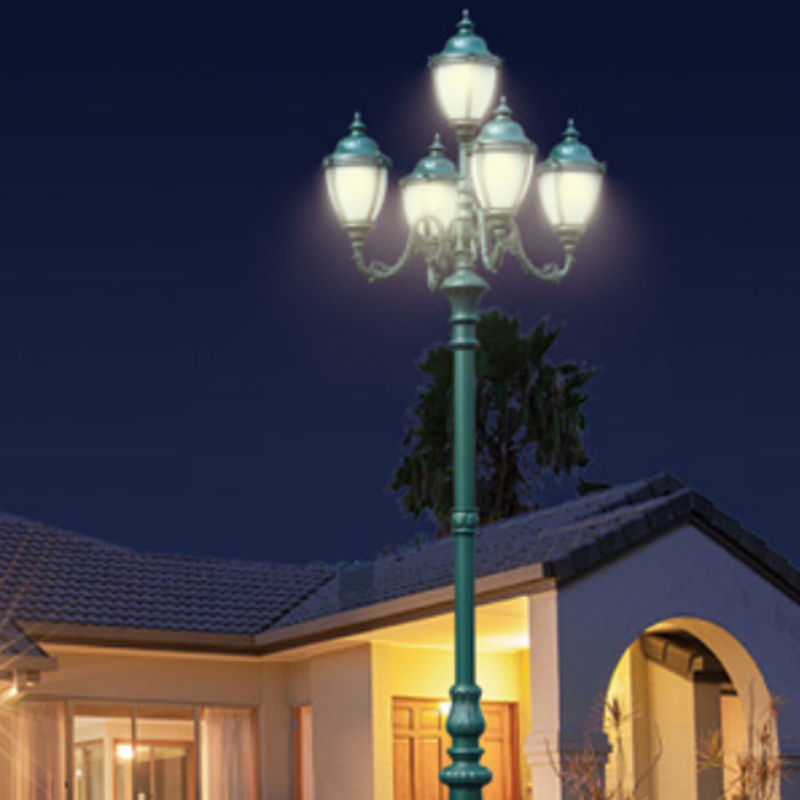 Wholesale DDK-ZH-0401 3 to 6M Hight Decorative Retro Garden Light Poles SupplierDDK Tech Elecfacility Yangzhou Co., Ltd. is China wholesale DDK-ZH-0401 3 to 6M Hight Decorative Retro Garden Light Poles suppliers and f...View Product →
The planning stages matter more than the decorative finish. An indoor street light lamp is a large, heavy, earthed electrical appliance. If the base plate is only screwed to a wooden floor, it can tip when someone leans against the pole. The base should be bolted to a concrete slab or a metal subfloor with appropriate anchors, and the pole should have a removable cover for access to the wiring. The same safety requirements for street light poles that govern outdoor installations also apply inside: grounding, structural rigidity, and corrosion resistance of the fasteners.
Another overlooked point is the weight of the pole. A 3 m steel pole with a cast base can weigh 30 kg or more, so the load must be distributed over the floor structure. On upper floors, you may need to reinforce the joists. Have your structural engineer or installer review this before drilling holes. Most indoor failures come from ignoring the environment around the lamp. Kitchens release steam, cleaning products leave films, and HVAC cycles move dust across lenses. LED street light fixtures are designed for temperature swings, but indoor placement in a sealed ceiling pocket can trap heat, reducing the lifetime of the driver. Maintenance is simpler than you think: wipe the lens every few weeks, check the anchor bolts once a year, and keep the driver area ventilated.
Standard products can solve the common cases, but the best indoor street light lamps are often customised. A factory with in-house engineering can shorten a pole, change the arm angle, add a cable channel, shift the mounting plate, or match a specific finish from the RAL palette. If you have a floor plan or a rough drawing, a manufacturer with engineering and manufacturing strength can review it and suggest a safe and buildable version, avoiding the expensive mistakes of buying a generic fixture and hiring someone to cut and rewire it.
At DDK, this is a routine process. You can browse the product range to see the building blocks: poles, street light heads, decorative lamp heads, and the metalwork needed for a clean installation. Export experience also means the factory is comfortable producing for different voltages and standard requirements, so the same product can be made for a 120 V or 230 V circuit. If you send a picture of the room and the ceiling height, a manufacturer can recommend the pole length, wattage, beam angle, and mounting arrangement. From there, the project moves to sample and then to production, with the technical documents you need for permit approval.
Customisation also avoids the mismatch between a new LED module and an old pole. A standard pole made for sodium fixtures may have a different mounting bolt pattern; a custom kit solves this by supplying the pole, the head, the internal cable, and the base plate as one system.
A well-designed indoor street light lamp is not a gimmick; it is a practical lighting fixture that happens to carry the personality of the street. Choose the right height, wire it correctly, select materials that will tolerate an interior environment, and work with a manufacturer that can adapt a standard outdoor product to your exact dimensions. When those details are handled, the lamp becomes a permanent part of the room, not a decorative prop.
Related Products
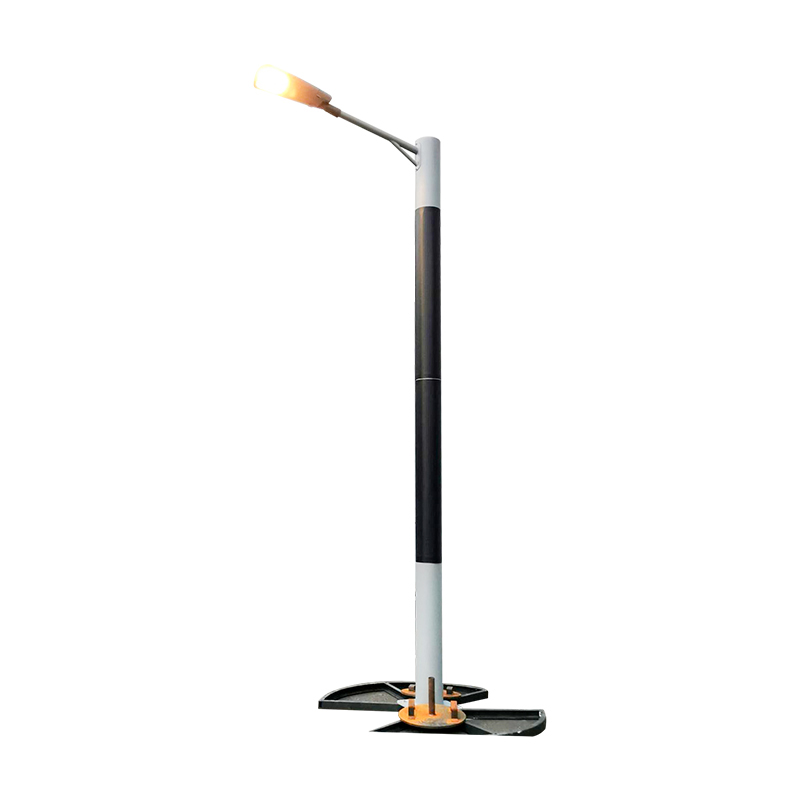 DDK-SSPL-2000 Cylinder Solar Pole Single/Double Arms And Street LED Lamps
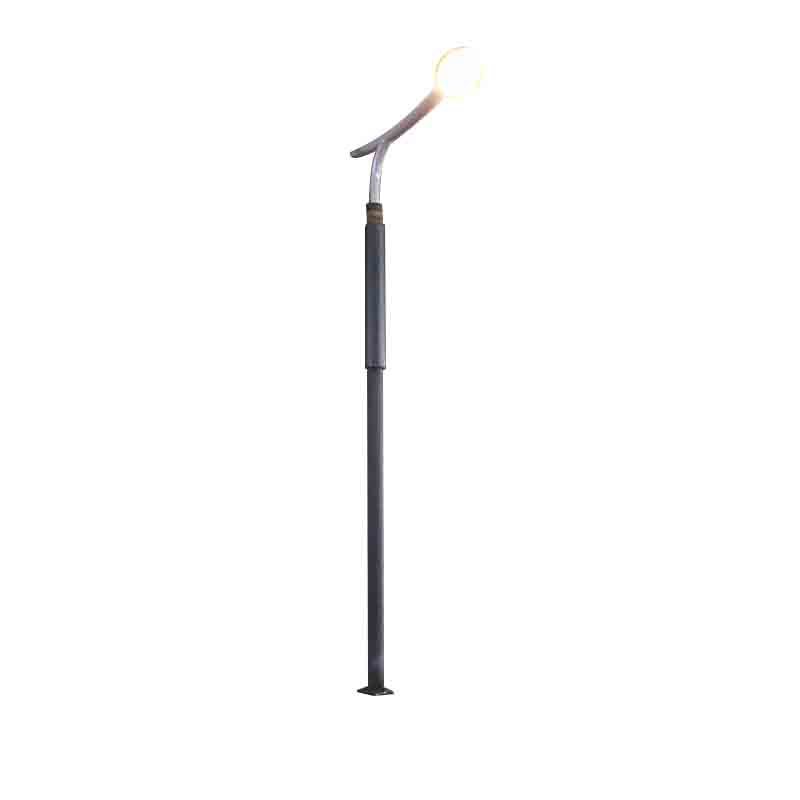 DDK-SSPL-2002 Cylinder Solar Pole With Lamp Head
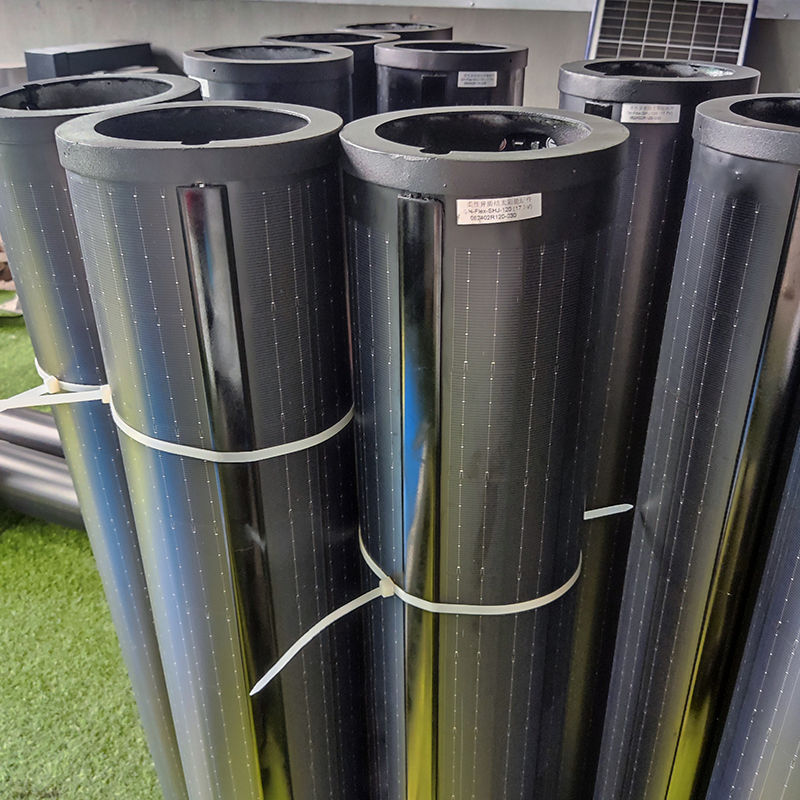 140W Flexible Solar Panel: High-Performance, Elegant and Versatile Power Solution for Lighting Poles and Park Lightings
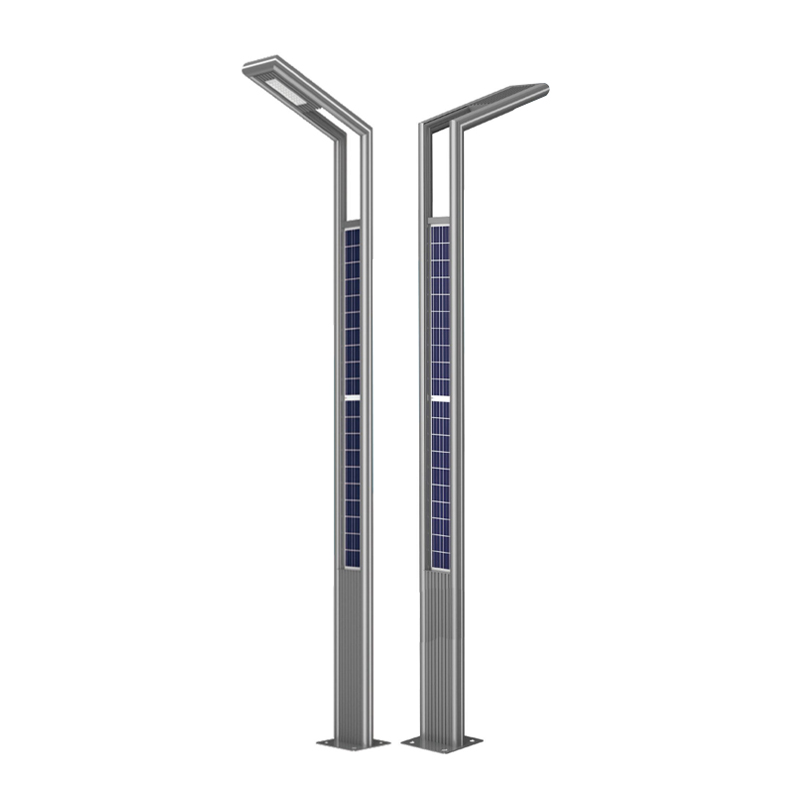 DDK-GN003 Double Sides Integrated Solar Aluminium Pole
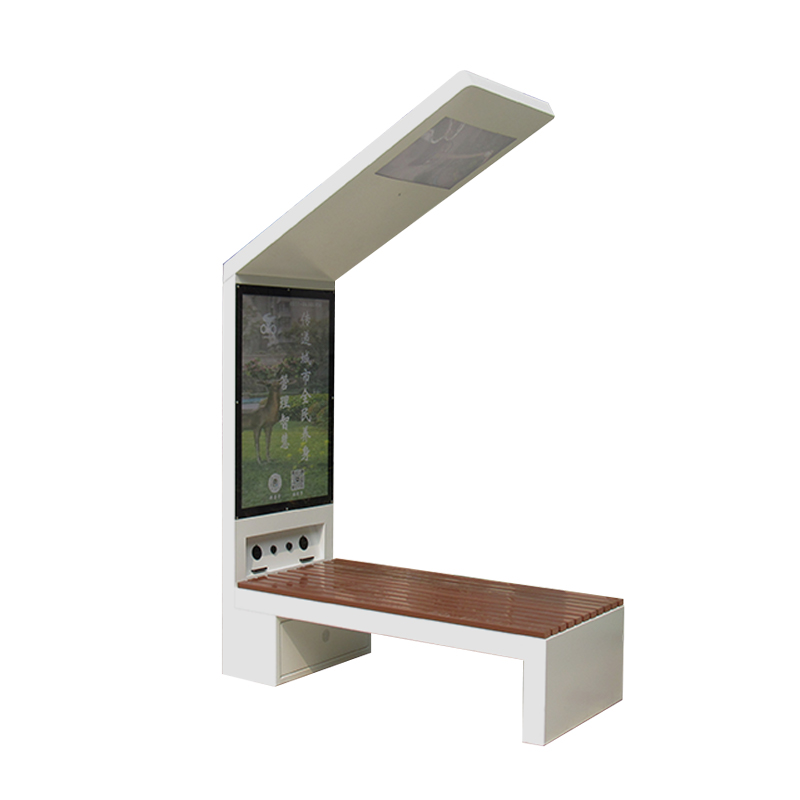 DDK-2000A Charging WIFI Solar Bench Outdoor Bench with Roof on the Top
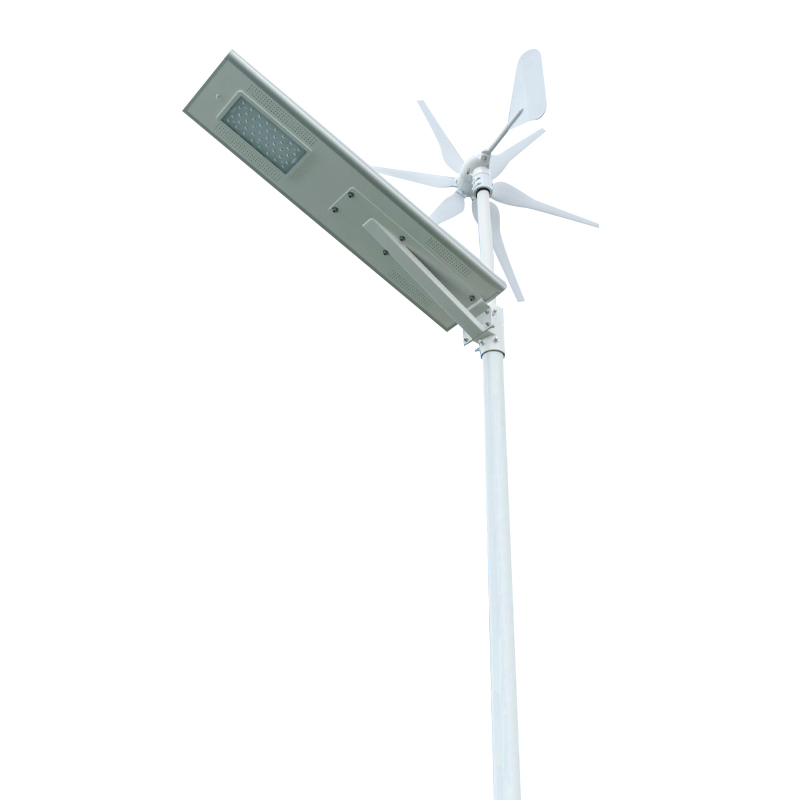 DDK G01 Solar&Wind Hybrid Integrated Optical Lens Solar All in One Light
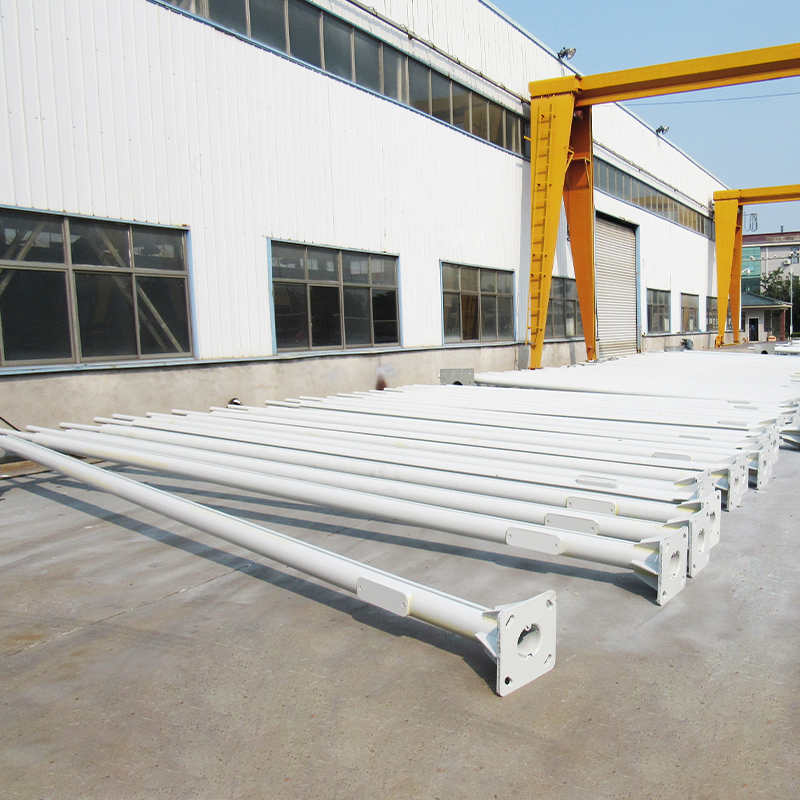 Customized Round Hexagon Octagonal Square Steel Street Light Poles for Outdoor Lightings
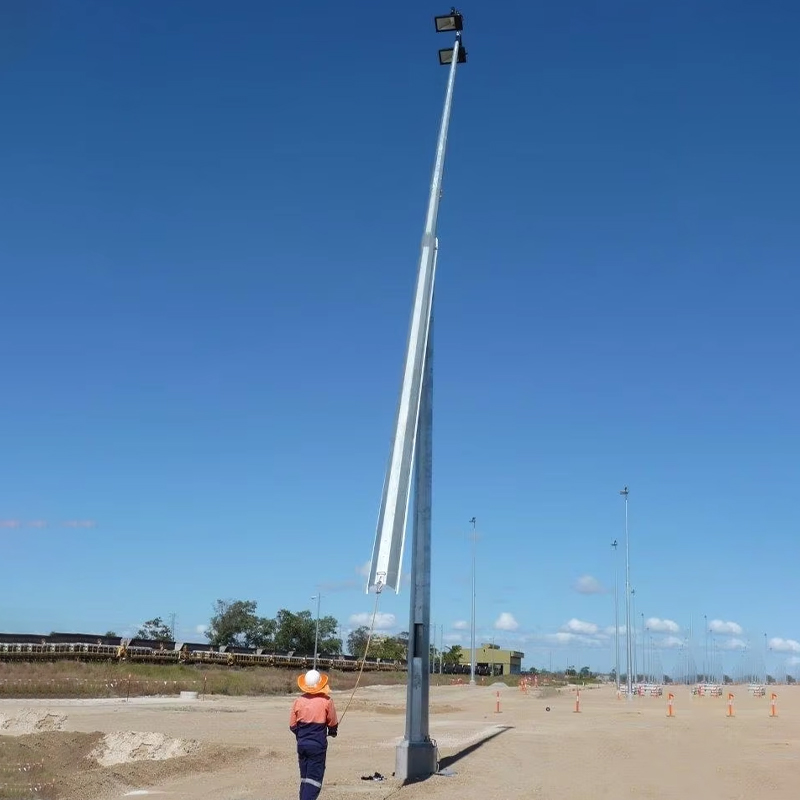 3 to 16M Galvanized Steel Hinged Poles
Contact us
180 meters south of the intersection of Nanbei Avenue and Xuba Road, Gaoyou City, Yangzhou City, Jiangsu Province, China.
+86-18811954888
ddk@cnddk.net
 English
 русский
 Español
 عربى
عربى

