
call us
+86-18811954888
2026-08-06
The short answer on outdoor light lumens is that most residential pathways and yard areas need between 100 and 200 lumens per fixture, security and entryway lighting typically needs 700 to 1300 lumens, and Outdoor Street Lights covering a public road or parking area generally require 3000 to 12000 lumens or more per fixture depending on the mounting height and the width of the area being illuminated.
Lumens measure total visible light output, not brightness at a specific distance, which is why matching lumen output to mounting height, coverage area, and intended purpose matters more than simply buying the highest rated fixture available. The rest of this guide breaks down exactly how to calculate the right lumen output for different outdoor lighting situations, from a garden path to a full street lighting installation.
Lumens quantify the total amount of visible light a fixture produces in all directions, as opposed to watts, which measure energy consumption, or lux, which measures how much of that light actually lands on a specific surface at a given distance. Two fixtures can share the same lumen rating yet produce very different results outdoors depending on beam angle, mounting height, and whether the light is focused or diffused.
Older incandescent and halogen fixtures were commonly rated by wattage because output and energy draw were roughly proportional. LED technology broke that relationship, since a modern LED fixture can produce the same lumen output as an incandescent bulb using 80 percent less energy. This is why comparing outdoor fixtures by wattage alone is misleading today, and lumen rating has become the standard reference point for actual brightness.
Lux measures illuminance, meaning how much light actually reaches a surface, and it decreases significantly as distance from the light source increases. A fixture rated at 5000 lumens mounted 3 meters high will produce a much higher lux reading directly beneath it than the same fixture mounted 8 meters high, even though the lumen output has not changed. This distinction is central to designing outdoor lighting layouts correctly, since lumen rating alone does not guarantee adequate ground level brightness.
Color temperature, measured in Kelvin, also influences how bright a fixture appears even at the same lumen rating. Cooler white light around 5000 to 6500 Kelvin tends to appear crisper and more visually alert than warmer light around 2700 to 3000 Kelvin at an identical lumen output, which is one reason many municipalities favor cooler color temperatures for street lighting while residential porch and pathway fixtures often lean toward warmer tones for a softer, more welcoming appearance. Neither choice is objectively better, but it is worth factoring color temperature into any lumen based comparison between fixtures.
A fixture's color rendering index, which measures how accurately colors appear under its light compared to natural daylight, also affects practical visibility outdoors. A higher color rendering index helps pedestrians and drivers distinguish details, colors, and obstacles more clearly at night, which is why many modern street lighting specifications now include a minimum color rendering requirement alongside the lumen output target rather than treating lumens as the only relevant figure.
Different outdoor lighting purposes call for very different lumen ranges. Using the table below as a starting reference helps avoid both underlit and uncomfortably overlit installations.
| Application | Recommended Lumens |
|---|---|
| Garden path or walkway markers | 100 to 200 lumens per fixture |
| Porch and entry lighting | 300 to 700 lumens |
| Security and floodlights | 700 to 1300 lumens |
| Driveway and yard area lighting | 1300 to 2000 lumens |
| Parking lot and commercial area lighting | 3000 to 8000 lumens per fixture |
| Public road street lighting | 6000 to 12000 plus lumens per fixture |
These figures assume a single fixture covering a defined area at a typical mounting height for that application. Wider coverage areas, taller poles, or lower ambient light conditions in rural settings may require adjusting toward the higher end of each range.
A rural property with little to no nearby artificial light will feel adequately lit at a lower lumen output than a suburban or urban property surrounded by streetlights, neighboring porch lights, and general light pollution reflecting off the sky. Eyes adapt to ambient conditions, so the same fixture that feels bright and effective in a dark rural setting may feel underwhelming in a well lit urban block. When planning a lighting layout, it is worth walking the site after dark under existing conditions before finalizing lumen targets, since published recommendation tables assume moderate ambient conditions rather than the specific environment of any single property.
Sizing Outdoor Street Lights correctly involves more than picking the highest lumen fixture available. Road classification, pole spacing, and mounting height all interact to determine how much lumen output is genuinely needed to meet safety and visibility standards without wasting energy on excessive brightness.
Low traffic residential streets typically use fixtures in the 3000 to 6000 lumen range, mounted at heights around 6 to 8 meters, spaced roughly 25 to 35 meters apart depending on local lighting codes and desired uniformity between poles.
Busier roads carrying higher traffic volumes and speeds require greater lumen output, commonly in the 6000 to 10000 lumen range, since drivers need adequate visibility at higher speed to react to obstacles, pedestrians, or intersections in time.
Highway lighting mounted on tall poles, sometimes exceeding 12 meters, requires the highest lumen fixtures in the street lighting category, often 10000 to 20000 lumens or more per fixture, since the greater mounting height spreads the same light output over a much larger ground area.
Lighting designers generally aim for a uniformity ratio, meaning the difference between the brightest and dimmest points on the road surface between poles, that avoids sharp contrast zones where a driver's eyes must repeatedly readjust. A well planned layout with correctly spaced poles achieves more even coverage than simply installing higher lumen fixtures further apart, which tends to create bright pools directly under each pole with dark gaps in between.
One of the most common mistakes in outdoor lighting planning is choosing a lumen rating without accounting for mounting height. Light intensity at ground level decreases with the square of the distance from the source, meaning doubling the mounting height requires roughly four times the lumen output to maintain the same ground level brightness.
| Mounting Height | Approximate Lumens Needed for Similar Ground Brightness |
|---|---|
| 3 meters | 2000 to 3000 lumens |
| 6 meters | 5000 to 7000 lumens |
| 10 meters | 9000 to 12000 lumens |
| 12 meters and above | 12000 to 20000 plus lumens |
Beam angle also plays a role alongside mounting height. A narrow beam concentrates the same lumen output into a smaller ground area, producing higher local brightness but less overall coverage width, while a wide beam spreads the same output over a larger area at somewhat lower peak intensity.
Horizontal distance between the pole and the area being lit matters just as much as vertical mounting height. A pole set well back from a road edge throws light at more of an angle, which can extend usable coverage width but also increases the effective distance the light must travel to reach the far side of the road, reducing intensity there. Lighting designers typically account for both the vertical and horizontal offset together when calculating the lumen output needed at a given pole location, rather than treating mounting height as the only relevant distance factor.
Lumens per watt, sometimes called luminous efficacy, is the metric that determines how much light a fixture produces relative to the energy it consumes, and it varies considerably across lighting technologies.
This efficiency gap explains why municipalities converting older street lighting networks to LED fixtures frequently report energy savings of 50 percent or more for the same or improved lumen output at each pole, alongside a longer average fixture lifespan that reduces maintenance and replacement costs over time.
Many modern LED street lighting fixtures support dimming schedules or motion responsive controls, allowing full lumen output during peak traffic hours and reduced output during low activity overnight periods. Municipalities using this approach commonly report additional energy savings on top of the base efficiency gain from switching to LED, since the fixture is not running at maximum lumen output continuously through hours when full brightness offers little practical benefit. This kind of adaptive control also extends fixture lifespan slightly, since LEDs generally experience less heat stress when not run constantly at their rated maximum output.
Several recurring mistakes lead to outdoor lighting installations that either waste energy or fail to provide adequate visibility and safety.
Comparing fixtures by wattage alone ignores the significant efficiency differences between lighting technologies, often resulting in either an underpowered installation or an oversized fixture that consumes far more energy than needed for the actual lumen output required.
A fixture that would provide excellent coverage at 4 meters can leave a road surface underlit if mounted at 8 meters without adjusting the lumen rating upward to compensate for the increased distance.
Installing commercial grade high lumen fixtures in a residential setting can create glare, light trespass into neighboring properties, and unnecessary energy costs, when a properly spaced lower lumen fixture would achieve adequate coverage more comfortably.
Two fixtures with identical lumen ratings can produce very different ground coverage depending on beam angle and mounting orientation, so lumen output should always be considered alongside these factors rather than in isolation.
Selecting a fixture that just barely meets the minimum required lumen output when new can leave a space underlit within a few years, since LED output gradually declines over the fixture's operating life. Specifying a fixture with some margin above the strict minimum requirement helps ensure the installation still meets its lighting goals well into its service life rather than only on the day it is installed.
Solar powered street lighting has become a practical option for many locations, particularly rural roads, pathways, and remote parking areas where running new electrical infrastructure would be costly. These systems pair a solar panel and battery bank with an LED fixture, storing energy during daylight hours to power the light through the night.
Because solar fixtures rely on stored battery capacity rather than a continuous grid connection, lumen output is often managed dynamically through the night, running at full rated lumens during early evening hours when activity is highest and stepping down to a lower lumen level in the overnight hours to conserve battery charge until sunrise. When comparing solar fixtures, buyers should look at both the peak lumen rating and how long the system can sustain that output on a full charge, since a high peak lumen rating paired with a small battery may not maintain adequate brightness through a full winter night with shorter daylight charging hours.
Whether planning a small residential yard or a full street lighting installation, following a structured process produces more reliable results than selecting fixtures based on lumen rating alone.
Following this sequence generally prevents the two most common outcomes of poor planning, an underlit space that compromises safety and an overlit space that wastes energy and creates unwanted glare for neighbors or drivers.
For anything beyond a small residential yard, particularly municipal street lighting, commercial parking areas, or large campus style properties, working with a qualified lighting designer is generally worth the added upfront cost. Professional lighting layouts use photometric software to model exactly how light will fall across a given area based on fixture specifications, pole placement, and mounting height, catching coverage gaps or excessive overlap before installation rather than after the poles are already in the ground. This modeling also helps ensure compliance with local lighting codes, which increasingly specify not just minimum lumen output but also maximum allowable light trespass onto neighboring properties and limits on upward light spill that contributes to sky glow.
A backyard patio generally looks well lit with fixtures in the 300 to 700 lumen range per light, depending on the size of the seating area and how much ambient light is already present from the house or nearby fixtures.
Residential street lighting typically falls in the 3000 to 6000 lumen range per fixture, mounted around 6 to 8 meters high, though exact requirements vary by local lighting code and road width.
No, a higher lumen rating than needed for a given space wastes energy and can create glare or light trespass into neighboring areas, so matching lumen output to the actual application is more effective than simply maximizing brightness.
Because light intensity decreases with the square of distance, doubling the mounting height requires roughly four times the lumen output to maintain equivalent ground level brightness.
Lumens measure the total light a fixture produces, while lux measures how much of that light actually reaches a specific surface at a given distance, which is why the same lumen rating can produce very different ground level brightness depending on mounting height and beam angle.
Modern LED street and area lighting fixtures commonly deliver 120 to 160 lumens per watt, significantly higher than older high pressure sodium or metal halide technology.
Parking lot fixtures typically range from 3000 to 8000 lumens per fixture, depending on pole height and the desired level of security lighting for the space.
Yes, fixtures with excessive lumen output or poor beam control can scatter light beyond the intended area, contributing to glare and light pollution, which is why shielded fixtures and appropriately matched lumen ratings are often recommended for residential settings.
Spacing generally falls between 25 and 35 meters for residential streets, though the correct spacing depends on mounting height, fixture lumen output, and beam angle, so a lighting layout calculation is recommended rather than relying on a single fixed number.
Yes, LED fixtures gradually lose a small percentage of their original lumen output over many years of operation, which is why manufacturers typically rate expected lifespan based on the point at which output drops to a defined percentage of its original level rather than complete failure.
Related Products
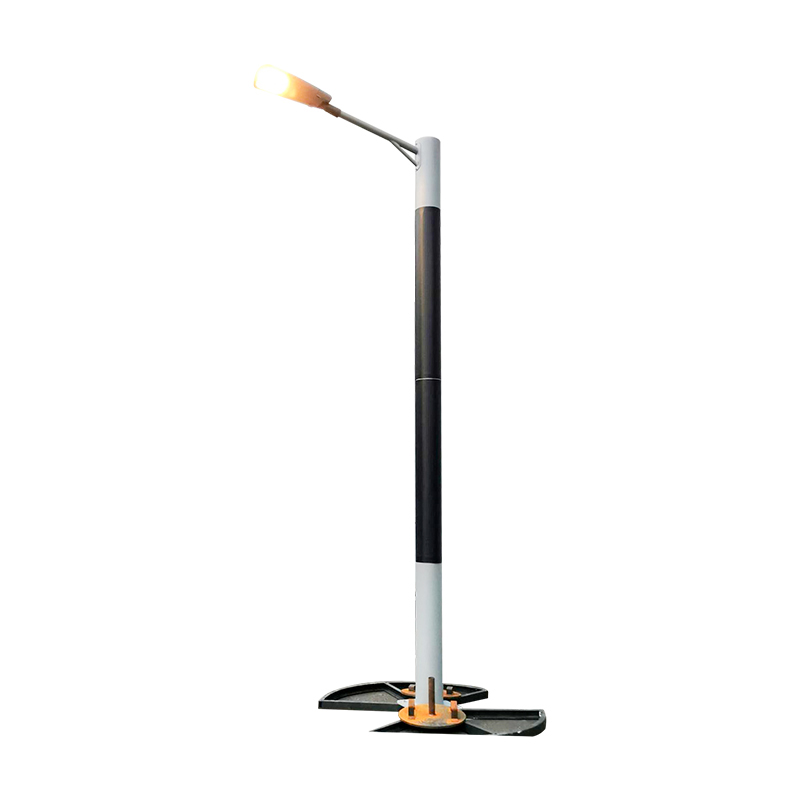 DDK-SSPL-2000 Cylinder Solar Pole Single/Double Arms And Street LED Lamps
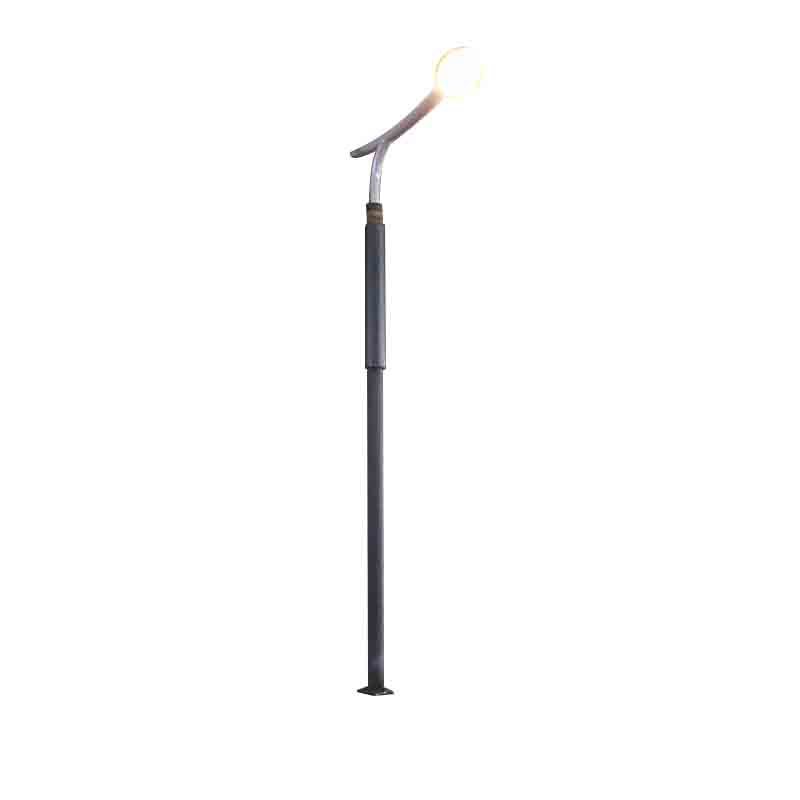 DDK-SSPL-2002 Cylinder Solar Pole With Lamp Head
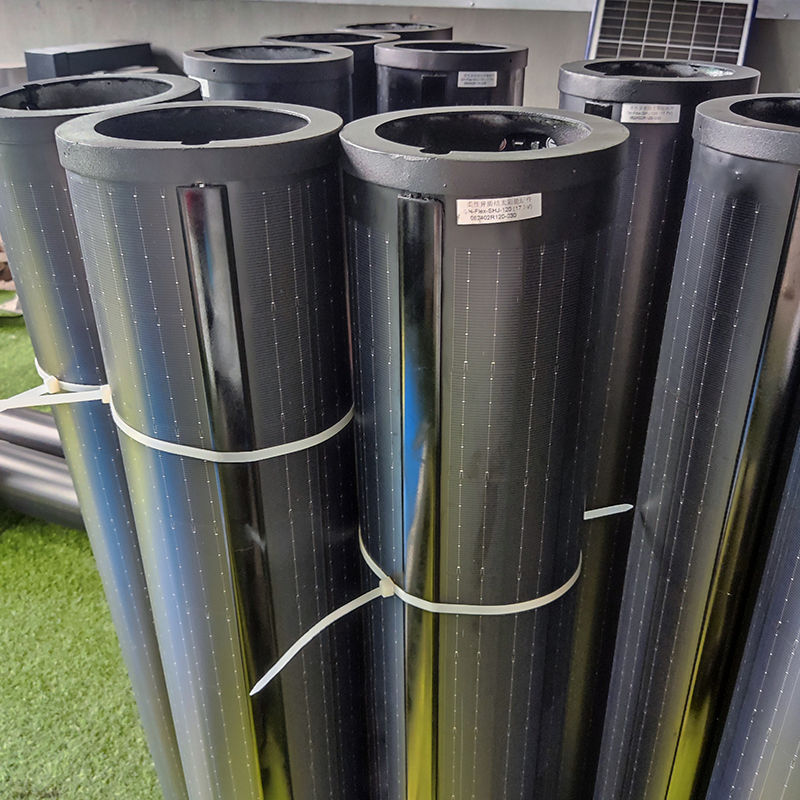 140W Flexible Solar Panel: High-Performance, Elegant and Versatile Power Solution for Lighting Poles and Park Lightings
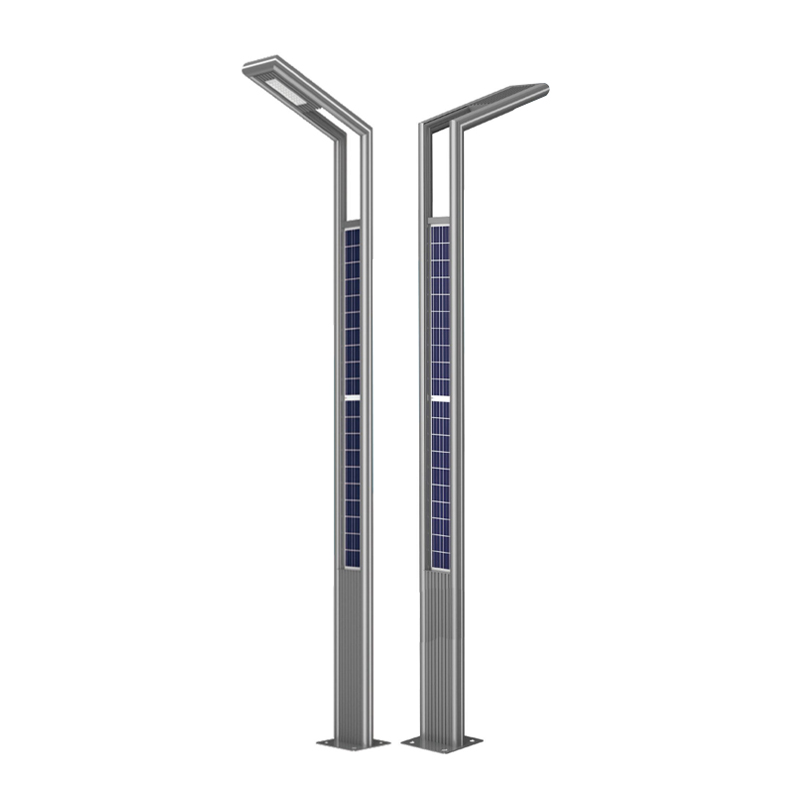 DDK-GN003 Double Sides Integrated Solar Aluminium Pole
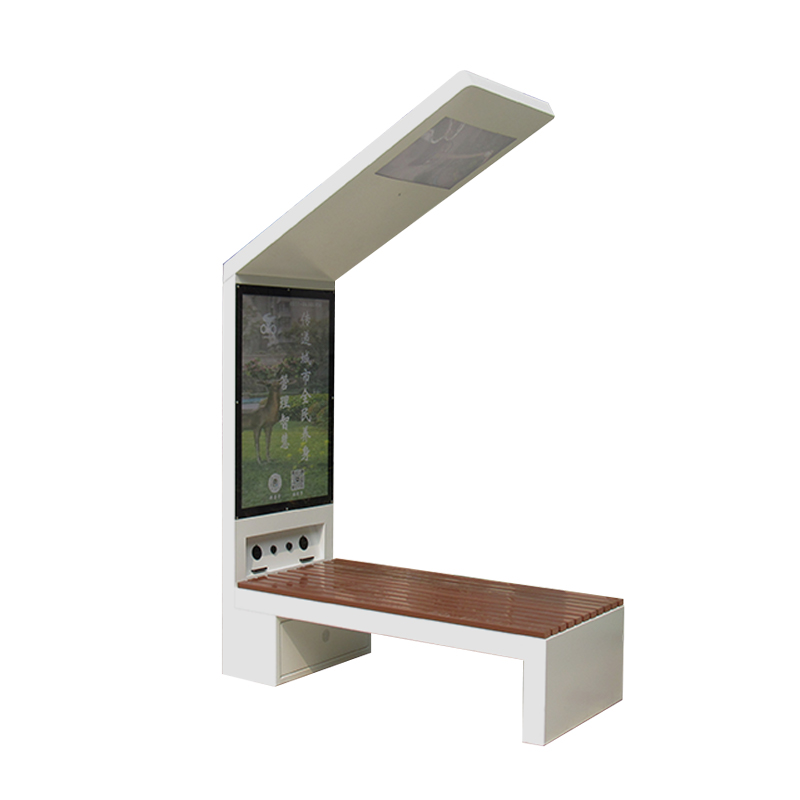 DDK-2000A Charging WIFI Solar Bench Outdoor Bench with Roof on the Top
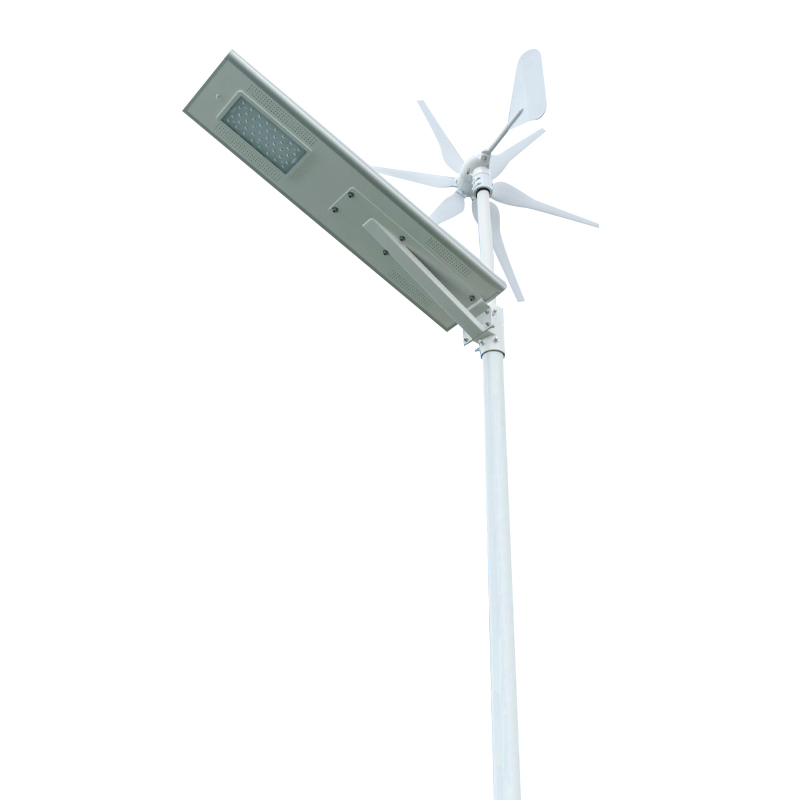 DDK G01 Solar&Wind Hybrid Integrated Optical Lens Solar All in One Light
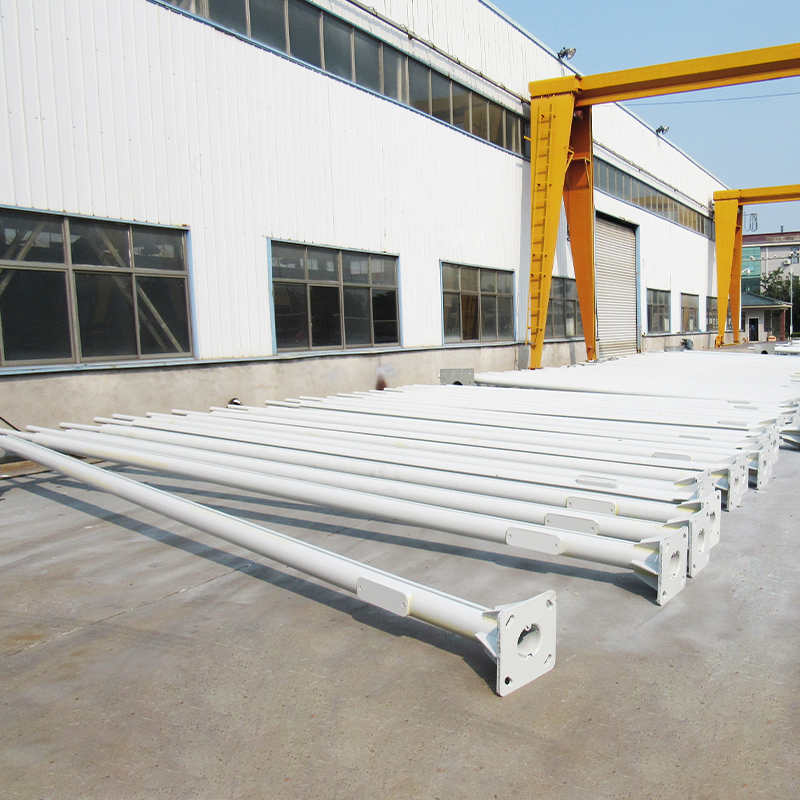 Customized Round Hexagon Octagonal Square Steel Street Light Poles for Outdoor Lightings
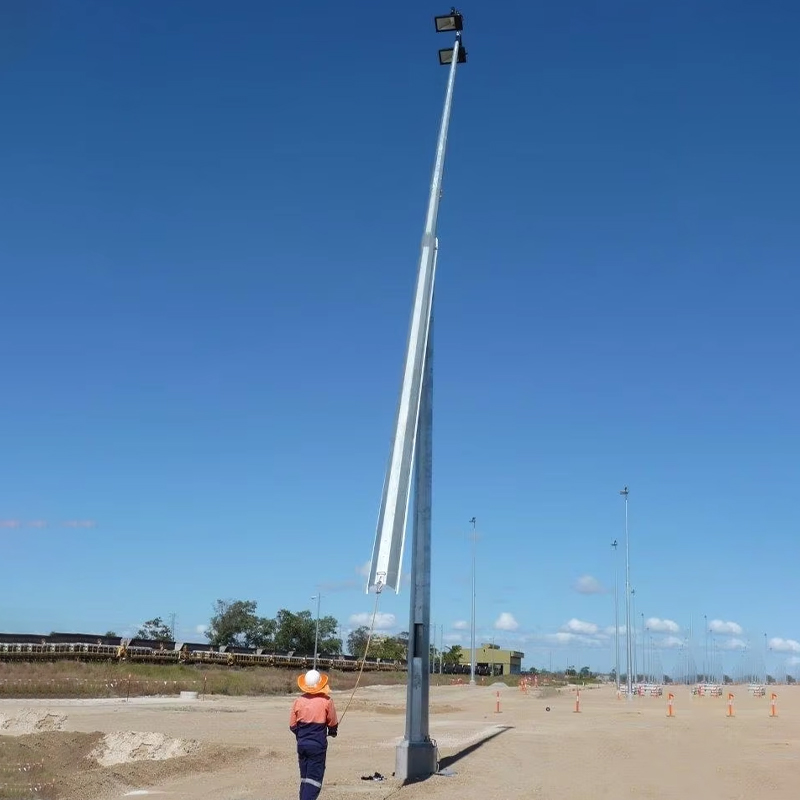 3 to 16M Galvanized Steel Hinged Poles
Contact us
180 meters south of the intersection of Nanbei Avenue and Xuba Road, Gaoyou City, Yangzhou City, Jiangsu Province, China.
+86-18811954888
ddk@cnddk.net
 English
 русский
 Español
 عربى
عربى

