
call us
+86-18811954888
2026-03-05
Steel poles form the structural backbone of modern urban and highway infrastructure. From the street light outside a residential home to the 40-meter mast illuminating a stadium, from the traffic signal arm at a busy intersection to the CCTV pole monitoring a city center — steel is the dominant material choice across all of these applications, and has been for decades. Steel light poles, steel street light poles, steel mast poles, and steel traffic CCTV poles each serve distinct engineering functions, but they share the same fundamental advantages: structural predictability, long service life, design flexibility, and a total cost of ownership that no competing material consistently matches at scale.
This guide covers the engineering principles, material specifications, pole type classifications, structural design considerations, corrosion protection systems, and procurement guidance that buyers, engineers, and project managers need to make well-informed decisions when specifying steel poles for infrastructure projects.
Steel's dominance in the pole infrastructure market is not inertia — it is a direct result of the material's engineering properties aligning precisely with what outdoor structural poles must do: resist wind and dynamic loads over decades, support mounting hardware and luminaires at controlled deflection, survive corrosive outdoor environments, and do so at a cost that enables large-scale infrastructure deployment.
The structural steel grades most commonly used in pole manufacturing — typically S235, S275, or S355 (EN 10025) in European standards, or ASTM A572 Grade 50 and A500 in North American practice — provide yield strengths of 235–355 MPa and tensile strengths of 360–510 MPa. These values define how much load a pole can carry before permanent deformation occurs, and they set the boundary conditions for pole wall thickness, base plate sizing, and anchor bolt design.
Steel's elastic modulus of approximately 210 GPa — roughly three times that of aluminum and over 100 times that of structural polymers — means that steel poles deflect far less under equivalent wind and accessory loads than poles made from competing materials. This stiffness is particularly important for poles supporting traffic signals, CCTV cameras, and precision-mounted luminaires, where excessive deflection under wind can displace equipment out of its designed coverage zone.
| Property | Steel | Aluminum | Concrete | Fiberglass (GRP) |
|---|---|---|---|---|
| Yield Strength | 235–355 MPa | 110–270 MPa | N/A (compression) | 70–150 MPa |
| Elastic Modulus | ~210 GPa | ~70 GPa | ~30 GPa | ~20–40 GPa |
| Corrosion Resistance (bare) | Low (requires treatment) | Good (natural oxide) | Moderate | Excellent |
| Weldability / Fabrication | Excellent | Good (specialist) | Poor | Limited |
| Impact Resistance | Excellent (ductile) | Good | Poor (brittle) | Moderate |
| Relative Material Cost | Low–Moderate | Moderate–High | Low | High |
| Recyclability | 100% | 100% | Partial | Difficult |
Steel's combination of high stiffness, excellent weldability, ductile failure mode, low material cost, and full recyclability makes it the default choice for pole infrastructure globally. Aluminum is used where weight is critical and budgets are higher; concrete dominates in utility power distribution; fiberglass finds niche applications in high-corrosion or electrical isolation requirements. For street lighting, traffic management, mast lighting, and CCTV applications, steel accounts for the majority of installed poles worldwide.
Steel street light poles are the most numerous single category of steel pole infrastructure — hundreds of millions are installed globally, with tens of millions added annually as urban expansion and LED retrofit programs continue. Their design parameters are well-established by decades of field experience and codified in national and international standards that govern wall thickness, deflection limits, base plate design, and corrosion protection requirements.
Street light pole heights are selected based on the road classification, luminaire mounting requirements, and local lighting design standards. Typical height ranges by application are:
Steel street light poles are manufactured in several cross-sectional configurations, each suited to specific applications and manufacturing methods:
Steel street light poles in Europe are designed and tested to EN 40 (Lighting columns — Parts 1–8), which specifies material requirements, structural design methods, dimensional tolerances, and test procedures including the critical fatigue and wind load tests. In North America, AASHTO LTS-6 (Standard Specifications for Structural Supports for Highway Signs, Luminaires, and Traffic Signals) governs equivalent design requirements. Compliance with these standards is a minimum procurement requirement for any public infrastructure project and should be verified by test certificates from the manufacturer.
Steel mast poles occupy the high end of the pole height spectrum. Defined as poles typically exceeding 20 meters in height and supporting multiple luminaires simultaneously on a ring frame or lowering gear assembly, high-mast steel poles are the engineering solution for large-area illumination where individual street light poles would require impractical densities of installation — motorway interchanges, port facilities, airport aprons, sports stadiums, railway marshalling yards, and large industrial sites.
Steel mast poles are commonly available in standardized heights of 20, 25, 30, 35, and 40 meters, with custom heights to 50+ meters for special applications. At these heights, the structural loading regime is dominated by wind rather than the weight of the luminaires themselves:
A defining feature of high-mast steel poles is the lowering gear system — an internal cable and pulley or rack-and-pinion mechanism that allows the luminaire ring to be lowered to maintenance height (typically 2–3 meters above ground) without scaffolding or elevated work platforms. Properly maintained lowering gear systems reduce maintenance costs by 60–80% compared to scaffold-based access for equivalent height poles, representing a significant life-cycle cost advantage for installations where luminaire relamping and maintenance is required on a regular cycle.
Lowering systems require periodic inspection and lubrication of cable, pulley, and locking mechanism components. Manufacturers typically specify inspection intervals of 2–3 years for corrosion assessment and cable tension verification. The lowering system should always be specified with a rated load that exceeds the maximum luminaire ring weight by a safety factor of at least 3:1.
At heights above 20 meters, vortex-induced vibration (VIV) becomes a significant structural concern. Wind flowing past a circular cylinder generates periodic vortex shedding alternately on each side — when the shedding frequency coincides with the pole's natural frequency, resonant oscillation can develop that imposes fatigue loads far exceeding those from static wind pressure alone. Well-documented fatigue failures of high-mast poles have occurred at less than 10 years of service life when VIV was not adequately addressed in design. Mitigation measures include helical strakes on the pole shaft, tuned mass dampers at the pole tip, or structural detailing that shifts the pole's natural frequency away from the critical vortex shedding range.
Steel traffic CCTV poles serve a fundamentally different structural purpose from lighting poles. Where lighting poles carry a relatively static dead load at the tip with wind loading as the primary dynamic input, traffic signal poles and CCTV mounting poles must manage the combined effects of their own dead load, equipment dead load (signal heads, cameras, communication equipment), wind pressure on both the pole shaft and the mounted equipment, and in the case of traffic signal arms, significant cantilever bending moments from horizontally projecting steel arms that may extend 8–12 meters from the pole shaft.
Traffic signal installations use steel poles in several configurations depending on road geometry and signal head positioning requirements:
Steel poles supporting CCTV cameras and Intelligent Transport System (ITS) equipment present specific structural challenges related to equipment wind loading and vibration sensitivity. CCTV cameras are aerodynamically bluff bodies — their flat faces present relatively high drag coefficients (typically Cd = 1.0–1.3) compared to the circular pole shaft (Cd ≈ 0.5–0.7). A single pan-tilt-zoom CCTV camera housing can present a wind area of 0.08–0.15 m², generating forces of 100–300 N in a 40 m/s design wind speed — sufficient to cause measurable pole deflection if the pole is not adequately sized for equipment loading.
Equally important is vibration amplitude. CCTV cameras require a stable mounting platform — excessive pole oscillation degrades image quality and can cause continuous autofocus hunting in PTZ cameras. Poles for CCTV applications should be specified with a maximum tip deflection under design wind loading, not just a maximum stress criterion. Typical specifications limit tip deflection to L/100 (1% of pole height) under the reference wind load for CCTV applications — a more stringent requirement than the L/50 or L/75 commonly applied to lighting-only poles.
Traffic and CCTV poles carry substantially more cabling than lighting poles — power supply, communication (fiber or copper), control signals, and grounding conductors. Pole shafts must include adequately sized cable entry points at the base, internal cable management provisions to prevent chafing of cable insulation against the shaft interior, and weatherproof hand-hole access covers at maintenance height for cable termination and testing. Specification of cable entry and hand-hole size must be coordinated with the electrical and communications installation design — a common source of field problems when structural pole supply and electrical design are not integrated at the specification stage.
Steel's primary limitation as an outdoor structural material is its susceptibility to corrosion in the presence of moisture and oxygen. Corrosion protection is not an optional enhancement for steel poles — it is a fundamental part of the structural design that determines the service life of the installation. The choice of protection system should be based on the corrosion environment classification of the installation site, the design service life, and the maintenance access available over the pole's life.
Hot-dip galvanizing involves immersing the fabricated steel pole in a bath of molten zinc at approximately 450°C. The zinc metallurgically bonds to the steel surface, forming a series of zinc-iron alloy layers topped by a pure zinc outer layer. The standard coating thickness for structural steel poles is 85 μm minimum average, 70 μm minimum local per EN ISO 1461, providing corrosion protection through both barrier and sacrificial (cathodic protection) mechanisms.
In a C3 (medium corrosivity) environment such as an urban or suburban setting, a standard galvanized coating provides a time-to-first-maintenance of 35–70 years according to ISO 14713-1 corrosion rate data — meaning a correctly galvanized pole installed in a standard urban environment should not require corrosion remediation within its designed 40-year service life. In higher corrosivity environments (C4/C5 — marine, industrial), additional coating or a duplex system is required.
Powder coating applies electrostatically charged thermosetting polymer powder to the steel surface, which is then cured in an oven at 180–200°C to form a hard, continuous film. For steel poles, powder coating is almost always applied over a zinc phosphate or hot-dip galvanized substrate — bare powder coat on steel without a zinc primer provides inadequate long-term corrosion resistance for outdoor applications and will fail at coating defects and cuts within 3–5 years.
Powder coating provides the color and aesthetic finish required for decorative street lighting, heritage schemes, and branded urban furniture programs. Standard coating thicknesses of 60–80 μm over galvanized substrate provide good UV and weather resistance, with polyester powder systems providing better outdoor durability than cheaper epoxy formulations. TGIC-free polyester systems are now standard for outdoor applications due to environmental and health regulations affecting TGIC-containing powders.
A duplex system combines hot-dip galvanizing with a liquid paint or powder coating topcoat. The two systems provide complementary protection: the zinc layer acts as a sacrificial anode that protects steel at any coating defect, while the organic topcoat isolates the zinc from the corrosive environment, dramatically slowing the zinc consumption rate. Research published in ISO 12944 and corroborated by long-term field studies consistently shows a synergy factor of 1.5–2.5× for duplex systems — meaning a duplex coating lasts 1.5 to 2.5 times longer than the sum of each system alone. For coastal and marine environments (C5-M classification), duplex systems are the minimum appropriate specification for a 40-year design life steel pole installation.
| Environment | ISO Corrosivity Class | Recommended System | Expected Service Life |
|---|---|---|---|
| Rural / dry inland | C1–C2 | Hot-dip galvanizing alone | 40–50+ years |
| Urban / suburban | C3 | HDG or HDG + powder coat | 35–50 years |
| Industrial / high pollution | C4 | Duplex (HDG + liquid paint) | 30–40 years |
| Coastal / marine | C5-M | Duplex + enhanced zinc | 25–35 years |
| Splash zone / immersion | CX | Thermal spray zinc + epoxy + polyurethane | 20–30 years (with maintenance) |
The foundation is the interface between the steel pole and the ground, and its design is as critical to the structural performance of the installation as the pole itself. A correctly designed pole on an undersized or improperly constructed foundation will fail — typically by overturning or foundation rotation — long before the pole's own structural capacity is approached.
The most common foundation system for steel street light poles and traffic poles uses a group of anchor bolts cast into a reinforced concrete pad or cylinder. The anchor bolt circle diameter, bolt diameter, bolt embedment depth, and concrete grade are designed to resist the overturning moment and shear force at the foundation top — loads that are directly derived from the structural analysis of the pole itself under design wind loading.
A critical and frequently overlooked installation requirement is the leveling and grouting of the base plate. The base plate must be level to within 1–2mm across its full width to ensure uniform load distribution across all anchor bolts. Base plates installed without grout beneath them — or with inadequate grout compaction — develop fatigue cracks at the base plate weld due to stress concentration at the contact points, often within 5–10 years of installation. Full grout bedding of the base plate is a mandatory installation step, not an optional refinement.
Some steel street light poles — particularly smaller residential and pathway poles — are designed for direct burial rather than bolted base plate installation. The lower section of the pole shaft is buried to a depth specified by the structural design (typically 10–15% of the above-ground height for standard soil conditions), providing a cantilever foundation that resists overturning through passive soil pressure. Direct-burial installation requires the buried portion of the pole to be protected against soil corrosion — typically by extending the galvanized coating to the full shaft length plus a bituminous wrap or polyethylene sleeve on the buried section, since soil chemistry is often more aggressive than above-ground exposure conditions.
Procuring steel light poles, mast poles, or traffic CCTV poles for infrastructure projects requires a specification that covers not just the physical dimensions but the complete set of quality, material, and performance requirements that determine whether the delivered poles will perform as designed over their full service life. Inadequate specification is the primary cause of disputes, premature failures, and costly replacements in pole infrastructure projects.
Steel light poles, street light poles, mast poles, and traffic CCTV poles represent long-term infrastructure investments with design service lives of 40–50 years. The incremental cost of thorough specification, third-party inspection, and documentation compliance is invariably small relative to the cost of premature failure, unplanned replacement, or the safety consequences of a structural collapse in a public environment. Investing in specification quality at the procurement stage is the most effective form of lifecycle cost management available to any pole infrastructure project manager.
Related Products
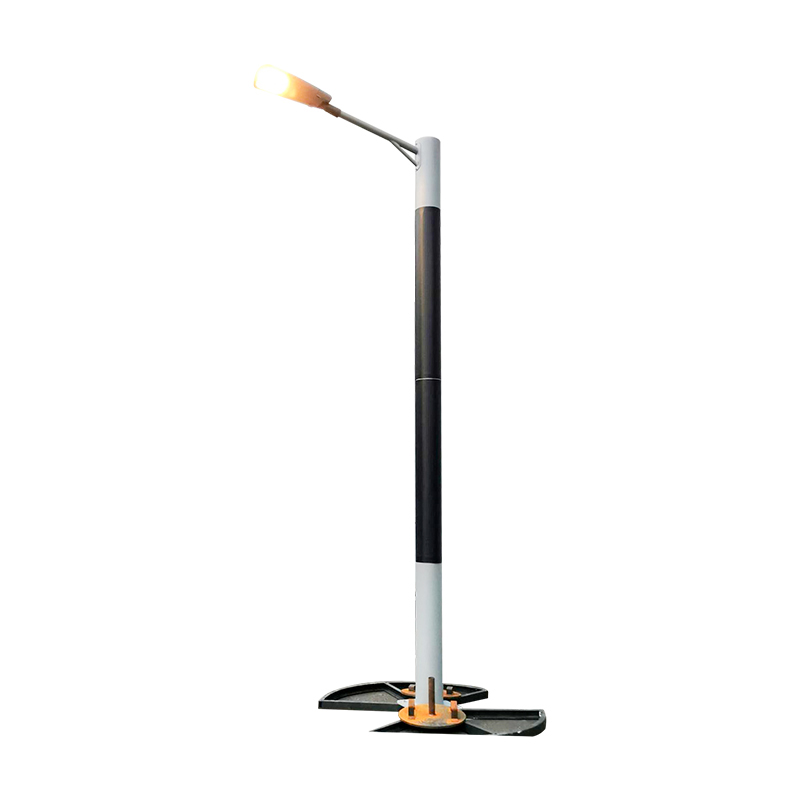 DDK-SSPL-2000 Cylinder Solar Pole Single/Double Arms And Street LED Lamps
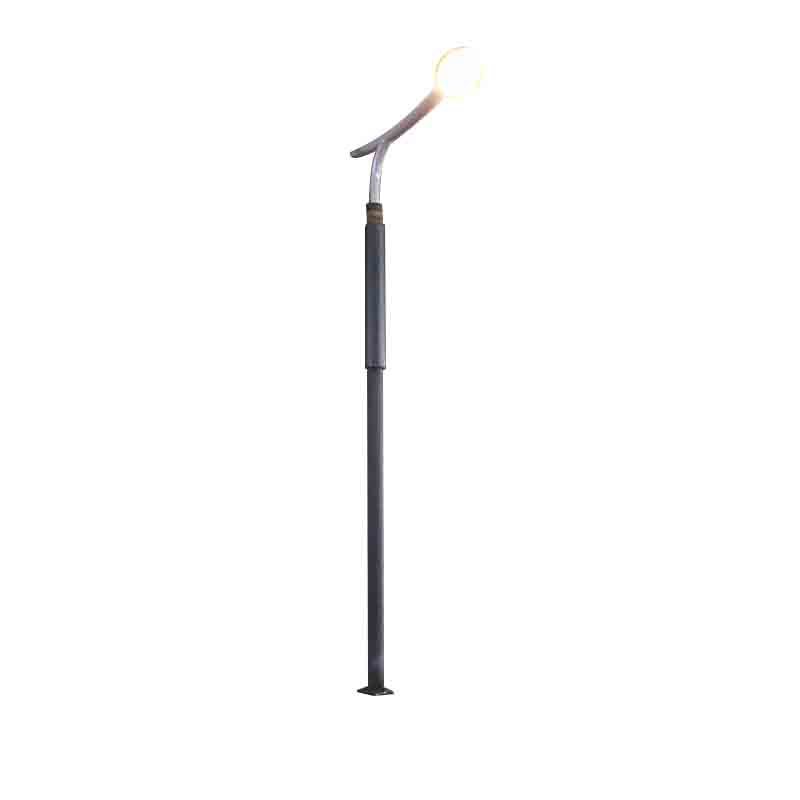 DDK-SSPL-2002 Cylinder Solar Pole With Lamp Head
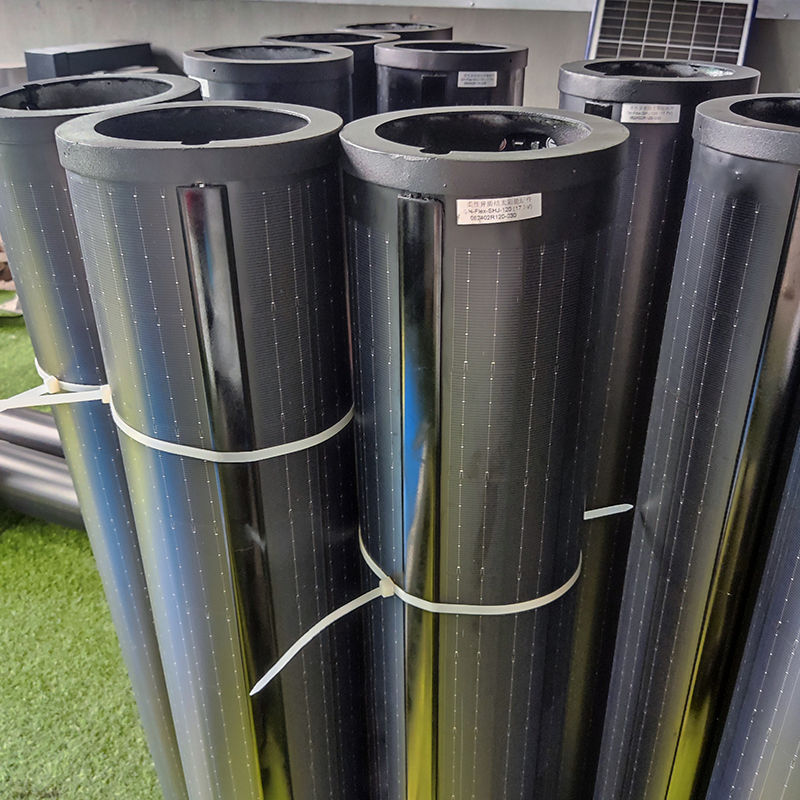 140W Flexible Solar Panel: High-Performance, Elegant and Versatile Power Solution for Lighting Poles and Park Lightings
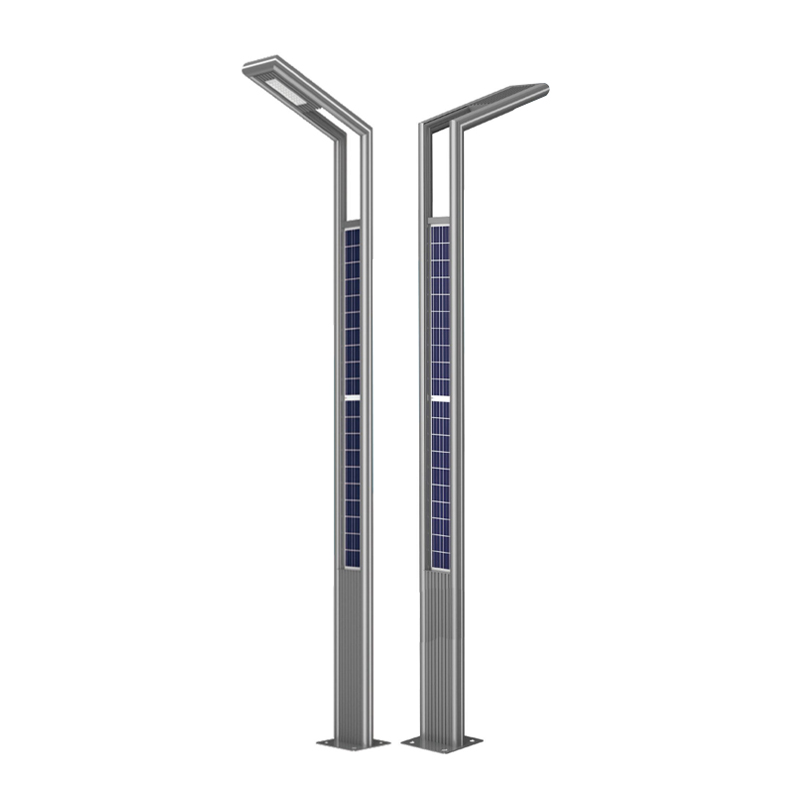 DDK-GN003 Double Sides Integrated Solar Aluminium Pole
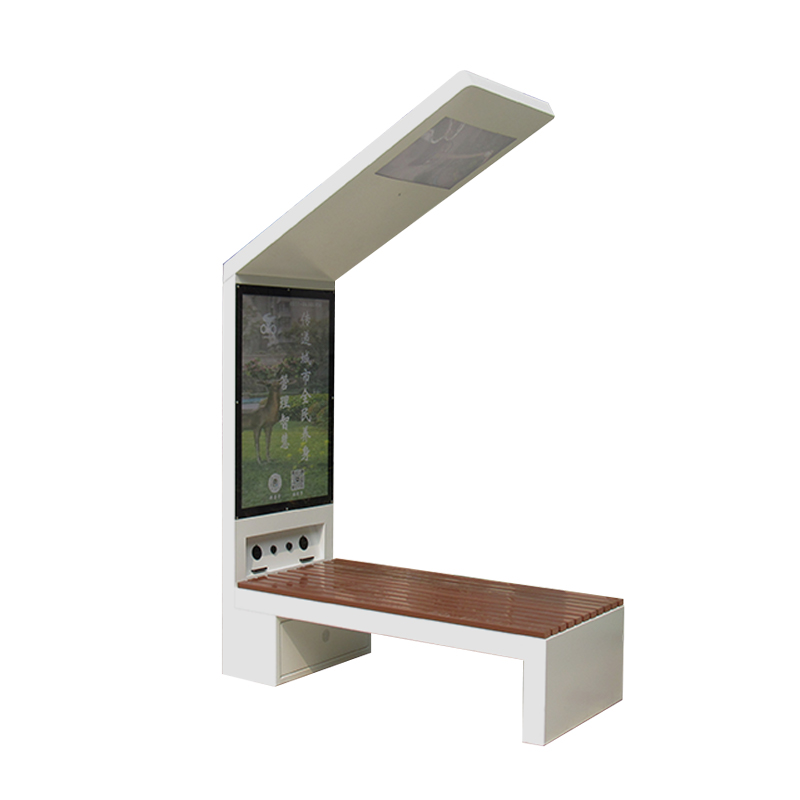 DDK-2000A Charging WIFI Solar Bench Outdoor Bench with Roof on the Top
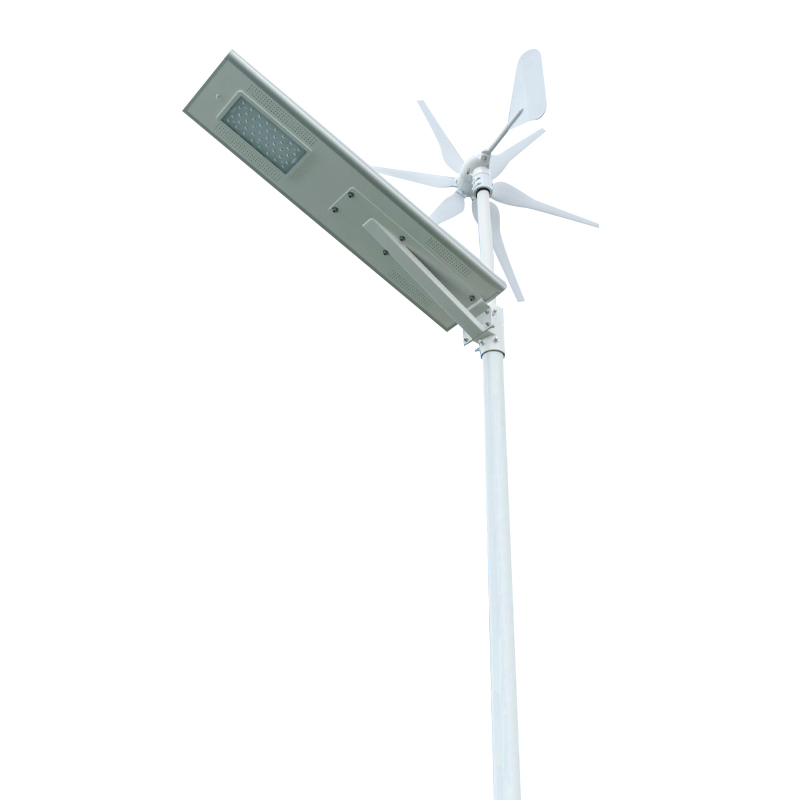 DDK G01 Solar&Wind Hybrid Integrated Optical Lens Solar All in One Light
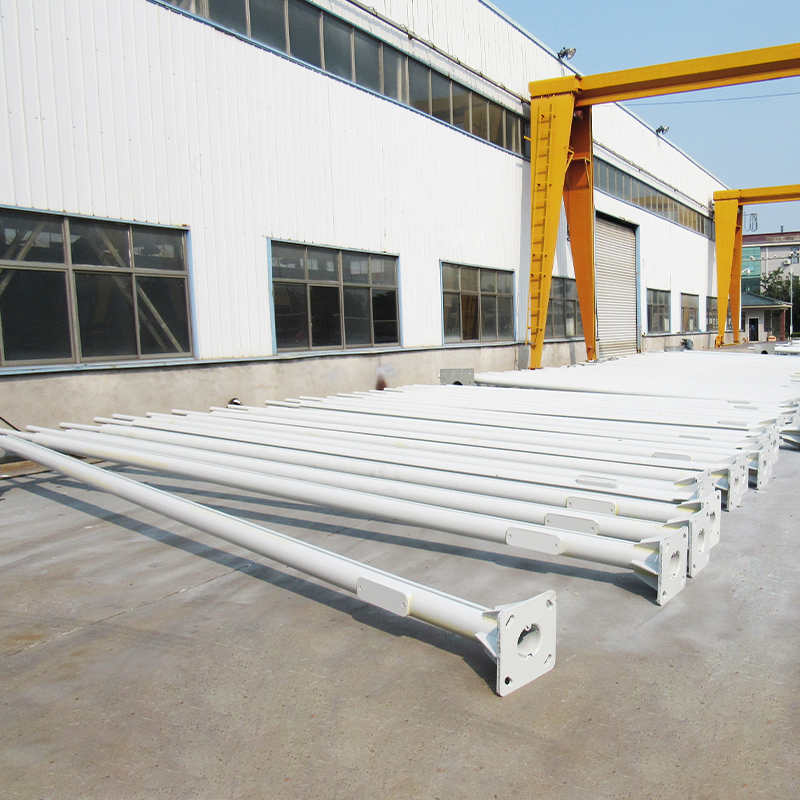 Customized Round Hexagon Octagonal Square Steel Street Light Poles for Outdoor Lightings
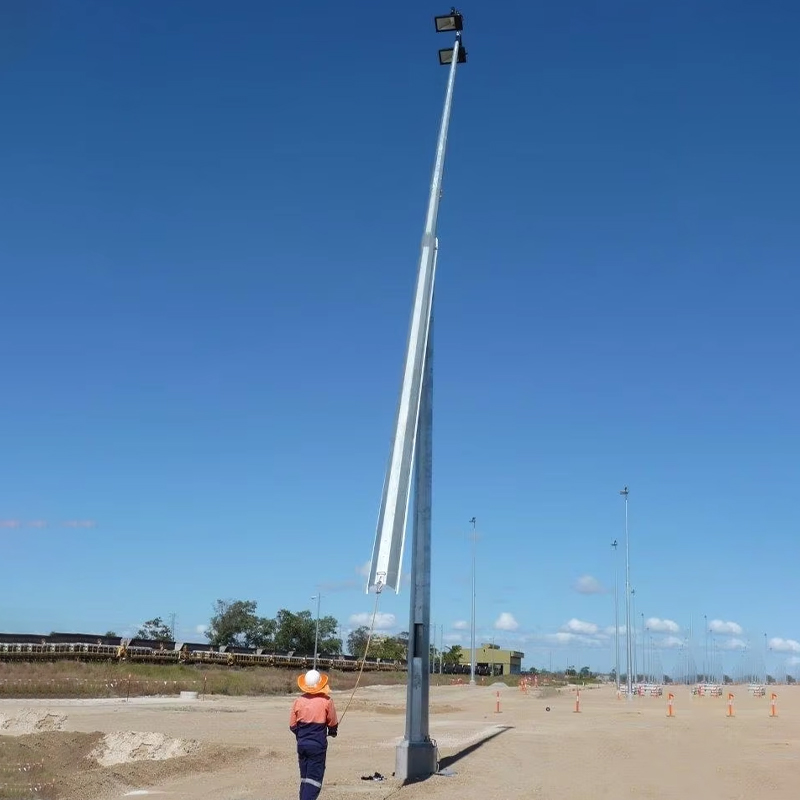 3 to 16M Galvanized Steel Hinged Poles
Contact us
180 meters south of the intersection of Nanbei Avenue and Xuba Road, Gaoyou City, Yangzhou City, Jiangsu Province, China.
+86-18811954888
ddk@cnddk.net
 English
 русский
 Español
 عربى
عربى

