
call us
+86-18811954888
2026-03-11
Steel light poles are produced across a wide range of structural configurations, surface treatments, and cross sectional profiles. Each combination of these design choices is optimized for the specific load conditions, aesthetic expectations, and service environment of a defined application category. Selecting a pole type that is mismatched to its environment results in either premature structural failure or unnecessary cost from over specification relative to what the application actually demands.
Steel street light poles are the most widely deployed category of outdoor lighting poles globally, numbering in the hundreds of millions across municipal road networks in every country. These poles carry the luminaires that illuminate vehicle carriageways, pedestrian footpaths, cycling lanes, and public spaces, and they must meet the technical standards set by municipal lighting authorities for mounting height, wind load resistance, luminaire arm compatibility, and aesthetic integration with the surrounding urban environment.
Standard street light poles for urban and suburban road lighting are most commonly produced in the 6 to 12 meter height range. Eight meter poles dominate residential street applications, while 10 and 12 meter poles are the standard for arterial roads and main thoroughfares where greater pole spacing is needed to reduce the total infrastructure count. The structural cross section is typically a tapered round or octagonal profile, wider at the base where bending stress is highest and narrowing progressively toward the luminaire mounting point at the top. A standard 10 meter steel street light pole for arterial road use is typically designed to withstand wind loads of 38 to 45 meters per second at the luminaire mounting point, with safety factors of 1.5 to 2.0 above the design wind speed built into the structural calculation per the applicable national lighting pole standard.
Steel grade selection for street light poles follows the height and design load: structural steel with a minimum yield strength of 235 MPa is adequate for shorter poles below 8 meters in moderate wind zones, while 355 MPa high strength structural steel is the common choice for 10 meter and taller poles, where the higher strength allows thinner wall sections that reduce pole weight and material cost without compromising structural performance.
Outdoor steel light poles for commercial parking areas, retail forecourts, sports facilities, and recreational spaces occupy a specification range distinct from municipal street lighting in their emphasis on architectural appearance, multi luminaire mounting capacity, and the ability to achieve high illuminance levels across large open areas. Parking area poles range from 8 to 15 meters, with the choice of height within that range determined by the area dimensions, the luminaire output, and the desired pole spacing.
Sports lighting poles represent the upper end of the outdoor steel pole specification range in terms of structural complexity and height. Poles for football, athletics, tennis, and rugby lighting routinely reach 15 to 25 meters, and at major competition venues and stadia, lighting masts extend to 40 meters and above. These poles carry multiple high power luminaire assemblies whose combined weight can exceed 200 kilograms at the pole top, and they must maintain precise aiming accuracy throughout their service life because any pole deflection at the mast head directly degrades the illuminance uniformity and glare control performance of the lighting installation below.
Industrial steel light poles serve refineries, chemical plants, port facilities, mining operations, food processing facilities, and other heavy industrial environments where the demands on the pole structure exceed those of standard outdoor commercial applications. Industrial environments impose requirements related to chemical exposure, vibration from heavy machinery, the need to support maintenance access platforms, and in classified hazardous areas, specific earthing and electrical isolation specifications.
Industrial steel light poles installed in chemical plant and refinery environments are typically specified with corrosion protection systems combining hot dip galvanizing with epoxy primer and polyurethane topcoat paint, providing a combined protection service life of 15 to 25 years in moderately to severely corrosive industrial atmospheres. In highly aggressive environments such as coastal chemical plants or facilities with acid vapor exposure, triple layer protection systems extend maintenance free service life further, with the trade off of higher initial surface treatment cost and more demanding application quality control requirements during manufacture.
Hot dip galvanizing is the standard surface treatment for outdoor steel light poles across the majority of applications globally, and understanding both its mechanism and its performance characteristics is essential context for any pole selection or maintenance decision. In hot dip galvanizing, the fabricated steel pole is immersed in molten zinc at approximately 450 degrees Celsius, producing a metallurgical bond between the zinc coating and the steel substrate. The resulting coating is not simply a paint or adhesive layer on the steel surface; it is a series of zinc iron alloy layers that are integral to the steel, making the coating mechanically resistant to the abrasion, impact, and handling damage that would rapidly degrade a paint only protective system.
The galvanizing layer protects steel through two complementary mechanisms. Physical barrier protection prevents moisture and oxygen from contacting the underlying steel as long as the zinc coating remains intact. Cathodic protection causes the zinc to corrode sacrificially at any break in the coating, protecting the steel exposed at scratches, cut edges, or mechanical damage points. A standard hot dip galvanized coating of 85 to 100 micrometers on a steel light pole provides a minimum maintenance free service life of 20 to 30 years in a typical urban outdoor environment, and up to 50 years in clean rural inland atmospheres where the environmental corrosivity is low.
Coastal and heavily industrialized environments consume the galvanizing layer faster due to higher concentrations of chloride and sulfur dioxide in the atmosphere. In these environments, the same 85 to 100 micrometer coating may be depleted within 12 to 18 years, making earlier inspection and maintenance intervention necessary to prevent the underlying steel from corroding once the zinc protection is exhausted.
Pole height is the single most consequential design decision in any outdoor lighting scheme because it determines pole spacing, luminaire wattage, the number of poles required across the full installation area, and the visual character of the illuminated environment. Choosing the correct height produces a system that delivers the required illuminance levels efficiently with the minimum number of poles. Choosing incorrectly results in either excessive pole density and unnecessary infrastructure cost, or luminaires that cannot achieve adequate coverage uniformity despite high power consumption.
The maximum spacing between outdoor light poles is directly proportional to the luminaire mounting height. A widely applied design rule across road and area lighting is that maximum pole spacing should not exceed 3 to 4 times the mounting height to maintain adequate illuminance levels and uniformity between poles. A 10 meter pole can therefore support pole spacings of 30 to 40 meters; a 15 meter pole, spacings of 45 to 60 meters. This relationship means that taller poles cover larger ground areas, reducing the total number of poles required for a given installation area and the associated foundation, cable, and installation cost.
The optimal mounting height for most outdoor lighting applications balances adequate coverage area against two competing constraints: glare control and structural cost. At very high mounting heights, the luminaire output must be very high to achieve adequate illuminance at ground level, increasing luminaire cost and energy consumption. At low mounting heights, the luminaire covers a smaller area and must be repeated at shorter intervals, increasing pole and civil works cost. The optimal height minimizes the combined cost of luminaires, poles, foundations, and cabling across the full installation.
As pole height increases, the structural demands escalate rapidly because the wind overturning moment increases with the square of the height and the lever arm from the luminaire attachment point to the foundation grows longer. Wall thickness, base diameter, and anchor bolt requirements all scale with height and must be determined by formal structural calculation for any pole above approximately 8 meters.
A 20 meter steel pole designed for a 40 meter per second wind speed carrying a 30 kilogram luminaire array typically requires a base wall thickness of 6 to 8 millimeters, a base outer diameter of 250 to 350 millimeters, and an anchor bolt circle diameter of 300 to 450 millimeters. A 30 meter pole under the same wind conditions requires substantially heavier construction, typically a base wall thickness of 10 to 14 millimeters and base diameter of 400 to 500 millimeters, reflecting the sharply higher overturning moment at the greater height. These structural parameters must be confirmed by a qualified structural engineer for every permanent pole installation, not estimated from general tables.
| Application | Typical Height | Max Pole Spacing | Target Illuminance | Typical Base Diameter |
|---|---|---|---|---|
| Residential street | 5 to 8 m | 20 to 30 m | 5 to 15 lux | 100 to 150 mm |
| Arterial road | 8 to 12 m | 30 to 45 m | 15 to 30 lux | 150 to 200 mm |
| Parking area | 8 to 15 m | 30 to 50 m | 20 to 50 lux | 150 to 220 mm |
| Sports field | 15 to 25 m | Field perimeter | 200 to 2,000 lux | 250 to 350 mm |
| Industrial yard | 20 to 40 m | 60 to 120 m | 20 to 100 lux | 350 to 500 mm |
Correctly installing outdoor steel light poles is a multistage process that begins with site investigation and foundation design and concludes with verification of the installed pole's structural integrity and electrical commissioning. Each stage has specific requirements that determine whether the installation will be safe, durable, and compliant with the structural and electrical standards applicable to the jurisdiction and application. Skipping or shortcutting any stage creates risk that does not become apparent until years later when a pole shows unexpected deterioration or, in serious cases, structural failure.
Before any groundwork begins, the site at each proposed pole location must be investigated for soil bearing conditions, underground services, groundwater level, and site access constraints. Soil investigation determines the bearing capacity of the ground, which directly governs the foundation design: competent granular or cohesive soils support standard concrete pad foundations, while poor soils, filled ground, or high groundwater locations may require enlarged foundations, piled solutions, or specialist foundation engineering.
A formal geotechnical investigation report specifying soil bearing capacity and classification is a mandatory input to foundation structural design for poles above 8 meters under most national lighting pole structural standards. Proceeding with foundation design without adequate soil data produces designs that are either dangerously under specified for weak soils or wastefully over specified for strong soils, in both cases representing a failure of professional practice that carries liability consequences for the designer and the installation contractor.
The anchor bolt foundation is the standard method for permanent outdoor steel light poles above 6 meters. A reinforced concrete foundation block is cast in the ground with a group of anchor bolts projecting above the finished surface level, onto which the pole base plate is lowered and secured. The following sequence describes the complete construction and erection process:
For steel light poles in the 4 to 7 meter range, direct burial installation is simpler and faster than the anchor bolt method. The pole base is embedded directly in a concrete foundation without a separate base plate or bolt pattern; the concrete transfers loads to the soil through bearing on the block perimeter. The minimum burial depth for direct burial poles is typically 10 percent of the pole height plus 600 millimeters in standard soil conditions, giving a 1.2 meter minimum burial for a 6 meter pole. Poor soils, high water tables, or high wind zones all require increased burial depth or enlarged foundation dimensions calculated by the structural engineer.
Steel light poles represent substantial capital investment and are designed for service lives of 30 to 50 years. Achieving that design life requires systematic maintenance that catches and addresses the deterioration processes acting on pole surfaces and structures before they progress to expensive structural damage. The good news for asset managers is that maintenance requirements for steel light poles are neither technically complex nor time intensive if carried out on the right schedule. The challenge is maintaining the discipline to inspect and treat poles consistently over their multi decade service life, since the consequences of neglect accumulate slowly and silently until they produce sudden failure or the need for costly early replacement.
Every pole in a lighting installation should be visually inspected at least once annually, with additional inspections after extreme weather events, vehicle collisions, or nearby construction activity. The annual inspection covers the following areas:
More thorough structural assessment should be carried out at five and ten year intervals as part of a formally documented maintenance program. The five year assessment should include quantitative measurement of galvanizing coating thickness using a portable magnetic thickness gauge at multiple locations around the pole circumference, with particular attention to the lower pole section and any areas where coating damage has been noted in previous annual inspections.
A galvanizing thickness below 50 micrometers at any measured location indicates that the protective layer has been sufficiently depleted that steel corrosion may begin within 5 to 10 years without intervention. At this point, applying a zinc rich primer over the remaining galvanizing followed by an appropriate paint topcoat extends the protective life by a further 10 to 15 years at a cost typically 15 to 25 percent of full pole replacement, making maintenance the economically sound choice in the majority of cases.
The ten year assessment should include careful excavation around the pole base to expose the buried section for inspection and coating measurement. Buried steel is frequently subject to more aggressive corrosion than the above ground section, due to soil moisture, oxygen concentration gradients, and in some soils, accelerated electrochemical corrosion from acidic or chloride bearing soil chemistry. Any pole showing significant section loss at the buried section must be assessed by a structural engineer to determine whether the remaining cross section is adequate for the pole's rated loads before service is continued.
Periodic cleaning of pole surfaces removes accumulations of road grime, moss, algae, and bird fouling that retain moisture against the steel surface and can accelerate coating deterioration if left in place for extended periods. Washing with clean water and a mild detergent applied with a soft brush, supplemented by pressure washing for accessible lower sections, is sufficient for routine cleaning without risk of mechanical coating damage. Abrasive cleaning tools and harsh chemical cleaners must be avoided as they can damage galvanizing and paint surfaces.
Any mechanical damage to the pole surface that exposes bare steel must be treated promptly with zinc rich primer followed by the matching topcoat color. Bare steel left exposed for even a few weeks in an urban environment will develop visible red rust, and if left for months or years, will progress to pitting corrosion that requires grinding before effective coating repair is possible. The cost of prompt touch up treatment is a tiny fraction of the remediation cost once corrosion has established itself in a damaged area.
Pairing steel pole infrastructure with modern LED luminaires delivers environmental and economic benefits that neither technology achieves independently. Steel poles provide the structural permanence and load capacity that high quality LED luminaires require to operate precisely at their designed aiming angles across decades of service, while LED technology transforms the energy and maintenance economics of the lighting system built on that steel infrastructure. Together, they represent the current state of the art in sustainable outdoor public and industrial lighting.
High pressure sodium (HPS) lamps were the previous global standard for street and area lighting, achieving luminous efficacies of 80 to 130 lumens per watt. Modern outdoor LED luminaires achieve 150 to 220 lumens per watt, representing a 70 to 100 percent efficacy advantage over the sodium sources they replace. In practical terms, an LED luminaire replaces a 150 watt HPS lamp with a 60 to 80 watt LED product delivering equivalent or superior illuminance on the road surface, reducing energy consumption per luminaire by 45 to 55 percent.
For a municipality operating 10,000 street light poles with 150 watt HPS luminaires at 4,000 burning hours per year, replacing the HPS luminaires with equivalent 70 watt LED products reduces annual energy consumption by 3,200 megawatt hours. At an electricity cost of 0.15 dollars per kilowatt hour, this represents annual savings of 480,000 dollars from luminaire replacement alone, before accounting for reduced maintenance frequency and disposal costs.
Adaptive dimming control further amplifies LED's energy advantage. Dimming street lights to 50 percent output during low traffic late night periods reduces energy consumption by a further 30 to 40 percent during those hours without compromising safety, since the required illuminance levels for low traffic conditions are lower than for peak evening periods. Full LED street lighting systems with adaptive dimming control typically achieve 60 to 70 percent total energy reduction compared to the HPS systems they replace, delivering payback periods of 3 to 7 years depending on local electricity costs and the extent of control system investment.
The environmental case for LED technology on steel pole infrastructure extends well beyond the direct carbon reduction from lower energy consumption, important as that is. LED luminaires offer optical precision that HPS lamps cannot match: the compact geometry of LED arrays allows narrow angle optics that direct light precisely onto the target surface and minimize upward spill light that contributes to sky glow and light pollution affecting both human populations and nocturnal wildlife. Dark sky compliant LED street luminaires with full cutoff optics reduce the upward light component to below 1 percent of total luminaire output, compared to 10 to 20 percent from conventional HPS bowl luminaires.
HPS lamps contain mercury, a regulated hazardous material requiring controlled disposal at end of lamp life. LED luminaires contain no mercury in their light generating components, eliminating the hazardous material disposal requirement for routine lamp replacement programs. LED rated service lives of 50,000 to 100,000 hours at the 70 percent lumen maintenance threshold also mean that far fewer lamp changes are required over the service life of the pole, reducing waste generation, reducing maintenance vehicle trips and their associated fuel consumption, and reducing the disruption to traffic and pedestrians from maintenance operations in occupied road and path environments.
Steel poles also integrate well with off grid solar LED lighting systems where grid connection is impractical or uneconomic. A photovoltaic panel mounted at or near the pole top charges a battery system, typically housed within the pole base or in an adjacent enclosure, which powers an LED luminaire through the night cycle via a charge controller. These systems are especially valuable in remote rural locations in developing regions where extending the grid to individual pole positions would cost more than the entire solar system, and in temporary or emergency lighting applications where a rapid deployment lighting network must operate independently of existing infrastructure.
| Application | Pole Height | LED Wattage | Replaced HPS Wattage | Energy Saving | LED Service Life |
|---|---|---|---|---|---|
| Residential street | 6 to 8 m | 30 to 50 W | 70 to 100 W | 50 to 60% | 60,000 to 100,000 hr |
| Arterial road | 10 to 12 m | 80 to 120 W | 150 to 250 W | 50 to 55% | 60,000 to 100,000 hr |
| Parking area | 8 to 15 m | 100 to 200 W | 250 to 400 W | 55 to 65% | 50,000 to 80,000 hr |
| Sports field (training) | 15 to 20 m | 200 to 400 W per fixture | 400 to 1,000 W per fixture | 50 to 60% | 50,000 to 70,000 hr |
| Industrial yard | 20 to 40 m | 300 to 600 W per fixture | 400 to 1,000 W per fixture | 40 to 55% | 50,000 to 80,000 hr |
The category of steel light poles with adjustable height and angle has grown significantly in response to demand for flexible lighting solutions in construction sites, temporary events, emergency response, agricultural operations, and infrastructure maintenance scenarios where fixed permanent pole installations cannot respond to changing illumination requirements. Adjustable poles serve genuine operational needs and in many cases reduce total system cost compared to the alternative of installing and removing fixed poles at each location where temporary lighting is required.
Telescoping steel light poles use a nested multi section tube assembly in which inner sections slide within outer sections, allowing the overall pole height to be adjusted continuously between a minimum collapsed height and a maximum fully extended height. The extension mechanism may use a manual winch with a locking clamp for smaller poles, a powered electric or pneumatic winch with a steel cable running through the pole for taller applications, or a hydraulic ram system for the heaviest industrial telescoping masts. Once the target height is reached, the position is locked via a clamping ring, a locking pin through pre drilled positions, or a hydraulic lock that maintains the extended configuration against operational wind and luminaire loads.
Commercial telescoping steel light poles for event and temporary use are commonly available with adjustment ranges from 4 meters fully collapsed to 12 to 15 meters fully extended, providing a 3:1 or greater height ratio from a single physical pole structure. This adjustment range allows the same equipment to serve tasks as different as intimate outdoor event perimeter lighting at 5 to 6 meters and large venue or construction site area lighting at 12 to 15 meters, without requiring additional infrastructure for each application.
For permanent high mast poles in industrial and port applications, a raising and lowering system built into the pole structure allows the entire luminaire ring to descend to ground or near ground level for maintenance. The luminaire assembly, with its electrical cables managed on an internal drum or through a coiled cable system, lowers to 1 to 2 meters above ground for convenient lamp servicing, cleaning, and inspection, then is raised back to its operational height of 25 to 40 meters after maintenance is complete. This lowering system reduces the maintenance cost per luminaire service visit by 60 to 80 percent compared to maintaining luminaires at full height using elevated access platforms or crane access, making the additional capital cost of the raising and lowering mechanism economically justified for any high mast installation requiring periodic luminaire maintenance.
Independent of height adjustment at the pole body itself, the mounting arm and bracket systems available for steel light poles provide angular adjustment capability that allows precise luminaire aiming in both the horizontal and vertical planes. Standard municipal street light poles accept single or double arm brackets factory set at standard outreach angles, but adjustable brackets allow the luminaire to be rotated and tilted at the installation to align with the specific road geometry, area shape, or obstacle pattern of each unique site.
For sports lighting applications, adjustable luminaire mounting brackets are essential rather than optional. Sports lighting design is a precision engineering exercise in which the aiming angle of each individual luminaire at each pole position is calculated to achieve the required illuminance distribution and uniformity across the playing surface. Adjustable mounting brackets typically allow horizontal rotation through plus or minus 180 degrees and vertical tilt from 0 to 90 degrees from horizontal, giving the commissioning team full freedom to match the actual installed aiming angles to those specified in the photometric design without moving poles or ordering replacement brackets with different geometry.
In security and perimeter monitoring applications, steel poles with independently adjustable mounting positions for both luminaires and camera or sensor equipment allow a single pole structure to carry a complete integrated lighting and surveillance system. The ability to adjust the luminaire and camera aiming angles independently optimizes the performance of both subsystems from a single structural asset, reducing the total pole count, foundation count, and cable network complexity of a combined system compared to separate lighting and surveillance pole networks.
Portable steel light pole systems combine height adjustability with base designs that allow erection without permanent concrete foundations. These systems use ballasted base plates, weighted tripod frames, or driven ground spike anchors that provide adequate lateral stability for temporary installation under the wind conditions expected at the deployment site, without requiring excavation, concrete work, or anchor bolt installation.
Construction site lighting is the largest single application for portable steel pole systems. Illumination requirements change continuously as the project progresses from earthworks through structure construction to building envelope and internal fitting out, and poles must be relocated repeatedly to maintain coverage of each successive active work area. Portable steel pole sections that can be assembled, positioned, and disassembled by a two person crew in less than an hour, using no tools other than standard spanners and a mallet, dramatically reduce the time and cost of maintaining adequate lighting at each stage of a construction program compared to installing and decommissioning fixed pole infrastructure at each location.
Temporary event venues including outdoor markets, festivals, concerts, and emergency response camps also rely on portable steel lighting pole systems. These events require rapid setup before the event and complete removal with no permanent marking of the site afterward. Portable poles with battery backed or generator connected LED luminaires provide high quality illumination for event duration, then fold down and load onto a standard truck for transport to the next deployment without the permanent footprint of a fixed lighting installation.
Procuring steel light poles without a complete and precise specification produces proposals from different suppliers that cannot be meaningfully compared, and risks delivery of poles that technically comply with the specification as written but do not perform as intended in service. A well structured specification captures all the technically relevant parameters in quantitative terms, references the applicable design standards, and defines the quality verification requirements that must be satisfied before poles are accepted for installation. The following framework covers the key parameters that must be defined for any steel light pole procurement of substance.
Beyond the technical specification itself, the procurement process for permanent installations should require suppliers to provide material test certificates confirming steel grade compliance, galvanizing inspection certificates confirming coating thickness, factory quality accreditation evidence such as ISO 9001 certification or equivalent, and structural calculation reports stamped by a qualified engineer confirming the pole design meets the specified loads per the referenced standard. These documents allow the buyer to verify that what was specified is what was manufactured and delivered, and to maintain the documentation record needed to support future maintenance decisions and end of life asset management choices over the pole's multi decade service life.
Steel light poles that are correctly specified, sourced from qualified manufacturers, installed on properly designed foundations, fitted with modern LED luminaires, and maintained on a consistent inspection and treatment schedule deliver outdoor lighting infrastructure that serves its intended function reliably for 30 to 50 years. The investment in getting the specification and procurement process right before the first pole is ordered is returned many times over in avoided premature replacement costs, avoided maintenance emergencies, and the confidence that the lighting infrastructure serving public roads, commercial areas, and industrial operations will perform safely and efficiently across its full designed service life.
Related Products
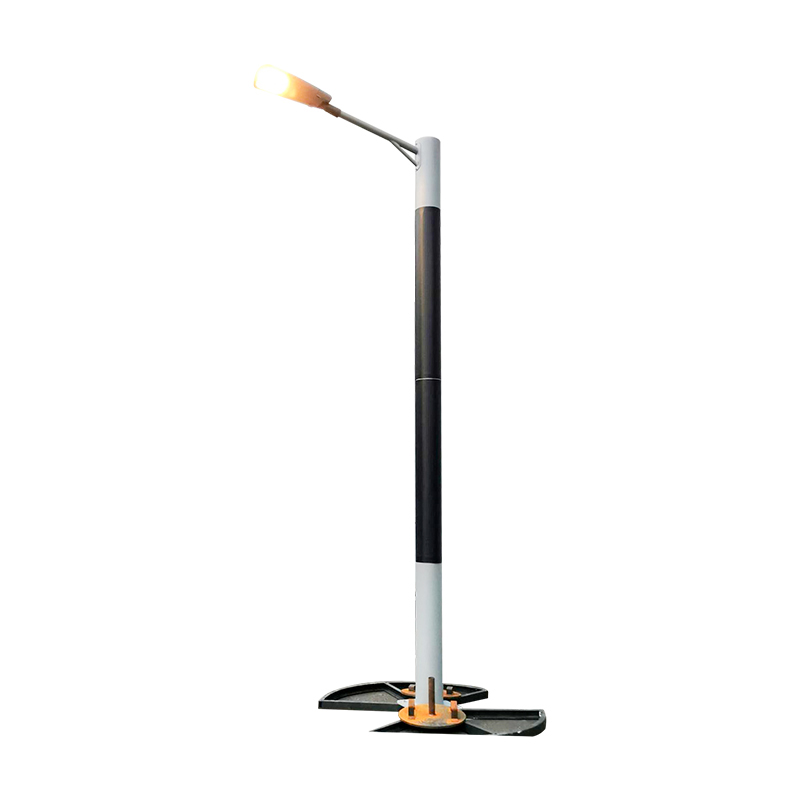 DDK-SSPL-2000 Cylinder Solar Pole Single/Double Arms And Street LED Lamps
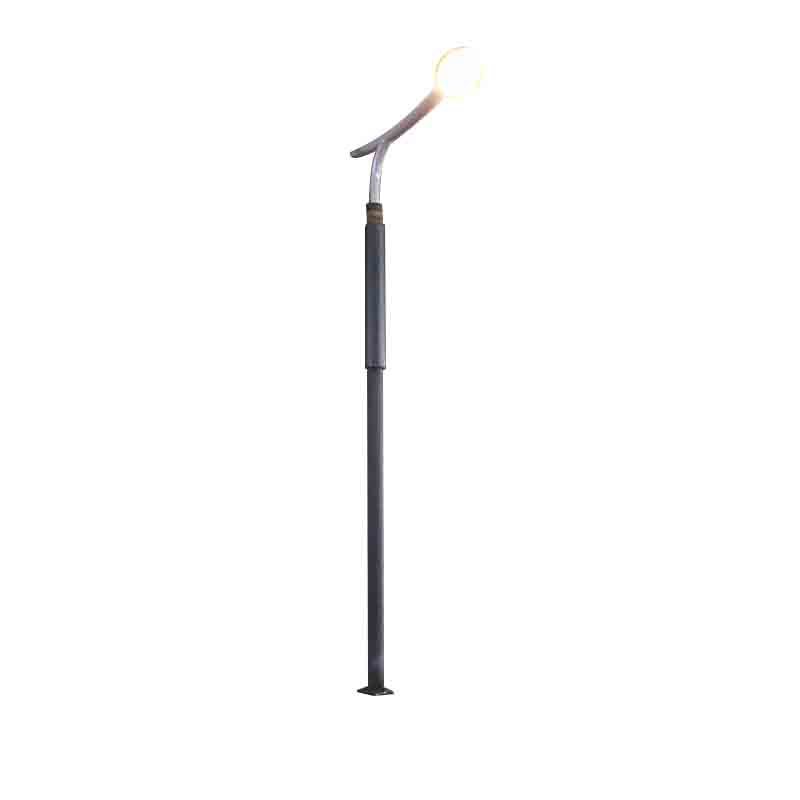 DDK-SSPL-2002 Cylinder Solar Pole With Lamp Head
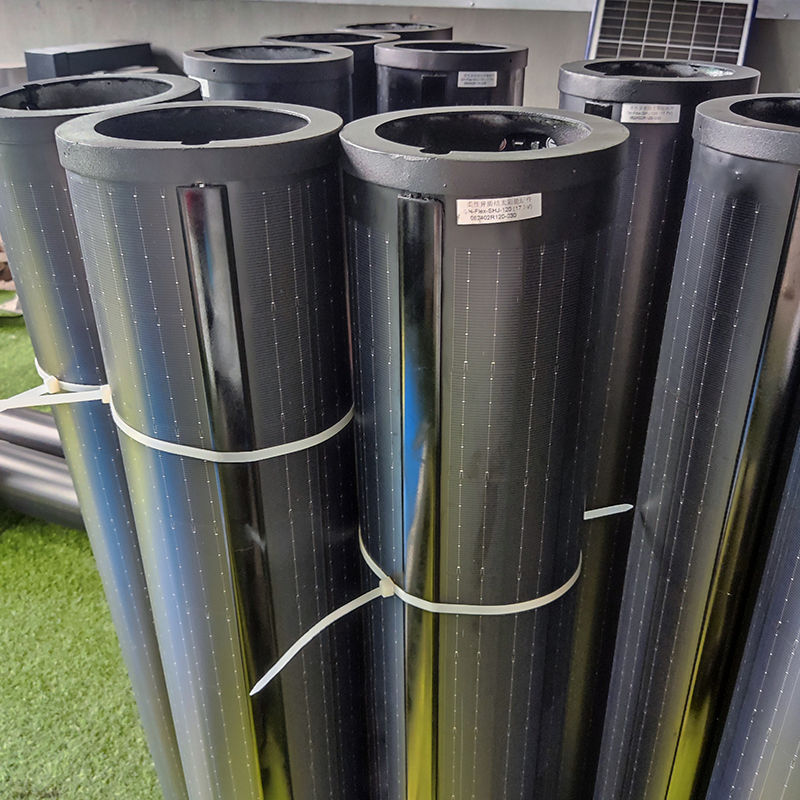 140W Flexible Solar Panel: High-Performance, Elegant and Versatile Power Solution for Lighting Poles and Park Lightings
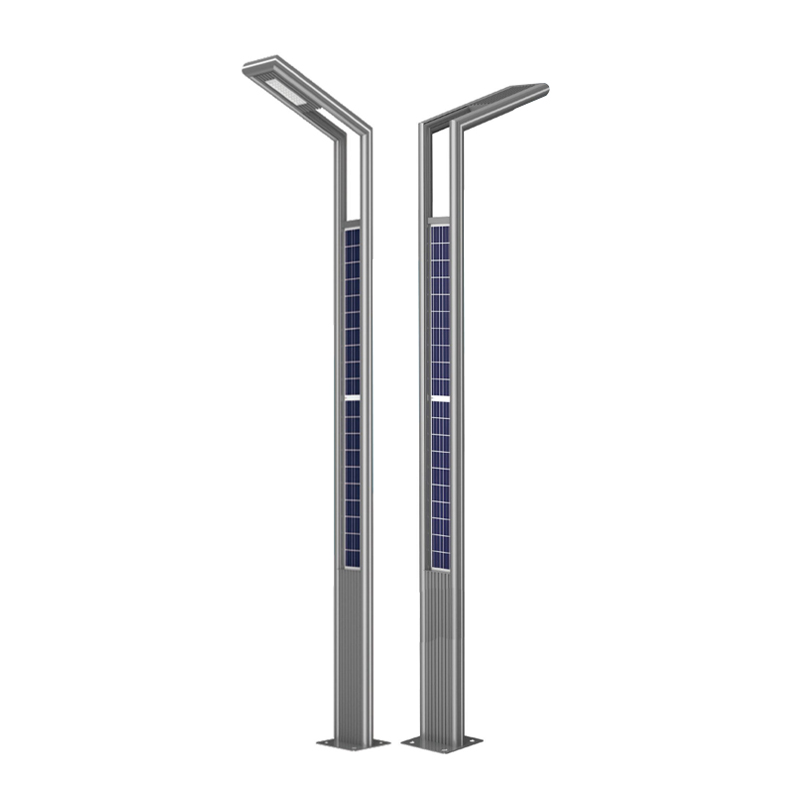 DDK-GN003 Double Sides Integrated Solar Aluminium Pole
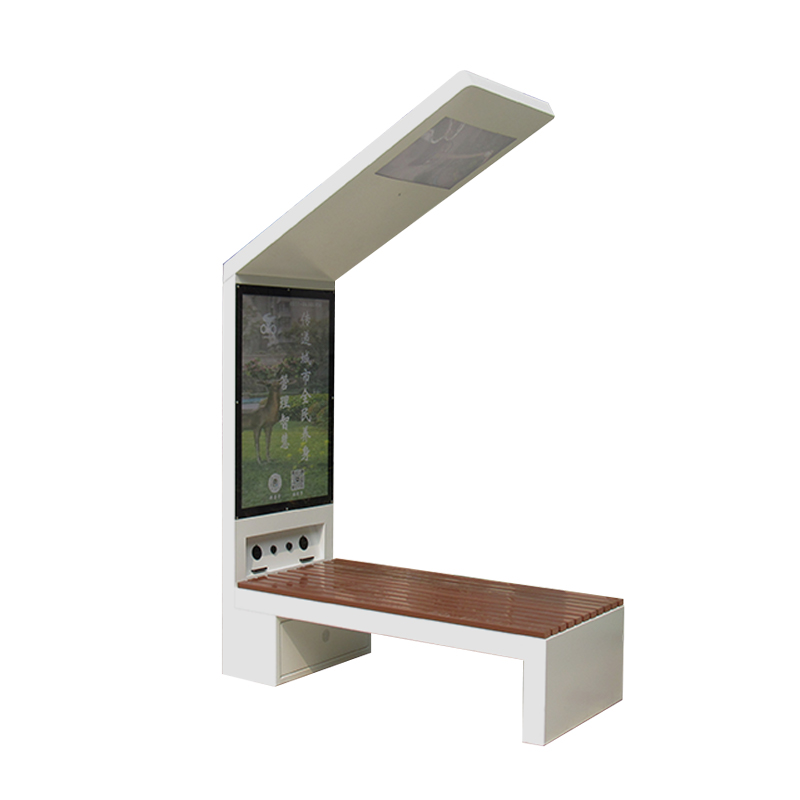 DDK-2000A Charging WIFI Solar Bench Outdoor Bench with Roof on the Top
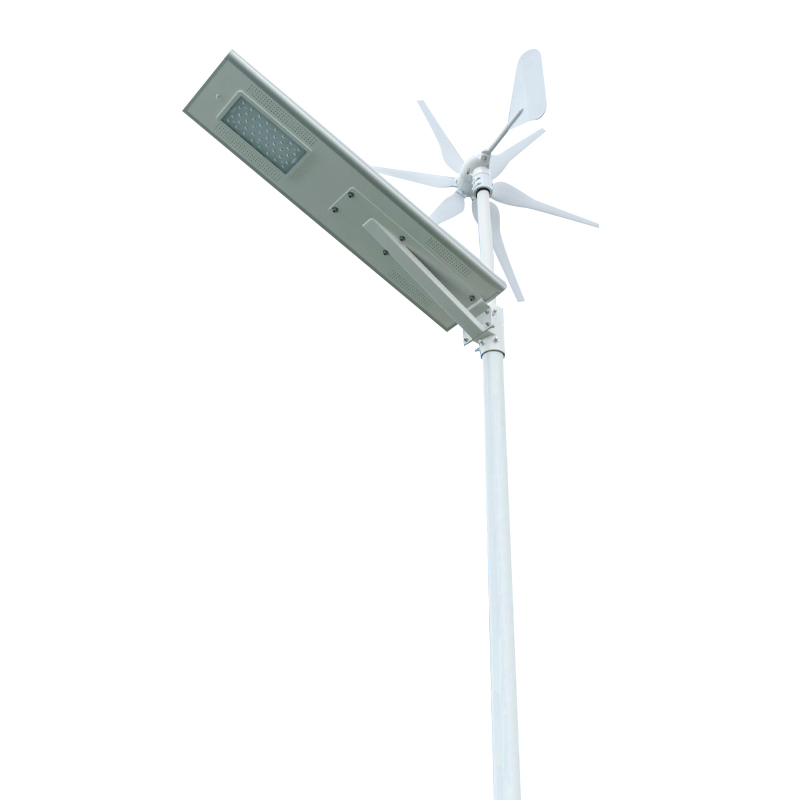 DDK G01 Solar&Wind Hybrid Integrated Optical Lens Solar All in One Light
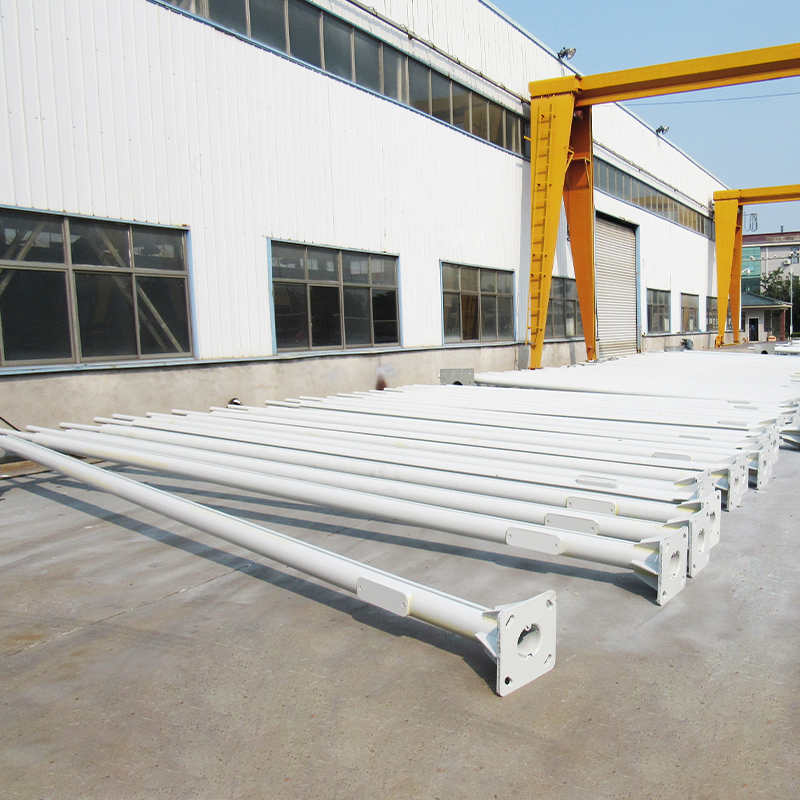 Customized Round Hexagon Octagonal Square Steel Street Light Poles for Outdoor Lightings
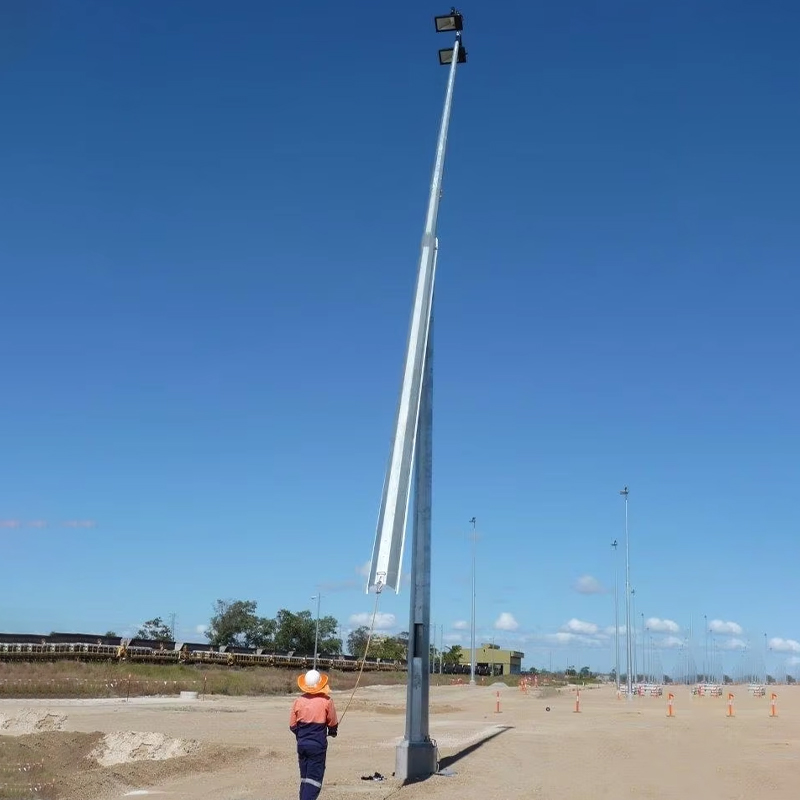 3 to 16M Galvanized Steel Hinged Poles
Contact us
180 meters south of the intersection of Nanbei Avenue and Xuba Road, Gaoyou City, Yangzhou City, Jiangsu Province, China.
+86-18811954888
ddk@cnddk.net
 English
 русский
 Español
 عربى
عربى

