
call us
+86-18811954888
2026-08-27
If you are planning a street lighting project, one of the first numbers you will search for is the street light cost. Most online answers give you a single range, usually between $2,000 and $3,000 for a complete fixture, and then move on. That figure is not wrong, but it hides the details that actually determine your budget. A bare LED street light head can cost as little as $100, while a fully integrated solar street light with a galvanized steel pole, battery, controller, and smart controls can exceed $3,500. The difference matters because a city or a private developer does not buy "a street light"—they buy a system that must survive local weather, meet photometric requirements, and operate for decades. This article breaks down the street light cost into its real components: the luminaire, the pole, the installation, the energy consumption, and the maintenance. You will also learn where upfront savings can turn into long-term losses, and why the cheapest option is rarely the most economical one.
A complete street light cost estimate includes more than the lamp you see at the top of the pole. To create a realistic budget, you need to account for five major components:
Many buyers compare only fixture prices and miss the fact that a pole and foundation can account for 40% of the total project cost. If you are evaluating a project budget, ask your supplier for a full bill of quantities rather than a per-fixture price. This is especially important for municipal tenders, where the total street light cost includes civil works that are not visible in the product catalog.
The luminaire is the core of the system, and its price varies significantly by technology. The table below summarizes typical price ranges for the three most common types of street light fixtures.
| Fixture Type | Typical Power Range | Unit Price Range (USD) | Typical Service Life |
|---|---|---|---|
| High Pressure Sodium (HPS) | 150W - 400W | $80 - $200 | 12,000 - 24,000 hours |
| LED Street Light | 40W - 200W | $100 - $500 | 50,000 - 100,000 hours |
| Solar All-in-One LED | 30W - 120W LED (with PV panel and battery) | $300 - $1,200 | LED: 50,000+ hours; battery: 5-8 years |
| Separated Solar Street Light | 30W - 150W LED | $500 - $2,500 | LED: 50,000+ hours; battery: 5-8 years |
LED is now the default choice for new street lighting projects in most countries. A quality LED street light fixture from a reliable manufacturer typically costs between $100 and $500 for the luminaire alone. The wide range reflects differences in wattage, optical design, surge protection, ingress protection (IP) rating, and smart controls. A basic 60W LED street light for a residential road can be found at the lower end, while a 200W LED fixture with a tool-free opening design, photocell, and surge protection for a highway will sit near the upper end.
When comparing LED fixtures, pay attention to the following specifications that influence both price and performance:
For example, the DDKLD121 series LED street light is a good reference point: it is available from 40W to 200W, uses a high-efficiency LED module, and is designed for outdoor installation with a robust housing. When you receive a quote, ask whether the price includes a photocell, a surge protection device, and the mounting bracket. Some suppliers quote a bare fixture and add these items later, which changes the effective street light cost.
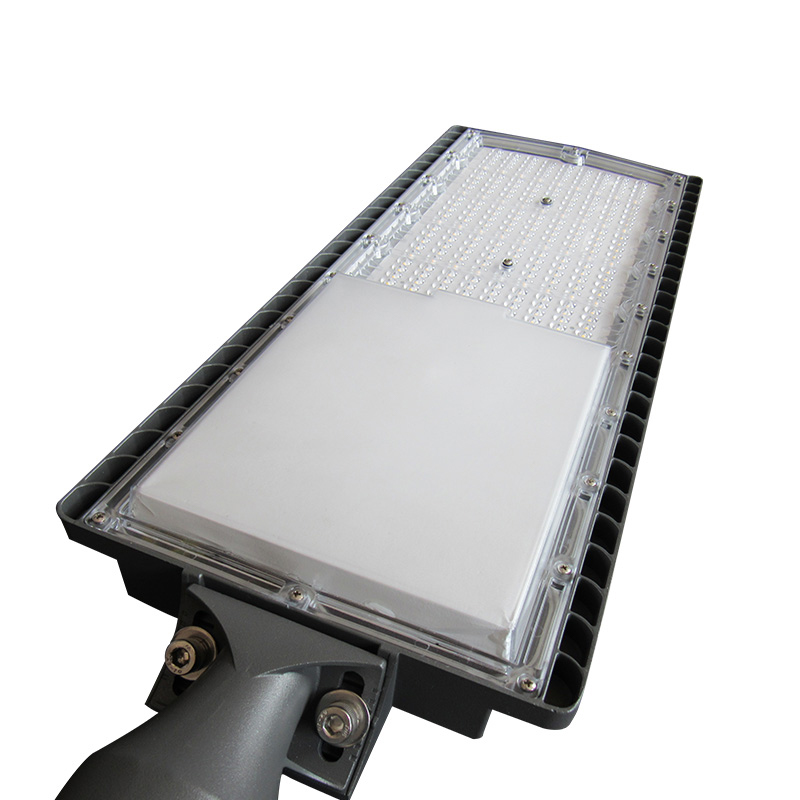 Wholesale DDK-LD121 40-200W LED Street Light High Efficiency Outdoor Lamps SupplDDK Tech Elecfacility Yangzhou Co., Ltd. is China wholesale DDK-LD121 40-200W LED Street Light High Efficiency Outdoor Lamps suppliers an...View Product →
High pressure sodium (HPS) fixtures are still present in many existing street lighting networks, but they are rarely the first choice for new projects due to lower efficacy and shorter lifespan. An HPS fixture with a 150W to 400W lamp typically costs $80 to $200. Maintenance is the hidden cost: HPS lamps need replacement every 12,000 to 24,000 hours, and the ballast or ignitor can fail before the lamp does. When you calculate the total cost of ownership over 10 years, an HPS fixture is often more expensive than an LED fixture even though the upfront purchase price is lower. As a reference, HPS lamps in the 150W to 400W range are still available for industrial and urban applications where replacement parts are already established in the existing infrastructure.
Solar street lights are the fastest growing segment, especially for roads without reliable grid access and for projects aiming at lower operational costs. There are two main configurations:
The street light cost of a solar system depends heavily on the configuration of the solar panel and battery. A design for one or two consecutive cloudy days will cost significantly more than one designed for sunny weather, because the battery capacity and solar panel area must be larger to provide the required autonomy. For example, a separated solar pole light for village and wall installation can be customized in height and power output, which directly affects the system price. If you are in a region with long rainy seasons, specify the autonomy requirement in your tender document so that the supplier can size the battery correctly. Otherwise, you may receive a low-cost system that fails in the third consecutive overcast day.
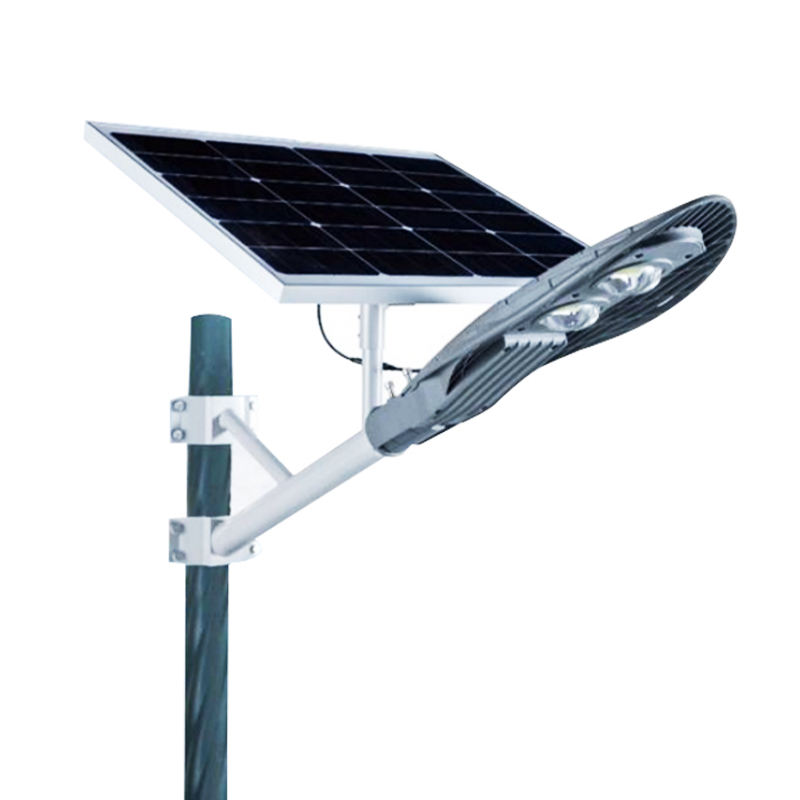 Wholesale DDK-VILLAGE Solar Pole Lights for Village and Wall Installation SuppliDDK Tech Elecfacility Yangzhou Co., Ltd. is China wholesale DDK-VILLAGE Solar Pole Lights for Village and Wall Installation suppliers and...View Product →
The pole is often neglected in basic street light cost articles, but it represents a substantial part of the total budget. A steel street light pole costs between $150 and $900 depending on height, wall thickness, shape, and coating. For high-mast poles or poles with special shapes, the price can go considerably higher.
The most common pole variations and their price drivers are:
For example, a 3 to 16 meter galvanized steel hinged pole offers a practical balance between durability and maintenance convenience. The hinged design allows the luminaire to be lowered to ground level, which reduces the cost of future maintenance because you do not need a bucket truck for every lamp change. When evaluating pole prices, always include the base plate, anchor bolts, and the cover. Some suppliers list a "pole only" price and exclude these necessary accessories, which can increase the street light cost by 10% to 15% once added.
Solar street lights often require a pole with a larger top diameter to support the solar panel, or a reinforced base to handle the higher wind load created by the panel. If you intend to install a cylinder solar pole with an integrated battery or a separate solar panel, you should confirm with the supplier that the pole has sufficient load-bearing capacity. A well-designed solar pole will include cable management channels and mounting points for the panel and battery box. The cylinder solar pole with street LED lamps is one example where the pole, luminaire, and solar components are designed as a complete system, which simplifies procurement and reduces the risk of mismatched parts on site.
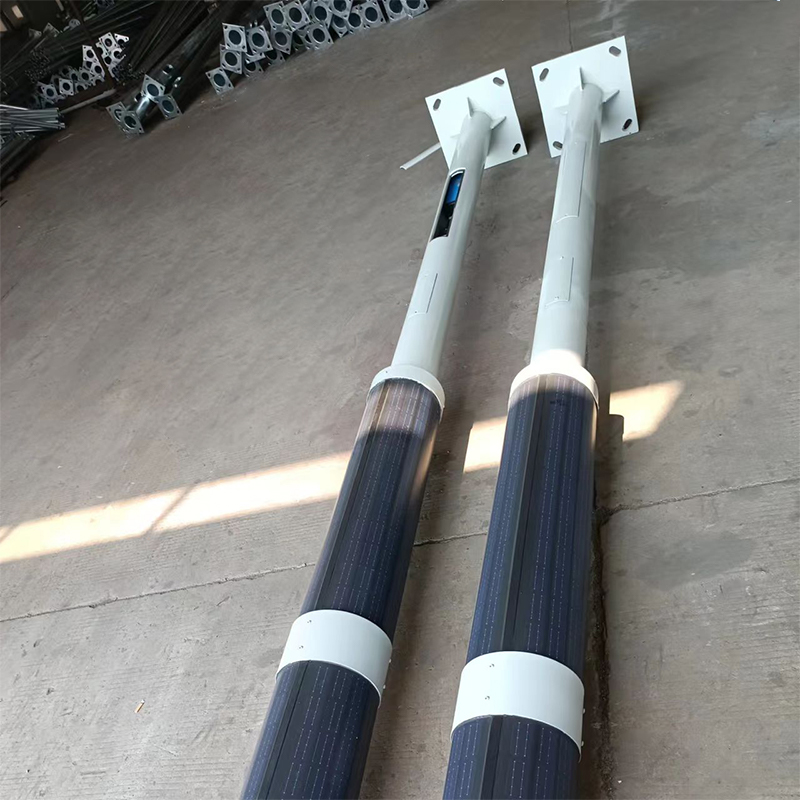 Wholesale DDK-SSPL-2000 Cylinder Solar Pole Single/Double Arms And Street LED LaDDK Tech Elecfacility Yangzhou Co., Ltd. is China wholesale DDK-SSPL-2000 Cylinder Solar Pole Single/Double Arms And Street LED Lamps sup...View Product →
Installation cost is one of the most location-dependent parts of the street light cost equation. In the United States, a typical street light installation costs between $800 and $1,500 per light. In Europe and Australia, labor rates and civil works can push this figure higher. In developing regions, the same installation may cost only $200 to $500, but material quality and workmanship standards vary significantly.
The installation process includes several steps:
The cost of each step depends on local labor rates, soil conditions, and whether the installation is on a new road or a retrofit. A retrofit on an existing road often requires traffic control, night work, or the removal of old foundations, all of which increase the street light installation cost. For highway or bridge installations, the cost is even higher due to stricter safety requirements and the use of specialized equipment.
Operating cost is where LED street lights create the largest savings compared with older technologies. The table below compares the typical monthly energy cost for different street light types based on 12 hours of operation per day at an average electricity rate of $0.15 per kWh.
| System Type | Total Input Power | Monthly Energy Cost (USD) |
|---|---|---|
| HPS 250W (including ballast loss) | ~280W | $15.12 |
| LED 100W | ~110W | $5.94 |
| LED 150W | ~165W | $8.91 |
| Solar LED (no grid connection) | 0W from grid | $0.00 |
The numbers above show that replacing a 250W HPS system with a 100W LED system reduces the monthly energy cost by about $9 per light. Over a year, that is more than $100 per light. For a city operating 10,000 street lights, the annual saving is over $1 million. This simple calculation explains why many municipalities are switching to LED even when the upfront replacement cost is substantial.
Maintenance cost is the second component of the operating expense. It includes lamp replacement, cleaning, pole painting, electrical repairs, and the labor and equipment necessary to access the luminaire. As a rule of thumb, LED street lights require less maintenance because their rated lifetime is four to five times longer than that of HPS lamps. However, LED drivers can still fail, dust can reduce light output by up to 20% in polluted areas, and surge events can damage electronic components.
A practical maintenance strategy should include:
Lowering the street light cost requires a systematic approach rather than simply choosing the cheapest fixture. Based on our experience as a manufacturer of outdoor lighting products, the following methods provide the best balance between upfront cost and long-term value.
A lighting design that uses the correct pole height, spacing, and luminaire wattage can reduce the number of fixtures required for a given road class. A photometric study costs money at the planning stage, but it can save 10% to 20% of the total equipment budget. Instead of buying a 150W fixture for every pole, a properly designed layout may allow a 100W fixture with closer spacing or a taller pole with wider spacing. Do not overspecify the lighting level. Use the relevant roadway lighting standard (such as EN 13201 or the IES recommended practice) to set realistic targets.
When a buyer purchases the pole, the luminaire, and the solar system from three different suppliers, the total street light cost increases due to freight, handling, and compatibility issues. A single supplier who manufactures both the steel poles and the LED fixtures can simplify logistics and reduce the risk of interface problems. Full-system integration also helps when you need custom features, such as specific colors, unique pole shapes, or intelligent controls.
Solar street lights are often quoted as a higher upfront cost, but the street light cost calculation changes when you include excavation for grid cables, transformer connections, and monthly electricity bills. For a remote road where the grid connection cost exceeds $5,000 per light, a solar system with a battery can be more economical from the first day. For a highway near an existing grid, LED grid-connected lights may remain the better choice because of their higher lumen output and lower initial cost.
A good supplier will offer recommendations for spare parts quantities: usually 1% to 2% of total fixtures as spare luminaires, plus extra photocells, and for solar systems, spare charge controllers and battery connectors. Including these spare parts in the initial order reduces the need for urgent purchases later.
Customization is valuable when the project demands it, but the cost increases when you request non-standard voltages, loose wires, or unusual pole colors. Keep the specification as standard as possible, and reserve customization only for elements that affect compliance or visual identity.
To make the numbers more concrete, the following examples show how the street light cost differs across common project types.
A small town wants to replace 500 HPS street lights with LED fixtures on existing poles. The fixture cost for a 60W to 100W LED street light is approximately $150 each. Installation labor is about $100 per light because the pole and bracket already exist. The total equipment and labor cost is roughly $125,000. The energy saving, based on the table above, is approximately $4 to $8 per light per month. The payback period is typically 2 to 4 years depending on local electricity rates.
A new residential area requires 200 complete street lights, including galvanized steel poles, LED fixtures, photocells, and installation. The pole costs about $300, the fixture $150, and installation $600 per point, for a total of about $1,050 per light. The total project cost is around $210,000. This is a realistic scenario for many international projects. Using a customized steel pole with a unique shape would raise the pole cost to $500 or more, increasing the total per-light cost by roughly 20%.
A village project installs 100 separated solar street lights with an 8-meter pole, 120W LED, a 300W solar panel, and a battery capacity designed for three overcast days. The system cost is approximately $1,500 per light, totaling $150,000. There is no monthly electricity bill, and the only maintenance cost is periodic battery replacement after 5 to 8 years. For remote locations with no grid access, this is often the most practical and lowest total-cost solution.
Buyers often focus on the unit price and miss the fact that a low-cost fixture may fail prematurely, deliver inadequate light, or become a safety hazard. When evaluating quotes, consider the following aspects:
For a complete system, the same attention should be paid to the pole material and the battery quality in solar systems. For example, customized steel street light poles in round, hexagonal, octagonal, or square sections can be manufactured to the required wall thickness and galvanization layer, but you should confirm the exact steel grade and zinc coating weight before placing an order. A pole that fails after five years due to insufficient zinc thickness is a complete loss, regardless of how cheap it was.
Here is a practical summary of what to do when preparing a street lighting budget:
The street light cost should be viewed as an investment. A slightly higher upfront cost for a well-designed LED or solar system will often pay for itself through lower energy bills, fewer maintenance visits, and a longer service life. When you request a quotation, share your project requirements and your site conditions, and ask the manufacturer to explain what is included in the price. This kind of transparency is a good sign that you are dealing with a serious partner rather than a reseller who quotes a cheap fixture and then adds surcharges later.
For procurement teams and planning engineers, the key takeaways from this guide are: LED street lights dominate new projects because of their long life and low operating cost; pole cost is substantial and should not be ignored; installation cost varies widely by region and site conditions; and solar street lights are the most economical choice in off-grid locations, especially when you consider the cost of grid extension. Whether your project is a small residential road or a large highway corridor, the same budgeting logic applies: define the performance requirement, design correctly, compare complete system prices, and calculate the total cost of ownership.
Related Products
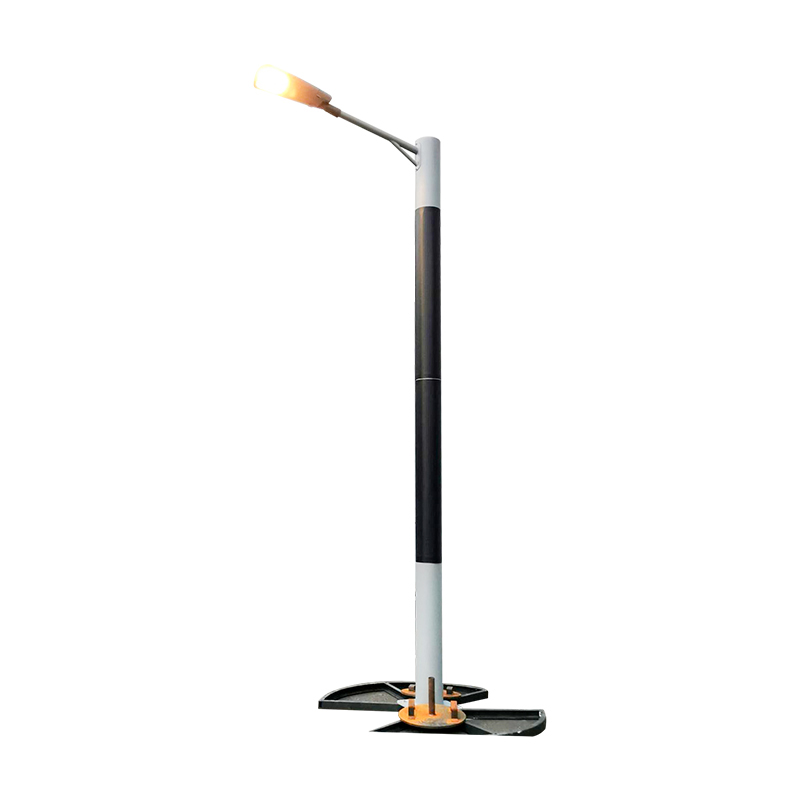 DDK-SSPL-2000 Cylinder Solar Pole Single/Double Arms And Street LED Lamps
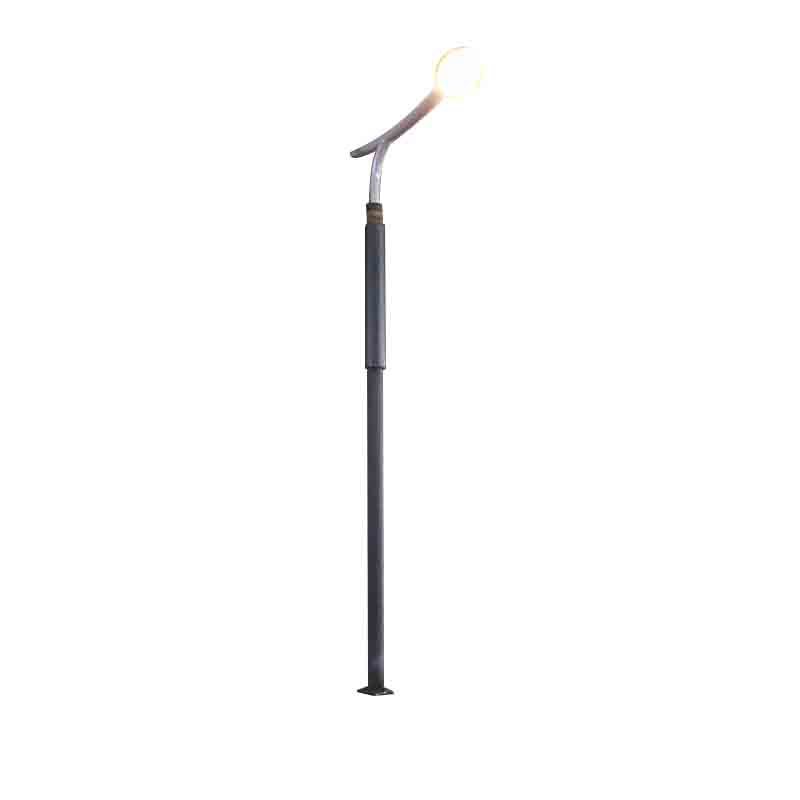 DDK-SSPL-2002 Cylinder Solar Pole With Lamp Head
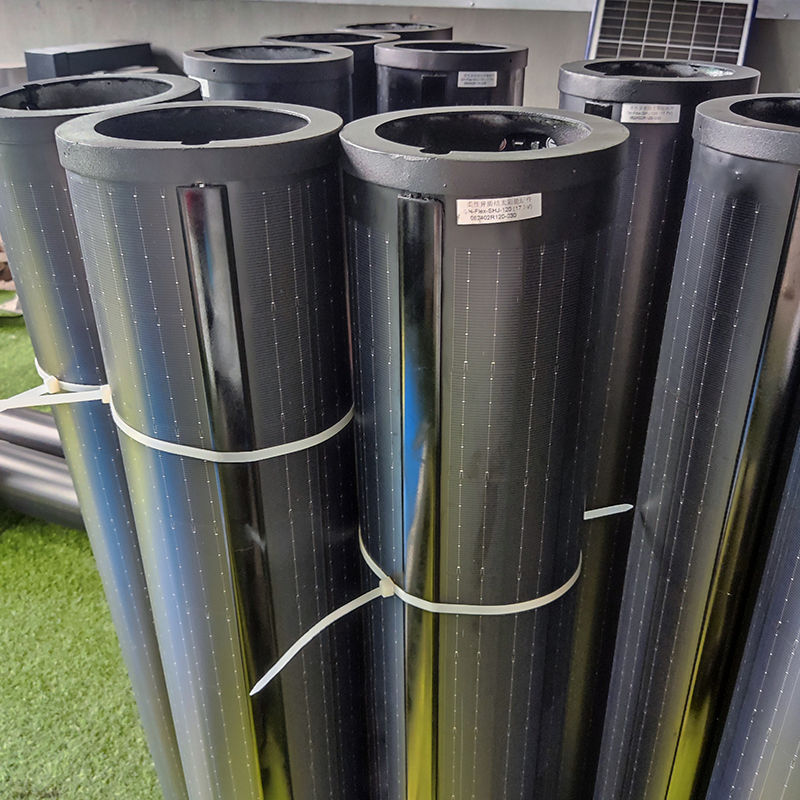 140W Flexible Solar Panel: High-Performance, Elegant and Versatile Power Solution for Lighting Poles and Park Lightings
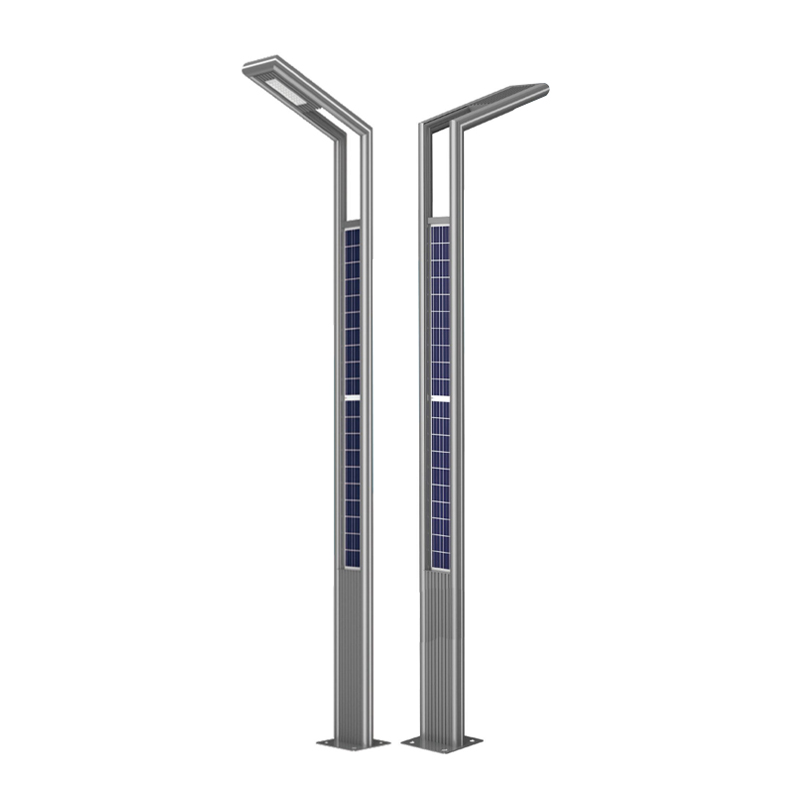 DDK-GN003 Double Sides Integrated Solar Aluminium Pole
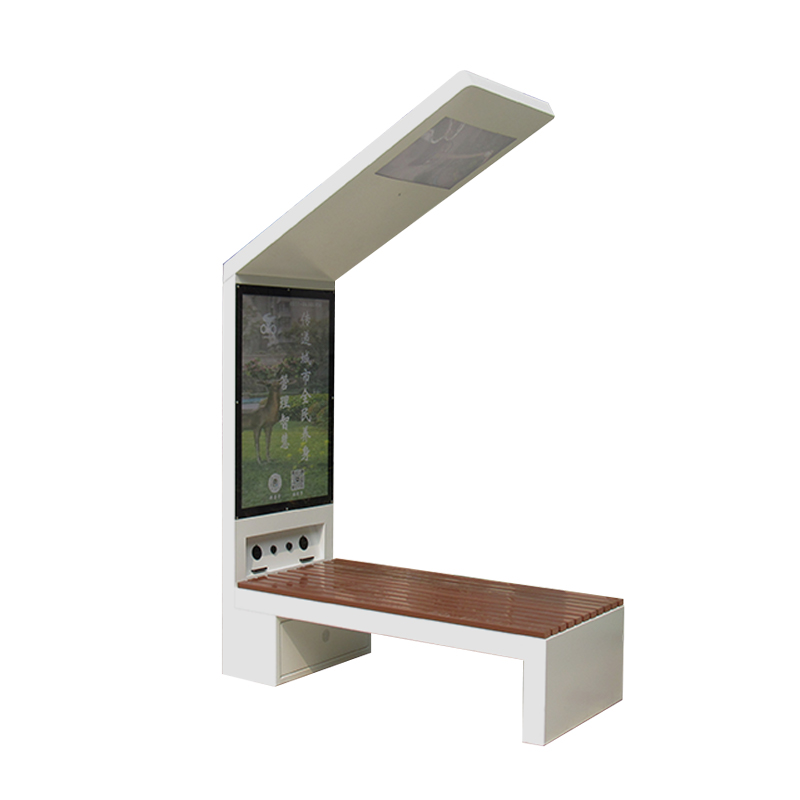 DDK-2000A Charging WIFI Solar Bench Outdoor Bench with Roof on the Top
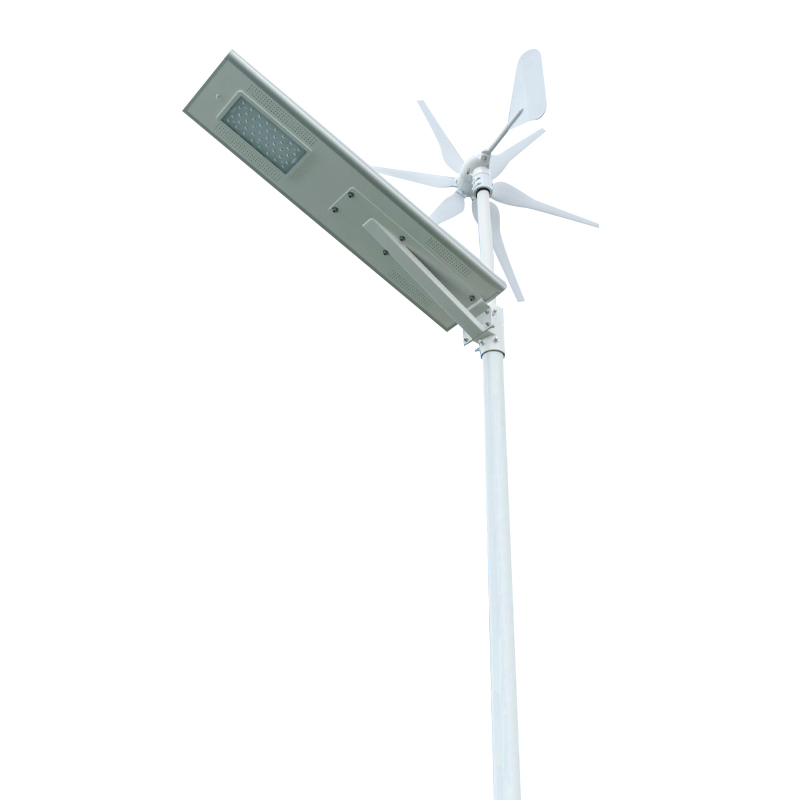 DDK G01 Solar&Wind Hybrid Integrated Optical Lens Solar All in One Light
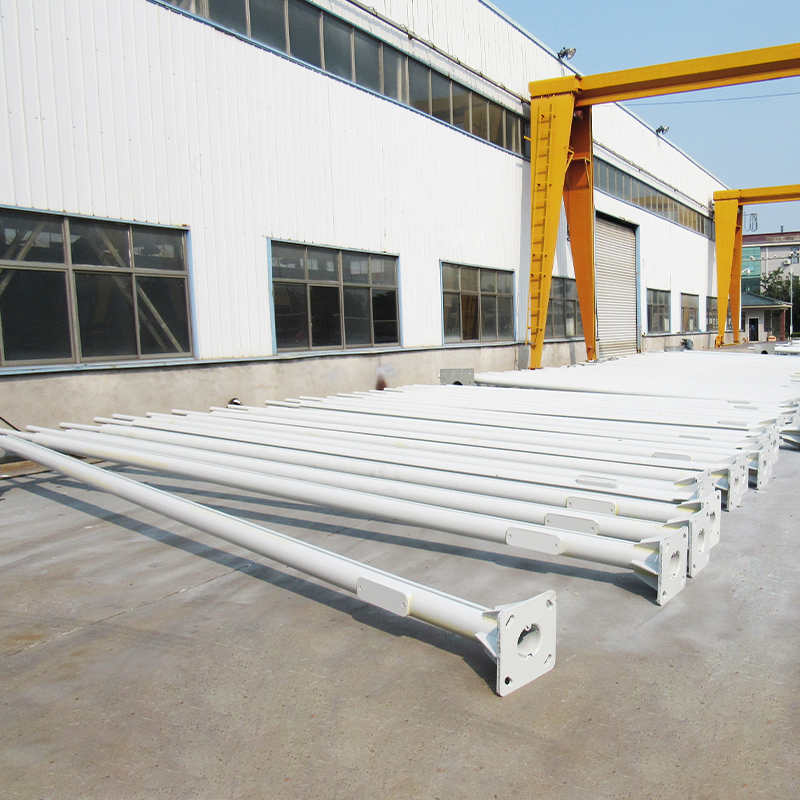 Customized Round Hexagon Octagonal Square Steel Street Light Poles for Outdoor Lightings
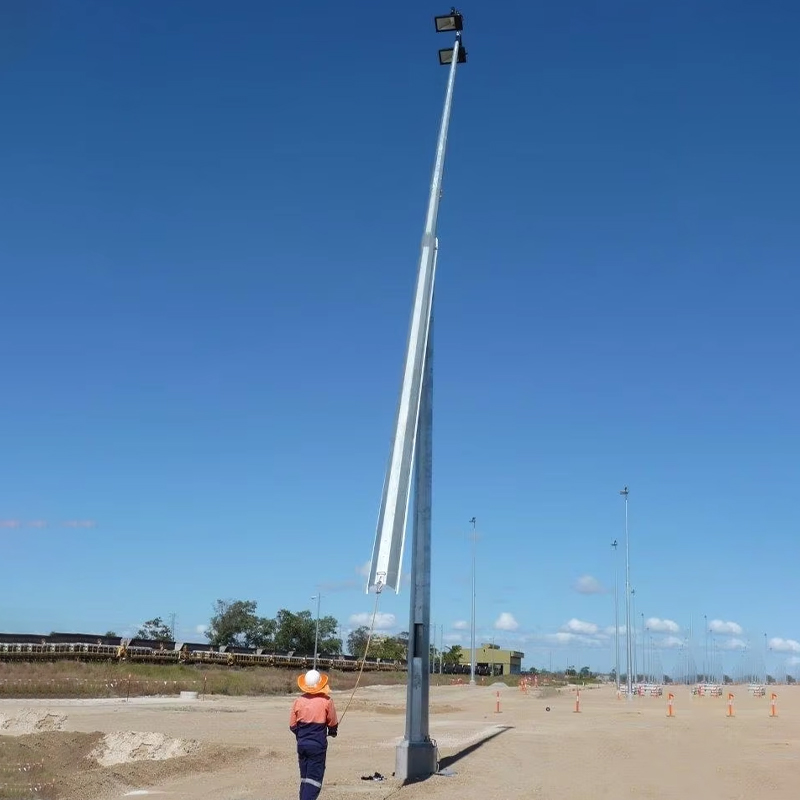 3 to 16M Galvanized Steel Hinged Poles
Contact us
180 meters south of the intersection of Nanbei Avenue and Xuba Road, Gaoyou City, Yangzhou City, Jiangsu Province, China.
+86-18811954888
ddk@cnddk.net
 English
 русский
 Español
 عربى
عربى

