
call us
+86-18811954888
2026-05-07
A street light pole costs between USD 150 and USD 2,500 for the pole structure alone, with total installed cost including luminaire, foundation, and electrical connection ranging from USD 2,000 to USD 6,500 per unit for a standard urban installation. Garden Light Poles cost significantly less, typically USD 80 to USD 600 per pole for residential and light commercial landscape installations. The technology powering the luminaire on top of the pole has changed dramatically over the past two decades: sodium in street lights dominated from the 1970s through the 2000s, mercury vapour lamp technology was phased out in most markets by 2015, and LED now accounts for over 75% of new outdoor lighting installations globally as of 2024.
The practical guide below covers every dimension of outdoor lighting that buyers, municipal planners, landscape designers, and property owners need to make informed decisions: what each lamp technology delivers, how poles are specified by height and application, what light load means for electrical system design, and when a solar table light is the right answer versus a grid-connected pole-mounted luminaire.
When asking how much does a street light pole cost, the answer depends on five variables: pole material (steel, aluminum, concrete, or composite), pole height, pole shape (straight, tapered, or decorative), mounting configuration (single arm, double arm, or direct-top mount), and whether the quotation includes only the pole structure or the complete installed assembly.
| Pole Type and Material | Typical Height | Pole Structure Cost (USD) | Application |
|---|---|---|---|
| Hot-dip galvanized steel, straight | 6 to 8 m | 150 to 350 | Residential Street Light Poles |
| Hot-dip galvanized steel, tapered | 8 to 12 m | 280 to 650 | Arterial road and highway Street Light Poles |
| Aluminum alloy, tapered | 6 to 10 m | 350 to 900 | Urban boulevard Light Poles, coastal zones |
| Spun concrete, prestressed | 8 to 14 m | 200 to 500 | High-traffic arterials, developing markets |
| Decorative cast iron or steel | 3 to 5 m | 400 to 1,200 | Historic district Garden Light Poles, plazas |
| High mast steel (multi-arm) | 20 to 40 m | 1,500 to 8,000 | Highways, interchanges, sports facilities |
The pole structure typically represents only 15% to 30% of the total installed cost per light point. The remaining cost components are:
Total installed cost for a standard 8 m steel Street Light Pole with a 100W LED luminaire, cast foundation, and grid connection in a developed market therefore falls in the range of USD 2,000 to USD 3,500 per light point. In solar-powered configurations where grid connection is eliminated, the solar panel, battery, and controller add USD 600 to USD 1,800 but remove the trenching and cable cost, resulting in comparable or lower total installed cost for remote or widely spaced installations.
Understanding what is mercury vapour lamp requires a brief look at the physics of gas discharge lighting. A mercury vapour lamp is a high-intensity discharge (HID) light source that produces light by passing an electric arc through mercury vapour under high pressure inside a quartz arc tube. The arc excites mercury atoms, which emit ultraviolet radiation as they return to their ground state. A phosphor coating on the outer glass envelope converts this UV output into visible light.
The mercury vapour lamp arc tube contains a small quantity of liquid mercury plus an inert starting gas (typically argon) and two tungsten electrodes. When voltage is applied, the argon provides initial ionization and allows the arc to strike at a low pressure. As the arc heats the tube, mercury vaporizes and the vapour pressure increases, shifting the arc to mercury discharge, which takes 3 to 5 minutes to reach full brightness (the warm-up period characteristic of all mercury vapour lamp technology).
The spectral output of mercury vapour lamp sources is concentrated in several discrete emission lines at wavelengths of 365 nm (UV), 405 nm (violet), 436 nm (blue), 546 nm (green), and 579 nm (yellow). This limited spectral distribution gives mercury vapour lamp light a cool blue-green appearance with poor red rendering, resulting in a Color Rendering Index (CRI) of only 40 to 55 on a scale of 0 to 100. At a typical luminous efficacy of 30 to 65 lumens per watt, mercury vapour lamps were significantly less efficient than the high-pressure sodium alternatives that replaced them in the 1980s and 1990s, and dramatically less efficient than the LED luminaires that represent the current technology standard at 100 to 180 lumens per watt.
The phase-out of mercury vapour lamp technology in street lighting and outdoor applications was driven by three converging factors: regulatory restrictions on mercury as a hazardous substance (each mercury vapour lamp contains 10 to 100 mg of mercury), significantly inferior luminous efficacy compared to high-pressure sodium and metal halide alternatives, and the subsequent emergence of LED technology that renders all mercury-containing discharge lamp types economically obsolete.
The European Union banned the manufacture and import of mercury-containing lamps in several categories under Directive 2002/95/EC (RoHS) and subsequent amendments, with the prohibition on most high-pressure mercury vapour lamp types taking effect between 2015 and 2017. The United States EPA regulates mercury-containing lamps as universal waste under 40 CFR Part 273, requiring specific collection and recycling pathways. Any outdoor lighting system still using mercury vapour lamp technology is operating with luminaires that are no longer legally available as new replacements in most developed markets and that consume 40% to 70% more electricity than an equivalent LED replacement for the same light output.
Understanding sodium in street lights requires distinguishing between two distinct sodium lamp technologies that were both used in outdoor lighting through different eras: low-pressure sodium (LPS) and high-pressure sodium (HPS). Both use sodium vapor discharge as the primary light-generating mechanism but operate at very different pressures and produce dramatically different light quality.
Low-pressure sodium lamps operate at sodium vapour pressures below 1 Pa and produce a nearly monochromatic yellow-orange light at a wavelength of 589 nm (the sodium D line). This is the characteristic deep amber glow associated with older highway and rural road lighting installations. The nearly single-wavelength output makes LPS the most efficient light source ever produced for high-volume applications, achieving luminous efficacy values of 100 to 200 lumens per watt, which was extraordinary for 1970s technology.
The fatal weakness of LPS for general street lighting is its CRI of effectively zero: because all objects under LPS illumination are rendered in shades of yellow-orange with no color discrimination possible, it is unacceptable for pedestrian areas, intersections where traffic signal color recognition is critical, and any environment where security camera identification of individuals or vehicles by color is needed. Its use became progressively restricted to rural highway sections and tunnel approaches where high efficiency and long maintenance intervals outweighed the absence of color rendering.
High-pressure sodium lamps, where sodium in street lights operates at pressures above 10 kPa, produce a broader spectral output than LPS because the high-pressure arc broadens and splits the sodium emission lines across a wider wavelength range. This gives HPS a warm golden-white appearance with a CRI of 20 to 25 (improved to 60 to 80 for color-improved variants at the cost of lower efficacy) and a correlated color temperature of 1,900 to 2,200 K for standard types.
Standard HPS lamps achieve luminous efficacy of 80 to 130 lumens per watt, a warm-up time of 3 to 5 minutes, and a rated life of 16,000 to 24,000 hours. These characteristics made HPS the dominant choice for Street Light Poles from the late 1970s through the 2000s across most of the world. At its peak, high-pressure sodium technology illuminated an estimated 60% of all road lighting globally, representing hundreds of millions of installed light points.
The progressive replacement of sodium in street lights with LED began around 2010 and accelerated dramatically after 2015 as LED luminaire prices fell below the level at which the energy savings from LED justified the replacement investment within a 3 to 5 year payback period. A 100W LED luminaire typically produces the same roadway illuminance as a 250W HPS luminaire, representing a 60% energy reduction per light point. Across a city of 100,000 street lights converting from HPS to LED, this energy reduction saves approximately USD 2 to USD 5 million annually in electricity cost at typical utility rates.
| Technology | Efficacy (lm/W) | CRI | Rated Life (hours) | Warm-Up Time | Current Status |
|---|---|---|---|---|---|
| Mercury Vapour Lamp | 30 to 65 | 40 to 55 | 12,000 to 24,000 | 3 to 5 min | Banned in EU, obsolete globally |
| Low-Pressure Sodium (sodium in street lights) | 100 to 200 | Near 0 | 14,000 to 18,000 | 7 to 10 min | Phased out, residual legacy |
| High-Pressure Sodium (sodium in street lights) | 80 to 130 | 20 to 25 | 16,000 to 24,000 | 3 to 5 min | Being replaced by LED |
| LED (current standard) | 100 to 180 | 70 to 90 | 50,000 to 100,000 | Instant | Dominant technology |
The terms Light Poles, Street Light Poles, and Garden Light Poles describe related but distinct product categories differentiated by height, structural specification, luminaire mounting configuration, and application context. Understanding the boundaries of each category prevents over-specification (which wastes budget) and under-specification (which creates safety hazards and maintenance problems).
Light Poles is the broad product category encompassing all vertical structures designed to mount luminaires above ground level in outdoor environments. This includes Street Light Poles, Garden Light Poles, sports flood lighting poles, bollard posts, and high-mast poles. The defining characteristics of Light Poles as a category are their structural design to resist wind loading on the mounted luminaire (and in some cases on the pole itself where banner arms or signage are also mounted), their provision for cable routing internally or in a surface conduit channel, and their base connection to a foundation or direct-buried anchor system.
Light Poles are specified according to standards in most markets. In the United States, AASHTO LTS-7 (Standard Specifications for Structural Supports for Highway Signs, Luminaires, and Traffic Signals) governs highway Light Poles. In Europe, EN 40 (Lighting Columns) is the applicable standard series. These standards define the wind loading calculation methods, material requirements, fatigue life criteria, and testing requirements that determine whether a pole is fit for service in its intended application and location.
Street Light Poles are Light Poles specifically designed and structurally verified for mounting road luminaires at heights that provide the illuminance levels required by the applicable road lighting standard (EN 13201 in Europe, IESNA RP-8 in North America, and equivalent national standards in other markets). The height of Street Light Poles for road lighting is determined by the required illuminance level on the road surface, the luminaire's light distribution pattern, the road width, and the spacing between poles along the road.
Typical Street Light Poles heights by road category are:
The outreach arm (bracket arm) on a Street Light Pole extends the luminaire horizontally beyond the pole centre, positioning it over the lane to be illuminated. Standard outreach arm lengths for road luminaires are 0.5 m, 1.0 m, 1.5 m, and 2.0 m, with the choice depending on the carriageway width and the number of lanes to be illuminated from one side of the road. Double arm configurations on a single Street Light Pole centre-placed in a dual carriageway median can illuminate both directions of traffic from a single pole, reducing the total pole count and foundation work for a divided highway by 40% to 50% compared to single-arm roadside mounting.
Garden Light Poles serve the landscape illumination function in parks, private gardens, pedestrian plazas, hotel and resort grounds, educational campuses, and residential streetscapes where aesthetic integration with the landscape is as important as functional illuminance delivery. They differ from Street Light Poles in three key respects: lower height (typically 2.5 m to 5 m), decorative design language, and lower structural loading requirements because they mount smaller, lighter luminaires at lower heights where wind moment at the base is far smaller than for taller poles.
Garden Light Poles are available in materials and finishes that would be impractical or uneconomic at Street Light Poles scale:
The luminaires mounted on Garden Light Poles are typically omnidirectional or wide-angle spherical or cylindrical shapes rather than the directional road luminaire optics used on Street Light Poles. This means that Garden Light Poles produce a portion of their output as upward light, which contributes to sky glow and reduces the fraction of light delivered to the ground surface. Modern full-cutoff or flat-glass garden luminaires address this with optics that direct light downward while maintaining the traditional lantern aesthetic through diffusing glass panels.
A solar table light is a self-contained lighting unit that integrates a photovoltaic panel, rechargeable battery, LED light source, and control electronics in a single portable or semi-portable fixture sized for table-top or compact outdoor surface placement. Unlike pole-mounted solar street lighting systems, a solar table light is designed for personal or accent illumination rather than area lighting, and its mobility and installation-free deployment make it the correct solution for several specific use cases where pole-mounted or grid-connected lighting is impractical or disproportionately expensive.
During daylight hours, the solar panel on a solar table light converts sunlight to DC electricity, which is stored in a rechargeable lithium-ion or lithium-iron phosphate (LiFePO4) battery. The control circuit prevents overcharging of the battery and manages the discharge to the LED array during night-time operation. Most solar table light products include an automatic dusk-to-dawn switching function using a photosensor that activates the light when ambient light falls below a threshold (typically 10 to 50 lux) and deactivates it at dawn.
The key performance parameters for a solar table light are:
The term light load in the context of electrical and lighting system design refers to a condition where the electrical load connected to a circuit or power supply is significantly below the rated capacity of that circuit or supply. Understanding light load conditions is important for anyone specifying the electrical infrastructure of an outdoor lighting system, because light load operating conditions affect power factor, voltage regulation, transformer efficiency, and the performance of dimming and control systems.
When Street Light Poles are installed on a circuit but not all poles in the circuit are energized at the same time (for example in an adaptive control system that dims or switches off individual poles based on occupancy detection), the circuit operates under a light load condition relative to its design full-load capacity. In addition, the early stages of a phased street lighting installation project where only a portion of the designed pole count has been installed and energized will consistently operate under light load conditions until the project is complete.
Key effects of light load in outdoor lighting circuits include:
For system designers specifying new outdoor lighting infrastructure, designing the electrical system for a comfortable light load range of 30% to 100% of capacity (rather than sizing for only 95% to 100% utilization) provides flexibility to expand the network in future phases and allows energy management systems to dim and switch luminaires dynamically without approaching the minimum load thresholds that can cause control stability issues.
Whether you are a municipal lighting engineer specifying Street Light Poles for a new urban development, a landscape architect specifying Garden Light Poles for a hotel resort, or a homeowner deciding between a solar table light and a grid-connected garden fixture, the decision framework follows the same logical sequence.
Illuminance requirements are defined by the application category. Road lighting standards specify maintained average illuminance (Em) and uniformity ratios for each road classification. Garden and pedestrian path lighting typically targets Em values of 5 to 30 lux depending on safety requirements and ambient context. Decorative landscape lighting for accent may use as little as 1 to 5 lux. A solar table light delivering 20 to 50 lumens at table height produces approximately 5 to 15 lux at the table surface, which is appropriate for ambient dining atmosphere but insufficient for reading or task work.
If grid power is immediately available and the cost of connection per light point is below USD 500, grid connection is almost always the economically preferred choice because it provides unlimited runtime, precise dimming control, and freedom from battery replacement costs. If grid connection cost exceeds USD 800 per light point (common in remote locations or where significant civil works are required), solar-powered Street Light Poles or solar table light alternatives become economically competitive for lower-output applications.
Use the height guidelines above to select the correct Street Light Poles or Garden Light Poles height for the application. Do not upsize poles unnecessarily: a higher mounting height requires a structurally heavier pole with a deeper foundation, increasing both capital and installation cost without improving light distribution quality if the luminaire optic is not designed for the greater mounting height. Equally, do not downsize: a luminaire mounted too low creates excessive luminance on nearby surfaces and leaves the mid-zone of the illuminated area underlit.
For all new installations in 2024 and beyond, LED is the correct technology for both Street Light Poles and Garden Light Poles. The remaining decision is correlated color temperature (CCT): warmer 2,700K to 3,000K LED light suits residential streets, historic districts, and Garden Light Poles where a welcoming amber-white appearance is preferred. Cooler 4,000K to 5,000K LED suits highway and arterial road applications where the higher blue content improves scotopic (rod cell) visual acuity and reaction time at night. Research published by the American Medical Association in 2016 recommends limiting outdoor LED CCT to 3,000K or below in areas of residential use to minimize circadian rhythm disruption and light pollution effects on wildlife and human sleep quality.
For a standard residential Street Light Pole installation, the total cost including the pole, LED luminaire, foundation, and electrical connection ranges from USD 2,000 to USD 3,500 per light point in most developed markets. The pole and luminaire hardware typically accounts for USD 500 to USD 900 of this total, with the remainder split between civil works, foundation, cabling, and labor. Solar-powered versions in locations where grid trenching is expensive can achieve similar or lower total installed cost by eliminating the underground cable run, but add ongoing battery maintenance costs over the system's operating life.
A mercury vapour lamp is a high-intensity discharge light source that produces light by exciting mercury vapour with an electric arc inside a quartz tube. Its light output has poor color rendering (CRI 40 to 55) and the lamp contains 10 to 100 mg of mercury per unit, classified as hazardous waste. The manufacture and import of mercury vapour lamp products for general lighting is banned in the European Union and restricted in many other markets. Existing installed mercury vapour lamp luminaires can technically remain in use until they fail in most jurisdictions, but replacement lamps are no longer legally available as new products in the EU and are increasingly difficult to source globally. Any new outdoor lighting installation specifying mercury vapour lamp technology is both technically obsolete and likely to create regulatory compliance issues.
Sodium is used in street lights because sodium vapor discharge produces an extremely high luminous efficacy, meaning it converts electrical energy to visible light more efficiently than most alternatives. Low-pressure sodium in street lights produces a nearly monochromatic deep amber-yellow light at 589 nm wavelength, which is the most energy-efficient light color for human visual perception under dark-adapted (scotopic) conditions. High-pressure sodium in street lights produces a broader-spectrum warm golden-white light with a color temperature of approximately 2,000 K. Both technologies are progressively being replaced by LED, which matches or exceeds HPS efficacy while providing dramatically better color rendering.
Street Light Poles are structurally designed to mount road luminaires at heights of 5 to 14 m and above, with brackets to position the luminaire over the carriageway, and are specified according to road lighting and structural standards. Garden Light Poles are decorative landscape poles typically 2.5 m to 5 m tall, designed to mount pedestrian-scale luminaires with aesthetic integration as a primary design criterion. Garden Light Poles carry smaller structural loads, are available in a wider range of decorative materials and finishes, and are designed to produce ambient or accent illumination rather than the uniform, high-efficacy road surface illuminance that Street Light Poles must deliver.
Light load in an outdoor lighting electrical system refers to a condition where the actual power consumption connected to the circuit is significantly below the circuit's rated design capacity. This occurs when adaptive lighting controls dim or switch off luminaires, or when a project is partially installed. Light load conditions reduce transformer efficiency (because no-load losses become a larger proportion of total consumption), can cause end-of-line voltage to rise above nominal (because resistive voltage drop along the cable is reduced), and require consideration in the design of dimming and power factor correction systems to ensure stable operation across the full range from light load to full load conditions.
Most solar table light products use lithium-ion or LiFePO4 batteries rated for 500 to 1,000 full charge-discharge cycles before the battery capacity falls to 80% of its original value. At one cycle per day (charge during day, discharge at night), this represents 1.5 to 3 years of daily operation before battery degradation becomes noticeable as reduced runtime per night. Signs that a solar table light battery needs replacement include: the light turning off significantly earlier in the night than when new, the light not reaching full brightness, or the light failing to turn on after several consecutive cloudy days. Most quality solar table light products have replaceable battery cells; lower-cost products may require complete replacement of the unit when the battery reaches end of life.
Yes, retrofitting an existing Light Pole or Street Light Pole from mercury vapour lamp to LED is technically straightforward in most cases. Options include: direct LED retrofit lamps that screw or bayonet into the existing luminaire socket (available for E27, E40, and other common lamp bases), LED conversion kits that replace the lamp and ballast assembly within the existing luminaire housing, and complete luminaire replacement where the old luminaire housing is removed and a new LED road luminaire is mounted on the existing pole bracket. Complete luminaire replacement is the most efficient approach because it provides the correct LED optical distribution for the application and removes the inefficient ballast of the old mercury vapour lamp system, typically reducing energy consumption by 50% to 65% compared to the mercury vapour lamp baseline.
For a hotel outdoor dining area, Garden Light Poles of 3 m to 4 m mounting height with warm-white (2,700K to 3,000K) LED lantern luminaires create the most flattering and commercially appropriate ambience. At this height, the luminaire is above the seated guests' sightline (avoiding direct glare), the pool of illumination covers one to two table groups per pole, and the warm CCT enhances food appearance and skin tones. Pole spacing of 4 m to 6 m at this height and luminaire output of 500 to 1,000 lumens per head produces maintained ground-level illuminance of 10 to 30 lux, which is appropriate for outdoor dining ambience per IESNA and CIE recommendations. Supplement with solar table light units on individual tables for intimate additional illumination without additional electrical infrastructure.
Street Light Poles must be designed to withstand the wind load imposed by both the pole itself and the luminaire and bracket arm mounted at the top. Wind load is calculated as a function of the design wind speed for the location (obtained from the applicable wind zone map in the structural standard used in the jurisdiction), the drag coefficient of the pole and luminaire shapes, and the effective projected area of all components exposed to wind. In the United States, AASHTO LTS-7 specifies that poles be designed for a 50-year return period wind event. In Europe, EN 40-3 requires design for the reference wind speed at the installation location with appropriate terrain and gust factors applied. Failure to correctly specify the wind zone for a Street Light Pole installation is the most common cause of pole structural failure in storm events, and is always the designer's responsibility to verify from the local authority or applicable wind hazard map before specifying pole wall thickness and base plate dimensions.
Sodium in street lights is being systematically replaced worldwide but the replacement program will take several more decades to complete given the hundreds of millions of installed HPS luminaires globally. LED is the universal replacement technology. The transition is driven by municipal energy budgets (LED reduces street lighting electricity cost by 50% to 65% per light point), lamp life (LED luminaires last 50,000 to 100,000 hours versus 16,000 to 24,000 hours for HPS, dramatically reducing maintenance lamp replacement frequency and cost), and color quality (LED CRI of 70 to 90 versus HPS CRI of 20 to 25 improves color recognition for security camera systems and pedestrian safety). The International Energy Agency projected in 2023 that LED would account for over 90% of global street lighting installations by 2030, effectively ending the era of sodium in street lights as the dominant technology for outdoor public illumination.
Related Products
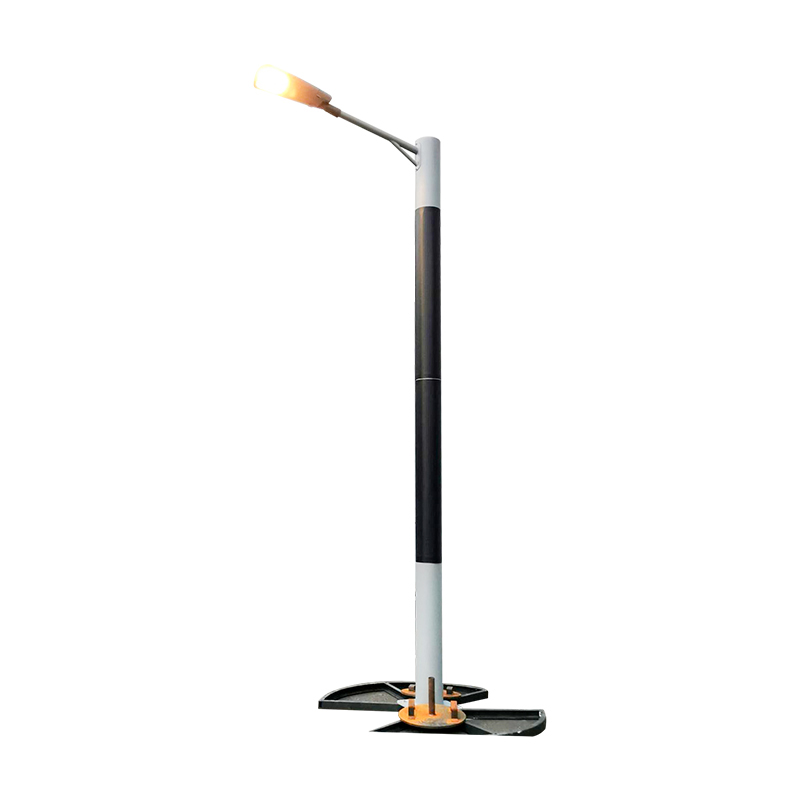 DDK-SSPL-2000 Cylinder Solar Pole Single/Double Arms And Street LED Lamps
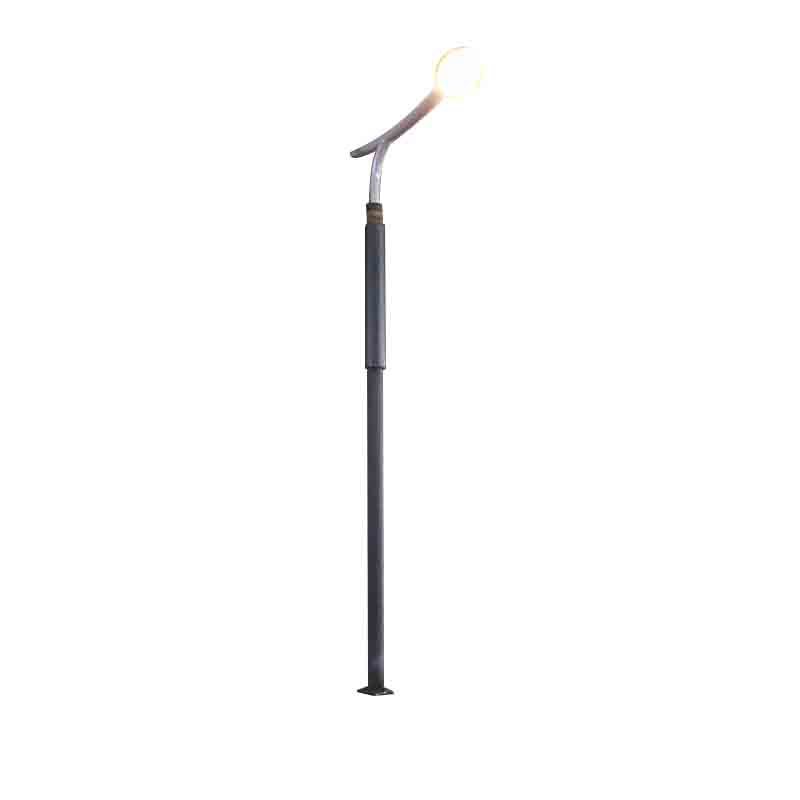 DDK-SSPL-2002 Cylinder Solar Pole With Lamp Head
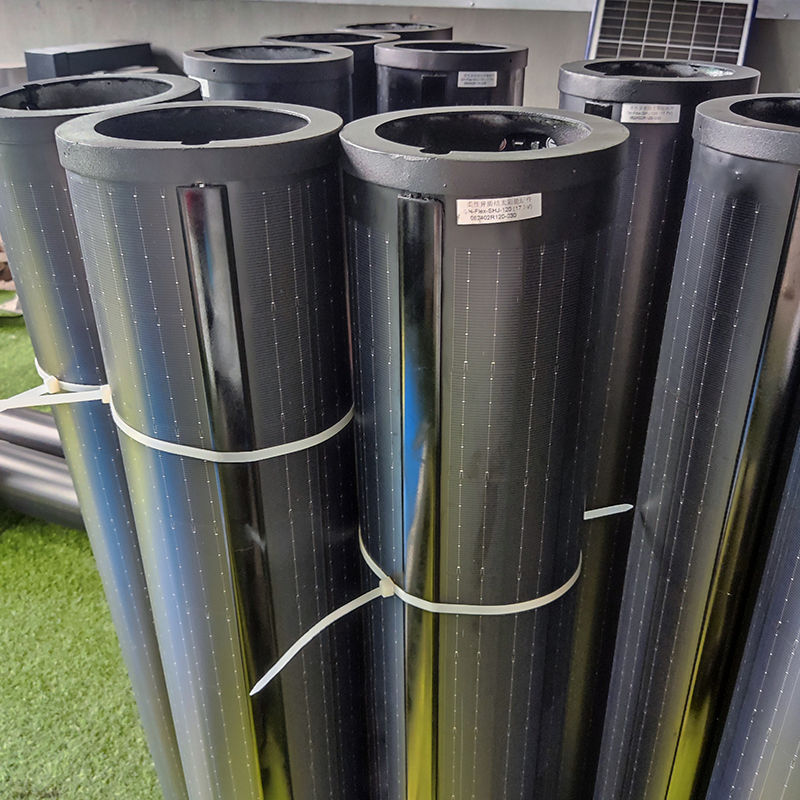 140W Flexible Solar Panel: High-Performance, Elegant and Versatile Power Solution for Lighting Poles and Park Lightings
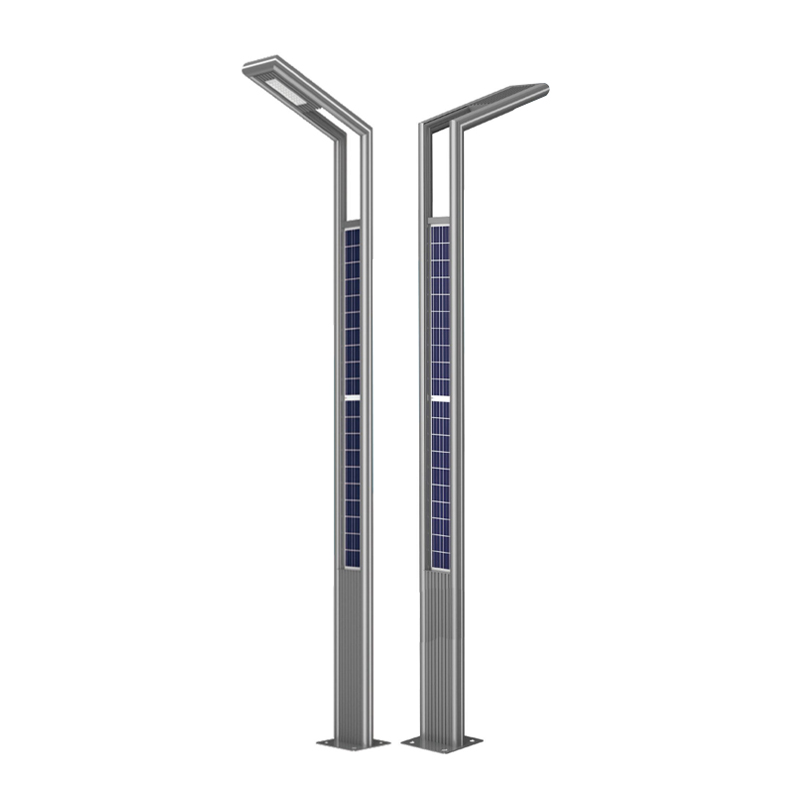 DDK-GN003 Double Sides Integrated Solar Aluminium Pole
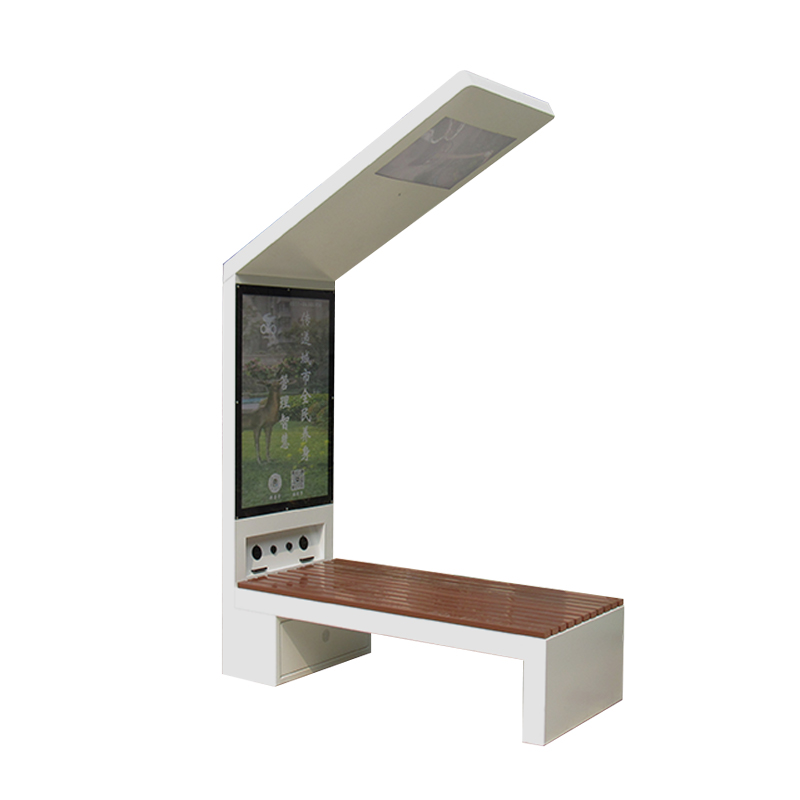 DDK-2000A Charging WIFI Solar Bench Outdoor Bench with Roof on the Top
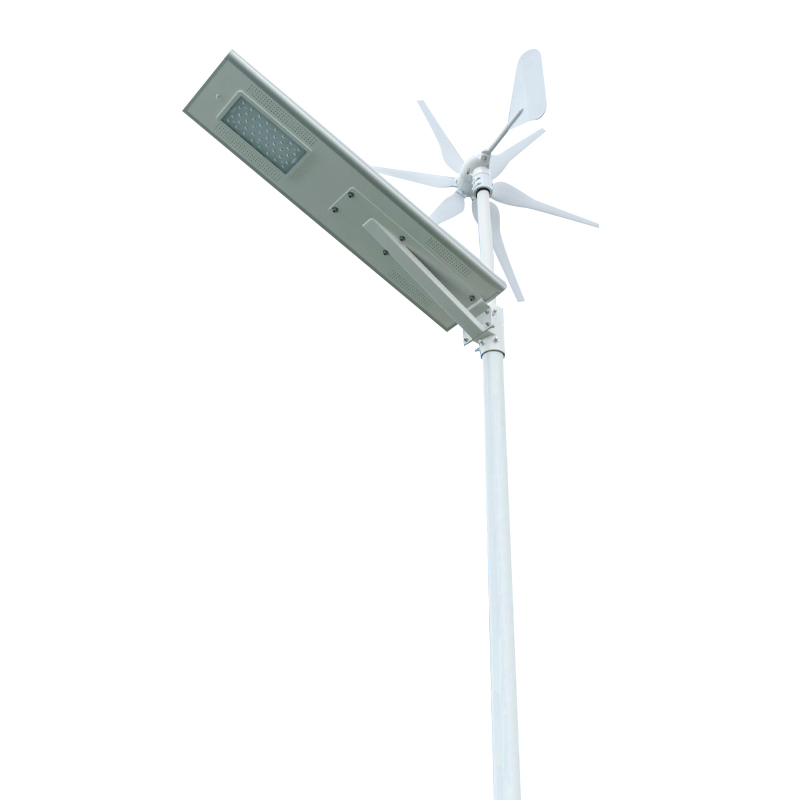 DDK G01 Solar&Wind Hybrid Integrated Optical Lens Solar All in One Light
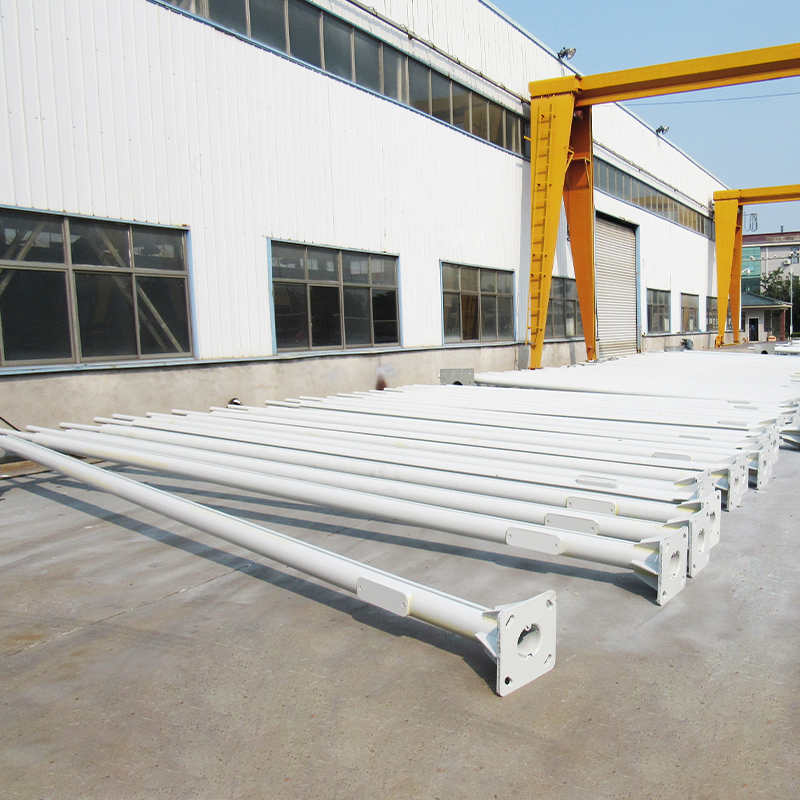 Customized Round Hexagon Octagonal Square Steel Street Light Poles for Outdoor Lightings
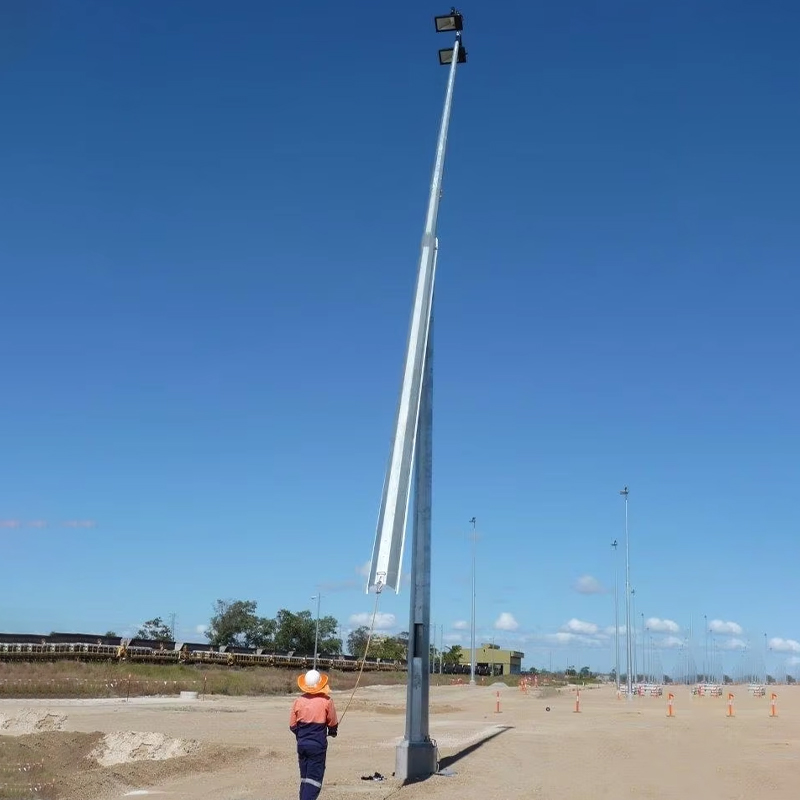 3 to 16M Galvanized Steel Hinged Poles
Contact us
180 meters south of the intersection of Nanbei Avenue and Xuba Road, Gaoyou City, Yangzhou City, Jiangsu Province, China.
+86-18811954888
ddk@cnddk.net
 English
 русский
 Español
 عربى
عربى

