
call us
+86-18811954888
2026-02-19
Against the backdrop of modern urban expansion and the global energy transition, Steel Mast Poles and Electric High Mast Poles Power Towers have become core pillars supporting transportation hubs, large industrial zones, and cross-regional power transmission. This infrastructure carries not only physical weight but also the rigid demands of modern civilization for energy flow and public safety. This article explores the industry landscape of these critical infrastructures from multiple dimensions, including structural engineering, manufacturing processes, smart evolution, and global supply chain management.
As vertical structures supporting loads dozens of meters high, high mast steel towers must maintain absolute structural integrity under extreme natural environments. Whether they are high-strength lighting masts in busy ports or ultra-high voltage power towers crossing complex terrains, the mechanical properties of steel make it an irreplaceable architectural language.
Ultra-High Load Bearing Capacity and Material Science: Electric high mast poles need to support tons of high-voltage aluminum conductor steel-reinforced (ACSR) cables, heavy ceramic insulator strings, and various lightning protection equipment. Especially in long-span sections crossing rivers or valleys, the pole must be prepared for static weight gain from icing, dynamic tension from fierce winds, and material expansion/contraction caused by temperature fluctuations. The high yield strength of high-strength low-alloy steel (such as Q355B, ASTM A572 Gr.50, or higher grades like S355) ensures that the pole does not undergo permanent plastic deformation under heavy loads, maintaining the precise mechanical balance of the power transmission system and effectively preventing wire breakage or tower collapse.
Wind Resistance and Precision Vibration Damping Design: For towers ranging from 30 to 60 meters or higher, designers use precise taper ratios and layered wall thickness control to provide excellent structural flexibility. This design effectively resists "Vortex Shedding" caused by high-altitude winds—periodic shedding vortices formed as airflow passes a round or polygonal object. By installing professional dampers internally or designing non-symmetrical polygonal cross-sections, the symmetry of the airflow can be disrupted, reducing the risk of resonance damage. This ensures the tower remains stable along its core axis during super typhoons, hurricanes, or instantaneous gusts in frigid regions, safeguarding the continuous operation of shipping, industrial zones, and civil livelihoods.
Ultra-Long Service Life for the Entire Lifecycle: In infrastructure construction, durability is a key indicator for Return on Investment (ROI). The Hot-Dip Galvanizing (HDG) process is not just a surface coating; it is a zinc-iron alloy protective layer formed through physical and chemical reactions in 450°C molten zinc. This metallic layer, typically 85μm to 120μm thick, provides physical shielding and electrochemical cathodic protection. Even in coastal areas with high salt spray, high-altitude regions with intense UV exposure, or industrial zones with frequent acid rain, these power towers can achieve a maintenance-free period of over 40 or 50 years. This "install once, serve for half a century" characteristic significantly reduces long-term capital expenditure for grid operation and municipal maintenance.
In the global wave of infrastructure upgrades, steel mast poles are rapidly replacing traditional concrete poles. This is not just a simple change in building materials but a comprehensive generational upgrade in construction logic, logistics efficiency, and urban space utilization.
Superior Installation Efficiency and Logistics Convenience: Steel poles utilize an advanced hollow, lightweight design, with a strength-to-weight ratio far exceeding that of concrete. Under the same load and height requirements, a steel pole weighs only a fraction of a concrete pole, meaning transportation costs are significantly reduced in long-distance cross-border transit or complex mountain logistics. Furthermore, the unique Slip-joint design allows a heavy 50-meter tower to be disassembled into several segments shorter than 12 meters, fitting perfectly into a standard 40-foot container. This modular delivery mode greatly reduces logistics difficulty in rugged or narrow road areas, and the site only requires small-tonnage cranes for rapid assembly, shortening the construction period by nearly 60%.
Extreme Space Efficiency and Environmental Compatibility: In high-density urban areas or expensive industrial real estate, land cost is often the core factor determining engineering solutions. Traditional lattice towers have massive bases, often occupying hundreds or even thousands of square meters. In contrast, narrow-base Electric High Mast Poles utilize a single-column design with decreasing diameters, occupying less than 1/5th of the land required by lattice towers. This not only saves governments massive land acquisition fees but also reduces damage to surrounding natural ecosystems and agricultural land. Simultaneously, the clean lines of single-column steel poles integrate more easily into modern urban skylines, reducing public resistance to "visual pollution" caused by large power facilities.
The safety of power towers begins with millimeter-level precision manufacturing inside the factory. The depth of every weld and the torque of every bolt relate to the operational stability of the entire regional power grid. Therefore, the production process must follow extremely strict and traceable international industrial standards.
Submerged Arc Welding (SAW) Technology: In large-scale automated production lines, the longitudinal welds of the pole primarily utilize Submerged Arc Welding technology. This process uses a flux layer for protection, ensuring deep penetration and a smooth, even weld surface almost free of pores and slag. These high-quality continuous welds ensure the pole body maintains high mechanical continuity and consistency over years of varying loads, alternating tension, and temperature stress. Before leaving the factory, every critical weld must undergo Non-Destructive Testing (NDT) to ensure structural strength is no less than that of the base steel plate itself.
High-Strength Grade Bolts and Scientific Base Flange Design: The physical bearing core of a power tower is located at the base connection—the area bearing the maximum overturning moment. Analysis shows that using Grade 10.9 or higher high-strength, large-diameter anchor bolts, combined with thick base plates optimized through Finite Element Analysis (FEA), effectively handles the extremely complex dynamic load fluctuations in power transmission. The processing flatness of the flange must be controlled within minimal tolerances, which, combined with scientifically arranged stiffeners, determines the safety factor against overturning under extreme loads, preventing catastrophic failures caused by foundation connection failure.
In extreme climates and highly corrosive industrial environments, a single anti-corrosion method is often insufficient for a design life of decades. The introduction of the Duplex System provides Steel Mast Poles with a layer of "all-weather smart armor."
Advanced Anti-Corrosion Strategy for Extreme Environments: For areas with coastal salt spray, high humidity in tropical rainforests, or heavy industrial acid rain, the combination of Hot-Dip Galvanizing + Electrostatic Powder Coating is the industry's highest configuration. The bottom zinc layer provides basic cathodic protection via electrochemical action, while the surface polyester powder coating acts like a dense skin, completely sealing the micropores of the zinc layer to block the penetration of oxygen, water molecules, and chemical ions. This combination produces a synergistic "1 + 1 > 2" protection effect, significantly delaying the onset of rust and reducing the natural erosion rate of the zinc layer.
Aesthetic Integration and Aviation Safety Features: Beyond corrosion protection, the Duplex System provides infrastructure with a functional "outfit." In central business districts or high-end scenic areas, power towers can be customized with colors that harmonize with surrounding landmarks and landscapes. In airport vicinities, aviation control zones, or high-altitude areas, towers are painted with red and white aviation warning coatings compliant with civil aviation standards, paired with high-intensity anti-collision aviation lights at the top to effectively warn low-flying general aviation aircraft or helicopters, ensuring airspace safety.
In global engineering bidding and material procurement, ensuring the absolute compliance of raw materials is the cornerstone of project quality, given the complexity of steel grades and chemical composition standards across different countries.
Full-Process Material Traceability: High-quality suppliers must possess a comprehensive quality management system and provide Original Mill Test Certificates (MTC) for every batch of towers produced. The certificate should clearly indicate the chemical composition analysis (especially carbon, manganese, sulfur, and phosphorus content affecting welding quality and brittleness) and key mechanical performance indicators (such as yield strength, elongation, and impact test data). Verifying that the supplier truly uses ASTM A572 Gr.50 or Q355B and above high-quality plates is decisive in preventing low-temperature brittle fracture accidents in cold regions.
Strict Third-Party Non-Destructive Testing (NDT): Welding defects are the primary hidden danger for high mast structural collapses and are often invisible to the naked eye. Therefore, overseas projects should explicitly require suppliers to provide Ultrasonic Testing (UT), Magnetic Particle Testing (MT), or Radiographic Testing (RT) reports issued by third-party authoritative agencies. For flange connections and stress-concentrated weld intersections, performing 100% internal weld inspection is a critical step in ensuring "zero quality hidden danger" delivery.
Damage to ultra-long, heavy steel poles during international ocean freight often occurs not in the design phase but during complex port loading and ship tossing. A scientific packaging scheme can significantly reduce on-site repair costs.
Anti-Collision and Anti-Corrosion Design Solutions: Large high mast sections should be secured in ship holds using customized U-shaped steel cradles or thick wooden blocks for layered fixation, with flexible rubber gaskets or thickened foam film used to completely isolate the pole bodies. This prevents metal-on-metal friction caused by ship vibrations during weeks of ocean travel, which can destroy the galvanized layer. For towers with high-end powder coatings, a UV-resistant peelable film should be applied before leaving the factory to prevent early gloss attenuation or chemical corrosion caused by intense salt spray and direct sunlight at sea, ensuring the product arrives at the site flawless.
|
Key Feature |
Steel Mast Poles |
Power Tower (Electric Mast) |
Smart High Mast |
|---|---|---|---|
|
Core Application |
Port automated lighting, logistics yards, airport aprons |
110kV-500kV power transmission, substation structures |
Smart city complexes, 5G coverage, security monitoring |
|
Typical Height Range |
20m - 40m |
30m - 100m+ |
15m - 35m |
|
Primary Mechanical Load |
Floodlight array weight, large wind pressure |
Conductor tension, ice load, unbalanced pull |
5G antenna wind load, LED screen weight |
|
Geometric Cross-section |
Usually dodecagonal or high-taper conical |
Polygonal tubular or reinforced lattice |
Minimalist round, profiled tube, multifunctional channel |
|
Anti-Corrosion Grade |
Extremely High (Resistance to coastal salt spray) |
Extremely High (Long-term wild maintenance-free) |
High (Balancing aesthetics and protection) |
|
Maintenance Method |
Lowering System (Automatic) |
Dedicated ladders, fall-arrest rails, or platforms |
Internal hollow maintenance, digital remote monitoring |
With the explosive deployment of global 5G networks, finding high-density mounting points with existing power conditions has become a core pain point for operators. Electric high mast poles, originally spread across city edges and highway corridors, are being endowed with a new digital communication mission.
Infrastructure Sharing Model: With their natural physical height, stable structural design, and existing power supply, electric high mast poles are ideal carriers for 5G millimeter-wave micro-base stations, macro stations, and city-level public Wi-Fi access points. This "Multi-Tower Integration" development model greatly saves land resources and capital investment for redundant construction. By integrating different functional poles, it also reduces visual clutter in the urban environment and improves the efficiency of municipal management.
IoT & Remote Monitoring: Modern smart towers have begun integrating high-sensitivity strain gauges, inclination sensors, 3D accelerometers, and real-time temperature/humidity sensors at critical stress points. Utilizing Internet of Things (IoT) low-power, long-range transmission technology, power operation centers can cross geographical barriers to monitor structural inclination, excessive ice thickness, or sudden external impacts on towers in remote mountains or uninhabited areas. This data-driven supervision model allows managers to issue precise warnings before natural disasters or structural fatigue occur, achieving a strategic transition from "passive repair" to "proactive preventive maintenance."
In the journey toward global "carbon neutrality," future high mast towers will no longer be just "energy transporters" but will transform into green energy "producers" and "managers."
Wind-Solar-Storage Integration System: In remote border posts, mining areas, or ecological protected zones without grid coverage, high mast towers can integrate efficient monocrystalline silicon solar arrays and small vertical-axis low-wind-speed wind turbines. Combined with long-life Lithium Iron Phosphate (LiFePO4) battery storage systems installed in base equipment compartments, these towers can achieve 24/7 self-sufficiency for lighting, security monitoring, and meteorological systems. These independent energy units are becoming indispensable distributed energy nodes in future Smart Microgrids.
Related Products
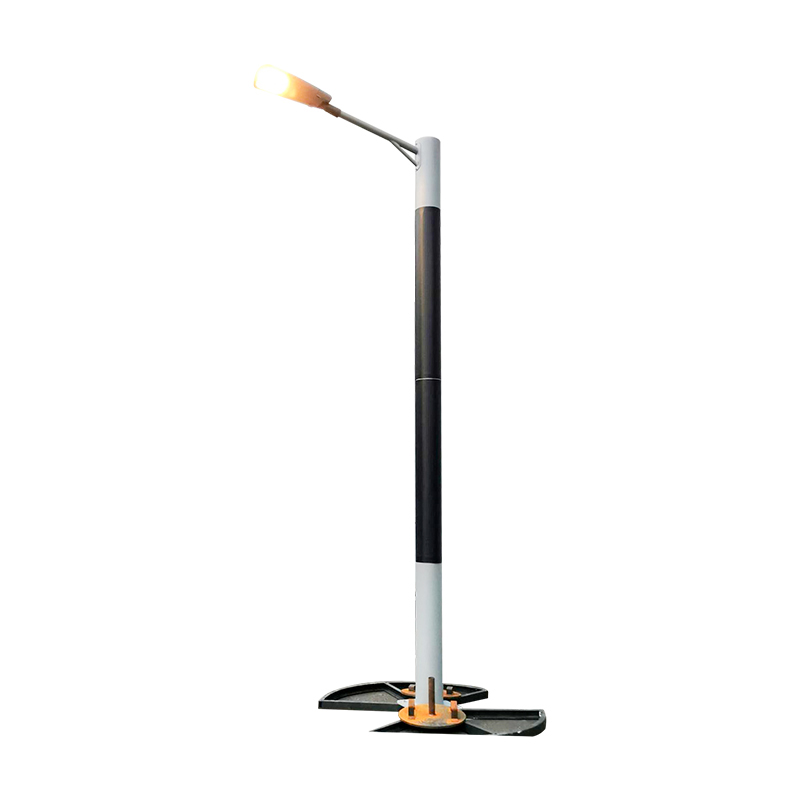 DDK-SSPL-2000 Cylinder Solar Pole Single/Double Arms And Street LED Lamps
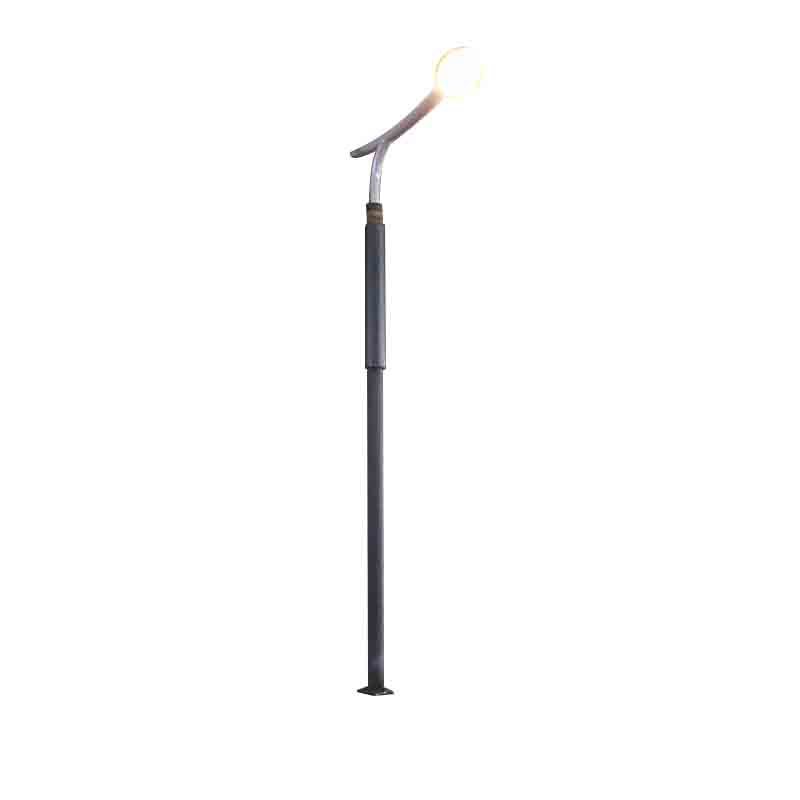 DDK-SSPL-2002 Cylinder Solar Pole With Lamp Head
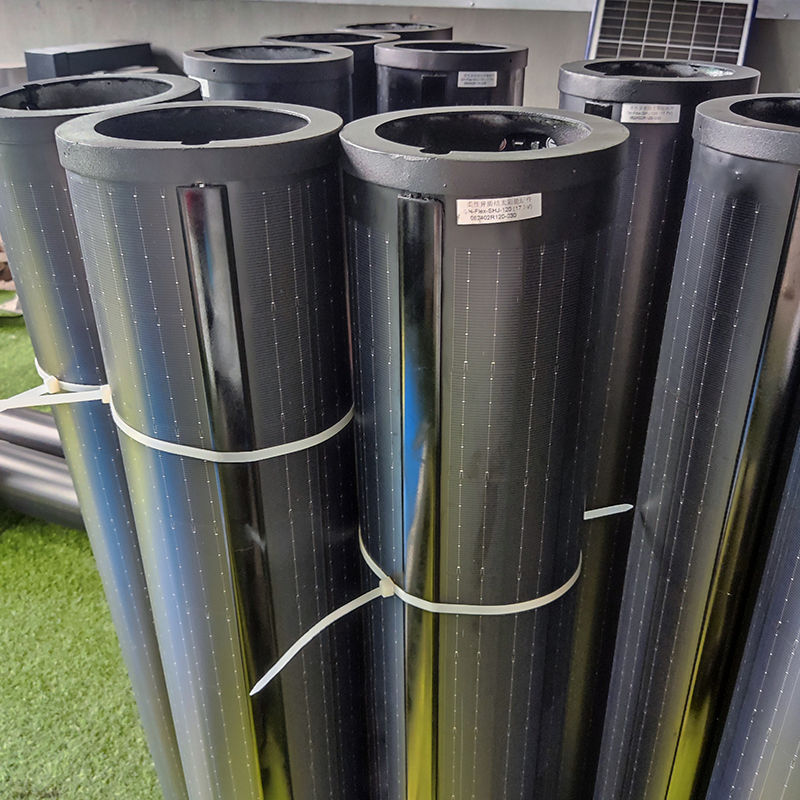 140W Flexible Solar Panel: High-Performance, Elegant and Versatile Power Solution for Lighting Poles and Park Lightings
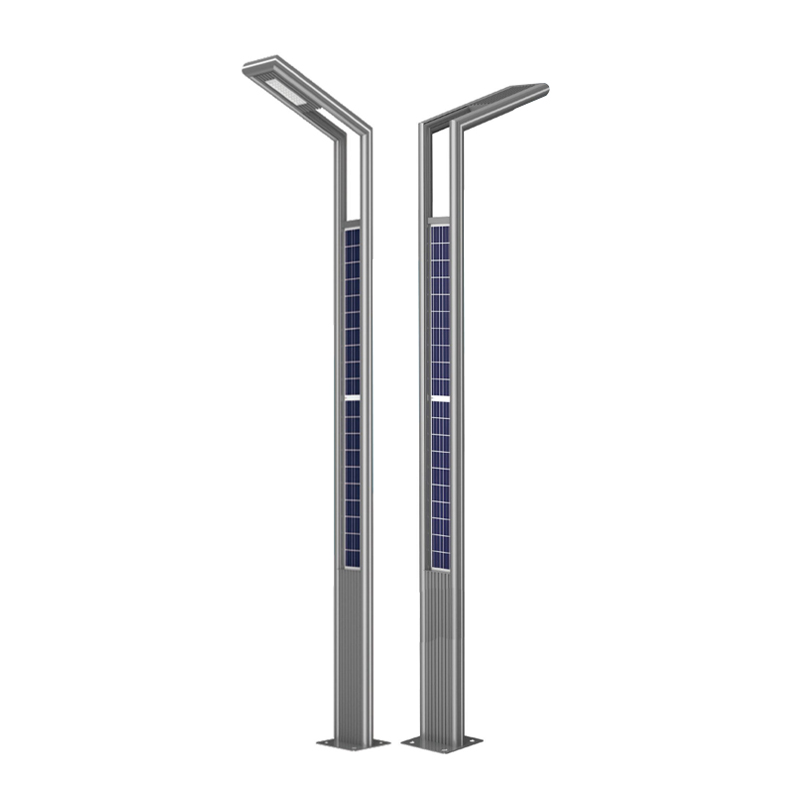 DDK-GN003 Double Sides Integrated Solar Aluminium Pole
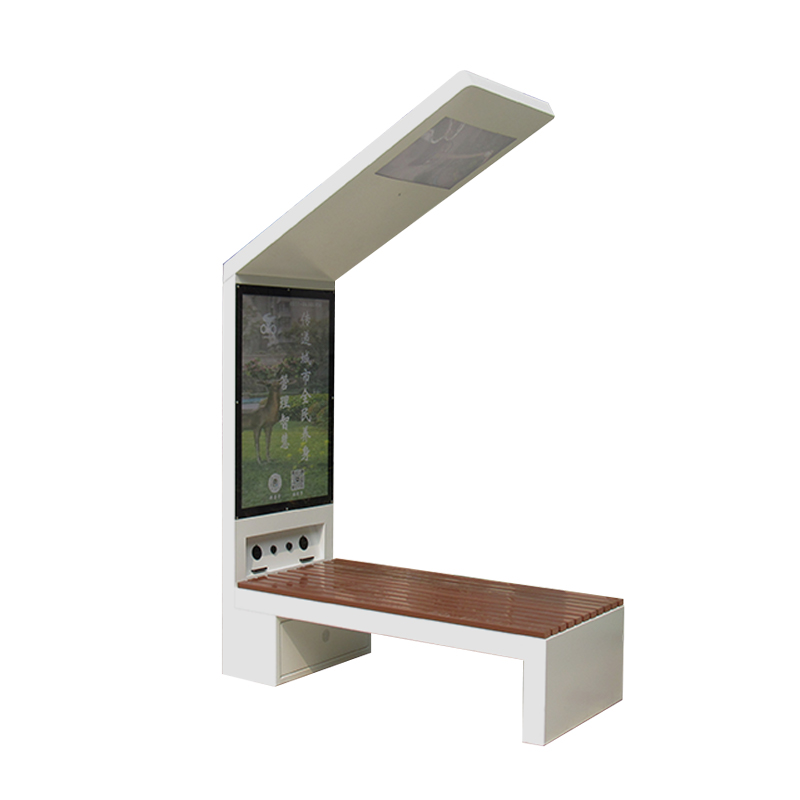 DDK-2000A Charging WIFI Solar Bench Outdoor Bench with Roof on the Top
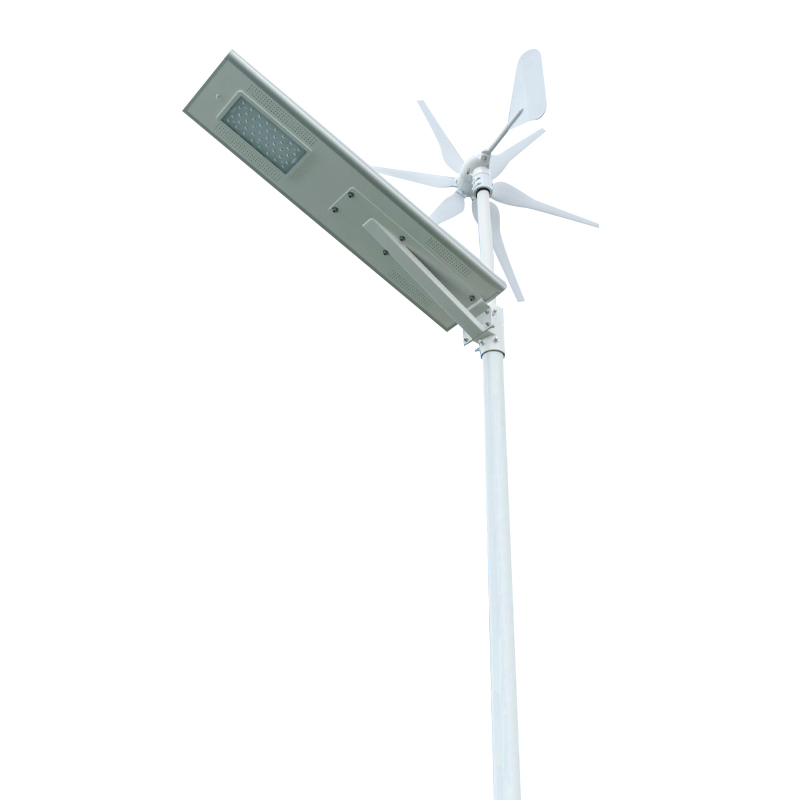 DDK G01 Solar&Wind Hybrid Integrated Optical Lens Solar All in One Light
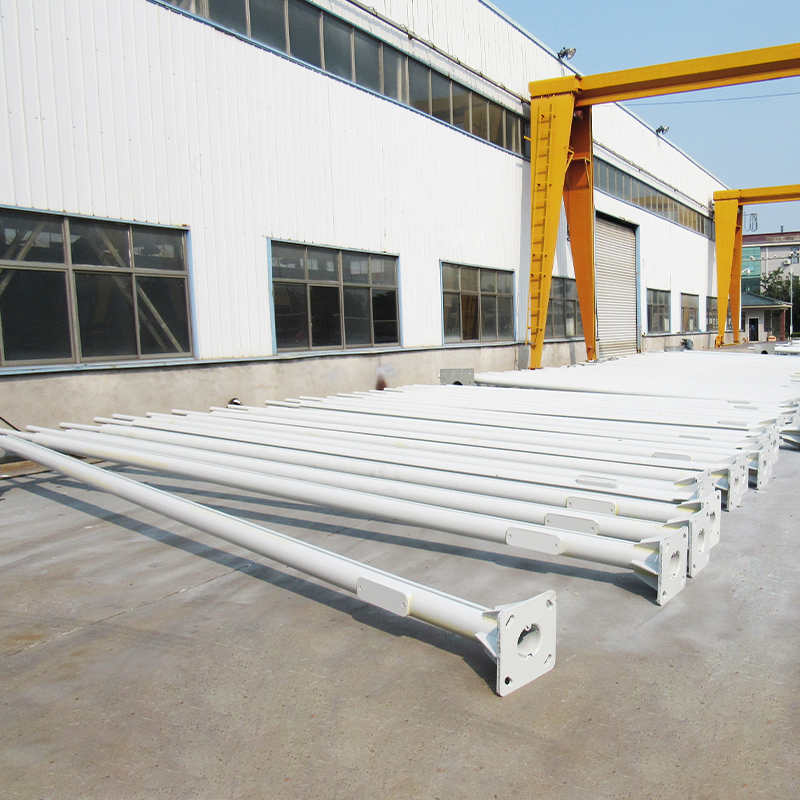 Customized Round Hexagon Octagonal Square Steel Street Light Poles for Outdoor Lightings
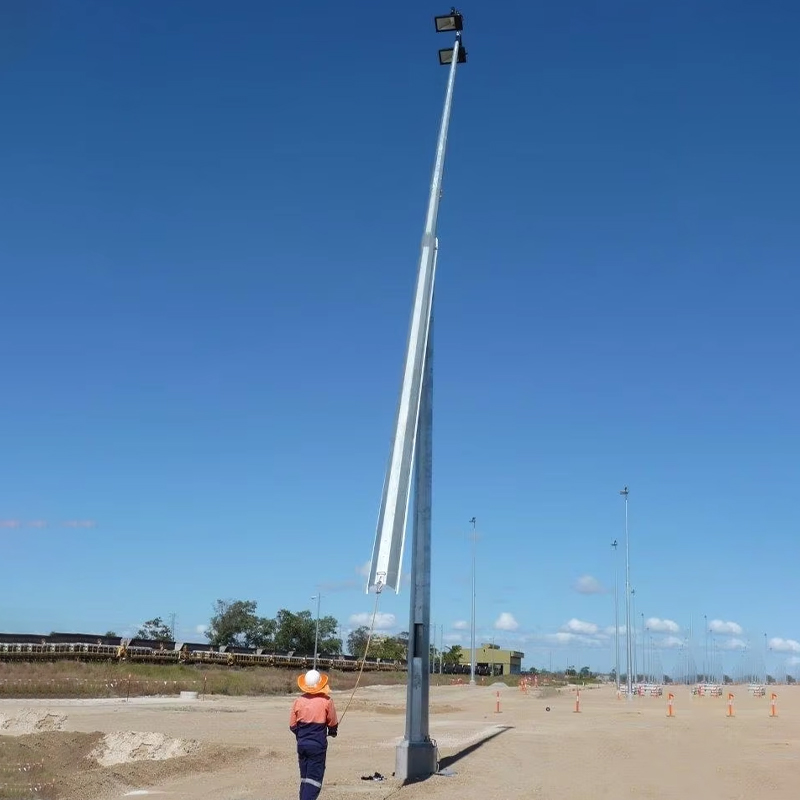 3 to 16M Galvanized Steel Hinged Poles
Contact us
180 meters south of the intersection of Nanbei Avenue and Xuba Road, Gaoyou City, Yangzhou City, Jiangsu Province, China.
+86-18811954888
ddk@cnddk.net
 English
 русский
 Español
 عربى
عربى

