
call us
+86-18811954888
2026-09-17
Consider what happened in a mid-sized city when it replaced 12,000 high-pressure sodium street lights with LED fixtures. Within the first year, the city measured a 58 percent drop in electricity consumption for street lighting. Maintenance crews completed only a third of the lamp change-out visits they had scheduled in previous years. Residents stopped calling about flickering amber lamps and instead asked why the new lights were so white, until the city set the fixtures to a warmer 3000K profile after midnight. That is a fairly typical experience, and it explains why the debate about LED street lights has moved from "if" to "how."
If you are responsible for a lighting network — a city utility, a private development, a campus, or an overseas infrastructure project — you have probably asked the same question: why did we switch to LED street lights? The short answer is that modern LED street lights deliver better visibility and lower total ownership costs than any conventional light source available today. But the full answer involves energy performance, maintenance cycles, light quality, environmental rules, and procurement decisions that often go wrong when rushed.
This article is written from the perspective of a manufacturer who has supplied street light poles and LED luminaires for export projects around the world. We have seen both the successes and the costly mistakes. We have measured energy consumption before and after retrofits, reviewed photometric files from dozens of suppliers, and helped project owners specify systems that survive in harsh climates. Below, we explain the real reasons cities and project owners are making the switch, what the numbers look like in practice, and what you should check before signing a contract.
To understand why the switch to LED street lights was not made earlier, it helps to look at what preceded it. High-pressure sodium (HPS) lamps became the default choice for street lighting in the 1970s and 1980s, replacing mercury-vapor lamps. At the time, HPS offered a then-respectable luminous efficiency of around 100 lumens per watt from the lamp itself and a service life of roughly 15,000 to 24,000 hours. For a public lighting manager in the 1980s, that was already a significant improvement over mercury vapor, which produced poor color rendering and required frequent replacements.
What made HPS acceptable for decades despite its limitations? First, efficiency was viewed in isolation: the lamp was efficient, even though the complete fixture wasted much of its output. Second, the warm amber light was familiar, and neither the public nor most elected officials asked for anything different. Third, maintenance expectations were low. Municipalities expected to relamp fixtures every three to five years, and they budgeted for it as a routine expense.
The weaknesses of HPS were just as real, but they were tolerated:
None of these issues were hidden. But no better alternative existed at scale — and repairing an existing HPS network was always cheaper than replacing it. The breakthrough came when LED technology crossed two thresholds: a luminous efficacy above 130 lumens per watt at the fixture level, and a rated lifetime above 50,000 hours. Once those were available in reliable commercial products, the economic and operational balance tilted decisively. Today, the questions are no longer about feasibility. They are about specification quality, financing, and project execution.
The simplest reason for switching is also the most powerful: LED street lights consume about half the electricity of an equivalent HPS system while providing the same or better illumination. In a typical installation, a 150-watt HPS street light draws about 180 watts including the ballast losses. A 60- to 80-watt LED luminaire with the same useful output draws roughly 70 to 90 watts. That difference alone reduces street lighting energy use by 50 to 60 percent.
The improvement is even larger when you compare optical performance rather than wattage alone. An HPS lamp emits light in all directions. The fixture's reflector and refractor must redirect the light downward, but some of it is trapped, absorbed, or scattered as glare. When all losses are counted, the complete HPS fixture is typically 60 to 80 lumens per watt. An LED street light uses individually aimed optics, so over 90 percent of the produced light reaches the target surface. Fixture-level efficacy of 130 to 190 lumens per watt is common today and continues to improve as LED packages and drivers become more efficient.
For a public authority, the practical impact is immediate. Street lighting often consumes 20 to 40 percent of a city's total electricity bill. A 55 percent reduction in street lighting consumption can translate into a 10 to 20 percent reduction of the entire municipal electricity budget. In cases where the old network was oversized or the luminaires were in poor condition, the savings can reach 70 percent. The same logic applies to private campuses, industrial yards, and commercial parking areas, where lighting is often one of the largest controllable loads on the electricity bill.
Let's put those numbers into a table that is easy to use in budget discussions.
| Parameter | 150W High-Pressure Sodium | 60W-80W LED Street Light |
|---|---|---|
| Total system wattage incl. ballast/driver | ~180W | ~70-90W |
| Fixture-level efficacy | 60-80 lm/W | 130-190 lm/W |
| Annual electricity per fixture (12 h/night) | ~788 kWh | ~306-394 kWh |
| Annual CO₂ per fixture, average grid | ~320 kg | ~125-160 kg |
| Lumen maintenance at 10,000 hours | typically ~80% | typically above 95% |
The table assumes a common 150-watt sodium fixture replaced by a 60- to 80-watt LED unit with equivalent road-surface illuminance. In many projects, the actual chosen LED wattage is determined by the required photometric distribution, mounting height, lane width, and uniformity. But the scale of the saving is consistent regardless of the exact wattage chosen. What matters is that the savings begin on the first night and continue for the life of the fixture.
The second decisive reason is service life. A conventional HPS lamp has a rated life of roughly 15,000 to 24,000 hours, and the ballast adds another possible failure point. When a street light is operated 11 to 12 hours per night — about 4,000 to 4,400 hours per year — the lamp needs to be replaced every three to five years. The lamp may still be burning beyond that period, but its light output has dropped well below the designed level. In many cities, the actual relamping interval is even shorter because voltage variations and dirty optical chambers accelerate degradation.
LED modules, by contrast, are designed for 50,000 to 100,000 hours, commonly defined by the L70 or L80 criteria published by the IES and evaluated with TM-21 calculation methods. For a network operator, that translates into a fixture life of 12 to 20 years without replacing the light engine. The immediate consequence is a steep reduction in maintenance costs.
A utility replacing lamps on a 1,000-fixture residential network will normally budget for around 200 to 300 lamp changes per year with sodium lamps. An LED installation of the same size would need almost no lamp changes for a decade. The bucket trucks, the traffic control, the technician hours, and the inventory of spare lamps — all of those costs shrink dramatically. In large networks, the labor saving alone can exceed the cost of the new fixtures over a ten-year period.
This is also where LED street lights fail differently from sodium lamps. A sodium lamp burns out completely, forcing an immediate replacement. An LED fixture at the end of its life loses brightness gradually as individual LEDs fail or the driver reaches end of life. The network slowly becomes dimmer rather than suddenly dark. That gives maintenance teams the flexibility to schedule bulk replacements before critical light loss, rather than reacting night by night to localized failures.
What about the environmental factors that affect the daily maintenance of LED street lights? Heat, humidity, salt spray, and temperature swings all influence the real-world lifetime. A well-designed LED street light with good thermal management keeps the junction temperature within range, which protects both the LEDs and the driver. That is why experienced buyers ask for thermal tests and driver specifications rather than just checking initial lumen output. A fixture that runs hot will lose brightness quickly, regardless of what the data sheet promises.
Energy and maintenance are the quantitative reasons, but light quality is the reason residents notice. An HPS street light makes a street look amber and flat. Colors of cars, clothing, and building facades are hard to distinguish. LED street lights provide white light with a color rendering index of 70 to 85, depending on the model. At a correlated color temperature of 3000K to 4000K, they make the same street look closer to daylight, with far better contrast.
The improvement in visibility is not cosmetic. Research on street lighting has found that drivers identify pedestrians and obstacles earlier under white light sources than under amber sodium light, especially at lower light levels. The explanation is connected with mesopic vision: at the illuminance levels used on secondary roads, the human eye still relies partly on rod photoreceptors, and rods are more sensitive to short-wavelength (bluish-white) light. White LED light therefore increases the effective sensitivity of the eye and reduces reaction time. Several studies report measurable reductions in nighttime collisions after LED conversions, although the exact numbers depend on the geometry and ambient conditions of each site.
LED optics also give the designer control that sodium fixtures never had. Each LED can be paired with a lens that distributes light in a precise pattern. A typical street light uses a batwing or asymmetric distribution to lay light evenly across the road surface. The result is higher uniformity: fewer bright patches directly under the pole and fewer dark gaps between poles. Uniformity and average illuminance are, in practice, as important as total lumen output — and this is where a well-designed LED fixture outperforms even a high-quality sodium installation. European standard EN 13201 and the IES recommended practices provide the calculation framework that turns these requirements into measurable numbers.
However, light quality can also prove irritating if selected incorrectly. Cool white light at 5000K or 6000K can make a residential area feel clinical and increases perceived glare, even when the measured luminance values are within technical limits. That is why we recommend 3000K or 3500K for residential streets and 4000K only for highways and commercial districts. We also recommend limiting luminaire glare through full-cutoff optics and proper mounting heights. It is entirely possible to have both excellent visibility and a comfortable nighttime environment — but only if the specification explicitly asks for it.
LED street lights are often discussed in connection with sustainability, and the connection is valid. They consume much less electricity, which means lower CO₂ emissions from power generation. They contain no mercury, unlike the sodium and mercury-vapor lamps they replace. Their long service life means fewer materials are consumed in replacement parts and fewer waste products are generated over the life of the installation. For cities reporting environmental metrics, this is not a symbolic gain; it is a measurable contribution to climate targets.
But the phrase "light pollution" needs careful treatment. Early LED installations sometimes increased light pollution because the fixtures were retrofitted into old housings with poor optical control, or because the contractor simply used too much light. The problem was never LED technology itself — it was improper application. Modern LED street lights with full-cutoff optics emit almost no light above the horizontal plane. They aim the light exactly where it is needed: on the road and sidewalk.
In fact, a properly designed LED installation can reduce skyglow and spill light compared with the old system, while lowering the total installed lumens. The key is to specify a full-cutoff classification and to avoid over-lighting with unnecessarily high lumen packages. Tools such as the IES BUG rating (backlight, uplight, glare) help planners express these requirements in numerical form.
There is also the color question. Environmentally conscious communities prefer warmer color temperatures because light near 3000K has less blue content, which reduces impacts on wildlife and human circadian rhythms. Many dark-sky advocacy groups now accept 3000K LED lighting with full-cutoff optics as a responsible choice. For projects near parks, waterfronts, or wildlife corridors, a dimming schedule that reduces output during late-night hours is an additional step toward reducing the environmental footprint of street lighting.
The third reason the switch is happening now, rather than five or ten years earlier, is the arrival of digital controls. An LED driver is an electronic component that can communicate with the outside world. With a simple 1-10V dimming interface, DALI protocol, or a networked controller, each luminaire can be dimmed, scheduled, and monitored remotely. A sodium street light is a passive device: apply power and it lights up. It can be switched only on or off, which means the entire network is either fully on or fully off.
Adaptive lighting is the most visible benefit. On a residential street, full illuminance may only be needed in the early evening hours and again in the early morning, while less light is adequate between midnight and 5 a.m. With dimmable LED street lights, the city can automatically reduce output to 30 to 50 percent during those hours. That saves an additional 30 to 40 percent of energy beyond the initial switch. Over the life of an LED installation, controls can almost pay for themselves.
Remote monitoring goes even further. A networked lighting system reports the status of each fixture: current draw, lamp hours, failures, and even voltage quality. Instead of waiting for residents to call and report a dark street, the operations center sees the fault immediately and dispatches a crew with the correct spare parts. In a district of 5,000 lights, this can reduce outage detection time from days or weeks to minutes. For private developments and industrial sites, the same monitoring data helps with energy allocation and asset management.
LED is also the only street lighting technology that works naturally with solar power. Solar street lights need low-voltage DC operation and have to be dimmable to match battery capacity. LED light sources integrate with these systems seamlessly, which is why solar street lights — including all-in-one units and separated solar pole lights — almost always use LED lamps. This combination is expanding rapidly in rural and off-grid applications, where grid extension costs are prohibitive.
If LED street lights are so obviously better, why hasn't every city already completed the switch? The honest answer is the upfront cost, plus the complexity of a large procurement and installation project. A quality LED street light costs more than a replacement sodium lamp. When you also consider the cost of new wiring, controllers, and sometimes new poles, the initial investment is substantial.
But the economics improve quickly. Let us look at a realistic example. Suppose a project replaces 1,000 old 150-watt HPS street lights with 70-watt LED units. The electricity rate is assumed to be $0.12 per kWh, and the lights run 12 hours per night, which corresponds to about 4,380 hours per year.
| Item | HPS Baseline | LED Replacement |
|---|---|---|
| System wattage | ~180W | ~70W |
| Annual electricity per fixture | ~788 kWh | ~306 kWh |
| Annual energy cost per fixture | $94.6 | $36.8 |
| Annual maintenance cost per fixture | $18.0 | $4.0 |
| Total annual cost per fixture | $112.6 | $40.8 |
| Total annual cost for 1,000 fixtures | $112,600 | $40,800 |
| Annual savings | $71,800 | |
With savings of roughly $71,800 per year, a total project cost of $350,000 to $500,000 pays back in five to seven years. For the remaining ten years of the LED fixtures' practical life, those savings continue almost unchanged. The example does not yet include the value of fewer maintenance callouts, which further shortens the payback period.
Financing mechanisms are also improving. Some suppliers offer energy savings performance contracts, under which the installation cost is recovered from the electricity savings over a fixed period. In other cases, leasing arrangements shift the capital burden to a financing partner. These options are particularly attractive for municipalities that cannot raise a large capital sum in a single budget year.
A few procurement pitfalls determine whether those numbers are achieved:
If all four points are met, the return on investment calculation above is conservative. If they are ignored, early failures and reduced light output can wipe out a large share of the expected savings.
We have supplied outdoor lighting products across many countries, and we have also been asked to replace failing LED installations sold by less experienced suppliers. The failure modes are consistent, and they are avoidable.
Some early LED street lights used simple round optics that produced bright glare at wide angles. The road looks "bright," but drivers struggle to see objects in the shadowed zones. The fix is a dedicated asymmetric optic designed for the actual pole height and road width. In an open tender, this point shows up only if you compare photometric files rather than maximum luminous flux.
When a city specifies 5000K or 6000K everywhere, residents usually complain about harshness and glare. Good practice is 3000K for residential streets and 4000K for main roads. This preference has been adopted in many municipal LED specifications in Europe and North America, and it is simple to follow.
The driver is the most vulnerable component in an LED street light. If the surge protection is limited to 2kV or 4kV, a lightning strike a few hundred meters away can destroy dozens of drivers at once. We always recommend surge immunity of at least 10kV and, if the area is lightning-prone, an external surge protection device on the distribution board.
Street lights live outdoors for decades. A fixture with a low ingress protection rating will draw in moisture, and the result is often internal corrosion, fogged optics, and premature driver failure. Specifying an IP66 rating and a marine-grade powder coat is not over-engineering; it is the minimum reasonable protection for equipment mounted in the open air for twenty years.
Converting to LED means removing hundreds or thousands of lamps that contain mercury. These cannot go into regular municipal waste. An experienced contractor will include a recycling plan for mercury-containing HPS lamps, old ballasts, and non-recyclable fixtures. The cost of professional disposal is modest, but it must be budgeted.
The number of operating hours per year varies strongly with latitude. In northern climates, a street light easily runs 4,300 hours per year; in southern regions, it can be 3,600 hours. Dimming schedules and photoelectric controller settings must be adapted to each location. We have seen projects where the expected annual energy saving was calculated with 4,300 hours, but the actual operation was 3,800 hours — and the investor questioned the result because the calculation assumption was wrong.
Before finishing, let us look at the specification of a dependable LED street light system, based on what we ship for export projects and what has proven reliable in the field.
A typical modern LED street light for a two-lane residential road uses 40W to 100W of LED power. It should include a constant-current driver with a wide input voltage range, an optional dimming interface, and an IP66-rated housing confirmed by a test certificate. The optics should be a replaceable, UV-stabilized lens plate with a distribution tailored to the street geometry. The housing should be die-cast aluminum with a powder-coated finish that resists corrosion for many years. A surge protection device inside the luminaire is a strong indicator of a well-designed product. In our own catalog, the DDKLD121 series covers 40 to 200 watts with several color temperatures and is frequently used in municipal retrofits.
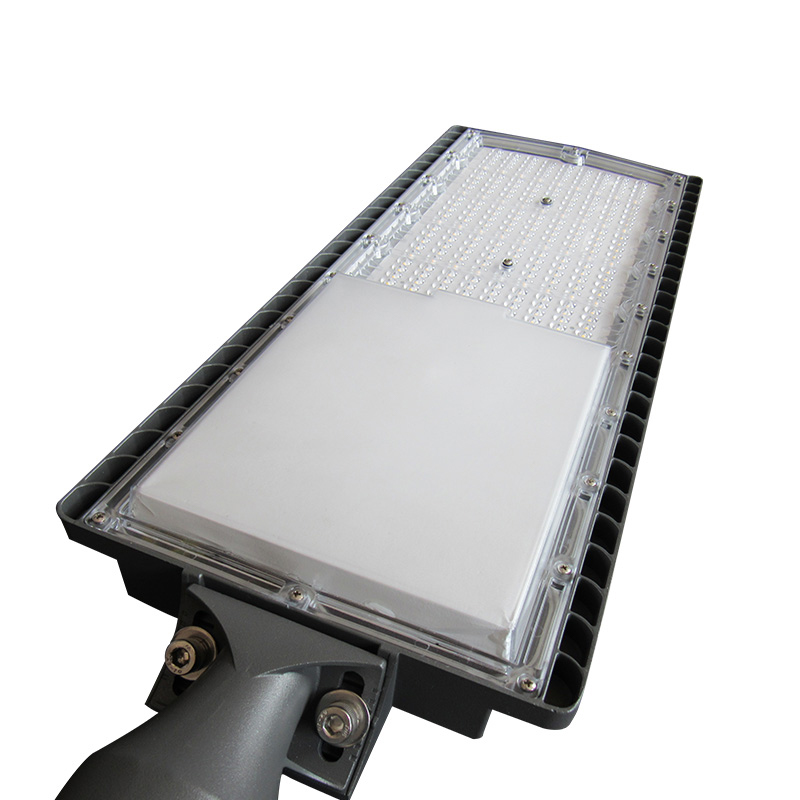 DDK-LD121 Series LED Street Light for Municipal RetrofitsThis 40-200W LED street light features die-cast aluminum housing, IP66 protection, and replaceable optics, making it a reliable choice for upgrading residential roads and urban areas with high efficiency and long lifespan.View Product →
The best LED luminaire is only as good as the pole that supports it. Existing poles can often be reused if they are structurally sound and made of galvanized steel with sufficient height and the correct bracket fit. New projects benefit from customized pole geometry: round, hexagonal, octagonal, or square sections, in heights from 3 to 16 meters. A manufacturer that produces both the pole and the luminaire has a major advantage because the fit, the wiring path, and the aesthetic finish can be coordinated in a single design review. That is why we produce street light poles in-house in addition to light fixtures.
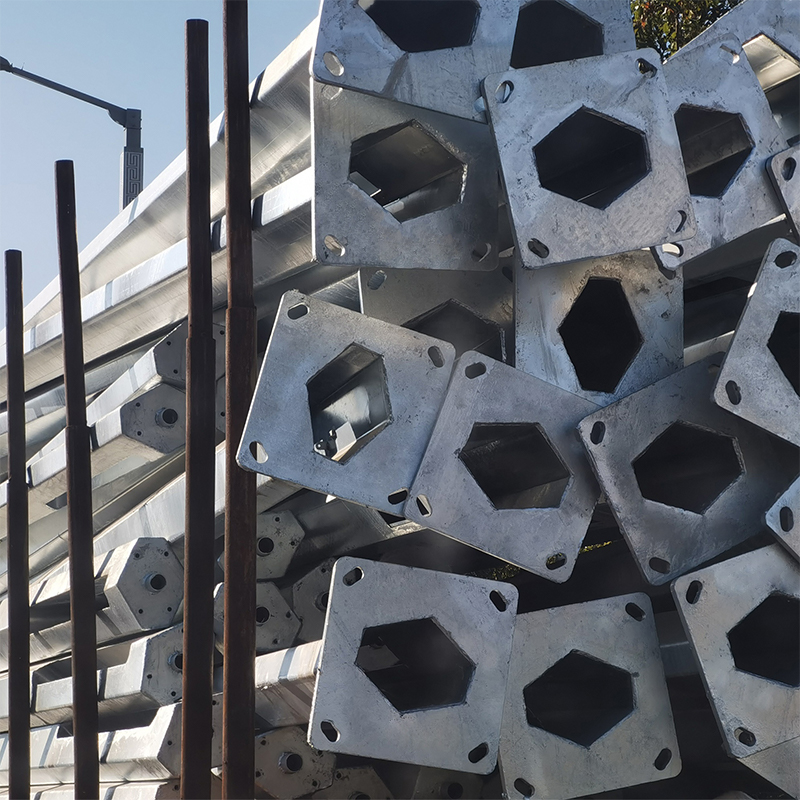 Customized Steel Street Light Poles in Round, Hexagonal, Octagonal, Square SectionsThese in-house produced poles from 3 to 16 meters offer tailored geometry and finish, ensuring proper fit and coordinated wiring with matching luminaires, ideal for new projects or replacing existing infrastructure.View Product →
LED is also the natural partner for solar power. A solar street light combines a photovoltaic panel, a battery, a controller, and an LED luminaire into one self-contained system. These systems are common for village roads, parks, and remote sites where trenching and grid connection are expensive. Because LED drivers operate on low-voltage DC, they integrate easily with solar-charging systems. If you are evaluating an off-grid installation, look for an integrated photovoltaic solution that is sized correctly for the latitude and the required hours of autonomous operation — not just a bundled package with a generic controller. A properly sized system should provide at least three to five consecutive overcast days of backup, a figure that is often overlooked.
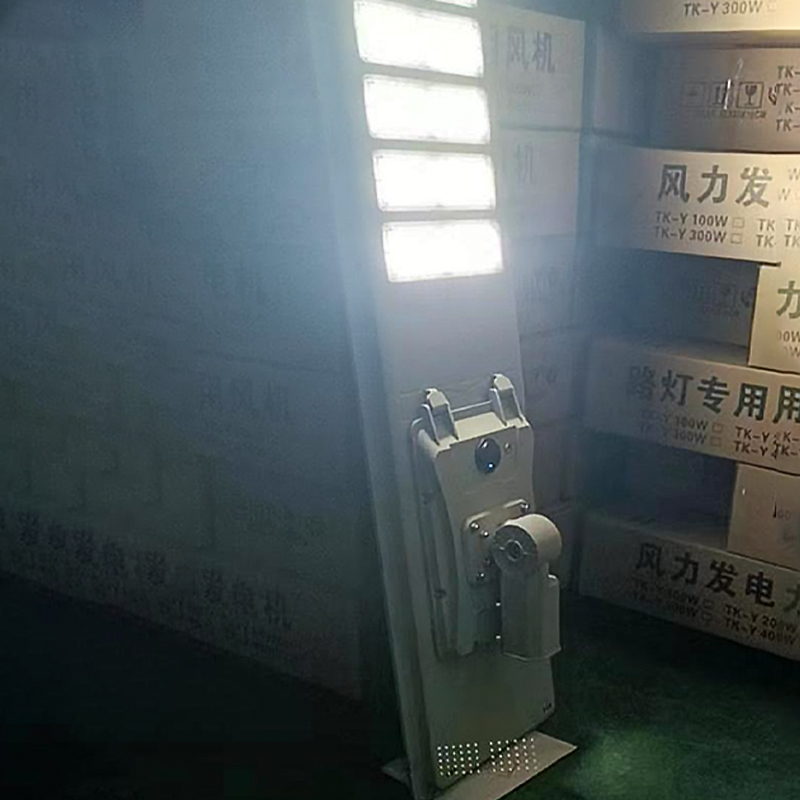 DDK-S0219 Solar All-in-One Street Light with 100W PanelA self-contained solar street light with a 100W panel and 150W LED, designed for off-grid sites. It provides efficient illumination with 130 lm/W and a 3-year warranty, suitable for parks and remote roads.View Product →
Why did we switch to LED street lights? Because LED is the only technology that solves the three largest problems in public lighting at once — energy consumption, maintenance cost, and light quality — and it adds the benefit of digital controllability. Sodium lamps dominated for decades because they were the best option at the time. LED street lights dominate today because they are the best option by almost every measurable criterion.
The important part is not simply choosing LED, but choosing LED correctly. At this point, almost everyone knows that LED saves electricity. The difference between a successful project and a disappointing one lies in the details: photometric design, color temperature, surge protection, thermal management, driver quality, and the reliability of the supplier behind the hardware. The same technology that yields a 55 percent energy saving in one city can produce a string of early failures in another if the specification was written around price alone.
If you are planning a street lighting retrofit, take the time to ask for photometric calculations, check the warranty conditions, and visit an existing installation from the same supplier. A responsible manufacturer welcomes these requests. Our own experience at DDK Tech Elefacility is that buyers who ask the right questions are also the ones who get the best long-term results.
The technology has made the decision easy. The engineering is what makes it successful.
Related Products
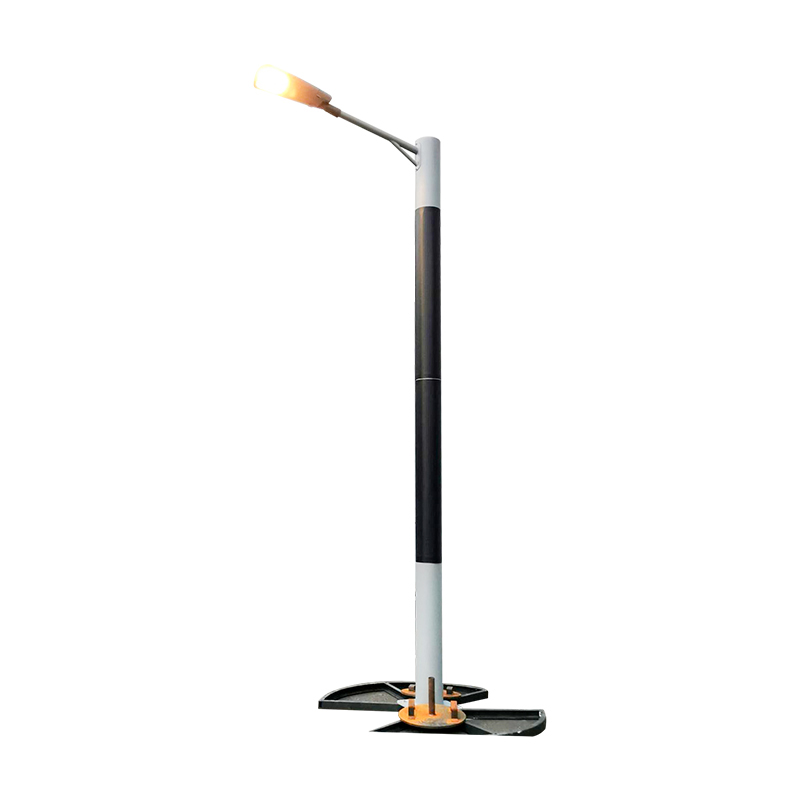 DDK-SSPL-2000 Cylinder Solar Pole Single/Double Arms And Street LED Lamps
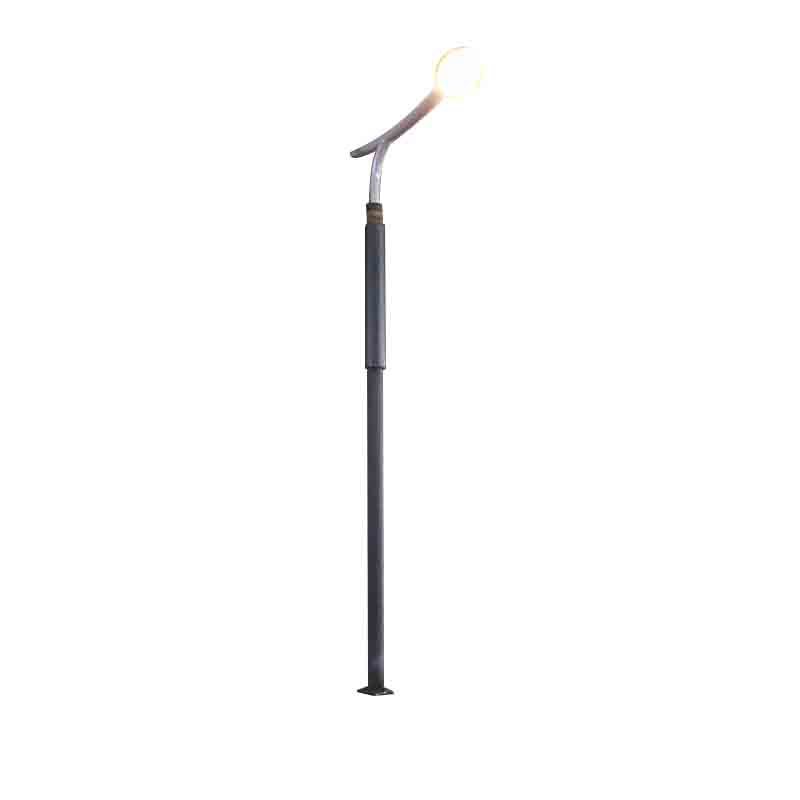 DDK-SSPL-2002 Cylinder Solar Pole With Lamp Head
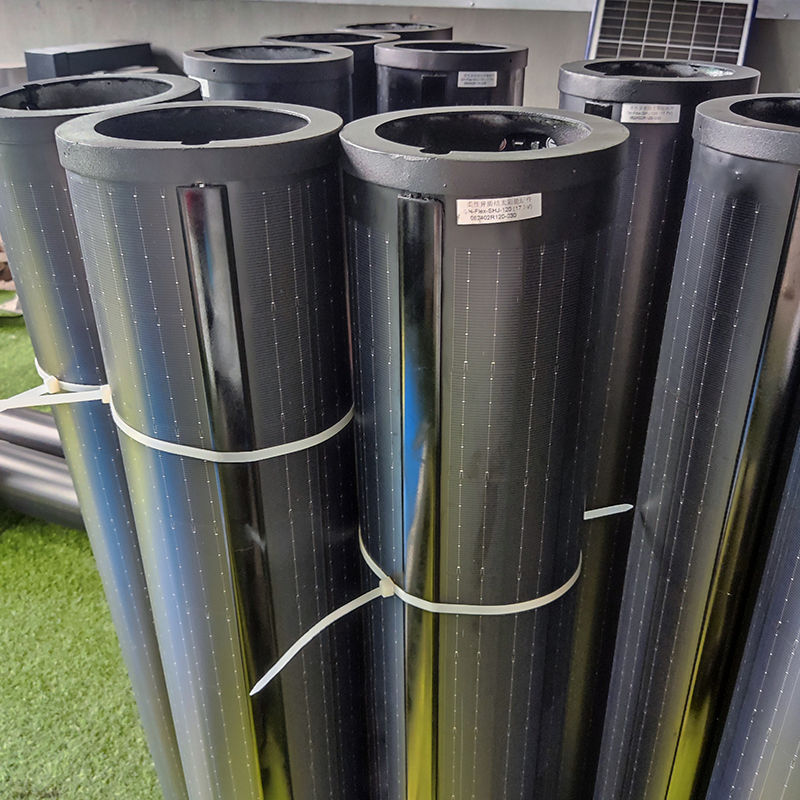 140W Flexible Solar Panel: High-Performance, Elegant and Versatile Power Solution for Lighting Poles and Park Lightings
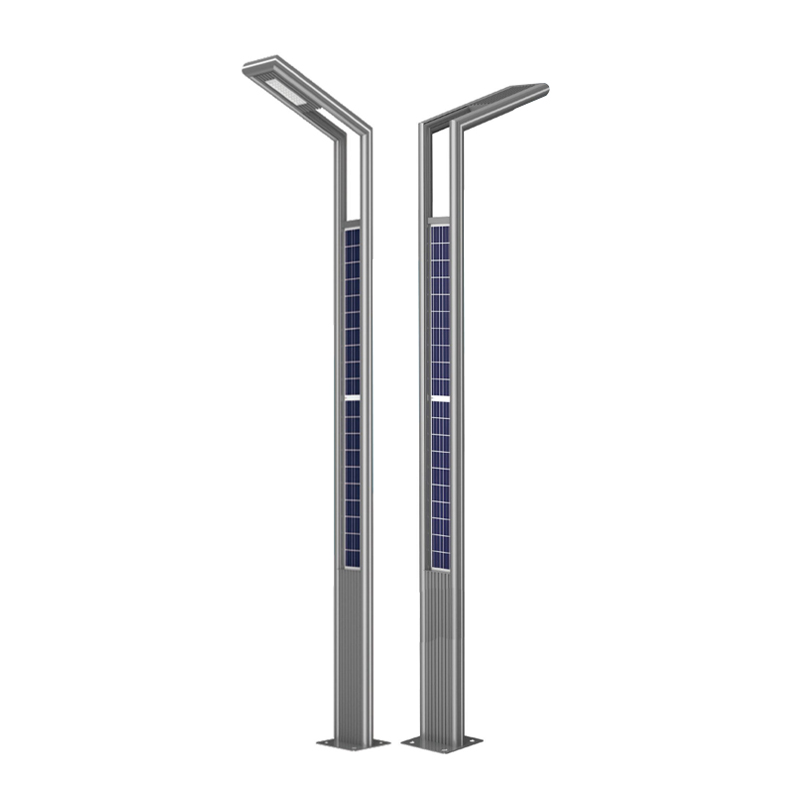 DDK-GN003 Double Sides Integrated Solar Aluminium Pole
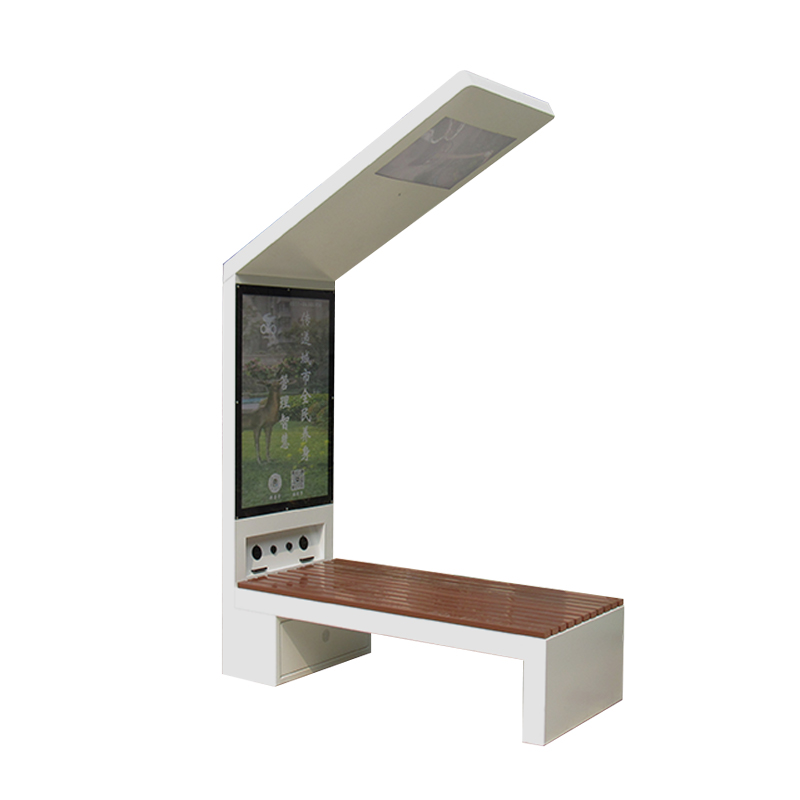 DDK-2000A Charging WIFI Solar Bench Outdoor Bench with Roof on the Top
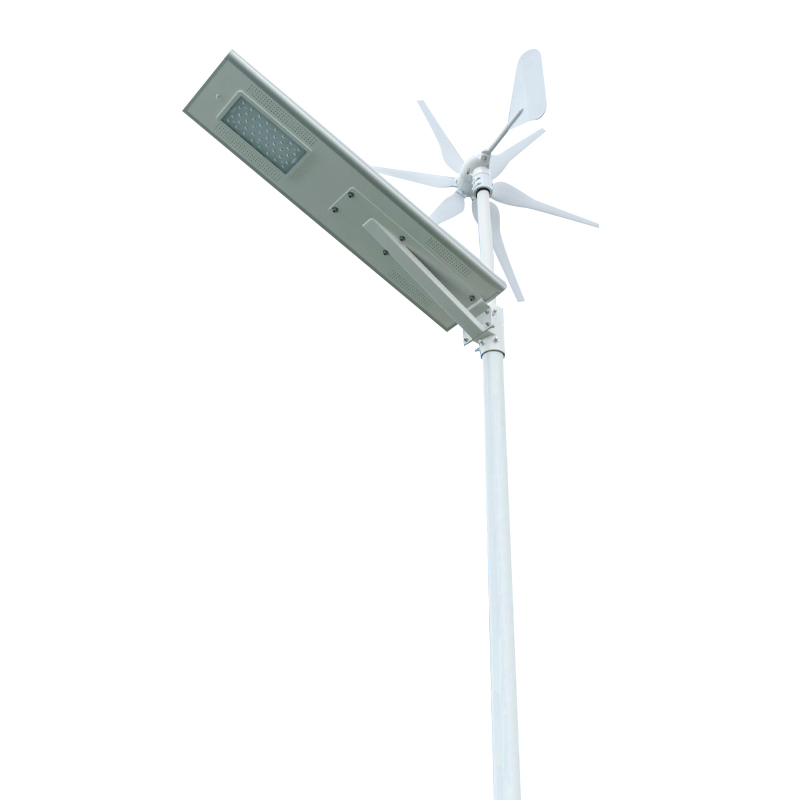 DDK G01 Solar&Wind Hybrid Integrated Optical Lens Solar All in One Light
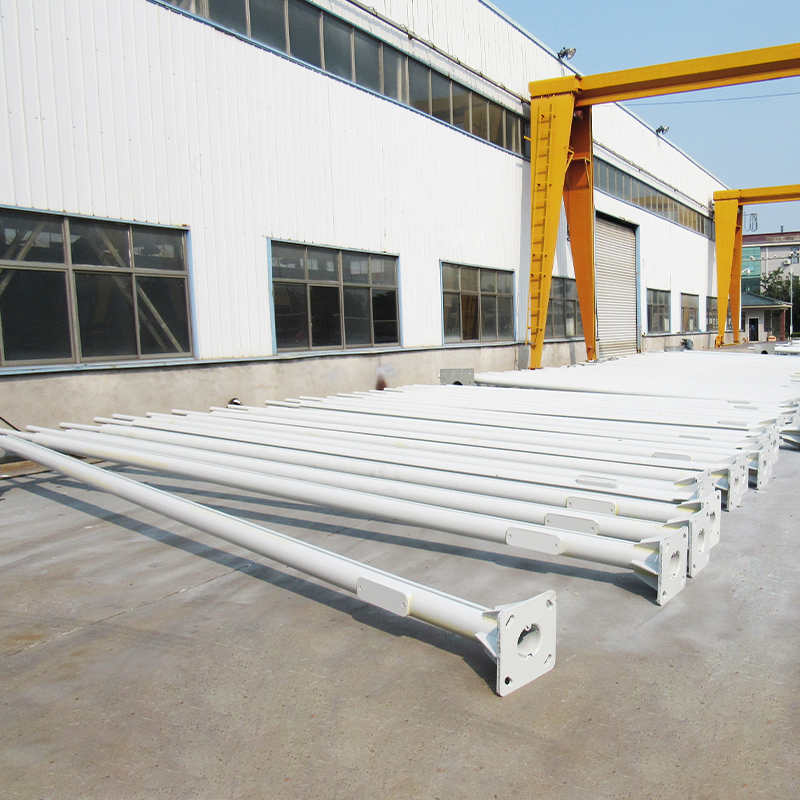 Customized Round Hexagon Octagonal Square Steel Street Light Poles for Outdoor Lightings
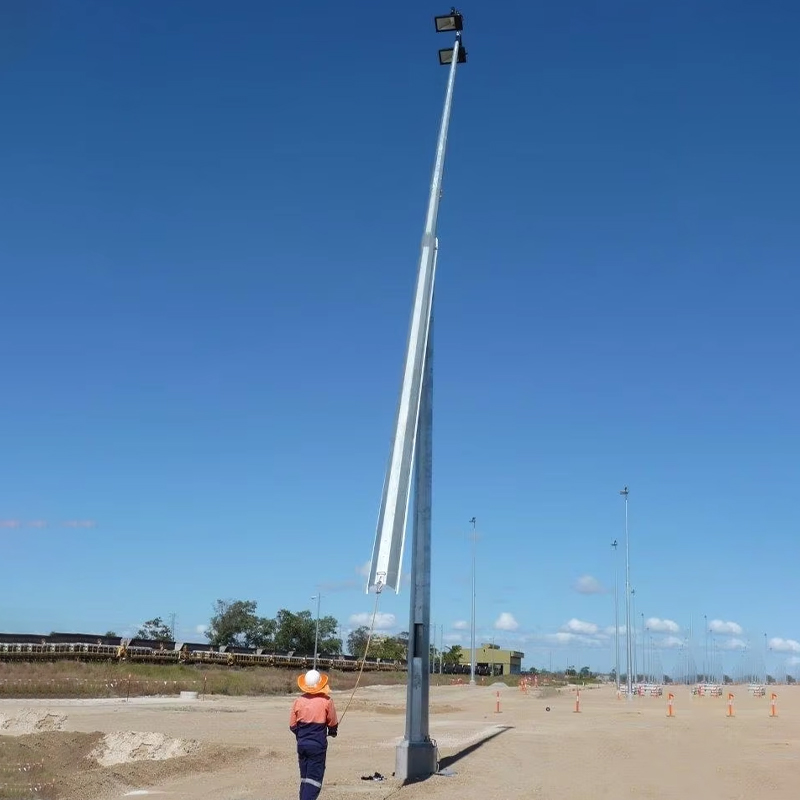 3 to 16M Galvanized Steel Hinged Poles
Contact us
180 meters south of the intersection of Nanbei Avenue and Xuba Road, Gaoyou City, Yangzhou City, Jiangsu Province, China.
+86-18811954888
ddk@cnddk.net
 English
 русский
 Español
 عربى
عربى

