
call us
+86-18811954888
2026-05-28
The integration of outdoor illumination within municipal landscapes, commercial properties, and residential estates is a multi faceted engineering and architectural challenge. Beyond the selection of high efficiency light emitting diode luminaires, the structural supports that position these light sources play a critical role in the safety, performance, and visual harmony of the overall environment. Among the various materials available for outdoor structural poles, aluminium has emerged as a premier selection for designers who require long term durability without sacrificing geometric versatility.
Selecting the right support structure involves evaluating how environmental factors, mechanical loads, and architectural styles interact over decades of exposure. This comprehensive guide examines the mechanical, metallurgical, and aesthetic characteristics of aluminium garden light poles, detailing why they are favored by professional landscape architects and municipal engineers alike.
To understand the superior structural characteristics of aluminium garden light poles, it is necessary to examine the physical chemistry of the specific alloys used in their construction. Aluminum in its pure form is relatively soft and lacks the tensile strength required to withstand severe environmental loads. Therefore, manufacturers alloy raw aluminum with specific elements to enhance its mechanical properties while preserving its natural lightweight advantages.
The primary reason designers specify aluminium outdoor light poles wholesale for coastal areas and urban environments is the material's innate ability to resist atmospheric corrosion. When aluminum is exposed to oxygen, it instantly forms a microscopic, continuous, and chemically inert layer of aluminum oxide on its surface. This self passivating barrier prevents oxygen and moisture from contacting the underlying metal, effectively halting the oxidation process.
Unlike iron, which produces a porous, expanding oxide layer known as rust that flakes away and exposes fresh metal to further degradation, the aluminum oxide layer remains tightly bound to the metal substrate. In industrial locations with elevated levels of sulfur dioxide, or coastal zones characterized by high atmospheric salt concentrations, this natural oxide barrier can be further enhanced through specialized electrochemical treatments. The chemical stability of aluminum ensures that the structural integrity of the pole remains unimpeded over several decades, reducing the risks of sudden structural failures that can occur with corroded steel or rotting wooden supports.
The structural design of any vertical light pole must account for the physical forces exerted by wind velocity, which is often referred to as wind load. Engineers utilize specific structural alloys, primarily from the 6000 series aluminum family, to ensure the pole can withstand high velocity wind gusts without undergoing permanent deformation. Alloy 6063 and alloy 6061 are the two most common formulations utilized in the extrusion of hollow structural tubes for lighting poles.
Alloy 6063 contains magnesium and silicon as its primary alloying elements, which provides an excellent balance of moderate tensile strength, high surface finish quality, and outstanding weldability. For projects requiring elevated structural load capacities, such as tall decorative garden light poles that support heavy, multi head luminaire fixtures, alloy 6061 is often selected. This alloy undergo artificial aging processes to achieve a T6 temper state, which significantly increases its yield strength to a level comparable to mild structural steel while maintaining only a fraction of the physical weight. This favorable strength to weight ratio minimizes the structural dead load on foundations and simplifies the overall transportation and installation workflows.
The transformation of raw aluminum billets into elegant, structural light supports requires a combination of precise mechanical shaping and advanced chemical surface finishes. Each stage of the manufacturing process is designed to optimize the mechanical grain structure of the metal and apply a barrier that protects the exterior from physical wear and ultraviolet radiation.
The production of seamless hollow poles begins with the mechanical extrusion process. High purity aluminum alloy billets are heated inside a gas furnace to a plasticized state, typically around 400 to 500 degrees Celsius, where the metal becomes highly malleable but remains solid. A massive hydraulic press then forces the heated billet through a precision steel die under immense pressure. The shape of the die determines the profile of the pole, allowing manufacturers to create circular, square, fluted, or octagonal geometries with uniform wall thickness.
As the extruded profile emerges from the die, it is cooled rapidly using water mist or forced air, a process known as quenching, which initiates the thermal strengthening process. The long extruded profiles are then stretched mechanically to ensure perfect straightness before being cut to specific project lengths. Precision machining centers then drill the handhole access ports, wire entry channels, and base plate mounting holes, ensuring all mechanical tolerances are tightly controlled to allow for seamless integration of electrical components.
To provide a long lasting aesthetic finish and add an extra layer of environmental defense, extruded poles undergo rigorous surface treatment procedures. The most prevalent method is electrostatic powder coating. Before the powder is applied, the aluminum pole must undergo a meticulous multi stage pre treatment process. This involves acid cleaning to remove residual mill oils, followed by a chemical conversion coating that promotes maximum adhesion of the top coat.
During the coating phase, dry thermoplastic or thermosetting polymer powder is fluidized and sprayed through an electrostatic gun, which imparts a positive electrical charge to the powder particles. The aluminum pole is electrically grounded, creating an electrostatic field that attracts the charged powder evenly across the entire surface, including intricate decorative flutes and recessed channels. The coated pole is then transferred to a curing oven heated to approximately 200 degrees Celsius, where the powder melts, flows, and chemically cross links to form a hard, non porous, and highly UV resistant protective skin. Alternatively, anodizing can be employed, which is an electrochemical process that thickens the natural oxide layer, turning it into a highly durable, integrated ceramic finish that can be dyed in bronze, black, or metallic silver tones.
Selecting the optimal material for light poles requires an objective evaluation of the physical performance characteristics of alternative options. The table below outlines how aluminium poles compare to steel, wood, and fiberglass materials across several critical operational categories, helping project planners make informed decisions based on lifecycle costs and environmental demands.
|
Support Material |
Structural Weight and Density |
Environmental Corrosion Resistance |
Long Term Maintenance Needs |
Aesthetic Customization Potential |
|---|---|---|---|---|
|
Extruded Aluminium |
Extremely lightweight material that reduces transport costs and simplifies manual handling during installation |
Superior resistance to moisture, salt spray, and urban industrial chemical pollutants |
Minimal cleaning required with zero need for periodic repainting or rust treatment |
Highly versatile with options for custom geometric extrusions, fluting, and durable powder finishes |
|
Galvanized Steel |
High density material requiring heavy lifting equipment and complex foundation engineering |
Subject to localized rust and galvanic corrosion if the zinc protective coating is scratched |
Requires periodic inspection of welds and potential recoating to prevent structural oxidation |
Generally limited to basic tubular or octagonal shapes with a utilitarian industrial appearance |
|
Pressure Treated Wood |
Moderate weight but subject to warping and dimensional changes caused by moisture absorption |
Highly vulnerable to decay, rot, fungal attacks, and subterranean termite infestations |
Demands frequent chemical treating and painting to maintain structural integrity and appearance |
Offers a rustic, natural appearance but lacks the modern geometric flexibility of metals |
|
Composite Fiberglass |
Very lightweight but can become brittle under prolonged exposure to high wind forces |
Excellent resistance to chemical attack but can experience UV degradation and surface chalking |
Requires occasional surface sealing to prevent fiber blooming caused by sun exposure |
Smooth surfaces are available but cannot achieve the sharp, detailed decorative profiles of metal |
The long term stability and safety of a residential garden light pole installation depends heavily on the execution of proper mechanical anchoring and electrical ground preparation. Because garden light poles are situated in high traffic pedestrian zones, the installation must be engineered to prevent tilting, structural fatigue, and electrical hazards under all foreseeable weather conditions.
Before any excavation begins, installers must perform a qualitative assessment of the soil conditions at the designated site. Soft, sandy soils or clay rich soils that retain high volumes of water have lower load bearing capacities, requiring wider and deeper concrete footings to distribute the overturning moment generated by wind loads on the pole. The concrete footing acts as a heavy anchor that resists the physical forces attempting to pull the pole out of the ground.
For standard residential installations, a cylindrical hole is excavated using a power auger, with the depth extending well below the local frost line to prevent ground heaving during freezing cycles. A rigid steel reinforcing cage is positioned within the excavation, and heavy duty steel anchor J bolts are suspended in a precise pattern using a plywood template that matches the bolt circle of the aluminium pole base plate. High strength concrete is poured into the excavation and vibrated to eliminate air voids, then allowed to cure for several days until it reaches its design compressive strength before the aluminum post lights for garden yard are mounted and tensioned.
The electrical integration of garden lighting must adhere strictly to local electrical safety codes to prevent ground faults and electrical shock hazards. Systems generally utilize either high voltage mains electricity or low voltage power networks, each requiring different containment strategies. High voltage systems, typically operating at 120 volts or 240 volts, demand that all electrical supply cables are housed within rigid, non metallic electrical conduits buried at a safe depth beneath the soil surface.
The electrical conduit emerges from the center of the concrete footing and enters the hollow interior of the aluminium pole through the base plate. Inside the pole, an integrated handhole access cover, located a short distance above the ground line, allows technicians to access the wiring connections easily. All electrical terminations must be made within an approved junction box using water tight wire connectors to prevent moisture condensation from causing short circuits. Additionally, because aluminum is an excellent conductor of electricity, the pole itself must be securely bonded to an equipment grounding conductor that connects directly to a copper grounding rod driven deep into the earth, ensuring any electrical fault immediately trips the circuit breaker rather than energizing the exterior surface of the pole.
Modern landscape architecture demands that functional utility coexist harmoniously with visual design. The physical flexibility of aluminum allows manufacturers to produce decorative garden light poles that complement a vast array of stylistic themes, from classical historic estates to ultra minimalist contemporary developments.
The aesthetic versatility of aluminum extrusion allows designers to select profiles that match the specific architectural character of a property. For historic restoration projects or classical garden designs, poles can be manufactured with decorative fluted channels, ornamental cast aluminum bases, and classic scroll brackets that mimic traditional cast iron craftsmanship. These detailed elements add a sense of timeless elegance to parks, historical pathways, and traditional residential estates, while offering the modern benefit of rust free performance.
In contrast, contemporary commercial plazas and high end residential developments often specify minimalist geometric profiles. These designs utilize clean, square, rectangular, or straight cylindrical poles with flush access doors and hidden mounting hardware, creating a seamless visual transition between the light pole and nearby architectural facades. The ability to specify precise heights, taper ratios, and custom color profiles allows the lighting supports to serve as active design elements that enhance the spatial organization of the landscape during both daytime and nighttime hours.
The functionality of modern outdoor lighting structures has expanded significantly beyond the simple support of a light fixture. The hollow nature of aluminium garden light poles, combined with the ease of machining the alloy, makes them ideal platforms for integrating smart landscape technologies. Engineers can easily cut precise apertures to accommodate integrated motion sensors, ambient light phototransistors, and wireless control antennas without compromising the structural load capacity of the pole.
The top of the pole can be configured with various tenon diameters or custom mounting brackets to accommodate a diverse selection of high efficiency luminaires, including post top lanterns, directional floodlights, or modern architectural downlights. This structural adaptability ensures that as lighting technologies continue to advance, the physical pole infrastructure can easily accommodate system upgrades, providing property owners with a highly adaptable, long term investment that enhances both the security and visual beauty of their outdoor environments.
Related Products
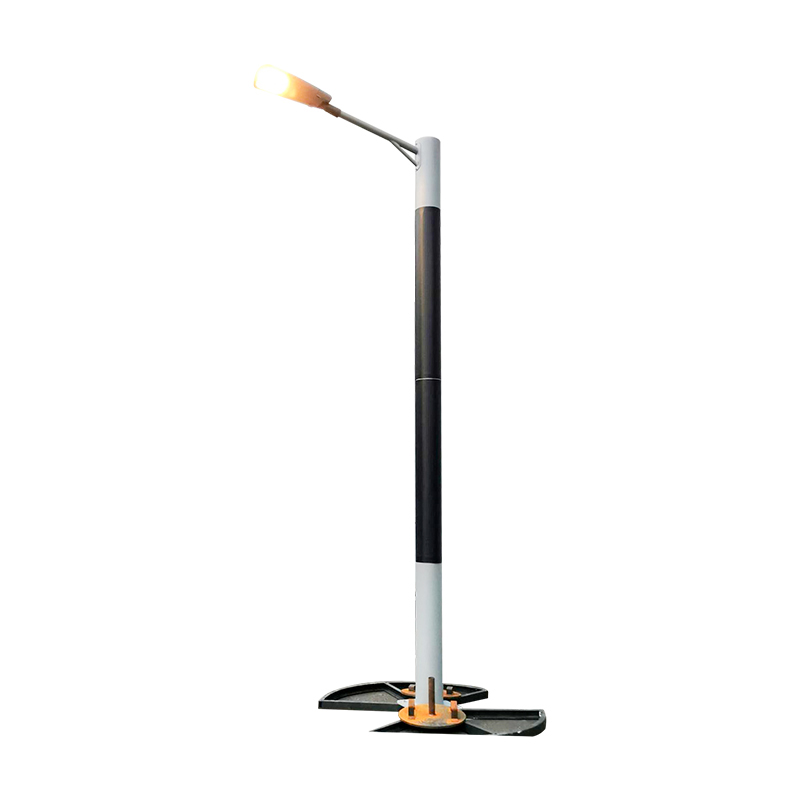 DDK-SSPL-2000 Cylinder Solar Pole Single/Double Arms And Street LED Lamps
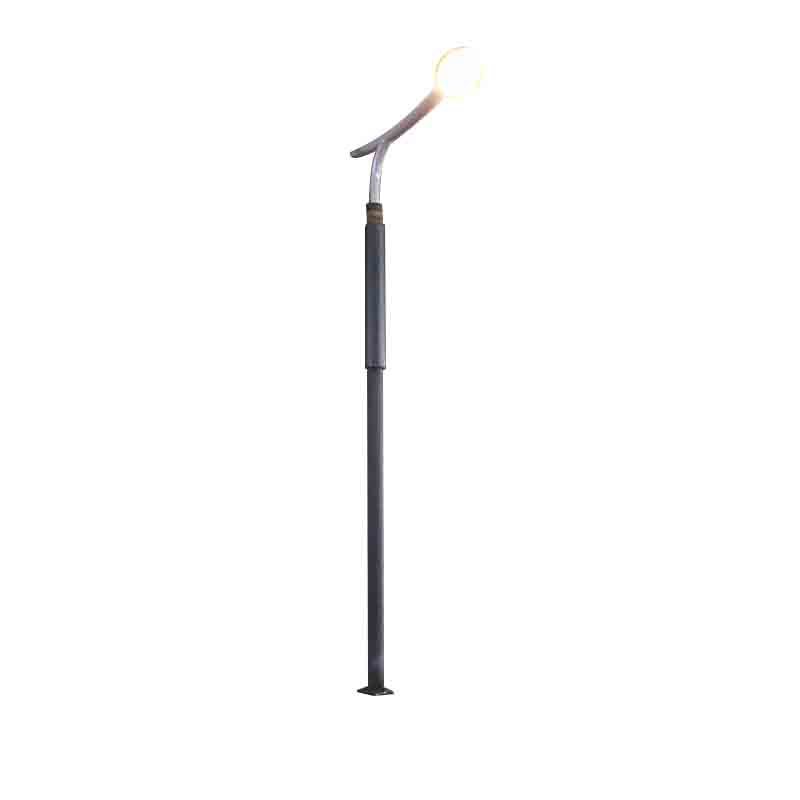 DDK-SSPL-2002 Cylinder Solar Pole With Lamp Head
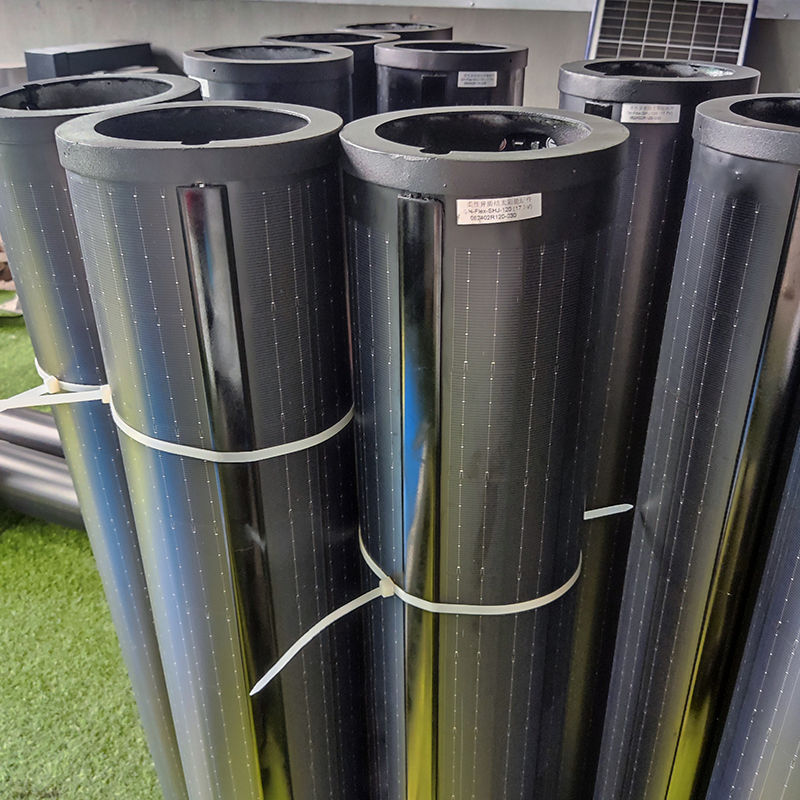 140W Flexible Solar Panel: High-Performance, Elegant and Versatile Power Solution for Lighting Poles and Park Lightings
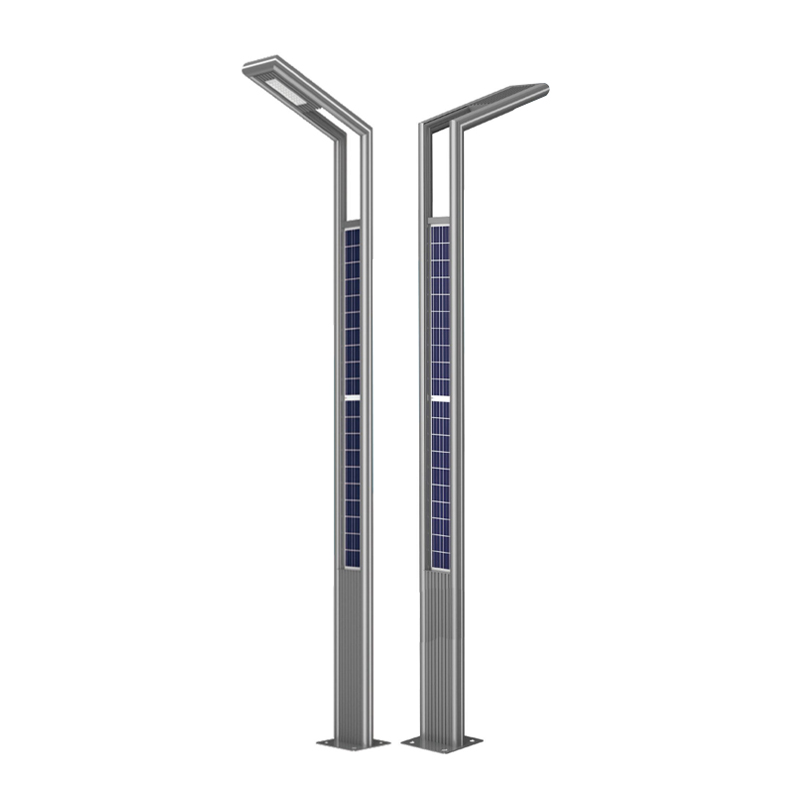 DDK-GN003 Double Sides Integrated Solar Aluminium Pole
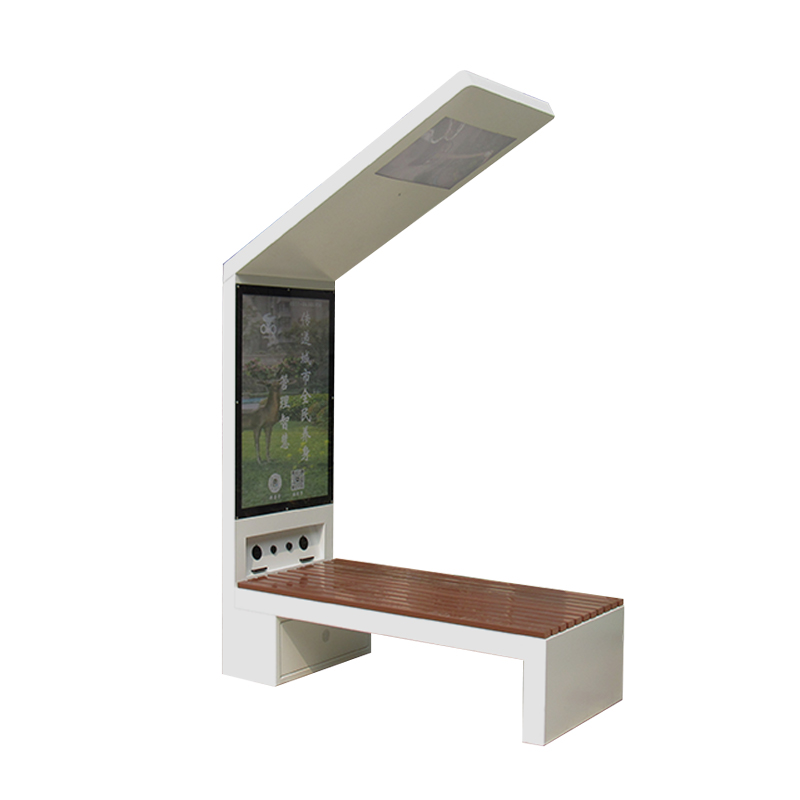 DDK-2000A Charging WIFI Solar Bench Outdoor Bench with Roof on the Top
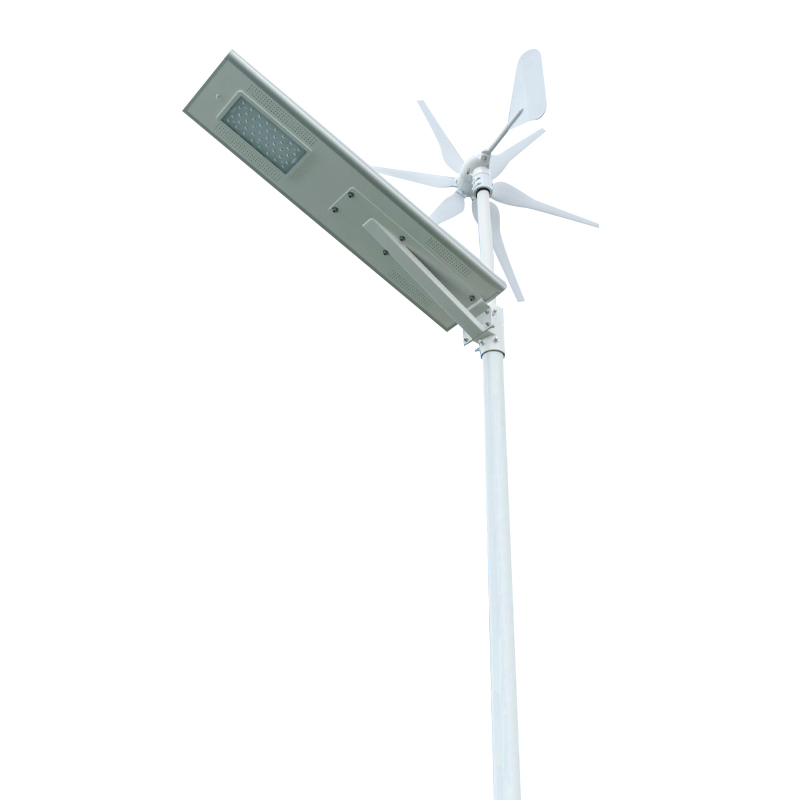 DDK G01 Solar&Wind Hybrid Integrated Optical Lens Solar All in One Light
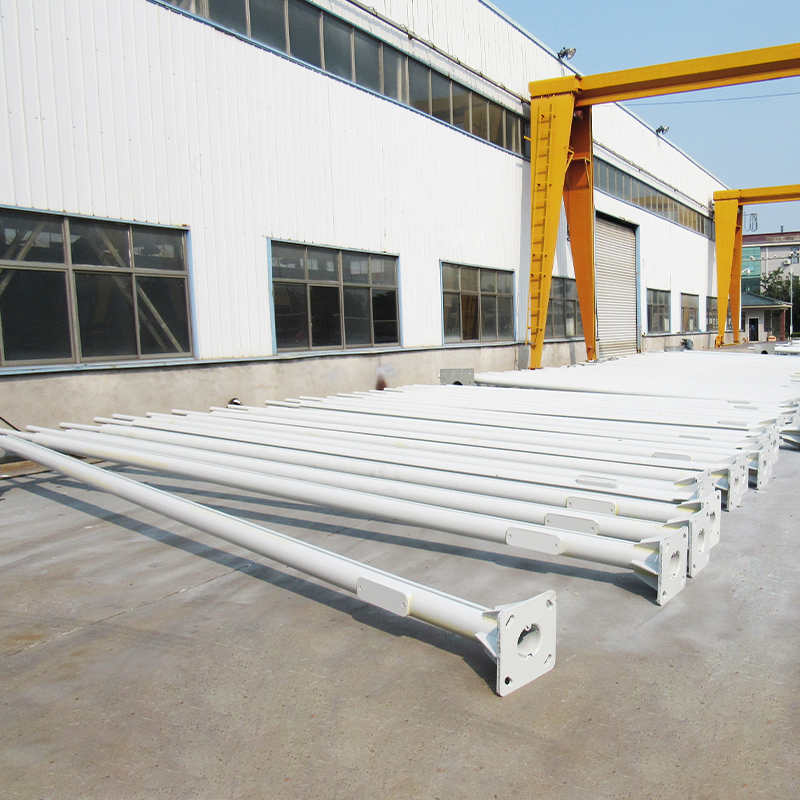 Customized Round Hexagon Octagonal Square Steel Street Light Poles for Outdoor Lightings
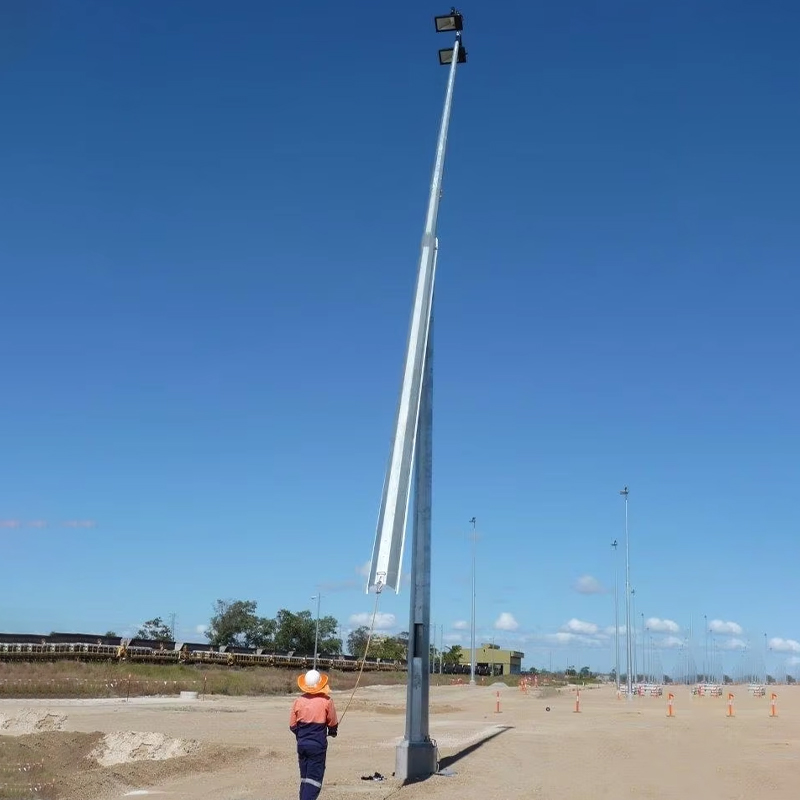 3 to 16M Galvanized Steel Hinged Poles
Contact us
180 meters south of the intersection of Nanbei Avenue and Xuba Road, Gaoyou City, Yangzhou City, Jiangsu Province, China.
+86-18811954888
ddk@cnddk.net
 English
 русский
 Español
 عربى
عربى

