
call us
+86-18811954888
2026-06-04
Municipal infrastructure, urban planning networks, and transportation corridors require robust structural systems to support public illumination, secure electrical distributions, and withstand continuous environmental forces. At the center of these public outdoor spaces is the street light pole, a highly engineered vertical support structure designed to elevate lighting luminaires to optimal optical heights. By balancing physical strength, material ductility, and safety breakaway mechanics, these poles provide essential civil utility while minimizing risks to vehicles and pedestrians during accidents. This article provides a comprehensive and detailed examination of the metallurgical materials, structural aerodynamic engineering, key components, specialized installations, smart technology integration, and preventative maintenance strategies that define modern street light poles.
To select the correct vertical support structure for diverse geographical zones, municipal engineers must evaluate the metallurgical properties and chemical behaviors of different material classes under cyclic load stresses and chemical exposure.
Carbon steel represents the traditional structural foundation of high-strength vertical infrastructure due to its exceptional tensile strength, load capacity, and resistance to physical impacts. The most common grades used in manufacturing heavy duty steel street light poles are structural steels containing low to medium carbon content, which provides the necessary ductility for bending and shaping without initiating micro-cracking in the metal matrix.
Because untreated carbon steel is highly susceptible to atmospheric corrosion, particularly when exposed to rain, snow, and road de-icing salts, these structures must undergo a hot-dip galvanizing process. In this process, the fabricated steel pole is thoroughly cleaned in an acid bath and submerged in molten zinc at temperatures exceeding four hundred and fifty degrees Celsius. The zinc reacts chemically with the steel to form a series of zinc-iron alloy layers, topped by a pure zinc exterior. This metallurgical bond provides both barrier protection and sacrificial galvanic protection, ensuring that minor scratches on the surface do not lead to rust expansion, thereby preserving the structural safety of the pole for several decades.
In coastal environments, high-humidity regions, and areas prone to dense salt spray, aluminum street light poles offer a highly effective alternative to steel. These poles are typically extruded from marine grade aluminum alloys, such as the six thousand series, which contain magnesium and silicon as the primary alloying elements to enhance tensile properties and weldability.
Aluminum is naturally corrosion-resistant because it forms a continuous, self-healing oxide layer upon contact with atmospheric oxygen, preventing moisture from penetrating the underlying metal. This characteristic eliminates the need for hot-dip galvanizing, although aluminum poles are frequently anodized or powder-coated to provide additional surface hardness and customized aesthetic finishes. Furthermore, the lightweight nature of aluminum significantly reduces transportation and installation labor costs, as smaller cranes and lighter foundations can be utilized compared to heavy steel equivalents.
For industrial industrial zones, coastal seawalls, and regions subjected to severe tropical storms, centrifugally cast prestressed concrete poles provide unmatched durability. These poles are manufactured by placing high-tensile steel reinforcing cables inside a steel mold, tensioning the cables using hydraulic jacks, pouring a specialized concrete mixture, and spinning the entire mold at high speeds in a centrifugal casting machine.
The centrifugal spinning force drives the dense aggregate outward, consolidating the concrete around the steel reinforcement and removing excess water and air voids. This process results in an exceptionally dense concrete wall with high compressive strength and low permeability. Because the internal steel cables remain under continuous tension, they put the surrounding concrete under compression, which prevents the formation of micro-fissures and water ingress. These concrete poles are immune to rust, rot, chemical attack, and insect damage, making them ideal for long-term installation in wet or corrosive soils where metallic poles would require frequent replacement.
A street light pole is an unbraced vertical cantilever structure that is subjected to continuous dynamic loads, with wind loading representing the most severe force acting upon the system. If a pole is not designed with proper aerodynamic considerations, high-velocity winds can cause structural resonance, material fatigue, and catastrophic collapse.
The wind force acting on a street light pole is not uniform along its height, as wind speed naturally increases with altitude due to the reduction in ground friction, a phenomenon known as wind shear. To calculate the total wind load, structural engineers must determine the effective projected area of the entire assembly, which includes the surface area of the vertical pole, the horizontal bracket arm, and the elevated luminaire head.
The wind pressure is calculated using the local design wind speed, which is determined by historical meteorological data for the specific installation region. This wind speed is squared and multiplied by a shape-specific drag coefficient, which accounts for the aerodynamic profile of the pole. Round tapered poles exhibit a lower drag coefficient than square or octagonal poles because they allow wind to flow smoothly around the circular cross-section, reducing the boundary-layer separation and the resulting aerodynamic drag force. By optimizing the aerodynamic shape of the pole housing, engineers can reduce the wind-induced bending moment at the base, allowing for lighter, more cost-effective structural designs.
The bending moment generated by wind loading must be transferred safely from the pole base into the earth through a robust concrete foundation. The design of foundations for street light poles requires a detailed analysis of local soil mechanics, including soil shear strength, density, and moisture content.
The most common foundation type is the drilled shaft, which is a deep, cylindrical concrete pier poured directly into a pre-bored hole in the ground. The pole base is secured to the foundation using high-strength steel anchor bolts embedded deep within the concrete structure. The depth and diameter of the drilled shaft are calculated to resist both the lateral wind shear force and the overturning moment, ensuring that the pole remains perfectly vertical even during major storm events. In weak soils, such as loose sand or saturated clay, the foundation depth must be increased significantly, or specialized soil-anchors must be deployed to prevent soil failure and pole tilt.
A street light pole is a complex assembly of mechanical, electrical, and safety components that must be engineered to work in harmony under continuous outdoor exposure.
The mechanical connection between the vertical pole shaft and the concrete foundation is achieved using a heavy-duty steel base plate welded to the bottom of the pole. This plate features a series of bolting holes positioned to line up with the embedded anchor bolts of the foundation.
In modern roadside installations, safety regulations dictate that street light poles must incorporate breakaway couplings between the anchor bolts and the base plate. These couplings are engineered to possess high tensile strength under vertical and lateral wind loads, but they feature a designated shear plane that breaks instantly when subjected to a high-velocity horizontal impact from a colliding vehicle. By shearing cleanly upon impact, the pole is released from its foundation and is carried over the vehicle, reducing the deceleration forces experienced by the passengers and preventing severe structural damage to the vehicle cabin.
The horizontal extension that positions the light fixture over the active driving lanes of the roadway is known as the bracket arm. These arms exist in several designs, including single-outrigger, double-outrigger, and trussed configurations, with the selection determined by the width of the roadway and the required setback distance of the pole base from the curb.
Bracket arms must be designed with sufficient mechanical rigidity to prevent excessive vertical deflection and oscillation under wind loads. They are typically attached to the top section of the pole shaft using high-strength slip-fit connections or heavy-duty mounting collars secured by stainless steel bolts. The internal channel of the bracket arm serves as a protective conduit for the electrical wiring that supplies power to the luminaire, preventing the wire insulation from being damaged by environmental friction or moisture.
|
Component Assembly |
Common Materials |
Primary Structural or Utility Function |
|---|---|---|
|
Pole Shaft |
Galvanized Steel, Aluminum, Cast Concrete |
Elevates the luminaire and resists vertical and lateral wind forces |
|
Base Plate |
Low-carbon structural steel plate |
Transfers bending moments and shear forces to foundation bolts |
|
Handhole Cover |
Cast aluminum, stamped galvanized steel |
Provides access to internal electrical wiring and fuse blocks |
|
Breakaway Coupling |
Specialized high-carbon alloy steel |
Shears cleanly under vehicular impact to protect vehicle passengers |
|
Bracket Arm |
Structural steel tube, aluminum pipe |
Extends the luminaire horizontally over the targeted roadway lanes |
Depending on the traffic velocity, pedestrian density, and aesthetic requirements of the surrounding environment, street light poles are specified in distinct height and geometry configurations to optimize public safety and visual performance.
Highways, arterial freeways, and high-speed toll roads require uniform, glare-free illumination to accommodate fast-moving vehicular traffic during night hours. In these zones, poles must be tall enough to distribute light over multiple highway lanes without creating harsh shadows or localized hotspots of high intensity.
For these major transportation hubs, high mast lighting systems are deployed. These systems utilize exceptionally tall, multi-section steel poles ranging from twenty to forty-five meters in height. Instead of a single luminaire on a bracket arm, a high mast pole features a complete ring of powerful floodlights suspended at the top. These poles are equipped with an internal motorized winch and pulley system, allowing maintenance crews to lower the luminaire ring to ground level for cleaning and lamp replacement, completely eliminating the need for bucket trucks or high-altitude climbing, which greatly improves maintenance safety.
In contrast to high-speed highways, pedestrian walkways, commercial shopping districts, and historic city centers require lower, more localized illumination that enhances the feeling of security and emphasizes architectural beauty. These environments utilize pedestrian scale poles, which typically range from three to six meters in height.
Because these poles sit in close proximity to public gathering spaces, their visual appearance is highly critical. Planners often specify decorative aluminum or cast iron poles with intricate fluted shafts, stylized bracket scrolls, and ornamental bases that coordinate with the architectural character of the neighborhood. These decorative poles must still meet strict structural safety standards, including wind load resistance and corrosion protection, ensuring that the visual aesthetic does not compromise the mechanical longevity of the public asset.
With the rapid expansion of municipal digitization and telecommunication networks, the humble street light pole has evolved from a passive vertical light support into a valuable structural node for smart city technology integration.
The vertical height and continuous electrical power supply of street light poles make them ideal platforms for mounting various sensors and communication modules. However, installing external wiring on the outside of a pole creates a visual eyesore and exposes delicate cables to vandalism, nesting animals, and severe weather.
Modern smart street light poles are designed with internal conduit pathways and dedicated physical chambers that isolate high-voltage power lines from low-voltage data cables. These internal pathways allow municipal technicians to run fiber optic lines, ethernet cables, and sensor control wires from the base compartment directly to the top of the pole, protecting the digital infrastructure from environmental hazards and maintaining a clean, professional aesthetic on the exterior of the structure.
As urban populations transition toward electric mobility, the demand for accessible vehicle charging infrastructure has increased dramatically, particularly in dense residential zones where private garages are unavailable. Street light poles positioned along curbsides are uniquely suited to address this challenge by integrating charging ports directly into their structure.
These smart poles tap into the existing underground electrical distribution grid that feeds the street lighting system. During daylight hours when the lights are turned off, the electrical capacity of the grid can be redirected to power localized vehicle chargers mounted on the side of the pole. Additionally, the pole tops are utilized to mount small cell 5G transceivers, air quality monitoring sensors, and smart cameras that track traffic flow and detect parking vacancies, transforming the street light network into a highly responsive public utility grid.
To guarantee that a network of street light poles reaches its designed service lifespan and operates without posing a risk of collapse, municipal maintenance departments must implement a systematic program of structural inspection and corrosion mitigation.
Street light poles are subjected to continuous cyclic fatigue loading caused by wind gusts and vehicular vibrations, which can over time initiate microscopic stress cracks in critical load-bearing zones, particularly around the welded joints at the base plate and the handhole access frame.
To detect these internal cracks before they grow and lead to sudden structural failure, maintenance technicians utilize non-destructive testing techniques during routine audits. The most common methods include ultrasonic testing, which uses high-frequency sound waves to map the internal density of the metal, and magnetic particle testing, which utilizes magnetic fields and colored powder to highlight microscopic surface cracks. By identifying weld defects and fatigue cracks early, structural welds can be repaired in the field, or compromised poles can be scheduled for replacement before a catastrophic wind event occurs.
Even the most robust hot-dip galvanized coating will eventually experience natural weathering, particularly in industrial zones with high concentrations of atmospheric sulfur dioxide or in coastal areas exposed to constant salt spray. When the silver zinc coating begins to transition to a dull grey or shows signs of localized red rust, protective surface maintenance must be applied.
This maintenance process begins with high-pressure washing to remove environmental contaminants and loose coatings. Rust zones are prepped using mechanical steel wire brushes to restore a bright metal finish, followed by the application of a zinc-rich primer that provides galvanic protection. Finally, a durable polyurethane or epoxy topcoat is applied to act as a barrier against moisture and ultraviolet rays. This maintenance protocol ensures that the steel structural core remains isolated from the atmosphere, preserving the mechanical yield strength of the pole and extending its service life for another several decades.
By understanding these metallurgical characteristics, structural aerodynamic engineering, installation requirements, and safety protocols, municipal planners and civil engineers can specify and maintain high-performance street light poles that perform reliably under continuous daily demands.
Related Products
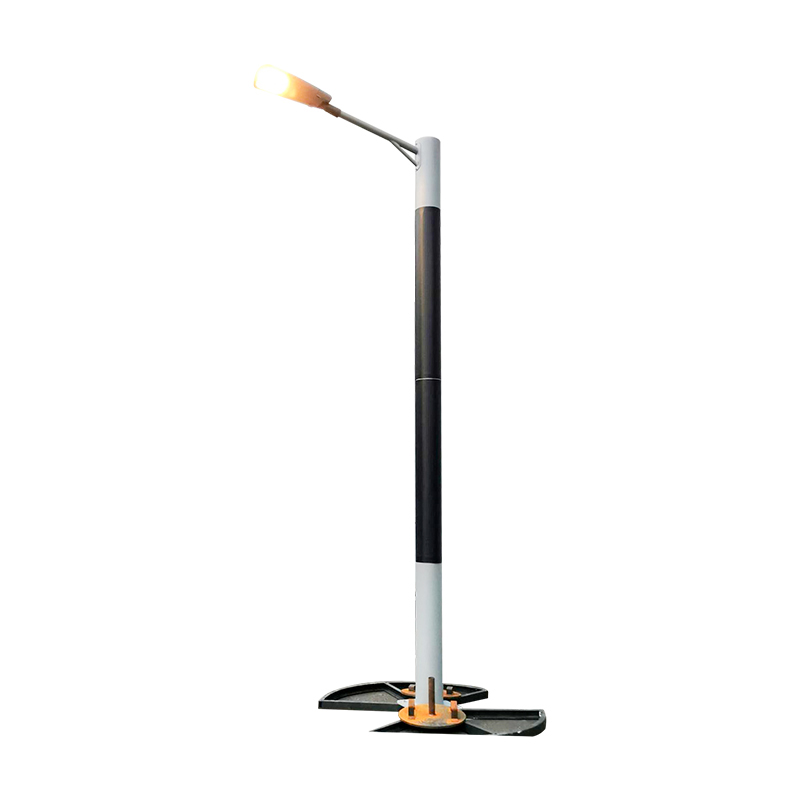 DDK-SSPL-2000 Cylinder Solar Pole Single/Double Arms And Street LED Lamps
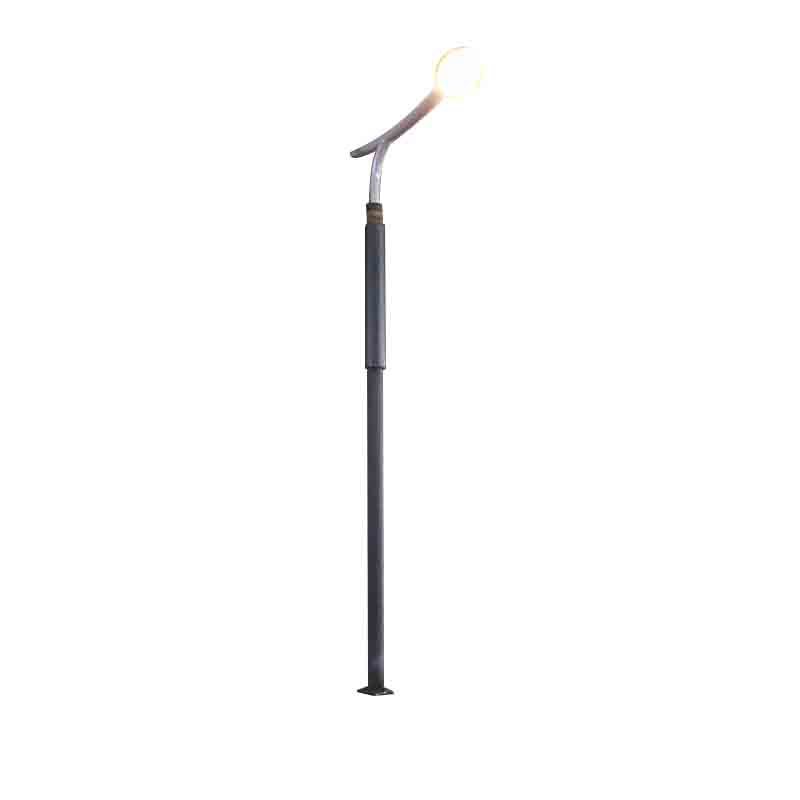 DDK-SSPL-2002 Cylinder Solar Pole With Lamp Head
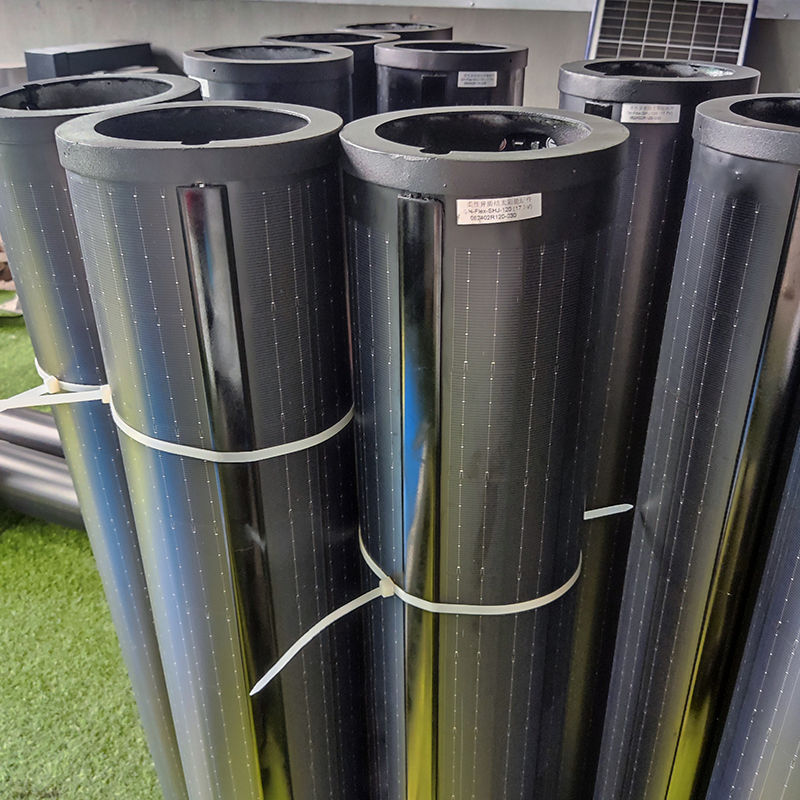 140W Flexible Solar Panel: High-Performance, Elegant and Versatile Power Solution for Lighting Poles and Park Lightings
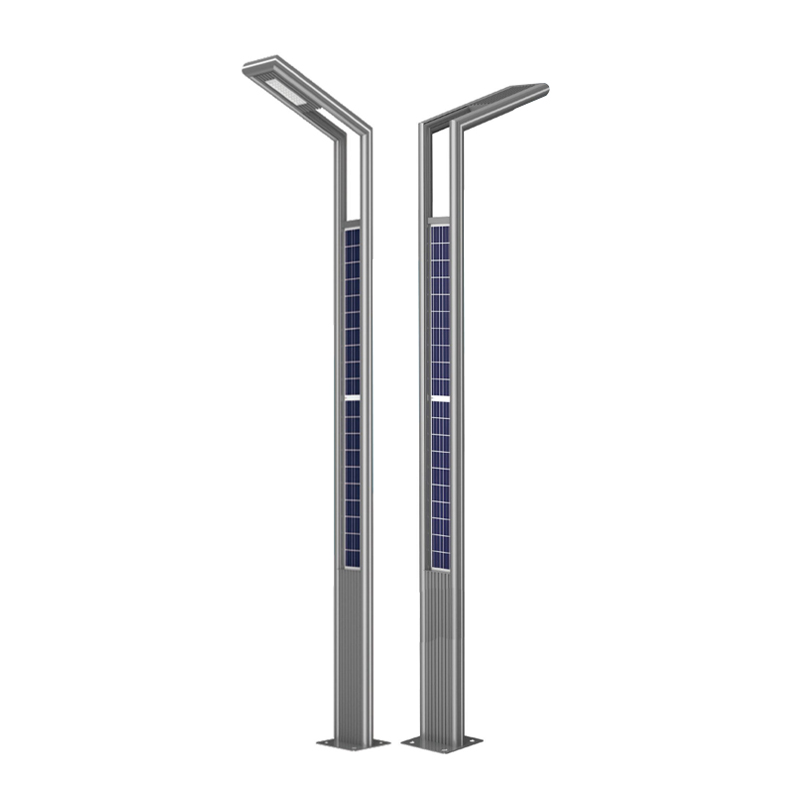 DDK-GN003 Double Sides Integrated Solar Aluminium Pole
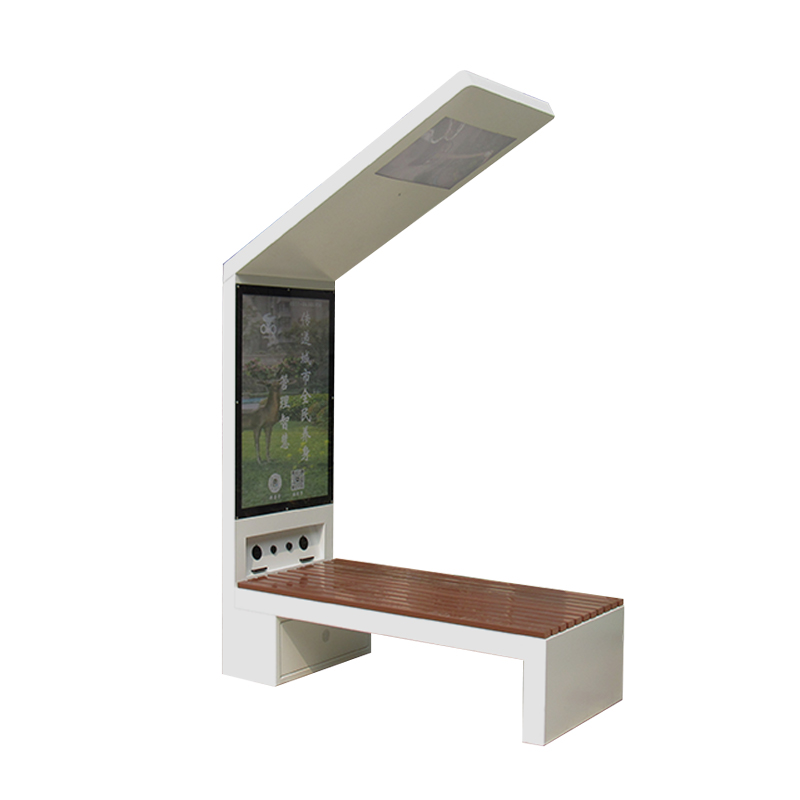 DDK-2000A Charging WIFI Solar Bench Outdoor Bench with Roof on the Top
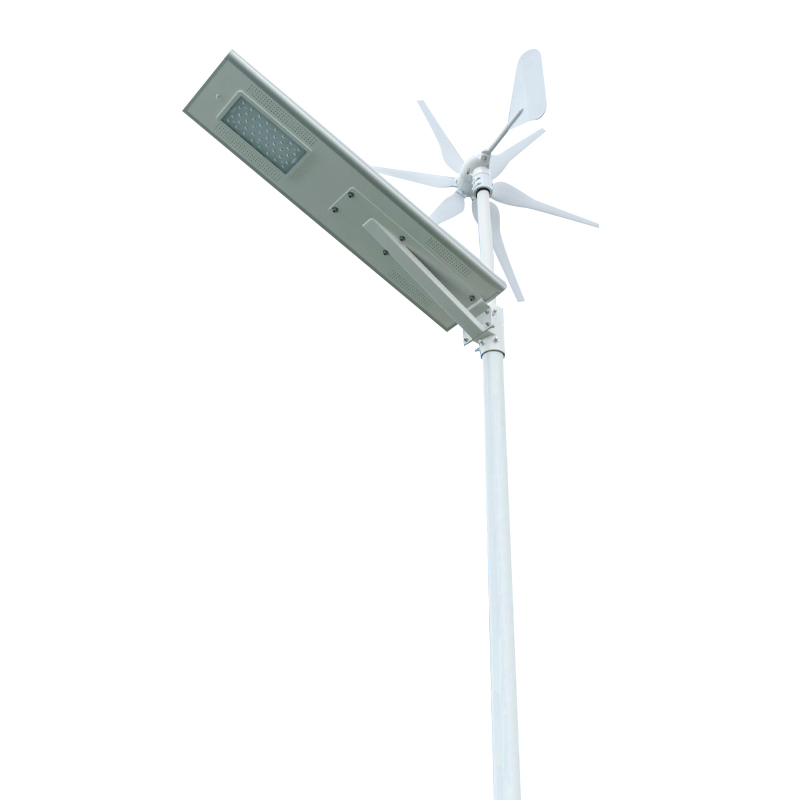 DDK G01 Solar&Wind Hybrid Integrated Optical Lens Solar All in One Light
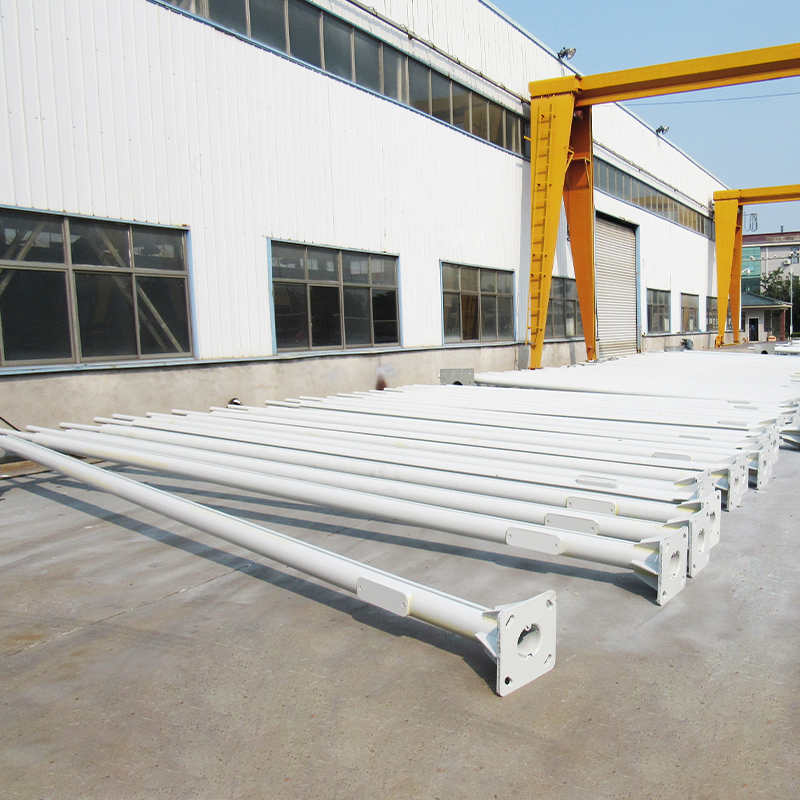 Customized Round Hexagon Octagonal Square Steel Street Light Poles for Outdoor Lightings
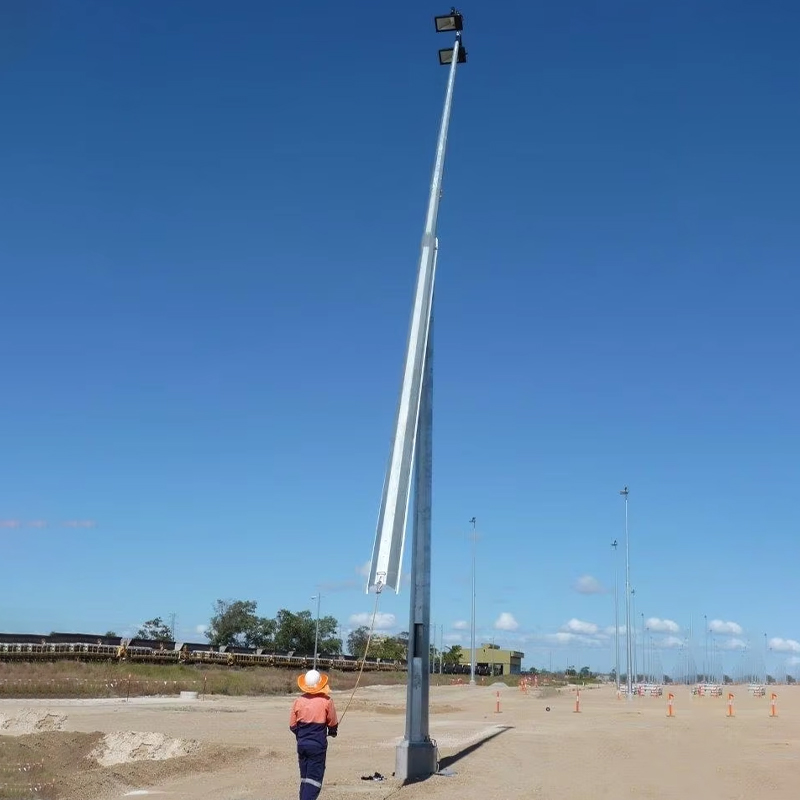 3 to 16M Galvanized Steel Hinged Poles
Contact us
180 meters south of the intersection of Nanbei Avenue and Xuba Road, Gaoyou City, Yangzhou City, Jiangsu Province, China.
+86-18811954888
ddk@cnddk.net
 English
 русский
 Español
 عربى
عربى

