
call us
+86-18811954888
2026-05-21
Modern urban spaces are undergoing a major transition as municipalities seek ways to integrate technology directly into public infrastructure. Among the various innovations designed to support this transition, the smart solar bench has emerged as a practical and highly functional solution. This specialized public seating installation combines traditional urban furniture with advanced renewable energy technology, transforming a simple place to rest into an active hub of connectivity, power generation, and environmental monitoring. Often categorized under the broader term of intelligent solar benches, these modern installations utilize solar energy to provide a range of services to citizens while gathering useful data for city planners, all without requiring connection to the electrical grid.
An intelligent solar bench is an autonomous piece of public furniture designed to harvest solar radiation and convert it into usable electrical energy. At its core, the bench functions as a self sustaining utility station. The structure features integrated photovoltaic panels, a battery storage system, and intelligent power management circuitry that regulates energy distribution to various onboard devices. By capturing sunlight during the day, these benches can provide continuous services such as device charging, wireless internet access, ambient lighting, and localized environmental sensing throughout both day and night.
The integration of solar technology into public seating represents a departure from traditional urban design practices. In the past, providing power or connectivity in public parks and squares required extensive excavation to lay subterranean electrical cables, a process that is both costly and disruptive to the surrounding landscape. Intelligent solar benches eliminate the need for grid connection entirely, allowing cities to install high technology amenities in remote park locations, historic squares, and transit stops with minimal physical disturbance. This makes them a highly versatile tool for improving the utility of public spaces.
The engineering of a smart solar bench requires a careful balance between structural durability, aesthetic appeal, and technical functionality. Because these benches are located outdoors, they must be built to withstand diverse weather conditions, vandalism, and constant physical use by the public.
The solar panels of an intelligent solar bench are typically integrated directly into the seating surface or the backrest. To ensure that the solar cells are not damaged by the weight of users or physical impacts, they are protected by specialized layers of tempered glass or high strength polycarbonate materials. This protective layer must be highly transparent to allow maximum sunlight penetration while being thick and resilient enough to resist scratches, heavy loads, and deliberate impact.
The structural frame of the bench is usually constructed from premium materials such as powder coated steel, structural aluminum, or high density composite timbers. These materials are selected because they resist atmospheric corrosion, particularly in coastal areas where salt spray can rapidly degrade standard steels. The choice of materials also plays a crucial role in thermal management. Since solar panels lose efficiency as their temperature rises, the structure of the bench must be designed with internal ventilation channels that allow heat to dissipate naturally, keeping both the solar cells and the seating surface at a comfortable temperature for users.
Deep within the structural cavity of the bench lies the energy storage system, which typically consists of advanced lithium iron phosphate batteries. This specific chemistry is chosen over standard lithium ion alternatives because of its superior thermal stability, safety profile, and extended cycle life under continuous charge and discharge conditions. The battery bank must be sealed in a completely waterproof and dustproof compartment to prevent environmental contamination.
An advanced charge controller manages the flow of electricity from the solar panels to the batteries and ultimately to the consumer facing components. This controller utilizes maximum power point tracking algorithms to ensure that the solar panels operate at their peak efficiency, regardless of changes in sunlight intensity or partial shading from trees and surrounding buildings. The power management system also monitors the state of charge of the battery, automatically disabling non essential features such as decorative lighting if the battery level drops too low during prolonged periods of overcast weather.
The primary appeal of intelligent solar benches lies in the diverse range of services they offer to the public. These features are designed to meet the modern needs of highly connected citizens who spend time in outdoor spaces.
The most frequently utilized feature of a smart solar bench is its ability to charge portable electronic devices. These benches are equipped with multiple charging options to accommodate different user technologies. Standard high speed USB ports are typically integrated into the sides or front of the seat, allowing users to plug in their charging cables directly.
In addition to physical ports, modern benches feature wireless inductive charging pads integrated directly into the flat surface of the bench armrests or seating areas. These wireless chargers utilize the established Qi standard, enabling users to charge compatible smartphones simply by placing the device on the designated charging zone. The power management system regulates the electrical output of both wired and wireless charging interfaces, protecting user devices from power surges, short circuits, and overheating.
In an era where digital communication is essential, intelligent solar benches act as localized communication hubs. Many models are equipped with integrated cellular routers that connect to local four-G or five-G mobile networks. The bench then broadcasts a localized Wi-Fi signal, providing free, high speed internet access to anyone sitting on or standing near the bench.
This public Wi-Fi capability is highly beneficial for municipal governments seeking to bridge the digital divide in urban neighborhoods where home internet access may be limited. By transforming public parks into connected workspaces, cities can encourage more diverse usage of outdoor recreational areas. The integrated router can also be configured to host local community portals, providing users with useful information about nearby municipal services, historical facts, public transit schedules, and emergency announcements.
To ensure that the bench remains functional and safe to use after sunset, energy efficient LED lighting is integrated into the design. This lighting is usually placed beneath the seating structure or along the ground path to provide soft, non glaring ambient illumination.
Rather than remaining at full brightness throughout the night, the lighting system is controlled by intelligent motion sensors and ambient light detectors. When the sun sets, the lights turn on at a low, energy saving level. If the integrated sensors detect a pedestrian approaching the bench, the system automatically increases the brightness of the LEDs to illuminate the immediate area, improving public safety and reducing the risk of accidents in dark parks or walkways. Once the user leaves the area, the lights dim back to their baseline level, conserving the stored battery power for the next day.
Understanding how an intelligent solar bench operates requires a look at the physics of solar energy harvesting and storage. The efficiency of the system depends on several physical variables, which are carefully managed by the internal hardware.
The electrical power generated by the integrated photovoltaic panels can be represented by a simple relationship where the total energy collected, denoted as
For a typical smart bench, the integrated solar array might have a maximum power rating of approximately
This stored energy is more than sufficient to power the low draw components of the bench, such as the Wi-Fi router, the LED controller, and multiple mobile phone charging cycles. A standard smartphone battery requires roughly
To maintain this performance over time, the internal charging circuitry must prevent battery degradation. Lithium iron phosphate batteries operate best when their state of charge is maintained between twenty percent and ninety percent. The intelligent charge controller prevents overcharging by stopping the current flow once the maximum safe voltage is reached, and it prevents deep discharge by isolating the battery if the voltage drops below a safe threshold. This automated management ensures that the internal battery system can operate reliably for thousands of charge cycles, equivalent to several years of continuous daily use.
The deployment of intelligent solar benches provides numerous practical advantages for municipal administrators, educational campus managers, and commercial developers. By substituting traditional benches with these smart alternatives, organizations can enhance their public spaces in several ways.
Many modern cities are actively pursuing smart city initiatives, which involve using technology and data to manage municipal assets more efficiently. Intelligent solar benches serve as ideal physical platforms for these initiatives because they are already distributed throughout the urban landscape where people gather.
In addition to providing consumer services, these benches can be fitted with environmental sensor packages that measure local air quality, temperature, relative humidity, atmospheric pressure, and ambient noise levels. Because the benches are positioned at street level, they collect highly accurate localized environmental data that cannot be captured by remote weather stations. This data is transmitted in real time via the bench's internet connection to a centralized municipal database, allowing city officials to monitor pollution levels, urban heat island effects, and noise trends with unprecedented geographical precision.
Traditional public works projects that involve installing lighting or electrical outlets in public plazas require significant capital expenditure. The process involves obtaining utility permits, excavating paved surfaces, laying protective electrical conduits, and restoring the pavement afterward.
Intelligent solar benches eliminate these complex steps entirely. Because each bench is a fully self contained, off grid unit, installation is incredibly simple. The bench is transported to the desired location, anchored securely to the concrete surface using standard expansion bolts, and activated. There is no need to coordinate with electrical utility companies or perform intrusive civil engineering works. This ease of installation allows municipalities to deploy public power and connectivity solutions in a fraction of the time and at a fraction of the cost of traditional wired infrastructure.
To illustrate how these advanced installations compare to traditional public infrastructure, the table below highlights the key differences across several qualitative categories.
|
Evaluation Category |
Traditional Public Bench |
Standard Wired Smart Bench |
Intelligent Solar Bench |
|---|---|---|---|
|
Grid Dependence |
None |
High |
None |
|
Installation Complexity |
Low |
High |
Low |
|
Utility Provision |
Seating only |
Power and connectivity |
Power, connectivity, and environmental data |
|
Environmental Impact |
Minimal |
Moderate |
Low |
|
Maintenance Profile |
Low structural upkeep |
High structural and electrical upkeep |
Moderate structural and technical upkeep |
This comparison reveals that while standard wired smart benches provide reliable power, they suffer from high installation complexity and grid dependency. The intelligent solar bench offers the same high utility services as a wired option but maintains the low installation complexity of a traditional wooden or metal bench, making it an incredibly flexible option for diverse municipal environments.
To ensure that an intelligent solar bench provides a high return on investment, it must be maintained properly and designed to cope with various environmental stressors. Different geographic locations present unique challenges that must be addressed through engineering and regular care.
In cold climates, snow and ice accumulation can cover the solar panels, blocking sunlight and halting energy production. To mitigate this issue, many smart benches feature angled solar panel installations or use the natural heat generated by the internal electronics to help melt thin layers of frost. Additionally, the protective glass surface is engineered to be highly hydrophobic, causing water and melting snow to slide off easily, leaving the solar cells clear to harvest ambient light.
In hot climates, the primary challenge is preventing the internal batteries and electronics from overheating. Excessive heat can accelerate battery degradation and reduce the overall efficiency of the solar cells. To protect these sensitive components, intelligent benches use thick thermal insulation around the battery vault and employ natural convection cooling. Air intakes at the bottom of the bench allow cool air to enter, while hot air is expelled through vents located under the lip of the seating surface, maintaining safe operating temperatures without the use of energy intensive mechanical fans.
Public furniture is inevitably subjected to rough handling and occasional vandalism. Therefore, every exposed part of a smart solar bench must be designed with security in mind.
The structural fasteners used to assemble the bench are typically tamper resistant security screws that require specialized tools to remove, preventing unauthorized access to the internal technical compartments. The protective glass covering the solar panels is usually rated to withstand high impact forces, preventing damage from dropped objects or deliberate strikes. Furthermore, the external surfaces of the bench are often treated with anti graffiti coatings, which prevent spray paint and permanent markers from adhering permanently, allowing maintenance crews to clean the bench easily using standard pressurized water or mild cleaning agents. By implementing these rigorous design standards, cities can ensure that their intelligent public seating remains clean, functional, and beautiful for all community members.
Related Products
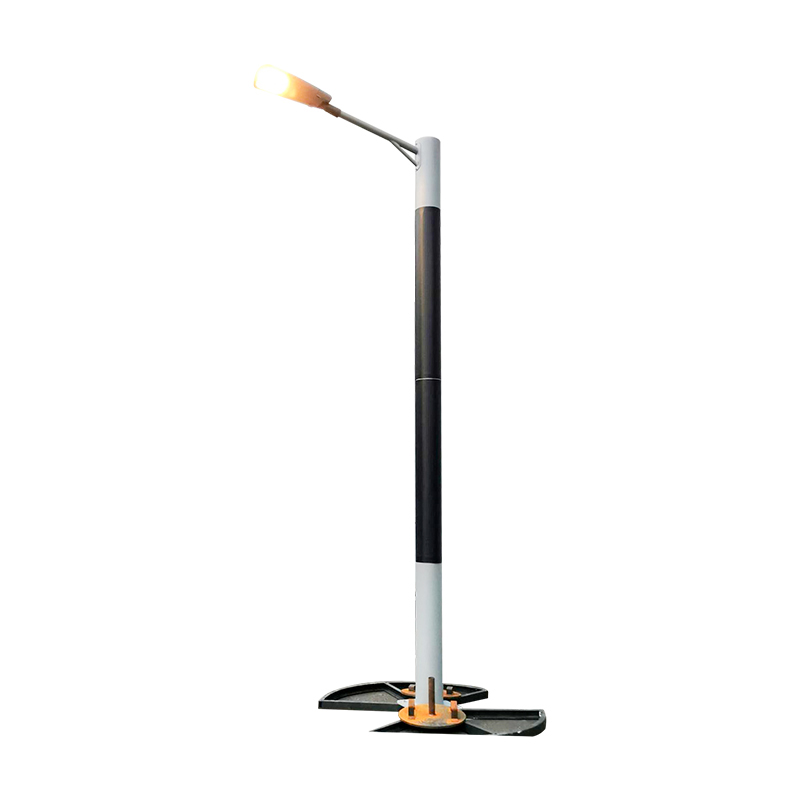 DDK-SSPL-2000 Cylinder Solar Pole Single/Double Arms And Street LED Lamps
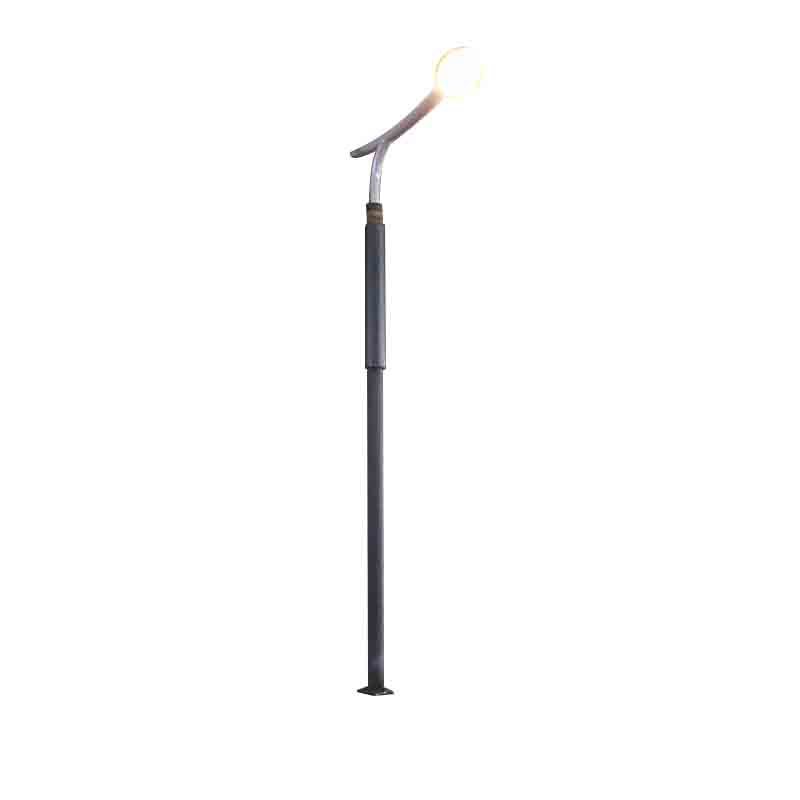 DDK-SSPL-2002 Cylinder Solar Pole With Lamp Head
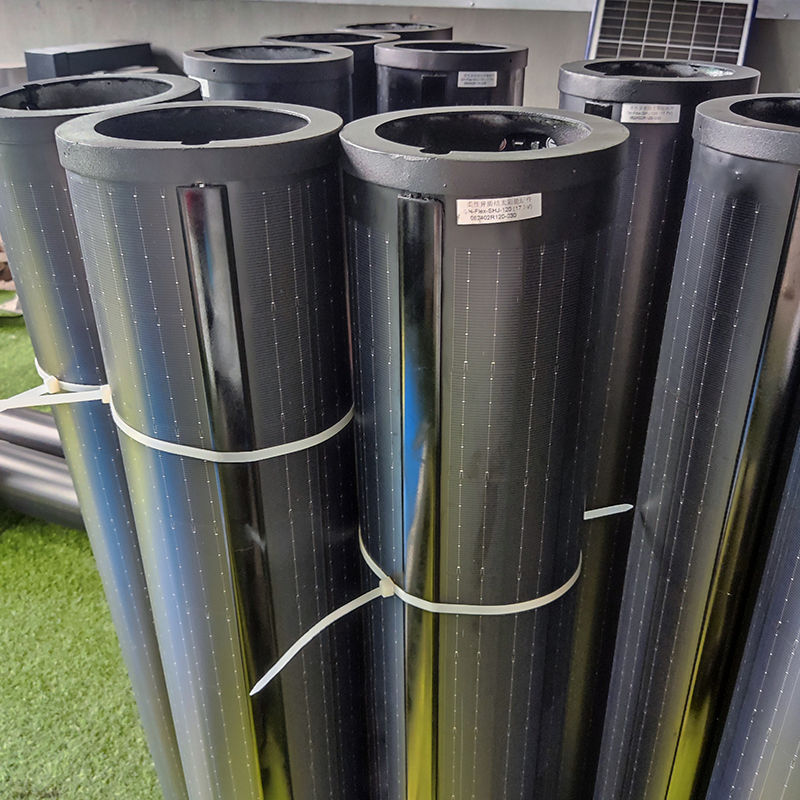 140W Flexible Solar Panel: High-Performance, Elegant and Versatile Power Solution for Lighting Poles and Park Lightings
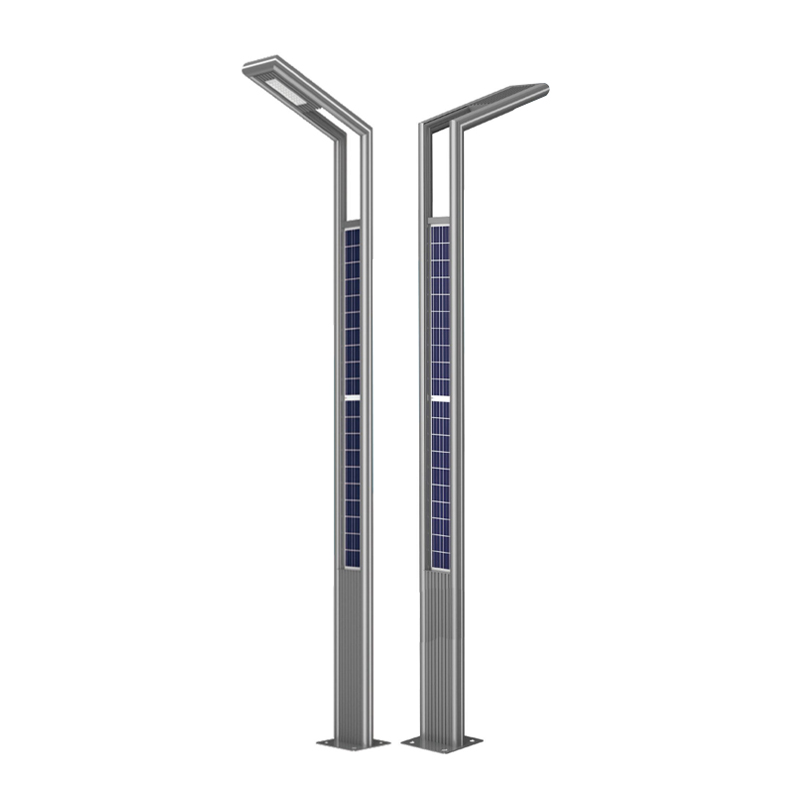 DDK-GN003 Double Sides Integrated Solar Aluminium Pole
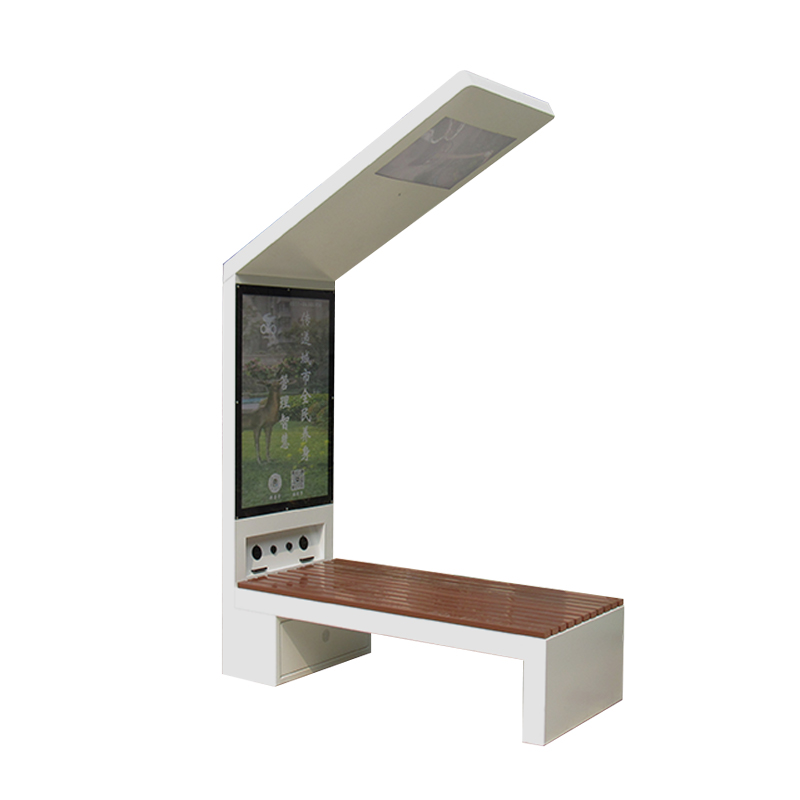 DDK-2000A Charging WIFI Solar Bench Outdoor Bench with Roof on the Top
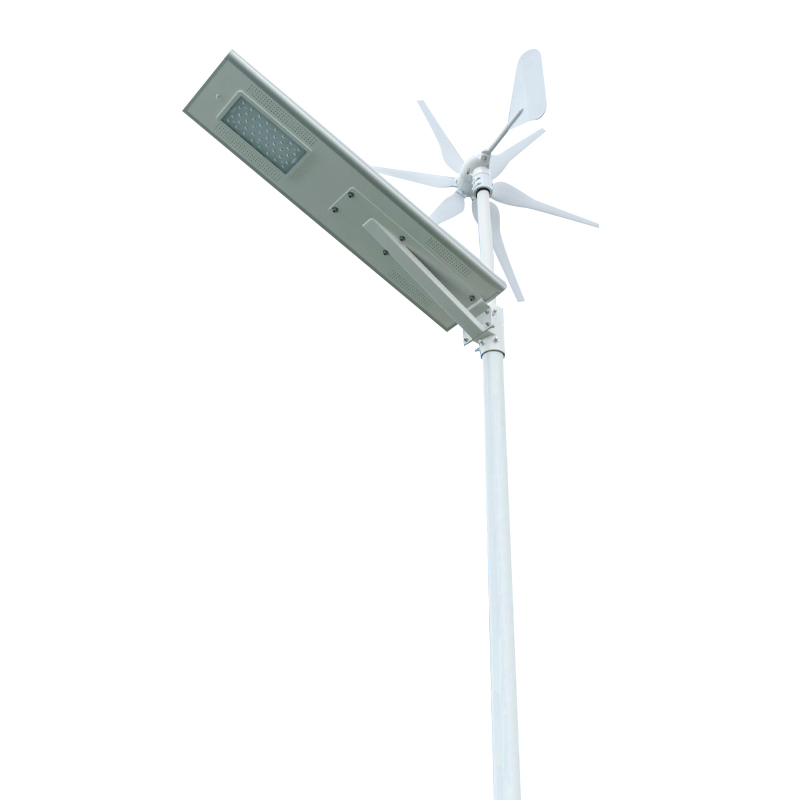 DDK G01 Solar&Wind Hybrid Integrated Optical Lens Solar All in One Light
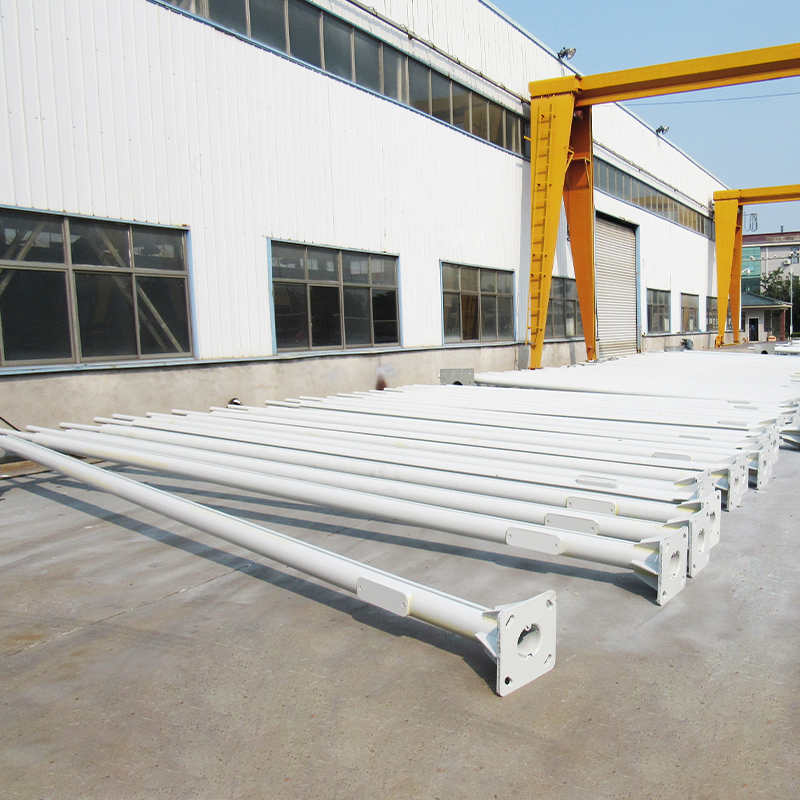 Customized Round Hexagon Octagonal Square Steel Street Light Poles for Outdoor Lightings
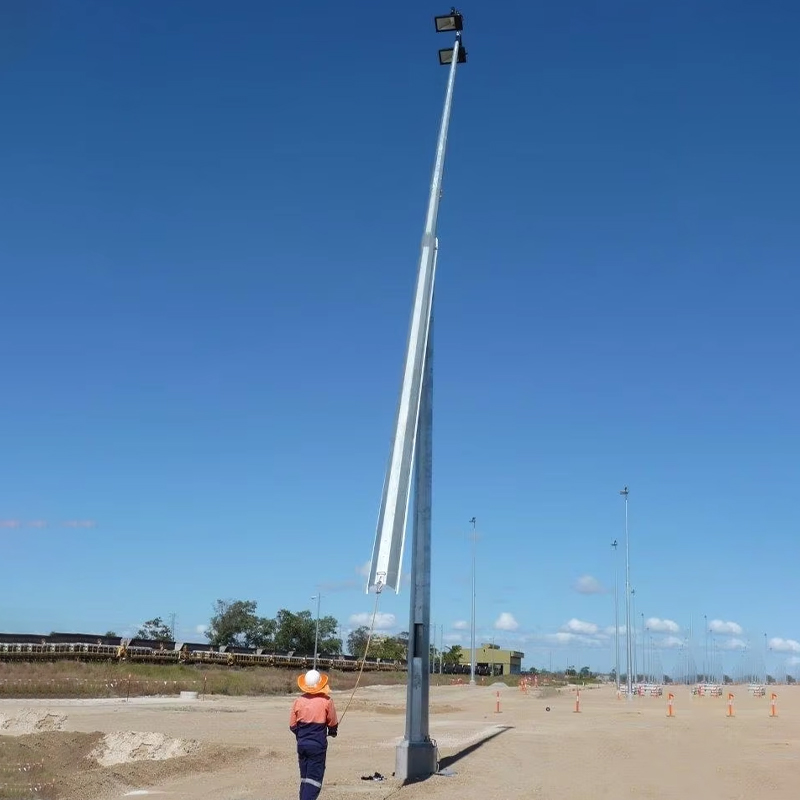 3 to 16M Galvanized Steel Hinged Poles
Contact us
180 meters south of the intersection of Nanbei Avenue and Xuba Road, Gaoyou City, Yangzhou City, Jiangsu Province, China.
+86-18811954888
ddk@cnddk.net
 English
 русский
 Español
 عربى
عربى

