Solar-powered outdoor lighting and off-grid power solutions have evolved far beyond the basic all-in-one garden stake light. Three increasingly specified product categories represent this evolution: the separated solar pole, the cylinder solar pole, and the flexible solar panel. Each solves a distinct problem in outdoor solar energy collection and lighting design, and choosing the right one depends on whether your priority is high-lumen street-level illumination, compact urban aesthetics, or the ability to conform solar collection to irregular or curved surfaces. This guide covers how each product is built, where it performs best, what specifications to evaluate, and how these three technologies can be combined or deployed independently to meet real-world solar energy and lighting requirements.
Separated Solar Pole: High-Performance Solar Street Lighting
A separated solar pole system places the solar panel and the light source on physically separate mounting structures, connected by wiring rather than integrated into a single unit. The solar panel assembly is mounted on its own dedicated pole or bracket, optimized for maximum sun exposure, while the lighting pole carries the luminaire assembly optimized for illumination angle and distribution. This separation solves one of the fundamental limitations of integrated solar street lights: the trade-off between panel orientation for maximum solar harvest and luminaire orientation for optimal light distribution.
Why Separation Matters for Solar Harvesting and Light Output
In an integrated solar street light, the panel and the lamp head are fixed relative to each other. If the installation site requires the luminaire to face a specific direction for road illumination, the panel may not be optimally angled toward the sun. In higher latitudes where the sun tracks at a lower elevation angle, this compromise can reduce solar collection by 15 to 30% compared to a panel mounted at the optimum tilt angle. A separated solar pole eliminates this compromise entirely. The panel can be tilted and oriented independently of the luminaire, maximizing energy harvest while the luminaire faces exactly where illumination is needed.
The practical benefit is measurable in system output. A separated solar pole system rated at 200W panel output can sustain a 100W LED luminaire for significantly longer nightly operating periods compared to an equivalent integrated system where panel orientation is constrained, because the panel consistently collects more energy per day. In regions with fewer than 4 peak sun hours per day, this difference between optimized and suboptimal panel orientation can determine whether the system provides adequate lighting through winter months or requires grid supplement.
Structural Design of Separated Solar Poles
Separated solar pole systems typically consist of the following components working together:
- Solar panel pole or bracket: A dedicated mounting structure, typically steel or aluminum, that supports one or more solar panels at the optimum tilt angle and compass orientation for the installation site. May be a standalone pole or a side-arm bracket attached to an existing structure.
- Lighting pole: A separate galvanized steel or aluminum pole carrying the LED luminaire at the appropriate mounting height. Pole height for street lighting applications typically ranges from 6 to 12 meters, with arm extensions positioning the luminaire over the roadway or pathway being illuminated.
- Battery cabinet: A weatherproof enclosure at the base of one of the poles housing the lithium-ion or lithium iron phosphate (LFP) battery bank, charge controller, and wiring connections. Separated systems typically use larger battery banks than integrated units because they are designed for longer operating periods and higher power outputs.
- Charge controller: An MPPT (maximum power point tracking) charge controller sized to match the panel array and battery bank. MPPT controllers extract up to 30% more energy from solar panels under variable irradiance conditions compared to PWM (pulse width modulation) controllers, making them the standard specification for separated solar pole systems where energy efficiency is critical.
- LED luminaire: A high-efficiency LED road or area light module with an optical design matched to the mounting height and the width of the area to be illuminated. Common efficiency ratings for quality LED luminaires used in separated solar systems are 150 to 180 lumens per watt, allowing high lumen output with modest power draw.
Applications Best Suited to Separated Solar Pole Systems
- Rural road and highway lighting where grid connection is impractical or prohibitively expensive
- Parking lots and commercial facility perimeters requiring high lumen output and long operating hours
- Sports facilities, community parks, and recreational areas in off-grid or semi-grid locations
- Industrial site security lighting where panel orientation can be fully optimized independent of luminaire placement
- Installations in higher latitudes (above 40 degrees north or south) where panel tilt optimization has the greatest impact on winter energy collection
Key Specifications to Evaluate for Separated Solar Poles
When specifying a separated solar pole system, the following parameters determine whether the system will deliver adequate lighting throughout the year at a given location:
- Panel wattage relative to luminaire wattage: A general rule is that the panel wattage should be at least 3 to 4 times the luminaire wattage when the system is expected to operate for 10 to 12 hours nightly in locations with 4 to 5 peak sun hours per day. Higher panel to lamp ratios provide more autonomy during cloudy periods.
- Battery capacity in watt-hours: Battery capacity should provide at least 3 to 5 days of autonomous operation at the rated lighting schedule without solar input, to account for extended overcast periods in the project location's climate.
- Wind load rating of the panel mounting structure: Separated panel poles present a larger wind load surface than integrated units. Structural design must account for local wind speed requirements, typically to 10-minute mean wind speeds of 40 to 60 meters per second in exposed locations.
Cylinder Solar Pole: Integrated Solar Lighting with Architectural Form
A cylinder solar pole integrates the solar panel, battery, charge controller, and luminaire within a single cylindrical pole structure. Unlike conventional integrated solar street lights where a flat panel sits on top of a standard pole, the cylinder solar pole wraps the energy collection surface around or within the pole itself, creating a visually coherent, architecturally refined product that suits urban plazas, pedestrian precincts, parks, and design-conscious outdoor environments.
How Cylinder Solar Poles Generate Energy
The energy collection method in cylinder solar poles uses either flexible photovoltaic material wrapped around the cylindrical pole surface or a series of flat or curved panel sections arranged radially around the pole to form a cylinder or near-cylinder geometry. Both approaches provide a key advantage over single flat panel designs: omnidirectional solar collection. Because the panel material faces multiple compass directions simultaneously, the pole collects solar energy during morning, midday, and afternoon sun without requiring orientation to a specific compass bearing during installation.
The omnidirectional collection characteristic makes cylinder solar poles particularly well-suited to urban locations where buildings, trees, and other structures may shade a single-orientation flat panel for portions of the day. By spreading the collection surface around the full 360-degree circumference, the total energy collected per day remains more consistent across different site orientations than a flat-panel equivalent. Research on cylindrical photovoltaic configurations has demonstrated collection efficiencies of 85 to 92% of the energy a flat panel of equivalent total cell area would collect when optimally tilted, while delivering this collection regardless of pole orientation relative to north-south.
Internal Components and System Integration
The cylindrical form factor requires compact integration of all system components within the pole structure. Typical cylinder solar pole systems house:
- Lithium iron phosphate (LFP) battery cells: Arranged in cylindrical or prismatic format within the lower section of the pole. LFP chemistry is preferred for this application because of its thermal stability, long cycle life (typically 2,000 to 3,000 full charge-discharge cycles), and tolerance of the elevated temperatures that can occur inside enclosed metal poles in direct sunlight.
- Integrated MPPT charge controller: A compact controller board mounted within the pole manages charging from the surrounding photovoltaic surface and controls discharge to the LED module.
- LED luminaire at the pole crown: The light source at the top of the cylinder pole, typically a downward-facing or omnidirectional LED module providing path and area lighting. Common output ranges for pedestrian-scale cylinder solar poles are 1,000 to 5,000 lumens, appropriate for pedestrian walkways, plazas, and low-speed areas.
- Motion or daylight sensors: Many cylinder solar pole designs incorporate PIR motion sensors or ambient light sensors that adjust luminaire output based on occupancy or time of day, extending battery autonomy by reducing output during low-traffic periods.
Design and Aesthetic Advantages in Urban Contexts
The cylinder solar pole's primary distinguishing advantage in urban and commercial environments is its visual coherence. Conventional solar street lights with a flat panel mounted at an angle on an arm can appear visually inconsistent with architectural surroundings and may be perceived as utilitarian or temporary. A cylinder solar pole presents a clean, unified form that integrates naturally with urban furniture, gateway columns, and landscape design. This makes them the preferred specification for:
- City center pedestrian precincts and high street environments where visual quality standards are formally specified in planning conditions
- Public parks, waterfront promenades, and heritage zones where conventional solar panel aesthetics would conflict with the landscape design
- Commercial developments including shopping centers, hotel grounds, and resort properties where exterior lighting contributes to brand identity
- Educational campus pathways and residential development streetscapes where a contemporary but unobtrusive product is appropriate
Limitations of Cylinder Solar Poles Compared to Separated Systems
The aesthetic integration of cylinder solar poles comes with inherent trade-offs in raw energy collection capacity. The total photovoltaic cell area on a cylinder pole is constrained by the pole diameter and height, and the cylindrical geometry means that any given cell is only at its maximum output for a portion of the day when the sun angle is most favorable to that cell's orientation. In practice, cylinder solar poles are best suited to low to medium power applications where lumen output requirements are modest. For applications requiring more than 5,000 lumens of sustained output throughout a full night, separated solar pole systems with larger dedicated panel arrays will generally outperform cylinder poles in annual energy delivery.
Flexible Solar Panel: Conformal Energy Collection for Non-Flat Surfaces
A flexible solar panel is a photovoltaic module built on a thin, bendable substrate rather than a rigid glass and aluminum frame. The ability to bend, curve, and conform to non-flat surfaces opens up installation locations that rigid crystalline silicon panels cannot reach, and the reduced weight of flexible panels enables mounting on structures that cannot support the load of conventional panels. Flexible solar panels are the enabling technology for the cylindrical energy collection surfaces used in cylinder solar poles, and they also serve as standalone power generation solutions in marine, vehicle, architectural, and portable applications.
Technologies Used in Flexible Solar Panel Manufacturing
Several photovoltaic technologies are available in flexible panel form, each with distinct performance characteristics:
- Thin-film amorphous silicon (a-Si): One of the earliest flexible PV technologies. Deposited in thin layers on plastic or metal foil substrates. Efficiency typically 6 to 10%, lower than crystalline alternatives, but with better performance under diffuse light and high temperature conditions. Suited to applications where the panel operates in partial shade or at elevated temperatures.
- CIGS (Copper Indium Gallium Selenide): A thin-film technology achieving efficiencies of 12 to 16% in commercial flexible panel products. Better efficiency than amorphous silicon with good low-light performance. CIGS flexible panels are used extensively in building-integrated photovoltaics (BIPV), marine applications, and cylinder solar pole construction where higher energy density per unit area is required.
- Monocrystalline silicon on flexible substrate: Thin slices of high-efficiency monocrystalline silicon cells bonded to a flexible backing material. Achieves efficiencies of 18 to 24%, the highest available in flexible panel format. More expensive than thin-film alternatives and with limited bending radius (typically minimum bend radius of 100 to 300 mm depending on cell thickness), but delivers the best power output per unit area for space-constrained applications.
- Organic photovoltaics (OPV): An emerging technology using organic semiconductor materials on ultra-thin, highly flexible substrates. Current commercial efficiencies are lower at 8 to 12%, but the extreme flexibility, light weight, and potential for low-cost manufacturing make OPV panels a growing presence in architectural and design-integrated solar applications.
Physical Characteristics That Enable New Installation Locations
The defining physical properties of flexible solar panels that expand their application range beyond rigid panels are:
- Low weight: Flexible solar panels typically weigh between 1 and 4 kg per square meter, compared to conventional rigid glass panels at 10 to 15 kg per square meter. This weight advantage enables installation on boat decks, vehicle roofs, awnings, fabric structures, and architectural membranes that could not support rigid panel loads.
- Bend radius compatibility: Depending on the technology, flexible panels can conform to curved surfaces with radii from 30 mm (OPV and thin-film) to 300 mm (monocrystalline on flexible backing). This allows integration onto curved rooflines, cylindrical structures, vehicle bodywork, and inflatable structures.
- Adhesive or laminate mounting: Flexible panels can be bonded directly to substrate surfaces using marine-grade adhesive tape or lamination, eliminating mounting frames and reducing wind resistance. This is particularly valuable on marine vessels where aerodynamic drag and structural integration are both concerns.
- Reduced profile: The thickness of a flexible solar panel ranges from 2 to 5 mm compared to 35 to 40 mm for a framed rigid panel. This minimal profile allows integration into surfaces where any protrusion would be unacceptable or impractical.
Application Categories for Flexible Solar Panels
Flexible solar panels serve applications that fall into four broad categories, each exploiting a different physical advantage of the flexible format:
- Marine and nautical applications: Lightweight, waterproof flexible panels bonded to boat decks, dodgers, bimini covers, and hull sections. The non-skid surface coatings available on marine-grade flexible panels maintain deck safety while generating power. A typical 200W flexible panel installation on a 10-meter sailing yacht adds less than 2 kg and requires no drilling into the deck structure.
- Vehicle and recreational vehicle (RV) applications: Flexible panels bonded to van roofs, motorhome tops, and caravan surfaces where rigid panel framing would add unacceptable aerodynamic drag or roof box clearance issues. Monocrystalline flexible panels in the 100 to 400W range are the most commonly specified for van conversion power systems.
- Building-integrated photovoltaics (BIPV): Flexible CIGS and monocrystalline panels laminated into roofing membranes, facades, awnings, and skylights. The panels become part of the building envelope rather than an addition to it, contributing to energy generation while serving a structural or weatherproofing function simultaneously.
- Solar pole and cylindrical structure integration: Flexible panels wrapped around cylinder solar poles, pillar structures, bollards, and urban furniture to provide solar collection on surfaces that rigid panels cannot address. This application is where flexible solar panel technology directly intersects with the cylinder solar pole category described in this guide.
- Portable and packable solar power: Rollable or foldable flexible panels for field charging, camping, emergency power kits, and military applications where compact packing dimensions and low weight are primary requirements.
Comparing the Three Technologies: A Practical Summary
Table 1: Separated Solar Pole vs Cylinder Solar Pole vs Flexible Solar Panel Key Comparison
| Attribute |
Separated Solar Pole |
Cylinder Solar Pole |
Flexible Solar Panel |
| Primary Function |
High output solar street lighting |
Integrated urban solar lighting |
Conformal solar power generation |
| Panel Orientation |
Fully adjustable, independent of light |
Omnidirectional around cylinder |
Conforms to mounting surface |
| Typical Luminaire Output |
5,000 to 40,000+ lumens |
1,000 to 5,000 lumens |
Not a luminaire (power source only) |
| Aesthetic Integration |
Functional, industrial appearance |
Refined, architectural appearance |
Conformal, near-invisible on surface |
| Installation Complexity |
Moderate to High |
Low (plug and play) |
Low to Moderate |
| Best Application |
Roads, parking, security, remote sites |
Urban plazas, parks, pedestrian paths |
Marine, vehicles, BIPV, curved poles |
| Typical Panel Efficiency |
19 to 22% (rigid monocrystalline) |
12 to 20% (flexible or segmented) |
8 to 24% (technology dependent) |
Battery Technology in Solar Pole Systems
The battery system is the component that most directly determines the practical reliability of any solar pole lighting installation. Panel specifications and LED luminaire efficiency can be optimized on paper, but if the battery system degrades rapidly in the local climate or lacks sufficient capacity for seasonal variation in solar availability, the installation will underperform regardless of other specifications.
Lithium Iron Phosphate vs Other Lithium Chemistries
Lithium iron phosphate (LFP or LiFePO4) has become the dominant battery chemistry in outdoor solar pole applications for several reasons that directly address the demands of this use case:
- Thermal stability: LFP batteries do not experience thermal runaway at the temperatures reached inside solar poles and outdoor battery enclosures in direct sunlight, which can exceed 60 to 70 degrees Celsius in summer. Lithium NMC and lithium cobalt oxide chemistries are significantly more temperature-sensitive and carry higher failure risk in these conditions.
- Cycle life: LFP batteries typically deliver 2,000 to 4,000 full charge-discharge cycles at 80% depth of discharge, compared to 500 to 1,500 cycles for lead acid batteries and 500 to 2,000 cycles for lithium NMC at comparable depth of discharge. In a solar pole that cycles daily, this translates to a service life of 8 to 12 years for LFP versus 2 to 4 years for lead acid.
- Low temperature performance: LFP batteries retain better capacity in cold conditions than some alternative lithium chemistries, and most LFP battery management systems include low-temperature charge protection that prevents charging-induced damage in below-freezing conditions.
Calculating Required Battery Capacity
For a separated solar pole or cylinder solar pole system, the minimum battery capacity in watt-hours is calculated as follows:
- Determine the daily energy consumption: luminaire wattage multiplied by operating hours per night. Example: 40W luminaire operating 10 hours equals 400 Wh per night.
- Multiply by the required days of autonomy (typically 3 to 5 days): 400 Wh multiplied by 4 days equals 1,600 Wh minimum battery bank.
- Divide by the usable depth of discharge for the selected battery chemistry (0.8 for LFP at 80% depth of discharge): 1,600 Wh divided by 0.8 equals 2,000 Wh installed battery capacity as the design minimum for this example.
Installation and Commissioning Considerations
All three technologies require specific installation practices to achieve their rated performance and service life. Common factors that are frequently overlooked in field installations include:
Site Assessment Before Specifying Any Solar Pole System
- Solar resource assessment: Verify the peak sun hours per day at the project location using a resource database such as PVGIS (Photovoltaic Geographical Information System) for the specific installation coordinates. Do not use regional averages, as micro-topography, coastal cloudiness, and urban canyon shading can reduce actual solar resource significantly below regional figures.
- Shading analysis: Identify any trees, buildings, or structures that will cast shadows on the solar collection surface at any time during the day throughout the year. Even partial shading on a small portion of a panel can reduce system output substantially due to the series connection of cells. This assessment is particularly critical for separated solar pole systems where the panel is on a fixed structure.
- Soil and foundation conditions: Pole foundations for separated and cylinder solar poles require geotechnical confirmation that the soil bearing capacity and embedment depth will support the combined wind and dead load of the pole and panel assembly. In poor soil conditions, extended base plates, ground screws, or concrete foundations may be required.
Flexible Solar Panel Installation Best Practices
- Clean the mounting surface thoroughly before applying adhesive-backed flexible panels. Contamination, moisture, or loose coatings under the panel will cause adhesive failure and panel delamination over time.
- Do not bend flexible monocrystalline panels beyond the manufacturer's minimum bend radius specification. Exceeding this limit causes micro-fractures in the silicon cells that reduce output immediately and progressively worsen with thermal cycling.
- Allow adequate ventilation between the panel rear surface and the mounting substrate. A gap of 10 to 20 mm reduces panel operating temperature and improves output efficiency, as flexible panels on hot metal surfaces can reach operating temperatures of 70 to 80 degrees Celsius without ventilation, reducing output by 15 to 25% compared to cool-condition performance.
- Protect wiring entry points with marine-grade cable glands and apply UV-stable silicone around all penetrations to prevent moisture ingress, which is the leading cause of premature flexible panel degradation in exposed outdoor applications.
Choosing Between Separated Solar Pole, Cylinder Solar Pole, and Flexible Solar Panel
The choice between these three technologies is not always exclusive. They can be combined within a single project to address different location requirements, and understanding the decision criteria for each makes specification straightforward:
- Is high lumen output for road or large area lighting the primary requirement? Choose a separated solar pole system. The independent panel orientation and larger panel arrays of separated systems deliver the energy collection needed to sustain 10,000 lumens or more throughout a full night in a wide range of geographic locations.
- Is the installation in an urban, commercial, or design-sensitive environment where visual quality matters? Choose a cylinder solar pole. The integrated architectural form delivers pedestrian-scale lighting without the visual intrusion of a conventional angled-panel solar street light.
- Is the application a curved, flexible, or weight-constrained surface that cannot accept rigid panels? Choose a flexible solar panel. Marine decks, vehicle roofs, cylinder poles, curved architectural elements, and portable applications all require the conformal mounting capability that only flexible panels provide.
- Is the project a mixed environment with both roadway and pedestrian areas? Deploy separated solar poles on the roadway sections for high output and cylinder solar poles on the pedestrian zones for aesthetic coherence, using a unified system specification for battery and charging standards to simplify maintenance.
All three technologies represent mature, field-proven solar solutions that deliver reliable off-grid or grid-independent power and lighting when correctly specified for the location, load, and climate. The key to successful outcomes is matching each technology's genuine strengths to the specific demands of the installation rather than applying a single solution across all scenarios in a project.

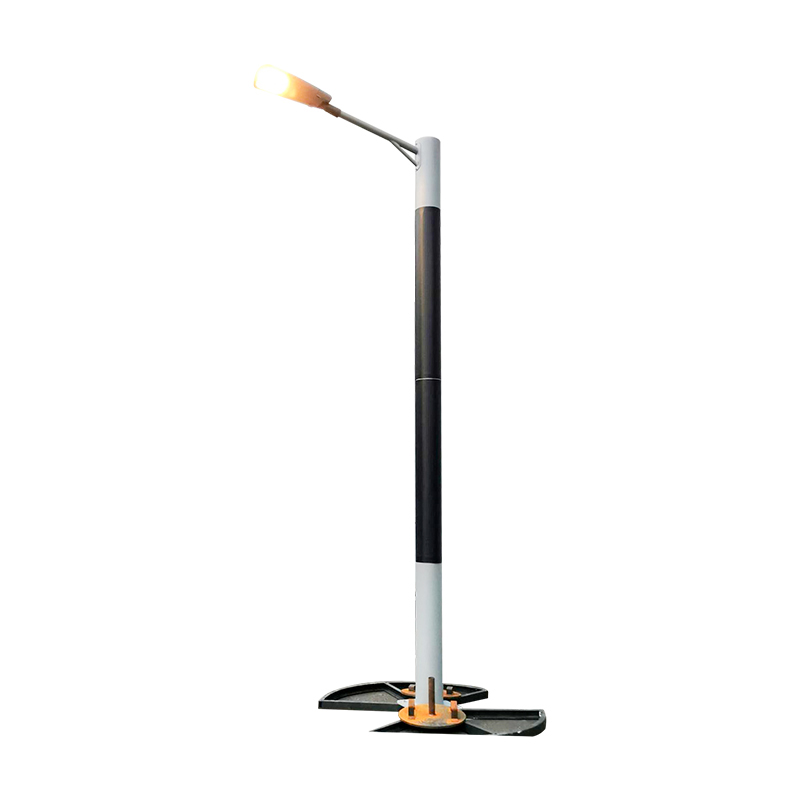 DDK-SSPL-2000 Cylinder Solar Pole Single/Double Arms And Street LED Lamps
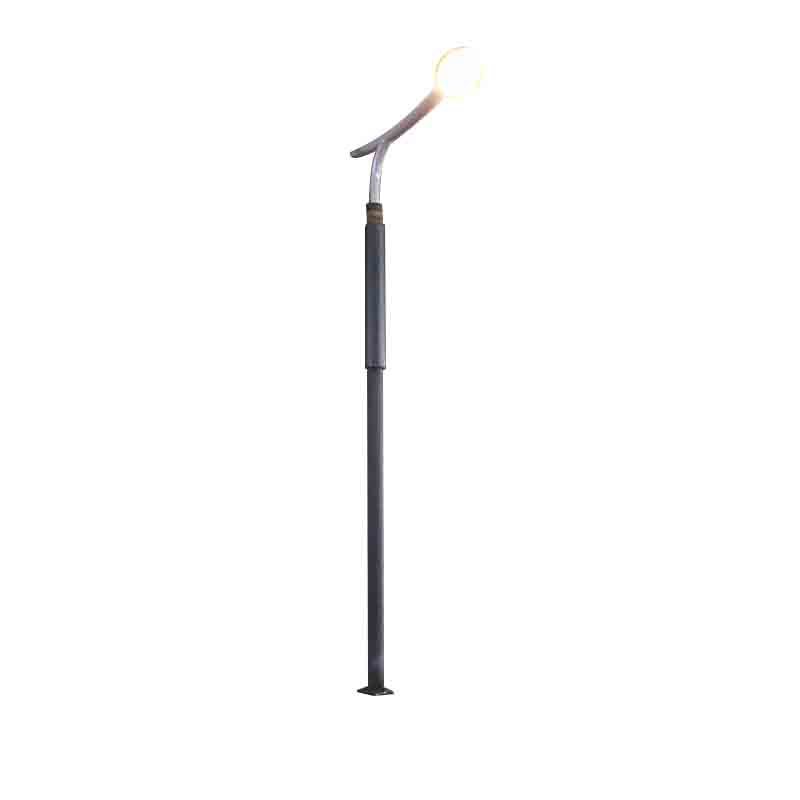 DDK-SSPL-2002 Cylinder Solar Pole With Lamp Head
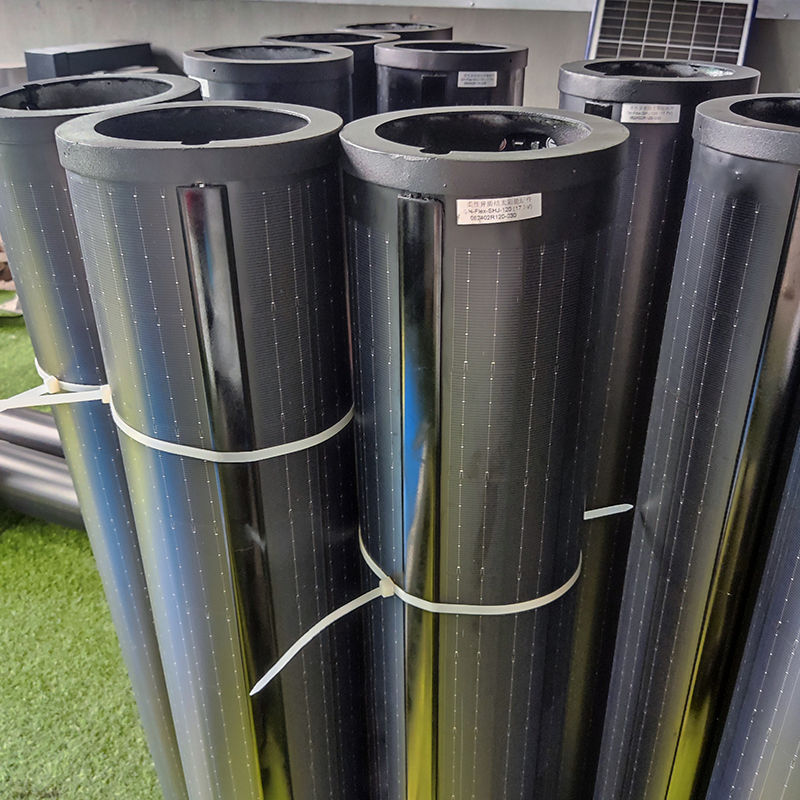 140W Flexible Solar Panel: High-Performance, Elegant and Versatile Power Solution for Lighting Poles and Park Lightings
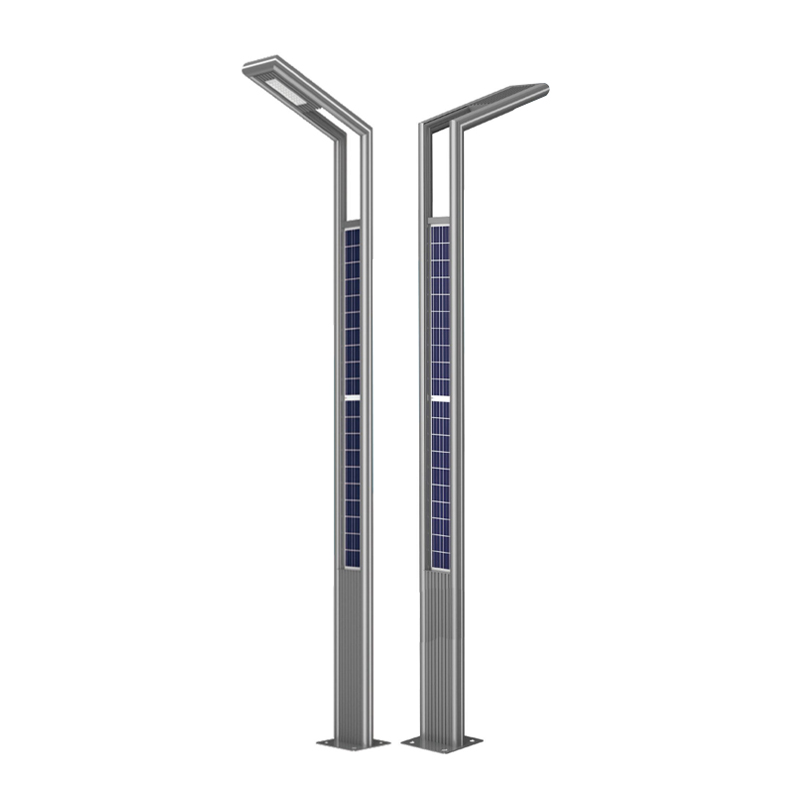 DDK-GN003 Double Sides Integrated Solar Aluminium Pole
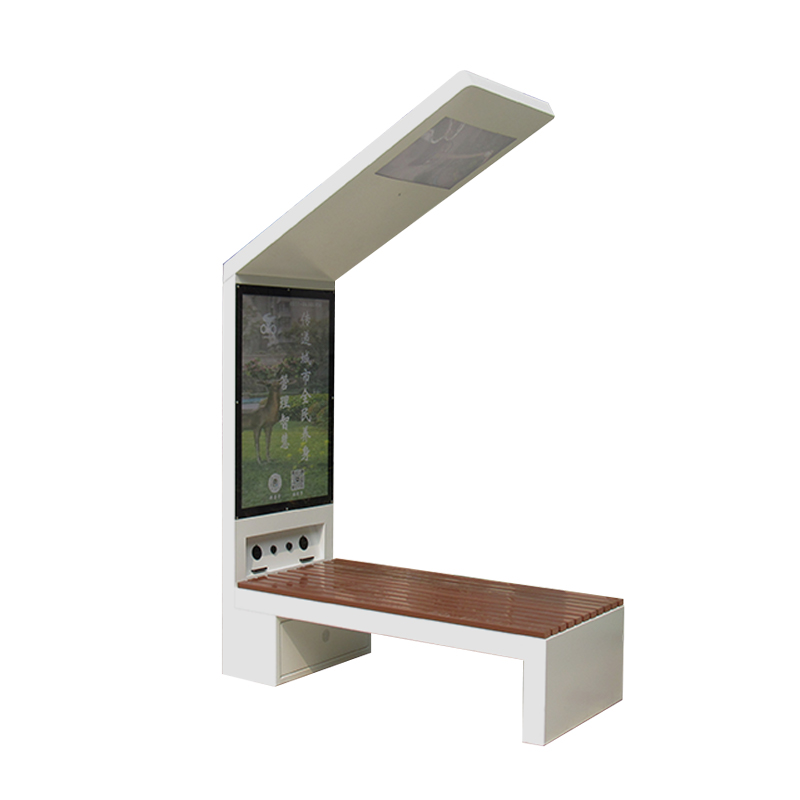 DDK-2000A Charging WIFI Solar Bench Outdoor Bench with Roof on the Top
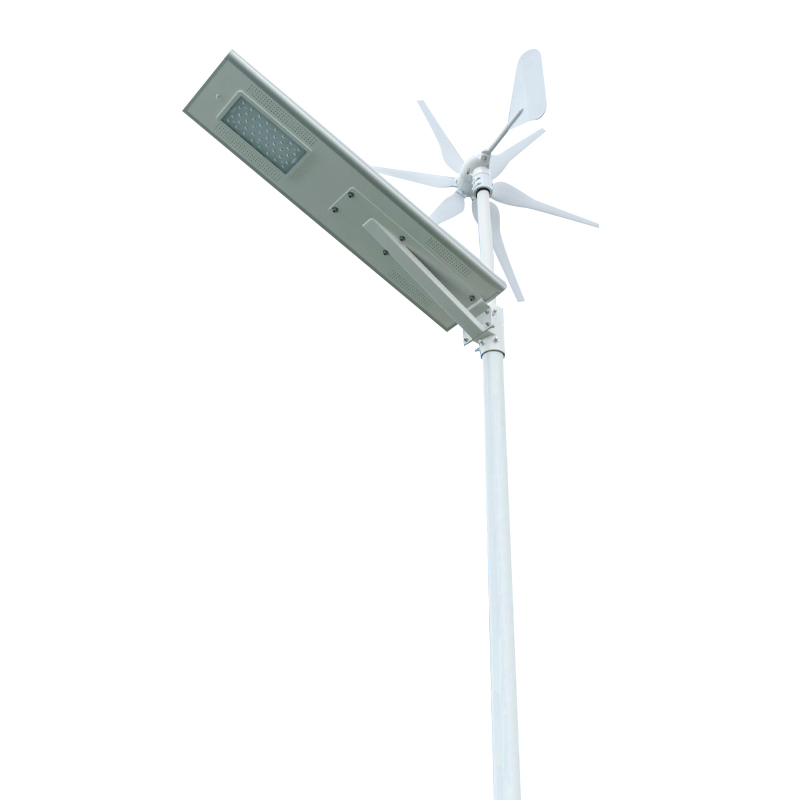 DDK G01 Solar&Wind Hybrid Integrated Optical Lens Solar All in One Light
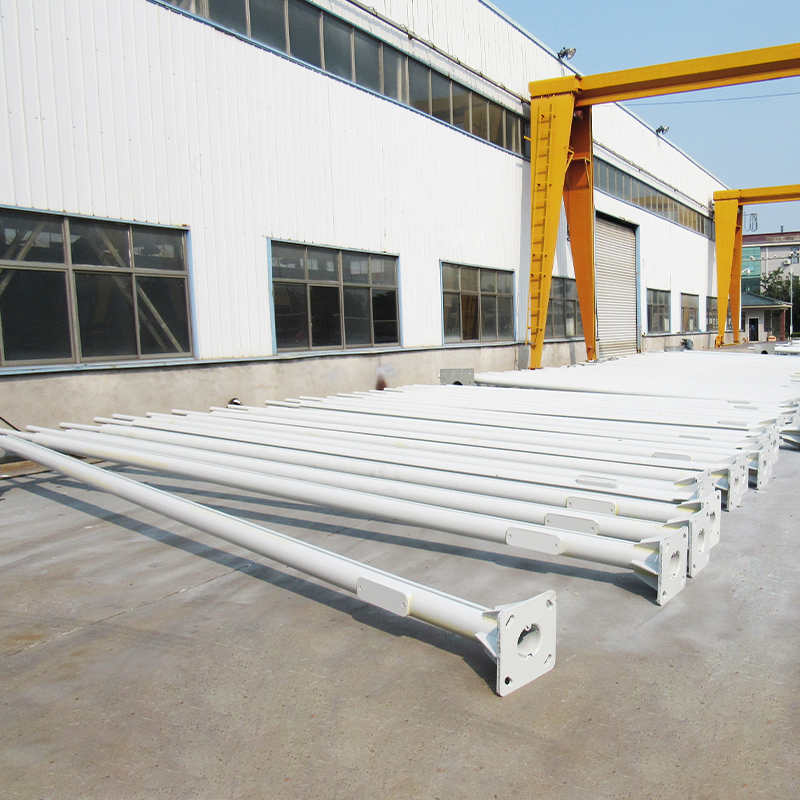 Customized Round Hexagon Octagonal Square Steel Street Light Poles for Outdoor Lightings
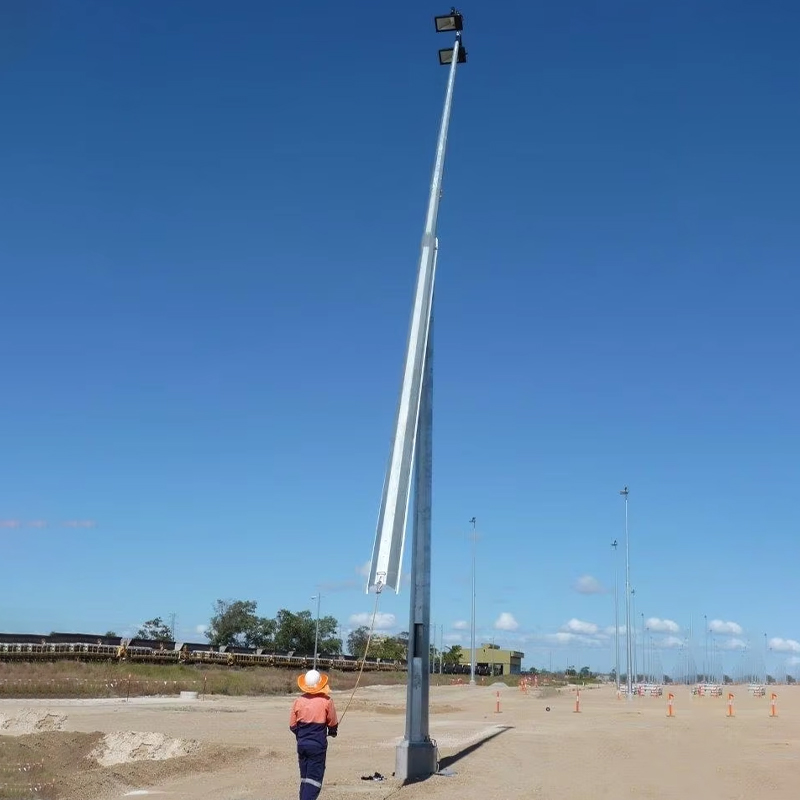 3 to 16M Galvanized Steel Hinged Poles
 English
 русский
 Español
 عربى
عربى

