
call us
+86-18811954888
2026-03-26
Public seating has served the same basic function for centuries, but the intelligent solar bench represents a genuinely different category of urban infrastructure. By integrating photovoltaic panels, battery storage, wireless connectivity, and a range of digital services into a single street furniture unit, the solar smart bench transforms a passive resting place into an active node of a city's digital and energy network. Intelligent solar benches are now deployed in over 100 cities worldwide, providing USB and wireless charging, public Wi-Fi, ambient lighting, environmental sensing, and usage data collection entirely off-grid through solar energy. For city planners, property developers, university campuses, and park authorities evaluating smart city investments, these benches offer a combination of public service, sustainability credentials, and data infrastructure that no conventional bench can provide. This guide explains how intelligent solar benches work, what features are genuinely useful versus merely speculative, how to evaluate procurement options, and what real-world deployments have demonstrated about their performance and value.
The energy foundation of every solar smart bench is a photovoltaic panel integrated into or above the bench structure, converting sunlight into direct current electricity that is stored in an onboard battery and distributed to the bench's electronic systems and user-facing charging ports. Understanding the energy chain helps evaluate whether a specific product will perform adequately in a given location and climate.
Most intelligent solar benches use monocrystalline silicon photovoltaic panels because of their superior efficiency in the limited surface area available on a bench structure. Standard panel sizes across commercial intelligent bench products range from 80W to 200W peak output, with some premium products integrating two panel sections on a canopy or overhead structure to reach 250W or above. The panel is typically mounted at a fixed tilt angle of 15 to 25 degrees on the backrest of the bench or on a dedicated overhead arm, positioned to maximize annual solar collection at the installation latitude while maintaining a visual profile that integrates with the surrounding streetscape.
Daily energy collection depends on panel wattage, tilt and orientation, local solar resource, and shading from nearby trees or structures. A 100W panel in a location receiving 4 peak sun hours per day generates approximately 400 Wh of energy daily before inverter and battery losses. This is sufficient to power a typical intelligent bench's charging ports, Wi-Fi module, LED lighting, and sensor suite for the full day and into the evening with reserve capacity for multiple consecutive overcast days if the battery is appropriately sized.
The onboard battery bank determines how many days the bench can operate fully without solar input, which is critical for performance through cloudy periods and winter months in higher latitudes. Lithium iron phosphate (LFP) batteries are the standard specification for intelligent solar benches because of their thermal stability, cycle life of 2,000 to 4,000 full cycles, and tolerance of the temperature variations experienced inside an outdoor furniture unit. Battery capacities across commercial products typically range from 500 Wh to 2,000 Wh. A 1,000 Wh battery bank powering a bench consuming an average of 150 Wh per day provides approximately 6 to 7 days of autonomous operation at typical feature usage levels, covering most overcast weather sequences without service interruption.
Sophisticated solar smart benches incorporate an intelligent power management system that monitors battery state of charge and adjusts feature availability based on available energy. When battery level falls below a configured threshold, low-priority loads such as ambient lighting or environmental sensors may be temporarily suspended to protect charging port availability, which is typically the highest-priority user-facing service. This load-shedding logic ensures that the bench continues to deliver its core function even during extended low-solar periods, and it operates automatically without any intervention from city maintenance staff.
The feature set of intelligent solar benches varies significantly between products and manufacturers, and not every feature listed in a product specification contributes equally to public value. The following categories represent the features with the strongest evidence of genuine user benefit and operational utility.
Device charging is consistently the most used feature of intelligent solar benches in every deployment study and user survey conducted to date. Typical configurations provide 2 to 6 USB-A ports delivering 5V at 2.1A standard charging current, with premium products adding USB-C PD (Power Delivery) ports at 18W to 45W for fast charging of modern smartphones, tablets, and laptops. Qi-standard wireless charging pads embedded in the bench seat surface are an increasingly common addition that allows charging without any cable connection, though the lower efficiency of wireless charging (typically 70 to 85% versus 95% for wired connections) must be accounted for in energy budget calculations.
In a study of smart bench deployments in Warsaw, Poland, operated by the Soofa product family, over 80% of bench interactions involved the charging ports, confirming charging as the primary driver of user engagement with solar smart bench installations. This data strongly supports prioritizing charging port quantity and quality over other feature categories when specifying intelligent solar benches for high-footfall urban locations.
Integrated Wi-Fi connectivity is a standard feature of most commercial solar smart benches, using a cellular data connection (4G LTE or 5G) from a SIM-based data plan to provide a local Wi-Fi hotspot accessible to bench users within a radius of approximately 20 to 30 meters. Throughput capacity varies by product and cellular plan, but typical configured speeds are 20 to 50 Mbps download, which is adequate for streaming, web browsing, and video calls for multiple simultaneous users. Wi-Fi hotspot provision carries an ongoing SIM data subscription cost that operators must account for in the total cost of ownership beyond the initial procurement price.
LED ambient lighting integrated into the bench structure illuminates the immediate seating area and surrounding pathway at night, improving visibility and perceived safety in parks, transit stops, and pedestrian zones. Lighting is typically activated automatically by a daylight sensor and may incorporate motion detection to reduce energy consumption during low-activity periods by dimming to a standby level and brightening when pedestrian presence is detected. The warm-tone LED options available on premium products blend more naturally into park and historic district environments than the cold-white illumination that characterized earlier product generations.
Many solar smart bench products integrate a suite of environmental sensors that measure and transmit real-time data to a city management platform. Common sensor configurations include:
The environmental sensing capability of a networked fleet of intelligent solar benches creates a distributed sensor network across an urban area at a cost significantly lower than deploying dedicated air quality monitoring stations. Cities including Chicago, Barcelona, and Singapore have incorporated smart bench sensor data into their urban environmental dashboards as part of broader smart city sensing infrastructure programs.
Passive infrared (PIR) or capacitive seat sensors detect bench occupancy and transmit usage data to a management platform, generating anonymized occupancy patterns over time. This data has practical value for parks departments making decisions about additional seating provision, for retailers and transit authorities understanding pedestrian flow patterns, and for demonstrating community engagement value to funding stakeholders. Footfall and occupancy data from smart bench deployments has been used by city park departments to justify maintenance scheduling decisions and seasonal programming, demonstrating that the data layer of intelligent solar benches creates management value beyond the direct user services.
Beyond the core feature set described above, a growing number of intelligent solar bench products offer advanced capabilities that extend the bench's role within smart city infrastructure. These features carry additional cost and complexity that must be evaluated against the specific deployment context.
Integrated display screens ranging from small informational panels to full-format digital advertising displays are available on some solar smart bench configurations. These screens can deliver real-time public transit information, weather updates, wayfinding assistance, emergency alerts, and community messaging. In commercial deployments such as shopping centers and transportation hubs, digital advertising on bench screens can generate revenue that offsets product cost over the deployment period. The energy demand of digital screens, particularly in larger format configurations, must be carefully accounted for in the system energy budget: a 32-inch outdoor display can consume 80 to 150W continuously, which significantly increases the solar panel and battery capacity required compared to a bench without a screen.
Some solar smart bench products include an emergency communication button or intercom system connected to a monitoring center, police dispatch, or automated emergency alert system. In parks, transit corridors, and areas where personal safety is a public concern, this feature extends the bench's role to active safety infrastructure. The off-grid solar power source of the intelligent bench is a particular advantage for emergency communication systems, ensuring continued function during grid power outages when public safety risks are typically elevated.
Advanced intelligent solar benches can serve as gateway nodes for LoRaWAN (Long Range Wide Area Network) IoT networks, receiving and forwarding data from other low-power IoT sensors deployed within range in the surrounding area. Smart bins, irrigation sensors, waste level monitors, and other urban IoT devices can communicate through the bench gateway to the city's data platform without requiring their own cellular connectivity. This positions the solar smart bench as a multi-function infrastructure node rather than a standalone product, multiplying its data network value in cities building out distributed IoT sensor coverage.
Several solar smart bench manufacturers offer optional heated seating surfaces for deployments in cold climate regions. Low-wattage radiant heating elements embedded in the seat surface activate when temperature drops below a configured threshold, drawing power from the bench battery. The energy demand for heating is carefully managed to prevent battery depletion: typical heated bench elements consume 30 to 80W per seat section, which requires careful solar resource assessment at northern latitude locations where solar availability is lowest during the coldest months when heating is most needed. Heated intelligent solar benches have been deployed successfully in Scandinavia, Canada, and the northern United States, typically with oversized battery banks and supplementary grid connection options at sites where solar alone cannot sustain heating throughout winter months.
The physical design of an intelligent solar bench must balance the structural requirements of outdoor public furniture, the thermal and electrical requirements of the integrated technology, and the aesthetic requirements of the installation environment. These factors interact in ways that distinguish well-designed products from those that fail in field conditions or become eyesores in sensitive urban settings.
Intelligent solar bench frames are most commonly manufactured from powder-coated steel, marine-grade aluminum alloy, or a combination of both. Steel provides strength and weight that contributes to stability and vandal resistance, while aluminum offers superior corrosion resistance in coastal and high-humidity environments. The structural frame must be designed to withstand the mechanical stresses of public use including standing loads, lateral forces from vandalism attempts, and the wind load applied to the solar panel canopy. Reputable manufacturers provide independent structural testing data confirming compliance with applicable public furniture standards such as EN 581 (Outdoor Furniture) in European markets or equivalent ASTM standards for North American deployments.
Seating surfaces on solar smart benches are available in multiple materials that affect durability, comfort, aesthetic compatibility with the surroundings, and maintenance requirements:
All electronic components including the battery, charge controller, Wi-Fi module, and sensor suite must be housed in weatherproof enclosures rated to appropriate ingress protection standards. A minimum IP rating of IP54 (dust protected, splash resistant) is required for outdoor electronic enclosures, and IP65 or IP67 is preferable for components in exposed locations or in high rainfall climates. The electronics enclosure should also be thermally managed to prevent battery degradation at high ambient temperatures: lithium iron phosphate batteries begin to experience accelerated degradation above 45 to 50 degrees Celsius, which is readily reached inside metal enclosures in direct sunlight in warm climates without adequate ventilation or thermal management design.
The data and connectivity layer of a solar smart bench fleet distinguishes intelligent solar benches from conventional solar-powered street furniture. The ability to monitor, manage, and extract value from a networked fleet of benches remotely is as important as the physical features visible to users.
Leading intelligent solar bench manufacturers provide a cloud-based management platform that gives operators real-time visibility into the status of every bench in the fleet. Typical dashboard capabilities include:
Remote management capability means that a city managing a fleet of 50 intelligent solar benches can monitor the entire fleet and respond to faults without dispatching maintenance personnel to physically inspect each unit. This reduces operational cost and means that charging ports are restored to service faster when a fault occurs. Manufacturers offering contractual service level agreements guaranteeing response times of 24 to 48 hours for fault resolution provide significantly better operational assurance than those offering only hardware warranties without service commitments.
The data generated by intelligent solar benches, including environmental measurements, usage statistics, and occupancy patterns, has commercial and research value beyond its immediate operational use. Procurement specifications should explicitly address data ownership to ensure that the public authority or operator retains full ownership of all data generated by deployed benches, with the manufacturer having access only to the extent necessary for service delivery. Environmental and occupancy data should be collected and processed in compliance with applicable data protection regulations including GDPR in European deployments. Anonymized aggregate data (bench occupied or unoccupied rather than individual identification) satisfies both privacy requirements and operational usefulness for the majority of smart bench management applications.
Intelligent solar benches deliver the greatest public value in locations that combine high footfall, absence of existing grid power infrastructure for conventional amenities, and user need for device charging or connectivity services. Matching the product to the right location is more important than the specific feature configuration chosen.
| Deployment Environment | Key User Need | Priority Features | Data Value |
|---|---|---|---|
| City center plazas and pedestrian streets | Device charging, Wi-Fi, real-time information | USB-C fast charging, digital display, Wi-Fi hotspot | Footfall analytics, air quality |
| Urban parks and green spaces | Comfortable rest, charging, ambient safety lighting | Charging ports, LED lighting, environmental sensors | Occupancy patterns, environmental monitoring |
| Transit stops and bus shelters | Charging while waiting, real-time transit information | Fast charging, digital information display, Wi-Fi | Dwell time, peak demand periods |
| University and campus settings | Study connectivity, laptop charging, outdoor workspace | USB-C PD high wattage, strong Wi-Fi, multiple ports | Space utilization, sustainability reporting |
| Tourist and heritage sites | Photo opportunity charging, wayfinding, connectivity | Premium aesthetics, wireless charging, NFC or QR info | Visitor flow, dwell time by location |
| Beachfront and coastal promenades | UV alert, charging, air quality awareness | UV sensor, salt-tolerant materials, charging ports | Seasonal occupancy, environmental conditions |
The procurement cost of an intelligent solar bench is the most visible but not the most important financial figure in the total cost of ownership calculation. Understanding the full cost picture over a 10-year deployment period allows more accurate budget planning and more realistic comparison between competing products and conventional alternatives.
Intelligent solar benches have been procured through several funding approaches that distribute or offset costs:
The intelligent solar bench market includes products that vary enormously in quality, durability, and long-term supportability. Asking the right questions during the procurement process separates products that will perform reliably over a 10 to 15 year deployment from those that appear impressive on a specification sheet but fail in field conditions.
Intelligent solar benches represent a genuine and tested advance in public infrastructure capability, but the quality gap between leading and trailing products in the market is wide, and the long-term cost of a poor procurement decision significantly exceeds any initial price saving. Thorough technical evaluation, total cost of ownership analysis, and reference checking with existing operators are the essential steps toward a deployment that serves the public well and delivers long-term value for the investing authority.
Related Products
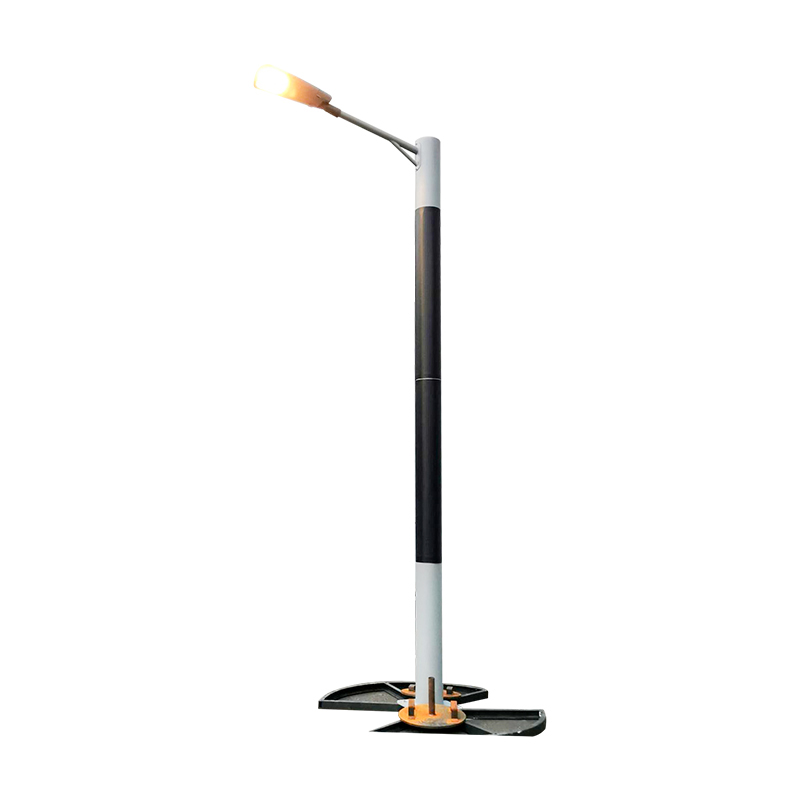 DDK-SSPL-2000 Cylinder Solar Pole Single/Double Arms And Street LED Lamps
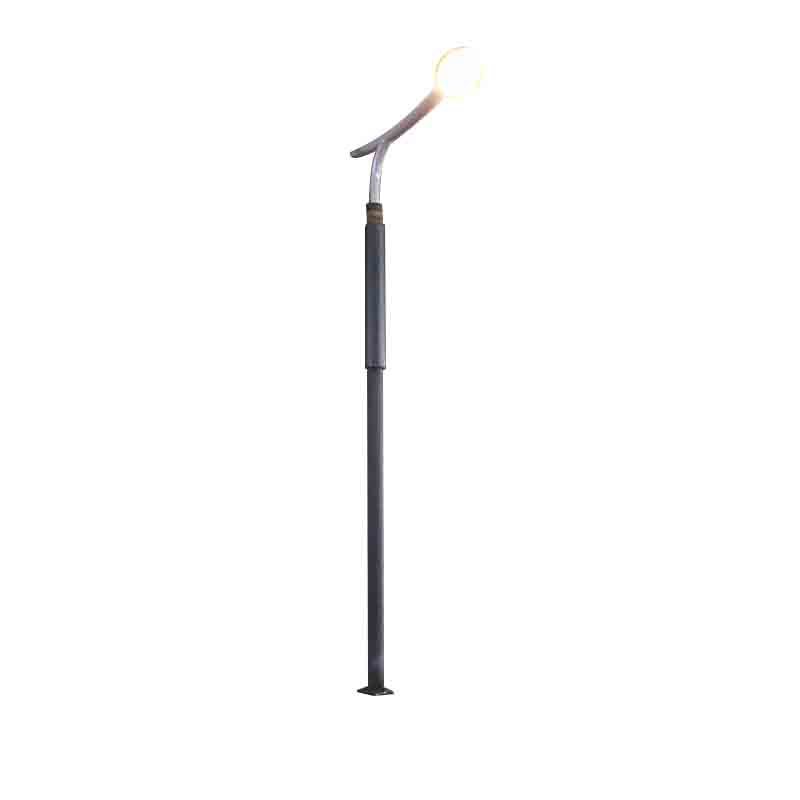 DDK-SSPL-2002 Cylinder Solar Pole With Lamp Head
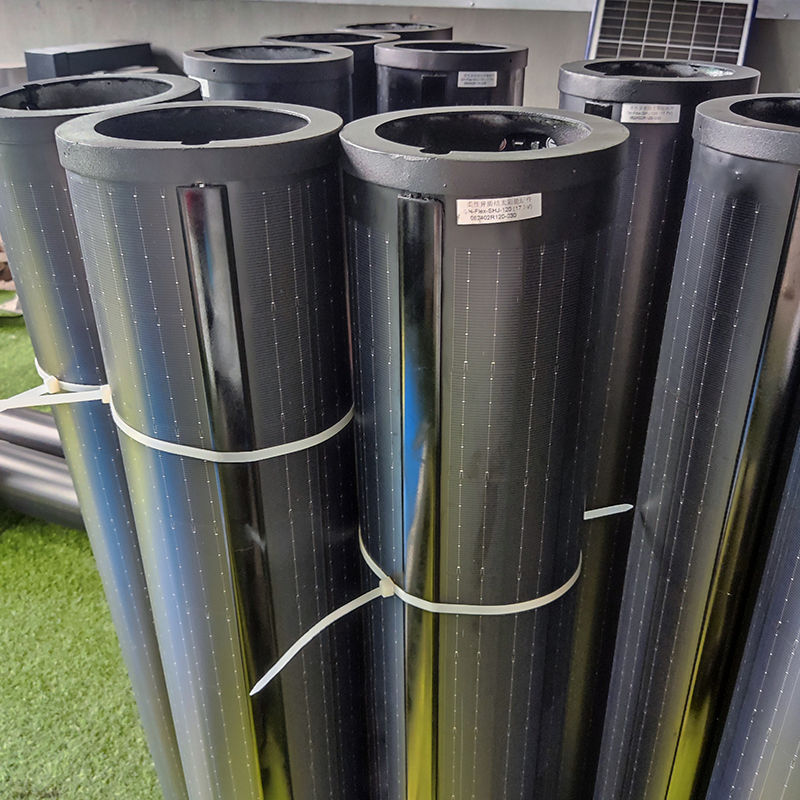 140W Flexible Solar Panel: High-Performance, Elegant and Versatile Power Solution for Lighting Poles and Park Lightings
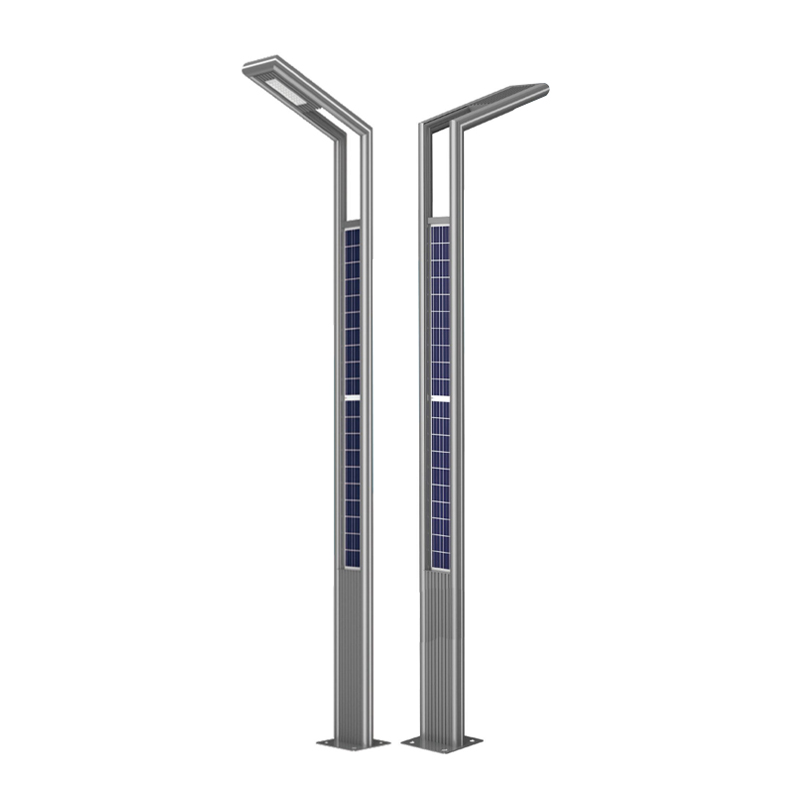 DDK-GN003 Double Sides Integrated Solar Aluminium Pole
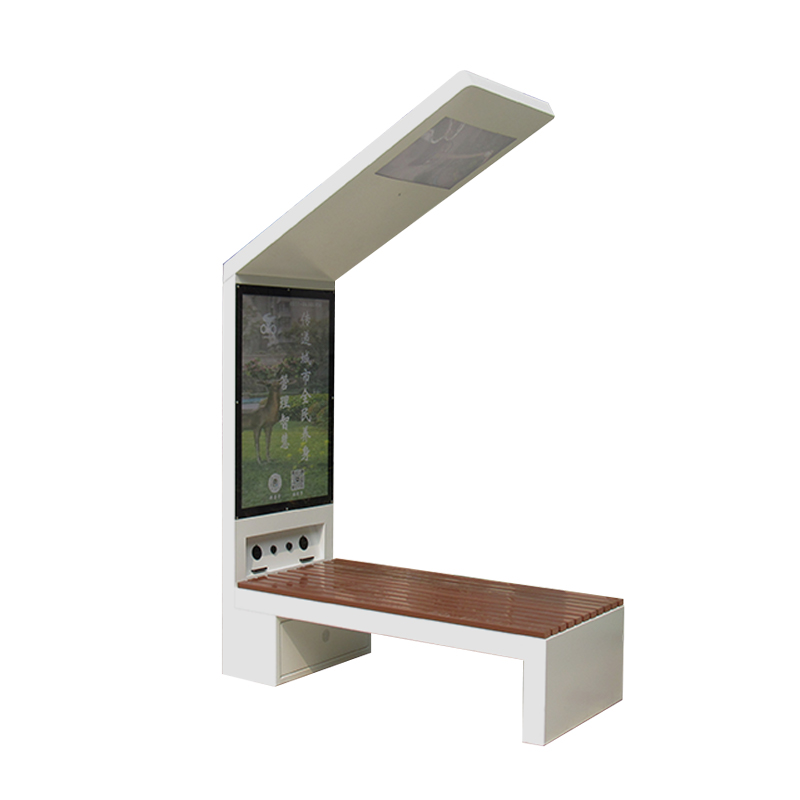 DDK-2000A Charging WIFI Solar Bench Outdoor Bench with Roof on the Top
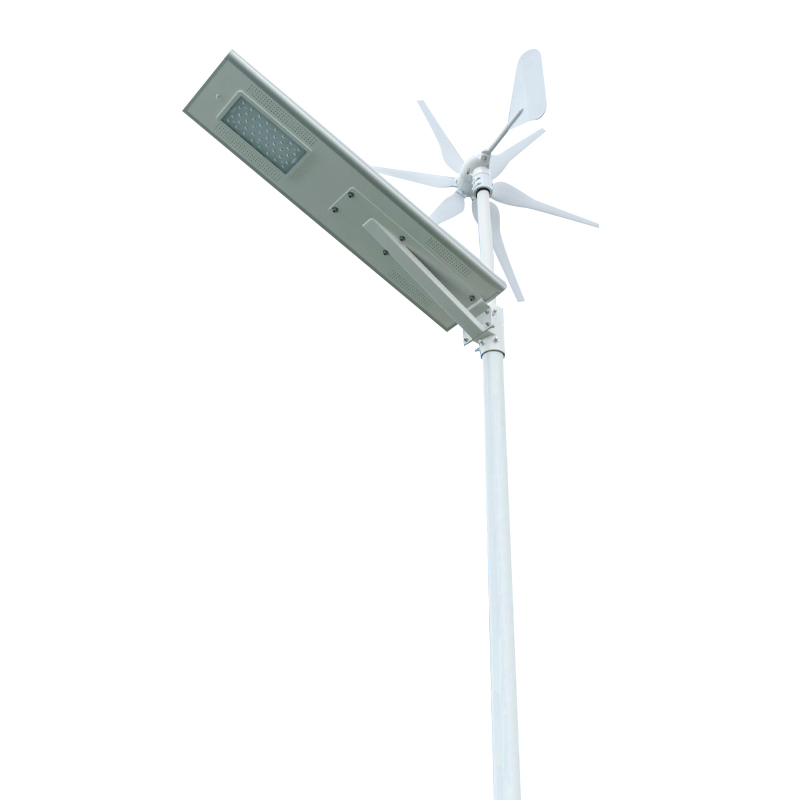 DDK G01 Solar&Wind Hybrid Integrated Optical Lens Solar All in One Light
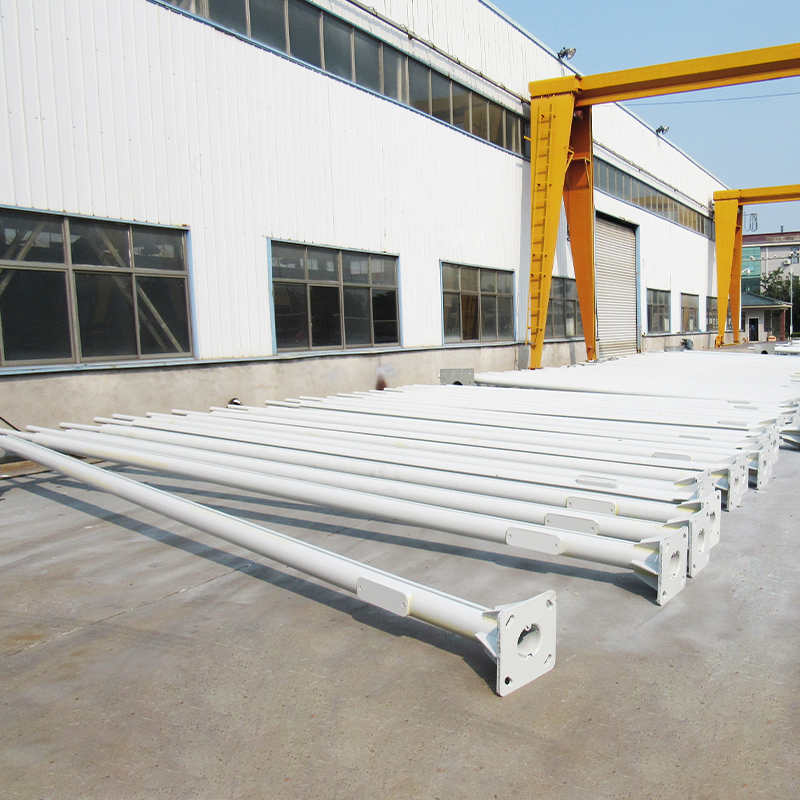 Customized Round Hexagon Octagonal Square Steel Street Light Poles for Outdoor Lightings
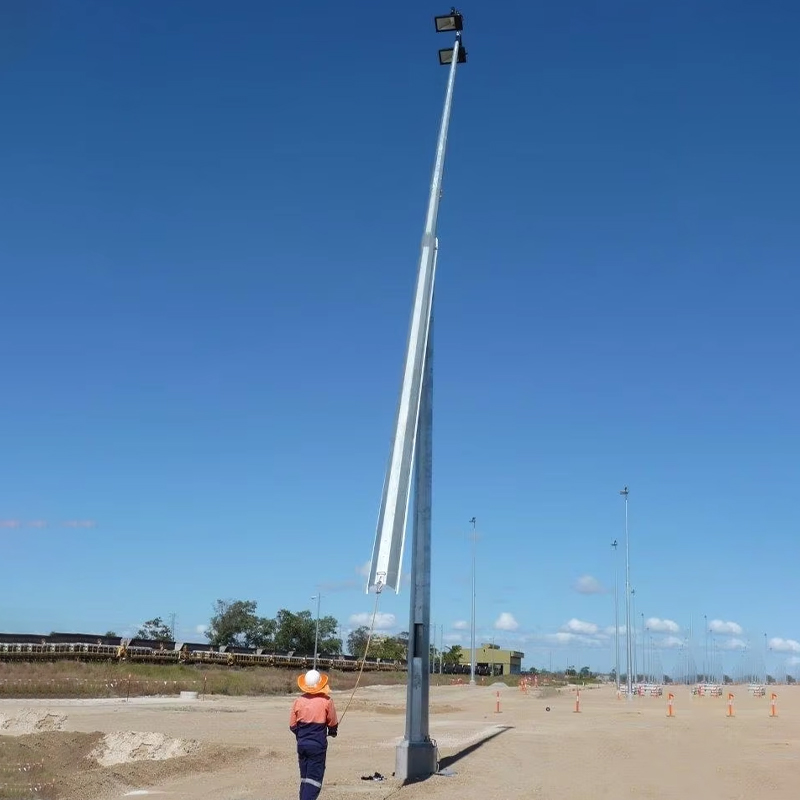 3 to 16M Galvanized Steel Hinged Poles
Contact us
180 meters south of the intersection of Nanbei Avenue and Xuba Road, Gaoyou City, Yangzhou City, Jiangsu Province, China.
+86-18811954888
ddk@cnddk.net
 English
 русский
 Español
 عربى
عربى

