
call us
+86-18811954888
2026-07-30
Selecting appropriate outdoor lighting infrastructure for private residential properties requires balancing aesthetic charm, structural stability, environmental durability, and operational safety. While municipal street lighting relies on massive utility towers designed to illuminate multi-lane thoroughfares, homeowners need scaled solutions tailored to driveways, private access roads, expansive lawns, and perimeter walkways. The market for street light poles offers a broad range of materials, heights, structural base designs, and power compatibility configurations. Determining what is the best street light pole for home use involves evaluating physical site conditions, architectural themes, local climate factors, and long term maintenance needs.
Illuminating residential landscapes involves more than placing a light bulb on an elevated post. A well-designed residential pole system enhances property security, provides safe nocturnal navigation, and increases real estate value. By analyzing the engineering differences between aluminum, steel, fiberglass, and cast iron structures, property owners can select street light poles that offer continuous service without succumbing to wind fatigue, moisture corrosion, or physical degradation.
Residential outdoor illumination serves distinct functional and visual goals compared to public infrastructure. Understanding these differences allows homeowners to avoid over-engineering their property or selecting industrial grade hardware that overwhelms private landscape aesthetics.
The primary objective of installing street light poles on private residential land is to establish controlled visual illumination across key activity zones. Driveways, parking turnarounds, gated entryways, garden paths, and barn yards require consistent light levels to deter unwanted intruders and allow safe vehicle maneuvering after dark.
Unlike low voltage accent lighting that highlights garden foliage at ground level, elevated post lighting provides broad area coverage. Elevating the light source reduces shadows, eliminates blind spots around outbuildings, and allows motion sensor fixtures to scan wider perimeter angles. Furthermore, properly positioned posts keep illumination directed downward onto pavement and walking paths, preventing light trespass into neighboring windows or sky glow pollution.
Municipal street light poles are typically designed for high speed traffic corridors, reaching heights from twenty-five feet to over forty feet. These commercial towers feature massive foundations, thick steel walls, and heavy cantilever arms capable of supporting heavy cobra head fixtures across broad roadways.
In contrast, residential applications prioritize proportions that harmonize with single story or two story residential architecture. Residential poles generally stand between eight and sixteen feet tall. They utilize lighter structural profiles, decorative bases, and refined mounting hardware that complement home exteriors. Additionally, residential installations often prioritize easy manual installation, low voltage wiring compatibility, or integrated solar assemblies that eliminate the need for heavy industrial cranes during setup.
The material composition of a lighting post dictates its resistance to weather, mechanical strength, physical weight, and long term maintenance burden. Four primary materials dominate the residential market segment.
Aluminum is widely regarded as one of the most practical materials for residential light posts. Manufactured through extrusion or casting processes, aluminum offers a high strength to weight ratio while resisting atmospheric corrosion automatically.
When aluminum reacts with oxygen, it forms an invisible surface oxide film that prevents deep rust penetration. This property makes aluminum street light poles well suited for humid climates, coastal regions exposed to salt spray, and areas subjected to heavy seasonal rainfall. Because aluminum posts are lightweight, two adults can easily position and secure them onto concrete foundations without specialized heavy crane machinery. Powder coated aluminum options provide long lasting color retention and require virtually no ongoing surface maintenance.
When high wind resistance, maximum structural rigidity, and exceptional mechanical strength are needed, steel street light poles represent a dependable choice. Constructed from high grade tubular steel, these poles withstand heavy wind loads and support multi-fixture arrangements without flexing.
To prevent rapid rusting, steel posts designed for outdoor use undergo hot dip galvanizing. This manufacturing process submerges the raw steel shaft into molten zinc, creating a protective alloy coating inside and outside the tube. Galvanized steel posts can withstand accidental bumps from lawnmowers or slow moving vehicles without suffering catastrophic structural failure. However, their heavy physical weight requires robust concrete foundations and careful handling during installation.
Fiberglass reinforced polymer posts represent a high performance modern alternative to traditional metal poles. Produced through pultrusion processes where glass fibers are embedded in synthetic resins, composite poles offer complete immunity to chemical corrosion and rot.
A primary advantage of fiberglass street light poles is electrical non-conductivity. This built-in insulating characteristic adds a layer of safety for residential yards where children or pets play near electrical fixtures. Fiberglass posts resist salt water, agricultural fertilizers, canine urine exposure, and extreme temperature swings without flaking or peeling. Furthermore, composite poles are lightweight, easy to transport, and can be colored throughout the resin layer so scratches remain virtually invisible.
For properties featuring historic, Victorian, or colonial architecture, cast iron and decorative cast metal posts provide unmatched traditional charm. Cast iron features heavy wall mass, intricate base details, fluted shafts, and classical lantern mountings that evoke old world elegance.
The substantial mass of cast iron provides natural dampening against wind vibration and structural sway. However, raw cast iron requires diligent surface maintenance, including rust inhibitor priming and regular topcoat painting to prevent surface oxidation. Due to their extreme physical weight, cast iron installations often require professional lifting equipment and reinforced foundation pads.
Selecting the correct physical dimensions and anchor mechanics ensures that the light post provides adequate light coverage while remaining structurally secure against environmental forces.
The optimal height for a residential light post depends directly on its intended functional placement across the property. Installing a post that is too tall creates harsh glare, unappealing industrial scales, and light spattering into upper floor bedrooms. Conversely, a post that is too short restricts the light dispersal radius, requiring more fixtures to illuminate a single driveway.
For residential garden pathways, patio perimeters, and front walkways, post heights between eight and ten feet provide comfortable eye-level illumination without blinding pedestrians. For main vehicle driveways, entry gates, and open yard areas, heights between twelve and sixteen feet deliver a broader light footprint, allowing a single luminaire to illuminate wide pavement sections effectively.
Installing street light poles into the ground involves two distinct mounting methods: direct burial shafts and anchor bolt base plate assemblies.
Direct burial posts feature extended shaft lengths that extend three to four feet directly into an excavated ground hole backfilled with compacted crushed stone or concrete. This installation method eliminates visible base plates and provides a sleek appearance at ground level. Direct burial is common for lightweight aluminum and fiberglass posts in residential lawn settings.
Anchor bolt foundation assemblies utilize a steel base plate welded to the bottom of the pole shaft. This base plate mounts onto threaded steel anchor rods set within a poured concrete footing. Anchor bolt systems allow the pole to be leveled precisely using adjustment nuts beneath the plate. This configuration is recommended for taller steel or cast iron posts, as it provides high structural stability and allows easy removal or replacement of the post without damaging the ground foundation.
Outdoor structures must endure severe weather, including strong wind gusts during seasonal storms. Engineers evaluate pole stability using Effective Projected Area standards, which measure how much surface wind resistance a post and its mounted light fixture create together.
When choosing street light poles, homeowners should verify that the pole structure matches the wind zone rating of their geographic region. Coastal zones exposed to hurricanes require poles with thicker tube walls and reinforced base plates. Ensuring that the combined Effective Projected Area rating of the post and fixture does not exceed structural limits prevents dangerous post swaying, fatigue cracking, or foundation failure under sudden wind loads.
The choice of energy source determines the complexity of installation, underground utility trenching requirements, and ongoing electrical operating costs.
Traditional residential post lighting connects directly to the central household alternating current power grid, operating at standard household voltages. Hardwired systems offer consistent, reliable illumination regardless of cloud cover, winter sun angles, or weather conditions.
Hardwired installations require burying underground feeder cables within protective PVC conduits from the main house circuit breaker panel out to the post foundation. The post shaft must include an internal electrical junction box and an accessible handhole cover located near the base. This handhole permits technicians to splice wires, install fuse blocks, and test voltage levels safely without unmounting the entire post structure.
Solar powered street light poles have evolved into viable solutions for residential properties, particularly across remote acreage where running electrical trenching lines is cost prohibitive. These systems combine a high efficiency photovoltaic panel, a rechargeable lithium battery enclosure, an intelligent charge controller, and an integrated light emitting diode luminaire head.
Solar light posts operate completely off the electrical grid, eliminating monthly utility costs and complex wire trenching across landscaped lawns. Modern solar units utilize dusk to dawn photoelectric sensors and motion detection dimming to preserve battery reserves during overcast periods. However, property owners must ensure the installation site receives unimpeded solar exposure throughout the day, away from dense tree canopies or roof overhang shadows.
Low voltage systems operating at twelve or twenty-four volts alternating or direct current offer a safe option for homeowners who prefer self installation. Low voltage street light poles utilize a step down transformer connected to a standard indoor or outdoor electrical outlet.
Because low voltage wiring presents minimal shock hazard, underground supply lines can be buried at shallower soil depths compared to high voltage lines. While low voltage posts produce softer ambient lighting suitable for quiet residential environments, modern light emitting diode technology allows low voltage systems to provide high lumen outputs suitable for driveway security needs.
Selecting the right post material involves comparing long term trade offs across mechanical, visual, and practical criteria. The following qualitative matrix outlines performance across common residential material choices.
|
Performance Attribute |
Extruded / Cast Aluminum |
Galvanized Tubular Steel |
Composite Fiberglass |
Cast Iron / Decorative Metal |
|---|---|---|---|---|
|
Corrosion Resistance |
Superior Resistance |
High Resistance |
Maximum Immunity |
Requires Maintenance |
|
Physical Strength |
Moderate to High |
High Structural Strength |
High Flexibility |
High Mass Strength |
|
Physical Weight |
Lightweight Handling |
Moderate to Heavy |
Very Lightweight |
Heavy Mass |
|
Installation Effort |
Easy Two Person Job |
Requires Moderate Effort |
Easy Handling |
Professional Crane Needed |
|
Aesthetic Versatility |
Modern and Transitional |
Industrial Utility |
Clean Contemporary |
Historic and Traditional |
|
Long Term Maintenance |
Low Powder Coat Care |
Low Galvanized Care |
Minimal Maintenance |
Regular Priming and Painting |
A street light pole should complement the architectural heritage of the home and the surrounding landscape design, acting as an attractive visual element during daylight hours.
Contemporary home designs featuring flat rooflines, natural wood siding, glass facades, and geometric shapes pair well with minimalist light posts. Modern street light poles favor clean cylindrical or square profiles, hidden mounting hardware, and satin black or bronze powder coat finishes.
These posts often feature integrated light emitting diode fixtures where the luminaire head forms a seamless continuation of the vertical shaft. The absence of ornate scrolls or decorative skirts allows the pole to blend into modern landscape features, providing functional illumination without distracting from the architectural lines of the home.
Colonial, Craftsman, Tudor, and Victorian style homes benefit from decorative light posts that mirror historical craftsmanship. Traditional street light poles feature fluted shafts, decorative cast bases, ladder bars, and elaborate top scrollwork.
These posts are typically capped with glass pane lantern heads, acorn-style globes, or gas lamp style fixtures. Selecting textured black, antique bronze, or verdigris green finishes highlights the intricate casting details, adding historical elegance to front entrance gates, circular driveways, and formal brick pathways.
Expansive rural estates, working farms, and equestrian facilities often prioritize broad functional utility over delicate decorative details. For these environments, scaled commercial utility posts offer an efficient solution.
Plain galvanized steel or dark bronze tubular aluminum posts with single or double side-arm extensions allow wide light distribution over gravel equipment yards, barn entrances, and livestock pens. Pairing these durable poles with high lumen output security fixtures provides clear nighttime visibility across wide acreage.
Proper site preparation and foundation construction ensure that street light poles remain plumb, stable, and safe over decades of continuous exposure to ground movement and weather forces.
The foundation of an anchor bolt mounted light post must extend below the local frost line to prevent ground heaving from tilting the shaft during winter freezing cycles. Excavating a cylindrical hole and filling it with high strength structural concrete creates a permanent counterweight base.
Before the concrete sets, a steel rebar reinforcement cage and a rigid steel anchor bolt template are embedded into the wet mixture. The anchor bolts must extend straight upward above the finished concrete pad at uniform heights. Installers must use a spirit level to verify that the anchor bolt template remains level across all axes, ensuring that the pole stands plumb when bolted down.
When installing hardwired electrical poles, rigid PVC or metallic electrical conduits must be installed into the foundation before pouring concrete. The conduit enters the bottom center of the foundation hole and elbows upward, extending above the top face of the concrete pad inside the anchor bolt perimeter.
Safety standards mandate installing a dedicated copper grounding rod near the base of the pole. A heavy gauge copper wire connects the grounding lug inside the post handhole directly to the buried grounding rod. This grounding path protects the installation against lightning strikes, insulation breakdown, and electrical short circuits.
Attaching light fixtures to the top of the post requires matching the mounting connection geometry precisely. The most common top fittings include vertical tenons, slipfitter adapters, and side mount brackets.
Installers must ensure that side arm extensions do not create excessive mechanical leverage that destabilizes the post base. When mounting heavy dual fixture arms, the physical weight must be balanced evenly across the vertical axis of the pole to prevent uneven mechanical tension on the foundation bolts.
Regular preventative maintenance prolongs the functional life of outdoor light posts, preserves their finish, and prevents minor mechanical issues from escalating into structural failures.
Exposure to ultraviolet solar radiation, rain, atmospheric pollution, and road salt gradually degrades protective surface coatings. Aluminum and steel posts should be washed periodically with mild soap and water to remove accumulated dirt, salt deposits, and bird droppings that can damage paint layers.
If a powder coated or painted surface develops scratches that expose bare metal, property owners should apply touch-up paint immediately. For steel poles, applying a zinc-rich cold galvanizing primer before the color topcoat prevents rust from creeping beneath the surrounding paint layer.
Water accumulation inside a light post shaft leads to internal corrosion, electrical wiring degradation, and freeze expansion damage during winter months. Base plates and foundation designs must include weep holes that allow internal moisture condensation to drain freely onto the concrete pad.
Maintenance personnel should periodically lift decorative base covers to inspect anchor bolts, leveling nuts, and lock washers. Applying protective grease or anti-seize compound to exposed bolt threads prevents rust seizing and simplifies future leveling adjustments. Any loose nuts should be retorqued to recommended manufacturer specifications.
After severe seasonal storms or high wind events, homeowners should perform visual inspections of their street light poles. Checking the vertical alignment with a spirit level helps identify foundation settling or ground movement.
Inspectors should check the handhole access cover to ensure it remains tightly sealed against rainwater intrusion. Additionally, inspecting the top tenon joint, fixture mounting bolts, and glass globe seals prevents hardware loosening caused by continuous wind vibration, keeping the entire outdoor lighting assembly safe and operational.
Related Products
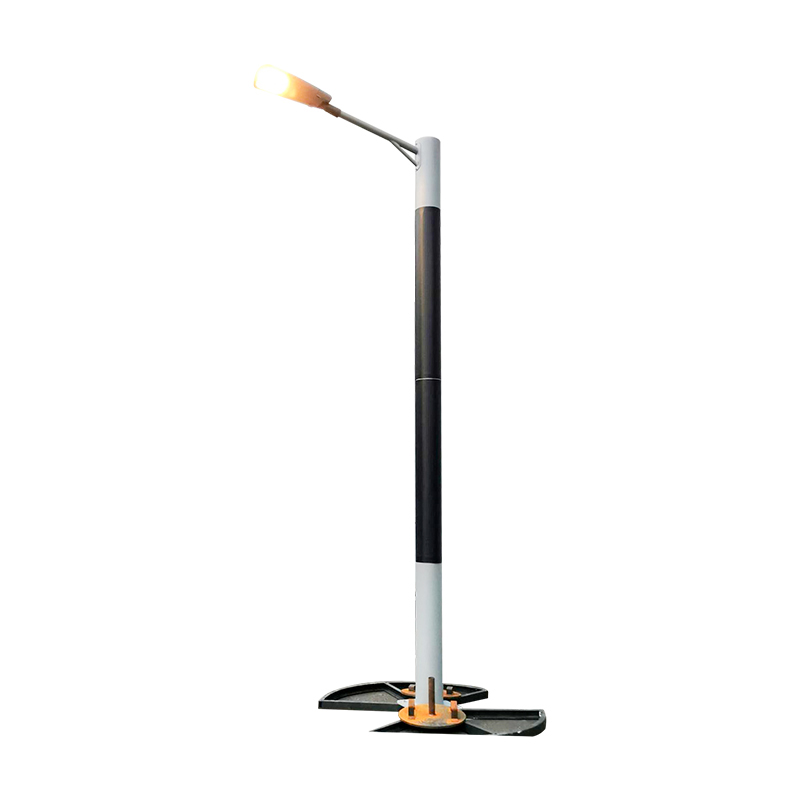 DDK-SSPL-2000 Cylinder Solar Pole Single/Double Arms And Street LED Lamps
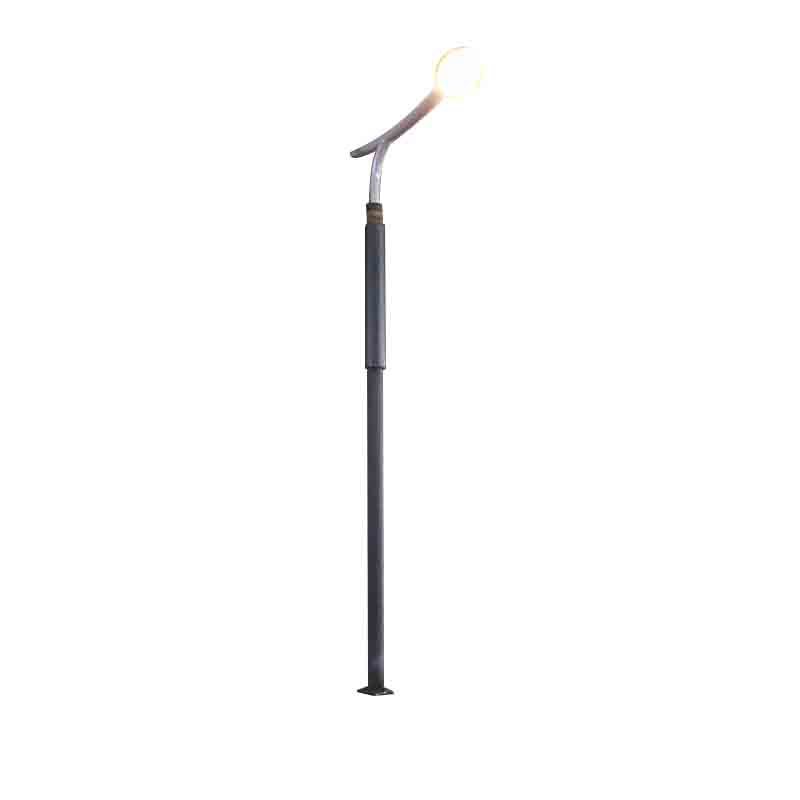 DDK-SSPL-2002 Cylinder Solar Pole With Lamp Head
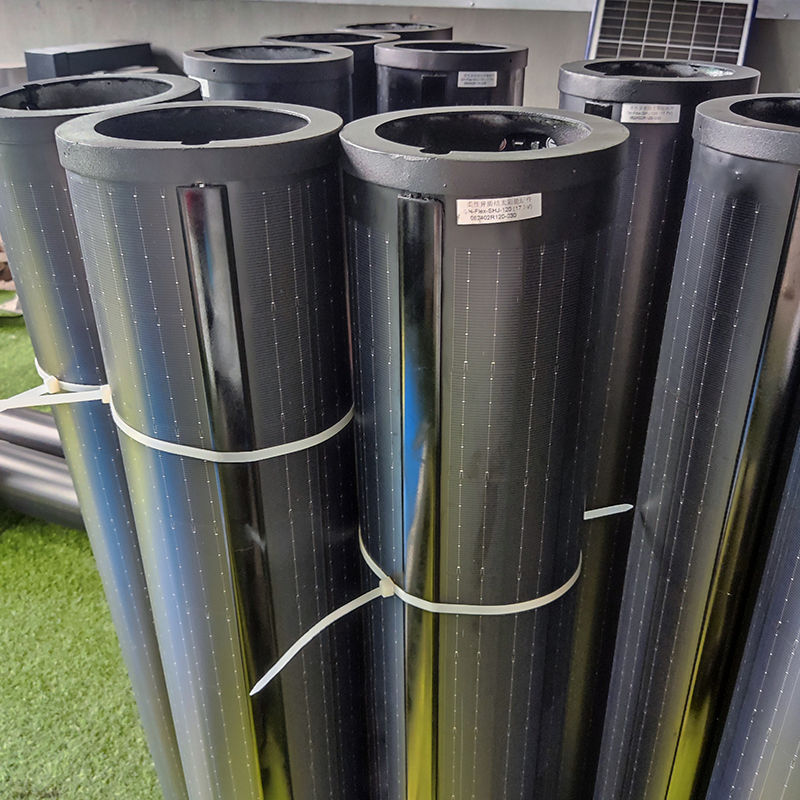 140W Flexible Solar Panel: High-Performance, Elegant and Versatile Power Solution for Lighting Poles and Park Lightings
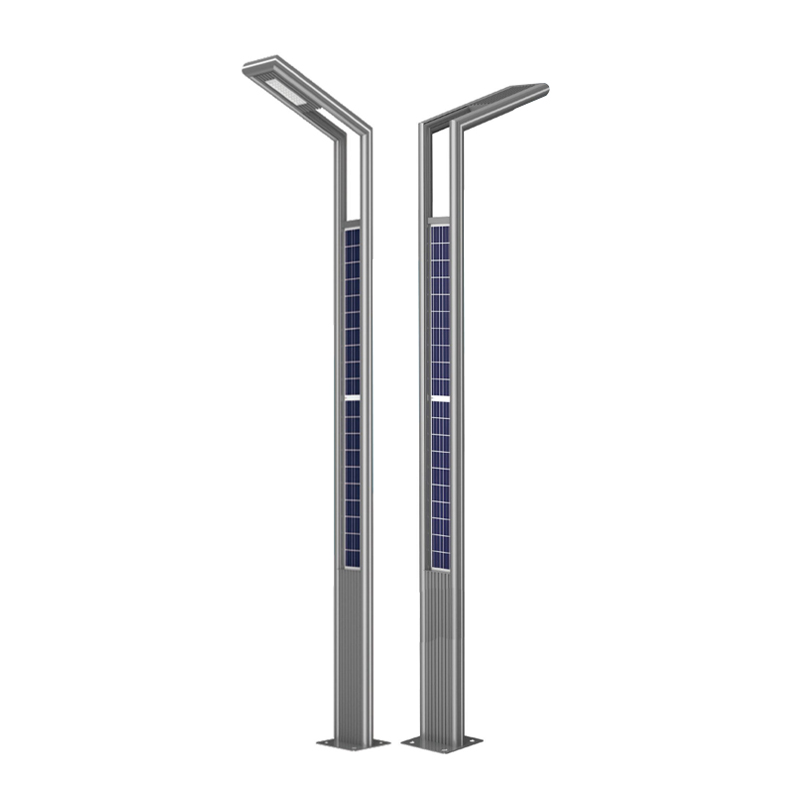 DDK-GN003 Double Sides Integrated Solar Aluminium Pole
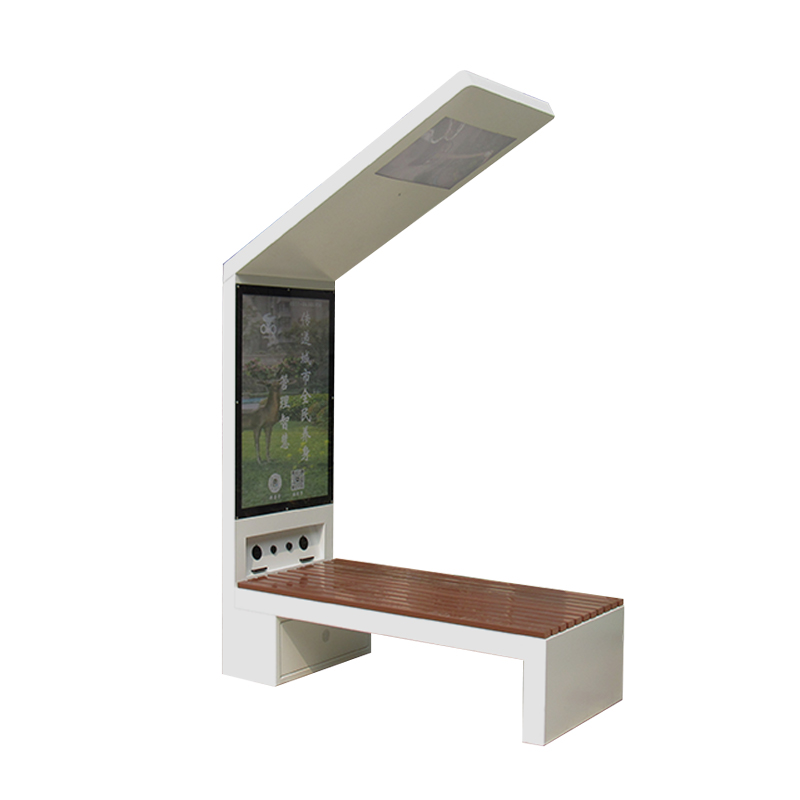 DDK-2000A Charging WIFI Solar Bench Outdoor Bench with Roof on the Top
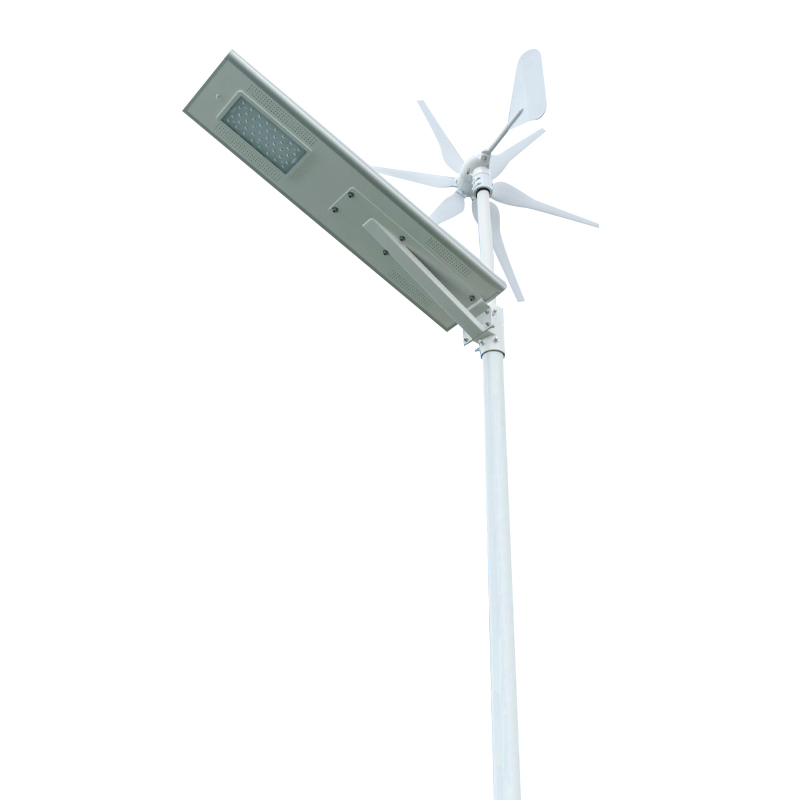 DDK G01 Solar&Wind Hybrid Integrated Optical Lens Solar All in One Light
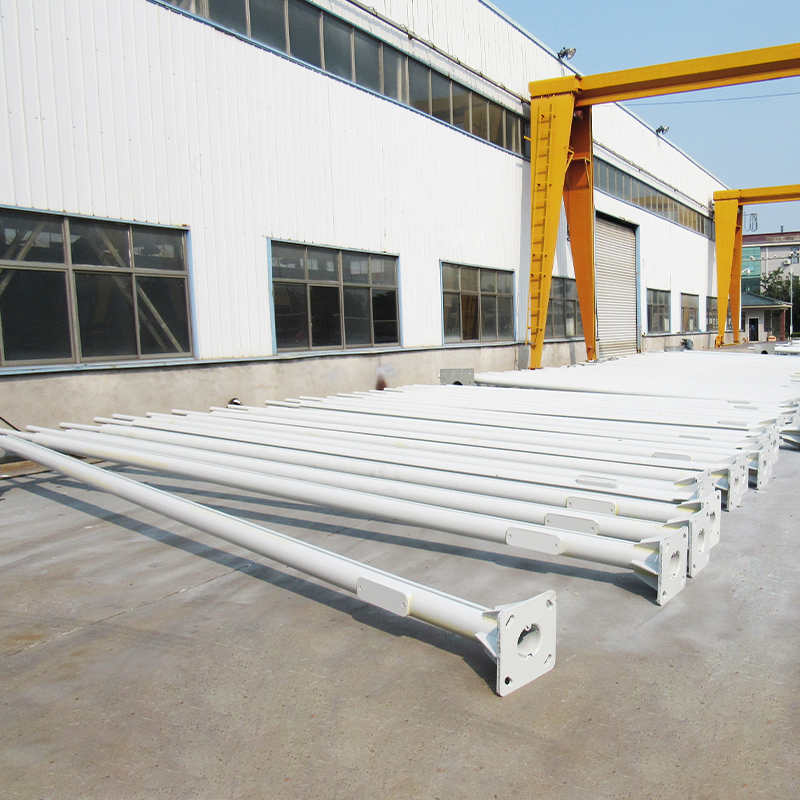 Customized Round Hexagon Octagonal Square Steel Street Light Poles for Outdoor Lightings
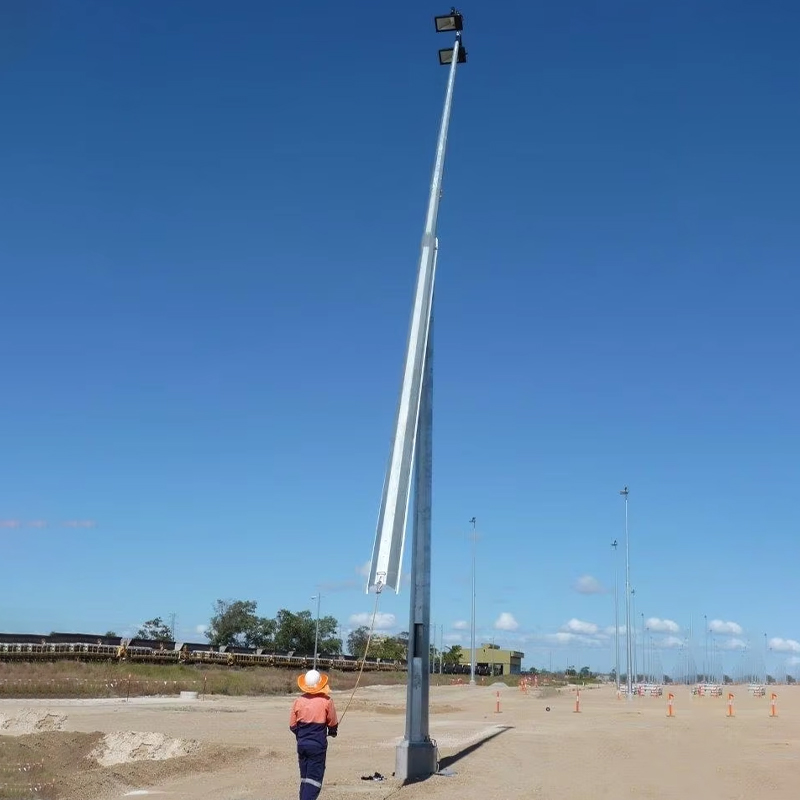 3 to 16M Galvanized Steel Hinged Poles
Contact us
180 meters south of the intersection of Nanbei Avenue and Xuba Road, Gaoyou City, Yangzhou City, Jiangsu Province, China.
+86-18811954888
ddk@cnddk.net
 English
 русский
 Español
 عربى
عربى

