
call us
+86-18811954888
2026-06-25
The transition toward renewable energy has shifted from a niche environmental movement to a mainstream residential upgrade. Homeowners around the world are exploring ways to reduce their carbon footprint and secure energy independence in the face of rising utility rates. Among the various clean energy options, residential solar power stands out as the most accessible and reliable technology for individual households. However, before investing in a residential solar energy system, the most fundamental question every homeowner must address is the precise scale of the installation required to meet their daily needs.
Determining the exact number of solar panels needed to power a residential property is not a one size fits all calculation. It requires a detailed analysis of household energy consumption, regional weather patterns, roof characteristics, and the specific power rating of the solar equipment selected. By exploring these variables, individuals can design a highly efficient solar array that optimizes energy production, maximizes financial savings, and ensures a reliable power supply throughout the year.
The foundation of any solar power system design begins with a thorough evaluation of how much electricity the household consumes on a regular basis. Without a precise understanding of your historical energy usage, it is impossible to determine the scale of the solar panel array required to support your daily activities.
To begin this evaluation, you must analyze your past utility bills, looking specifically for your consumption measured in kilowatt hours, which are commonly abbreviated as kWh. Many homeowners make the mistake of looking only at the financial cost of their monthly bill, but utility rates fluctuate based on seasons and regulatory adjustments. The actual kilowatt hours consumed represent the only stable metric for calculating solar capacity.
A comprehensive review should cover at least twelve consecutive months of utility statements. This extended timeline is necessary because household energy consumption varies dramatically between seasons. For example, a home may experience a significant spike in electricity usage during the hot summer months due to air conditioning systems running continuously, or during the cold winter months if the property utilizes electric heating systems. By calculating the average monthly consumption across an entire year, you can establish a reliable baseline of your annual kilowatt hour requirements. This annual total is then divided by three hundred and sixty-five to determine the average daily energy consumption of the household.
Once you have established your average daily kilowatt hour consumption, the next step is to analyze the solar resource available at your geographic location. The amount of electricity a solar panel can generate is directly tied to the quantity and intensity of sunlight it receives, which is measured in peak sun hours. It is important to note that peak sun hours do not simply represent the total time between sunrise and sunset. Instead, a peak sun hour is defined as an hour during which the intensity of solar radiation reaches an average of one thousand watts per square meter of surface area.
Geographic location is the primary driver of peak sun hours. A home located in the sunny southwestern United States, such as Arizona or New Mexico, may receive an average of six or seven peak sun hours per day. Conversely, a property located in the cloudy northeastern region or in northern Europe might only average three to four peak sun hours daily. This disparity means that a household in a less sunny climate will require a significantly larger solar panel array to generate the exact same amount of electricity as an identical home located in a sun drench desert environment.
With the daily energy needs and regional sunlight hours defined, the calculation shifts to the performance capabilities of the solar panels themselves. Understanding how individual panels convert light into usable electricity is key to sizing the overall system.
Every solar panel is manufactured with a specific power output rating, which is measured in watts under standard test conditions. Most modern residential solar panels feature power ratings ranging from three hundred and fifty watts to over four hundred and fifty watts per panel. This rating indicates the maximum amount of direct current electricity the panel can produce under ideal laboratory conditions, which include optimal temperatures and direct light exposure.
However, real world conditions rarely match laboratory standards. The actual output of a solar panel is influenced by its efficiency rating, which measures the percentage of sunlight hitting the panel that is successfully converted into electricity. High efficiency panels, which often utilize advanced monocrystalline silicon technology, can convert over twenty-two percent of available sunlight into power. While these premium panels are more expensive, they generate more electricity per square foot, making them the ideal choice for homes with limited roof space. When calculating system size, using the physical wattage rating of your chosen panel allows you to determine how many individual units must be linked together to meet your daily target.
Another critical factor in calculating solar system output is the efficiency of the ancillary equipment, particularly the solar inverter. Solar panels generate direct current electricity, but standard household appliances run on alternating current power. The inverter is responsible for converting the direct current into alternating current, a process that naturally results in some energy loss.
In addition to inverter conversion losses, a residential solar array experiences minor inefficiencies due to electrical resistance in the wiring, dust accumulation on the panel surfaces, and temporary shading from trees or passing clouds. Collectively, these factors are referred to as system losses, and they typically reduce the overall efficiency of a solar installation by approximately fifteen to twenty percent. To compensate for these inevitable losses, system designers always apply a de-rating factor to their calculations, sizing the physical solar panel array slightly larger than the raw mathematical consumption requirement to ensure the home receives adequate power under real world conditions.
The physical size of a home often correlates with its energy demands, though household lifestyle and appliance efficiency remain major factors. Exploring typical scenarios helps visualize how these calculations translate into physical hardware on a roof.
For a standard suburban family home with three bedrooms and a moderate array of modern appliances, the average annual energy consumption often hovers around ten thousand to eleven thousand kilowatt hours. This level of usage translates to a daily requirement of approximately thirty kilowatt hours.
Assuming this medium sized home is located in a region that receives an average of four and a half peak sun hours per day, we can estimate the required system size. To generate thirty kilowatt hours per day under these conditions, the household would need a solar array capacity of approximately seven to eight kilowatts. If the homeowner selects standard four hundred watt solar panels for the installation, the project would require between eighteen and twenty individual panels to cover the energy demand completely. This size of array is highly manageable for most residential roofs, requiring approximately three hundred to three hundred and fifty square feet of unobstructed, unshaded roof surface.
Large luxury properties or homes with extensive electric amenities present a much more demanding energy profile. These properties often feature multiple air conditioning zones, heated swimming pools, electric vehicle charging stations, and extensive outdoor lighting systems. Such homes can easily consume over twenty thousand kilowatt hours of electricity annually, requiring a daily supply of fifty to sixty kilowatt hours.
To support this heavy electric load, the solar system must scale up accordingly. In a region with four and a half peak sun hours, a daily demand of sixty kilowatt hours requires a system capacity of nearly fifteen kilowatts. Utilizing high power four hundred and fifty watt panels, this installation would require at least thirty-four to thirty-eight panels to meet the household needs. An array of this magnitude requires a substantial amount of roof space, often exceeding six hundred square feet. In cases where the roof structure is divided by gables or lacks sufficient southward facing surface area, installers may suggest a combination of roof mounted panels and a dedicated ground mounted solar array to achieve the necessary power output.
The mathematical calculations of solar panel output assume optimal placement and environmental conditions. In practice, several physical and environmental factors can alter the efficiency of your system, requiring adjustments to the final panel count.
The physical orientation and tilt angle of your roof have a profound impact on how much solar energy your panels can capture. In the Northern Hemisphere, solar panels produce the maximum amount of electricity when they are installed facing directly south, as this orientation exposes them to the path of the sun throughout the entire day. If your roof faces east or west, the panels will still generate power, but their overall output may drop by fifteen to twenty percent, requiring you to install additional panels to compensate for the reduced efficiency.
The tilt angle of the roof should ideally match the latitude of your geographic location to ensure the sun rays hit the panel surface at a perpendicular angle. Furthermore, shading from nearby trees, chimneys, or adjacent buildings is one of the most common causes of system underperformance. Even partial shading on a single panel can drastically reduce the output of an entire string of panels if the system utilizes a traditional string inverter. Utilizing modern microinverters or individual power optimizers can mitigate this issue by allowing each panel to operate independently, but minimizing physical shading remains the most effective way to ensure peak performance.
Solar energy production is highly seasonal, with summer months generating significantly more power than winter months due to longer days and a higher angle of the sun. In many temperate regions, a solar array might produce three to four times more electricity in July than it does in December.
This seasonal variation presents a challenge for homeowners who want to rely entirely on solar power. To ensure you have enough electricity during the dark winter months, you must decide whether to size your system for the winter lows, which results in a massive excess of power during the summer, or to size the system for the annual average and rely on alternative solutions during the winter. Most grid tied homeowners choose the latter option, utilizing utility programs to balance out these seasonal discrepancies.
To demonstrate how geographic location and seasonal sunlight variations affect the scale of a residential solar installation, it is helpful to compare several regional scenarios. The table below outlines these differences for an average home requiring thirty kilowatt hours of electricity per day, without using restricted technical parameters or prohibited punctuation.
|
Geographic Region |
Average Daily Peak Sun Hours |
Estimated Daily System Output Target |
Recommended Solar Array Capacity |
Estimated Number of Four Hundred Watt Panels |
Required Roof Space Estimate |
|---|---|---|---|---|---|
|
Sunny Desert Southwest |
Six peak sun hours daily |
Thirty kilowatt hours |
Five to six kilowatts |
Thirteen to fifteen panels |
Two hundred and forty square feet |
|
Coastal California |
Five peak sun hours daily |
Thirty kilowatt hours |
Six to seven kilowatts |
Fifteen to eighteen panels |
Two hundred and eighty square feet |
|
Moderate Midwest Plains |
Four peak sun hours daily |
Thirty kilowatt hours |
Eight to nine kilowatts |
Twenty to twenty-two panels |
Three hundred and fifty square feet |
|
Cloudy Northeast Forest |
Three peak sun hours daily |
Thirty kilowatt hours |
Ten to eleven kilowatts |
Twenty-five to twenty-eight panels |
Four hundred and fifty square feet |
When planning a residential solar installation, you must choose how your system will interact with the local utility infrastructure. This decision fundamentally changes how you calculate the number of panels needed and how you manage your daily energy storage.
The vast majority of residential solar installations are grid tied systems, meaning the home remains connected to the local utility grid. Grid tied systems allow homeowners to take advantage of net metering policies, which are billing arrangements that credit solar owners for the excess electricity they send back to the utility grid.
During the middle of the day, a properly sized solar array often produces far more electricity than the home actually consumes. Under a net metering agreement, this surplus power flows into the municipal grid, and the homeowner receives credits on their account. At night, when the solar panels are inactive, the home draws electricity back from the grid, using up the accumulated credits. This continuous exchange allows homeowners to offset their entire annual energy bill without needing to install expensive battery storage systems, making the financial return on investment much more attractive.
For those who desire complete energy independence or live in areas with frequent power outages and unfavorable net metering policies, integrating battery storage is a highly effective solution. A hybrid solar system combines traditional solar panels with a dedicated home battery bank, allowing you to store your excess daytime power for use during the evening and night.
When designing a solar system with battery storage, the calculation of the required number of panels becomes more complex. You cannot simply size the system to meet your average daily consumption. Instead, the solar array must be large enough to power the home during the day and simultaneously charge the battery bank to one hundred percent capacity before sunset. This dual requirement often means that battery integrated systems require several additional panels compared to standard grid tied systems, ensuring there is sufficient excess power generated during peak sunlight hours to keep the batteries charged through the night.
While online calculators and mathematical averages provide a helpful starting point, achieving a truly efficient and safe solar installation requires a professional site assessment and precise structural planning.
Before any solar panels are mounted, the physical condition and structural integrity of your roof must be thoroughly evaluated. Solar panels are highly durable devices designed to last for twenty-five to thirty years, and once the heavy aluminum mounting racks are bolted into place, removing the array to perform roof repairs is a complex and expensive process.
Therefore, if your roof is nearing the end of its natural lifespan, it is highly advisable to replace the roofing materials before installing the solar panels. A professional site assessor will inspect the roof rafters to ensure they can support the additional dead load of the solar panels and mounting hardware, which typically adds about three to four pounds of weight per square foot. They will also verify that the roof decking is free of rot and moisture damage, ensuring a secure foundation for the mounting brackets that will anchor the array against high winds and heavy snow loads.
Collaborating with a certified, experienced solar installer is the single most important step in ensuring your system is sized and configured correctly. A professional installer will utilize advanced software to map the exact shading patterns on your roof throughout the year, adjusting the layout of the panels to avoid obstructions like vent pipes, skylights, and overhanging branches.
They will also handle the complex electrical design, ensuring that the solar array is wired safely and complies with local building and electrical codes. By managing the permitting process, coordinating with the utility company for grid connection, and choosing high quality components, a certified installer ensures that your solar investment delivers reliable, clean, and cost effective power to your household for decades to come.
Related Products
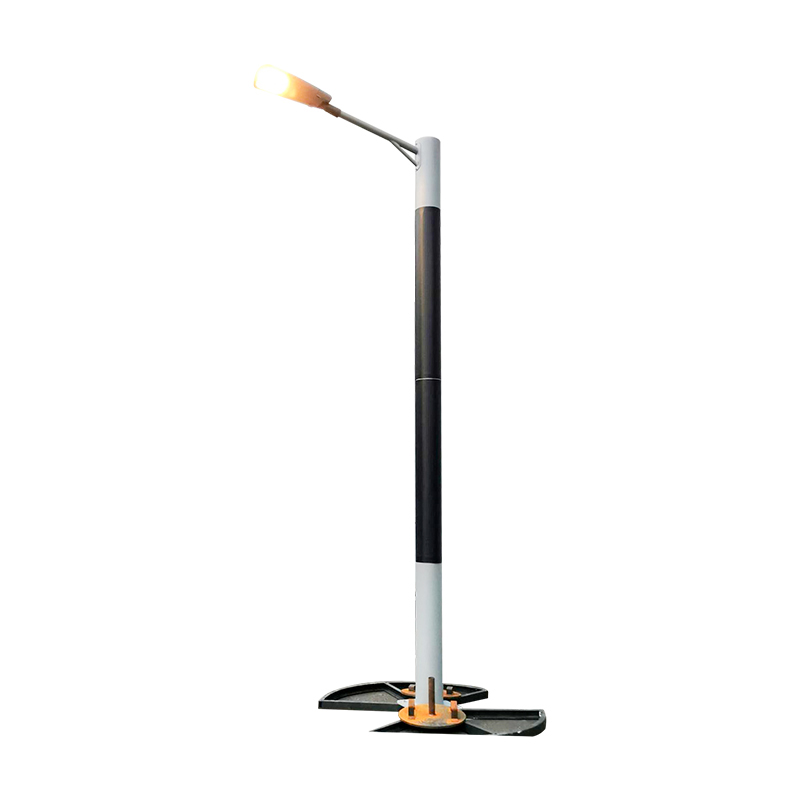 DDK-SSPL-2000 Cylinder Solar Pole Single/Double Arms And Street LED Lamps
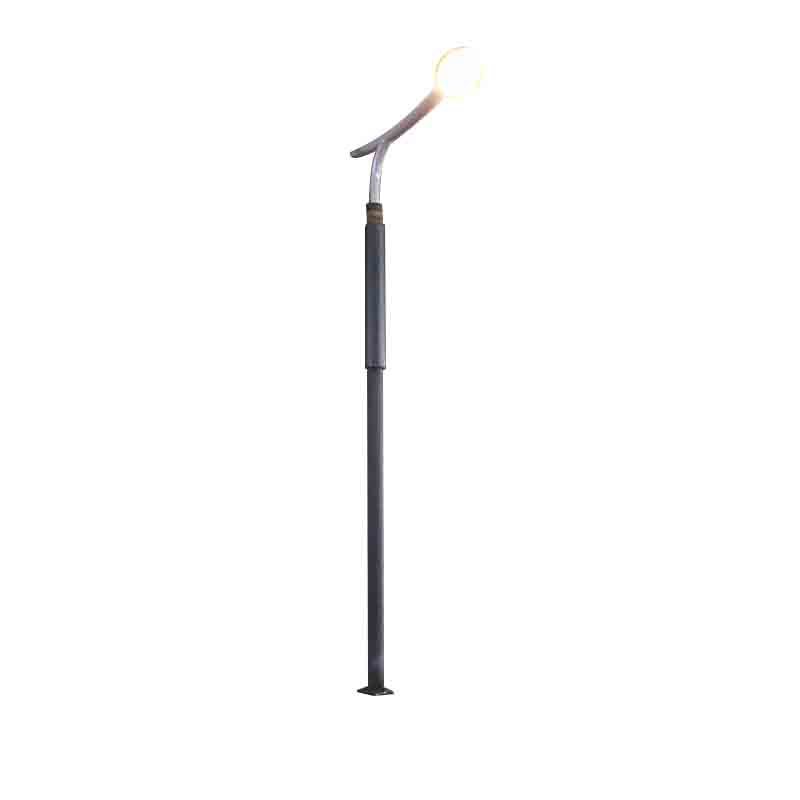 DDK-SSPL-2002 Cylinder Solar Pole With Lamp Head
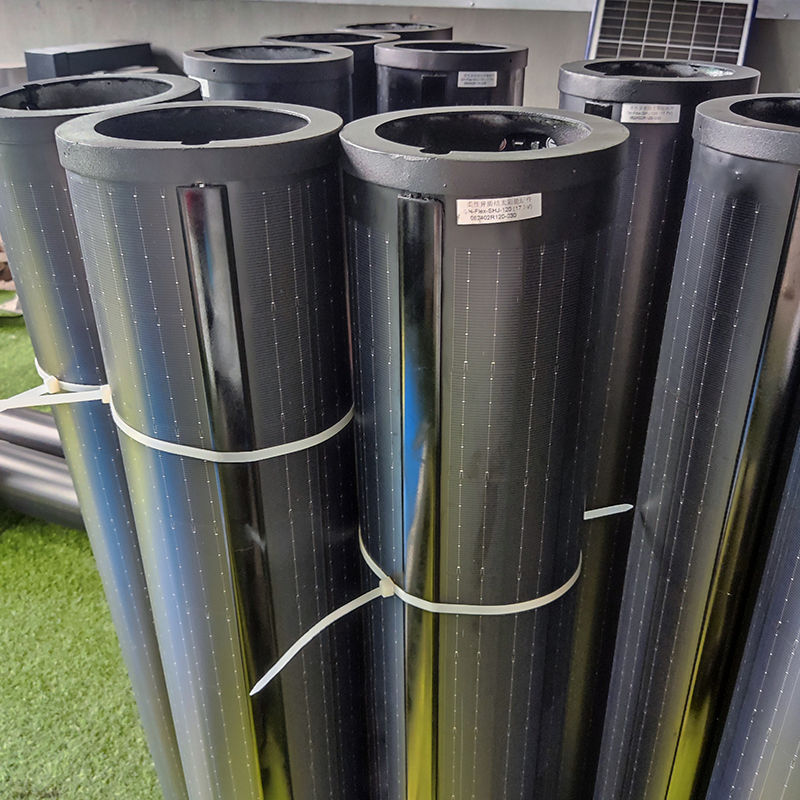 140W Flexible Solar Panel: High-Performance, Elegant and Versatile Power Solution for Lighting Poles and Park Lightings
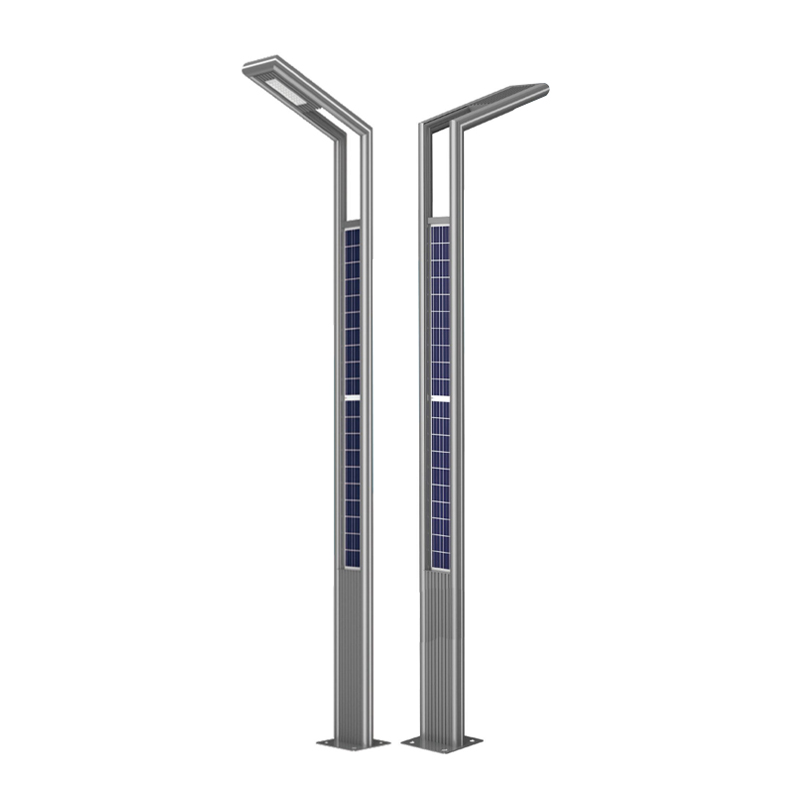 DDK-GN003 Double Sides Integrated Solar Aluminium Pole
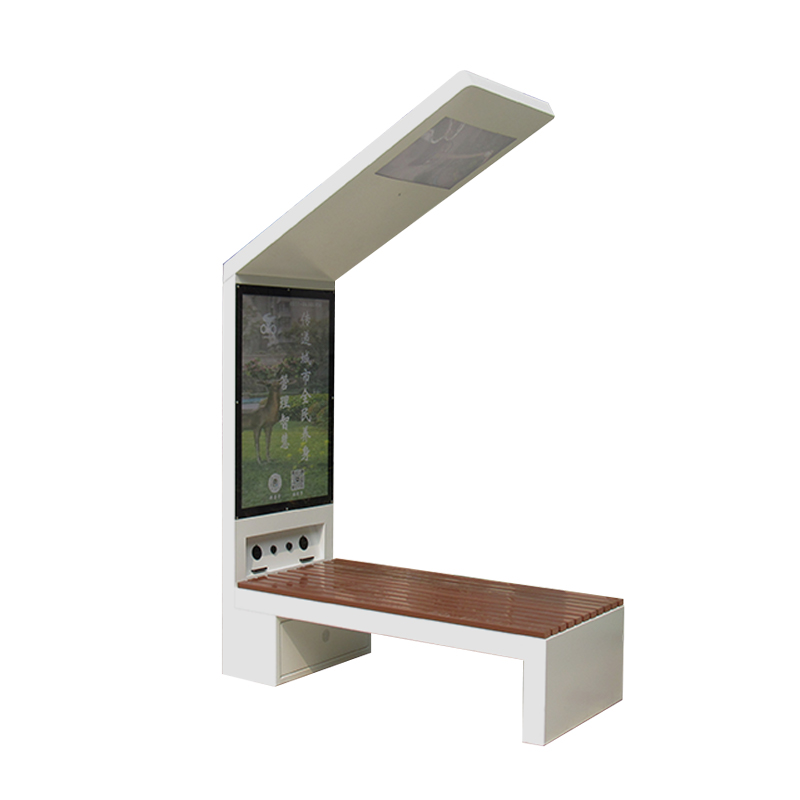 DDK-2000A Charging WIFI Solar Bench Outdoor Bench with Roof on the Top
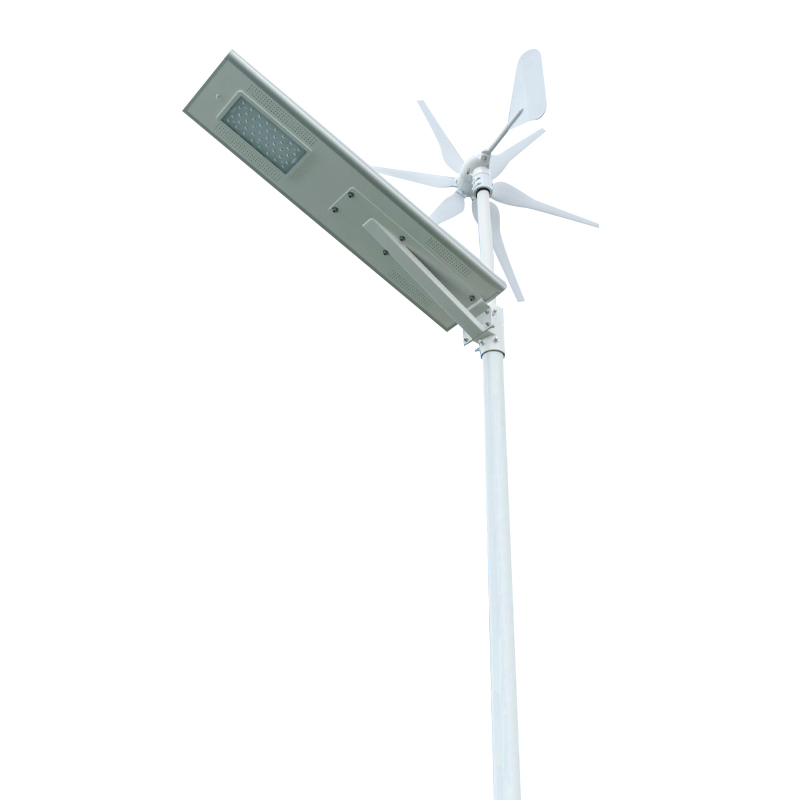 DDK G01 Solar&Wind Hybrid Integrated Optical Lens Solar All in One Light
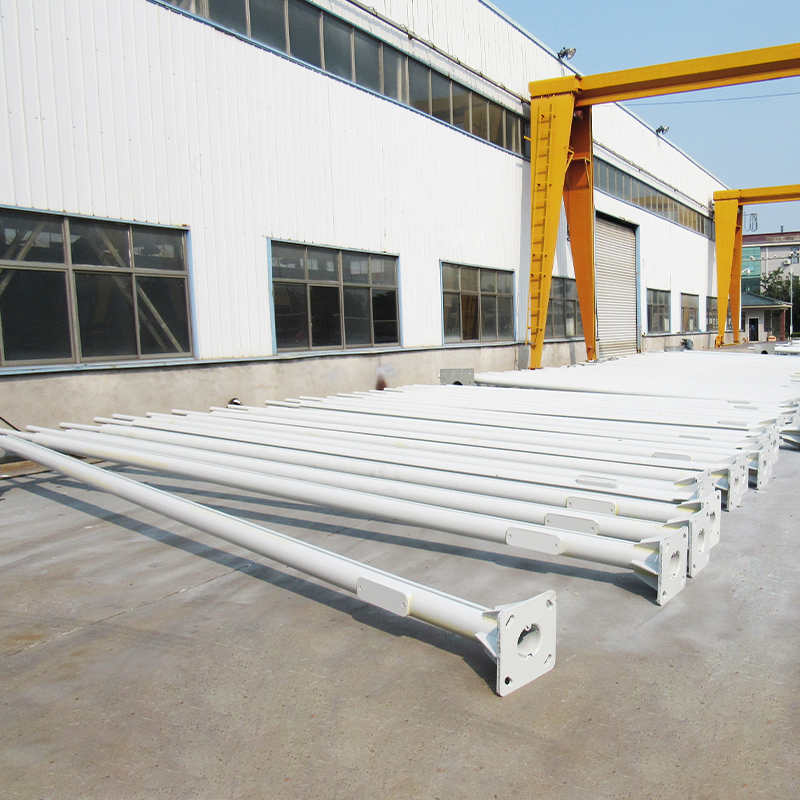 Customized Round Hexagon Octagonal Square Steel Street Light Poles for Outdoor Lightings
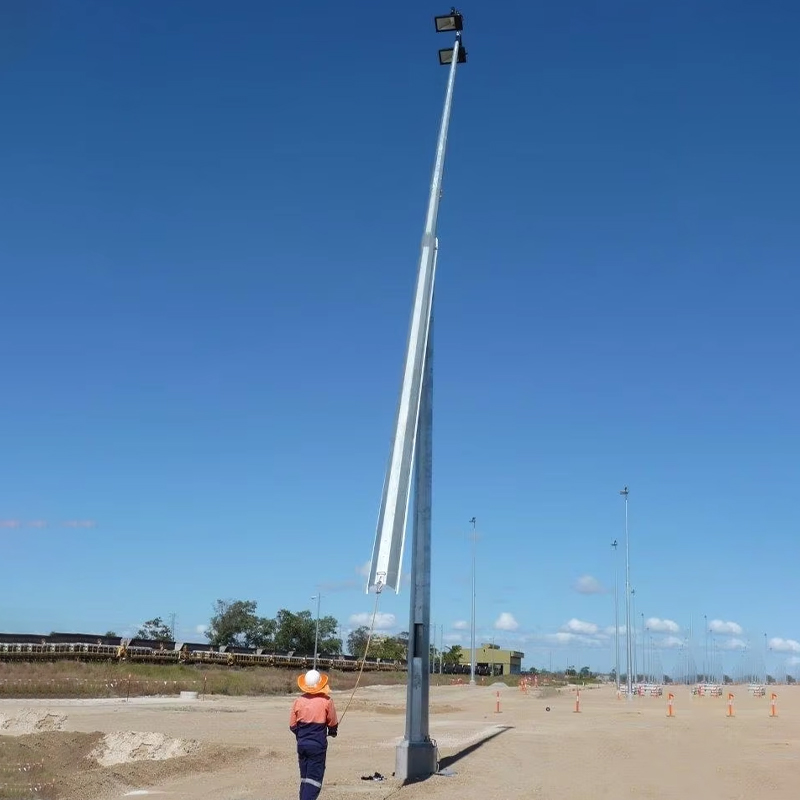 3 to 16M Galvanized Steel Hinged Poles
Contact us
180 meters south of the intersection of Nanbei Avenue and Xuba Road, Gaoyou City, Yangzhou City, Jiangsu Province, China.
+86-18811954888
ddk@cnddk.net
 English
 русский
 Español
 عربى
عربى

