
call us
+86-18811954888
2026-04-02
A steel street light pole is exactly what its name describes: a vertical pole manufactured from steel, designed to support one or more luminaires (light fixtures) at a height sufficient to illuminate a designated area. The pole is typically made from carbon steel, which is an alloy of iron and carbon. Steel is chosen because of its high strength-to-weight ratio, its ability to withstand significant wind loads and impact forces, and its relatively low cost compared to other structural materials. The steel is formed into a tapered or straight tube through processes such as roll forming, welding, or spinning. The pole is then coated to protect it from corrosion, typically through hot-dip galvanizing, which applies a layer of zinc to the steel surface, or through powder coating, which applies a durable paint finish. The pole is anchored to a concrete foundation using a base plate or direct burial. The luminaire is mounted at the top, either directly or on a bracket arm that extends over the roadway or sidewalk.
The market for steel street light poles has remained strong despite competition from other materials. Aluminum poles, while lightweight and corrosion-resistant, are less strong than steel and more susceptible to damage from vandalism or vehicle impacts. Concrete poles are heavy, difficult to transport and install, and prone to cracking. Fiberglass poles are lightweight and non-conductive but can be damaged by UV exposure and are less rigid than steel. Steel offers the optimal combination of strength, durability, and cost. With proper corrosion protection, a steel street light pole can last 50 years or more, making it a sound long-term investment for public agencies with limited budgets. The following sections explore in depth why steel street light poles have become the standard for outdoor lighting and what factors should be considered when selecting these critical infrastructure components.
The most important property of any street light pole is its ability to remain standing and functional under all expected conditions. Steel excels in this regard. The yield strength of structural steel used for lighting poles is typically 50,000 to 65,000 pounds per square inch (345 to 450 megapascals). This high strength allows steel poles to be designed with thinner walls and smaller diameters than concrete or fiberglass poles of equivalent strength, reducing visual mass and material usage. The modulus of elasticity of steel, approximately 29,000,000 psi (200 gigapascals), means that steel is stiff and resists bending under wind loads. When a steel pole does bend under extreme load, it tends to deform plastically rather than fracturing catastrophically, providing warning signs of distress before failure. For street lighting applications, the pole must be designed to withstand the wind loads specified by local building codes, which vary by region based on historical weather data. Steel poles can be engineered for wind speeds of 90 mph, 120 mph, or even 150 mph in hurricane-prone areas. The pole must also withstand the weight of the luminaire, bracket arm (if used), and any signage or other attachments. Steel's strength ensures that the pole will not sag, lean, or fail over time.
Steel street light poles are exceptionally durable when properly protected from corrosion. The primary threat to steel poles is rust, which occurs when iron in the steel reacts with oxygen and moisture. Hot-dip galvanizing is the most common and effective protection method. The pole is dipped in molten zinc at approximately 840°F (450°C), creating a metallurgically bonded zinc-iron alloy layer on the steel surface. This zinc layer acts as a sacrificial barrier: if the coating is scratched, the zinc corrodes preferentially to the steel, protecting the underlying metal. A properly galvanized steel pole can last 50 to 75 years in most environments, and even longer in dry inland areas. In coastal environments with salt spray, the service life may be 30 to 50 years, which is still excellent. For applications where appearance is critical, a powder coat finish can be applied over the galvanized layer, providing both corrosion protection and color. Powder coating is available in virtually any color, including standard dark green, black, bronze, gray, and custom colors to match municipal branding or landscape design. The combination of galvanizing and powder coating provides the best possible protection, with expected service lives exceeding 50 years even in harsh environments.
Public agencies responsible for street lighting operate under tight budgets. They must balance the initial cost of infrastructure against long-term maintenance and replacement costs. Steel street light poles offer excellent value on both counts. The initial cost of a steel pole is generally lower than that of an aluminum pole of equivalent strength and significantly lower than that of a concrete pole. The cost of galvanizing and finishing is modest compared to the cost of the steel itself. Transportation costs for steel poles are lower than for concrete poles because steel is lighter and can be nested for shipping. Installation costs are also lower because steel poles are lighter and easier to handle than concrete poles. Maintenance costs are low; a galvanized steel pole requires no painting or other routine maintenance. When a pole is damaged by a vehicle impact or vandalism, steel poles can sometimes be straightened or repaired, whereas concrete poles typically must be replaced. The long service life of steel poles means that replacement cycles are measured in decades, not years. For a municipality with thousands of street light poles, the cumulative savings from choosing steel over alternatives can be substantial.
Modern street lighting is not merely functional; it is an integral part of the urban landscape. Steel street light poles offer exceptional design flexibility. The poles can be manufactured in a wide range of shapes, including round, octagonal, dodecagonal (12-sided), and fluted (with decorative vertical grooves). They can be tapered or straight, single-piece or multi-piece (for very tall poles), and can incorporate decorative elements such as rings, bases, and brackets. The poles can be finished in a variety of colors to complement the surrounding architecture or to create a distinctive municipal identity. For historical districts or streetscapes with period architecture, steel poles can be fabricated to replicate the appearance of traditional cast-iron or ornamental poles. For modern developments, sleek, minimalist steel poles with clean lines are available. The luminaire can be mounted directly on top of the pole (top-mount), on a bracket arm that extends over the roadway (side-mount), or on a davit arm that curves downward. Bracket arms can be straight, curved, or decorative. The combination of pole style, finish, bracket, and luminaire allows lighting designers to create cohesive, attractive streetscapes that meet both functional and aesthetic requirements.
The performance of a steel street light pole depends as much on its foundation as on the pole itself. The foundation must be designed to resist the overturning moment created by wind load on the pole and luminaire. The most common foundation type is a concrete pier or caisson. The pole's base plate is bolted to anchor bolts embedded in the concrete. The depth and diameter of the foundation depend on the pole height, wind load, and soil conditions. For a typical 30-foot pole in average soil with 90 mph wind rating, the foundation might be 4 to 5 feet deep and 2 to 3 feet in diameter. For taller poles, higher wind ratings, or poor soil conditions, larger or deeper foundations are required. In some applications, direct burial poles are used, where a portion of the pole is embedded directly in concrete without a base plate. Direct burial eliminates the base plate and anchor bolts, which can be aesthetically pleasing, but it requires careful alignment during installation and can be more difficult to replace if damaged. Proper grounding and bonding are essential for electrical safety. A copper grounding conductor should be connected to the pole and to the grounding electrode system.
While steel street light poles require minimal maintenance, regular inspection is recommended to identify potential issues before they become failures. Inspection should focus on the condition of the corrosion protection (galvanizing or paint), the integrity of the pole (no dents, bends, or cracks), the condition of the base plate and anchor bolts (no corrosion or loosening), and the condition of the handhole cover and gasket. For poles in coastal environments or industrial areas with corrosive emissions, more frequent inspection is warranted. If the galvanized coating is damaged, it can be repaired with zinc-rich cold galvanizing compound. If the powder coat is damaged, it can be touched up with matching paint. Poles that are severely corroded, bent, or cracked should be replaced. A well-maintained steel pole can last 50 years or more, making it a sound long-term investment.
Street light poles are located in public rights-of-way, where they are exposed to potential impacts from vehicles. To reduce the severity of crashes, many jurisdictions require breakaway or slip-base poles in certain locations, such as highway medians or roadsides with high speed limits. A breakaway pole is designed to separate from its base upon impact, reducing the force transmitted to the vehicle and the likelihood of serious injury or death. Steel poles can be equipped with slip-base couplings that allow the pole to detach. Alternatively, the pole can be mounted on a frangible base that fractures on impact. For poles located behind curbs or in protected locations, standard rigid mounting is acceptable. Liability considerations also extend to electrical safety. The pole must be properly grounded to prevent shock hazards. Access to the wiring inside the pole should be restricted to authorized personnel via a locked handhole cover or a base cover that requires a special tool to remove.
The largest application for steel street light poles is roadway and highway lighting. Interstate highways, state routes, county roads, and city streets all require lighting to improve safety for drivers, pedestrians, and cyclists. For high-speed highways, taller poles (40-50 feet) with higher light output are used to provide uniform illumination across multiple lanes. For residential streets, shorter poles (20-30 feet) with lower light output are appropriate. The poles must be spaced at intervals that provide continuous illumination without dark spots. The pole must be positioned to avoid creating glare for drivers while providing adequate light on the roadway surface. Steel poles are preferred for roadway applications because of their strength, durability, and ability to support larger luminaires and bracket arms.
Parking lots, shopping centers, office parks, and other commercial areas require lighting for security, safety, and customer convenience. Steel poles in the 20-40 foot range are typical. The poles may be placed at the perimeter of the parking lot or within the lot itself (with protective bollards to prevent vehicle impacts). In commercial areas, aesthetics are more important than on highways, so decorative steel poles with fluted shafts, ornamental bases, and attractive finishes are often specified. The poles may also support banners, signs, or decorative elements in addition to luminaires. The ability to customize steel poles to match the architecture and branding of the commercial development is a significant advantage.
Parks, pedestrian pathways, bike trails, and public plazas require lighting that is both functional and unobtrusive. Shorter steel poles, typically 15-25 feet, are used. The poles are often spaced more closely than on roadways to provide lower, more uniform illumination. Decorative steel poles with traditional or contemporary designs are common. The poles may be finished in dark colors to blend with the landscape or in lighter colors to stand out as design elements. For parks and pathways, the poles must be resistant to vandalism; steel's durability is an advantage. The poles should be placed to avoid conflicts with trees and other landscape features.
Related Products
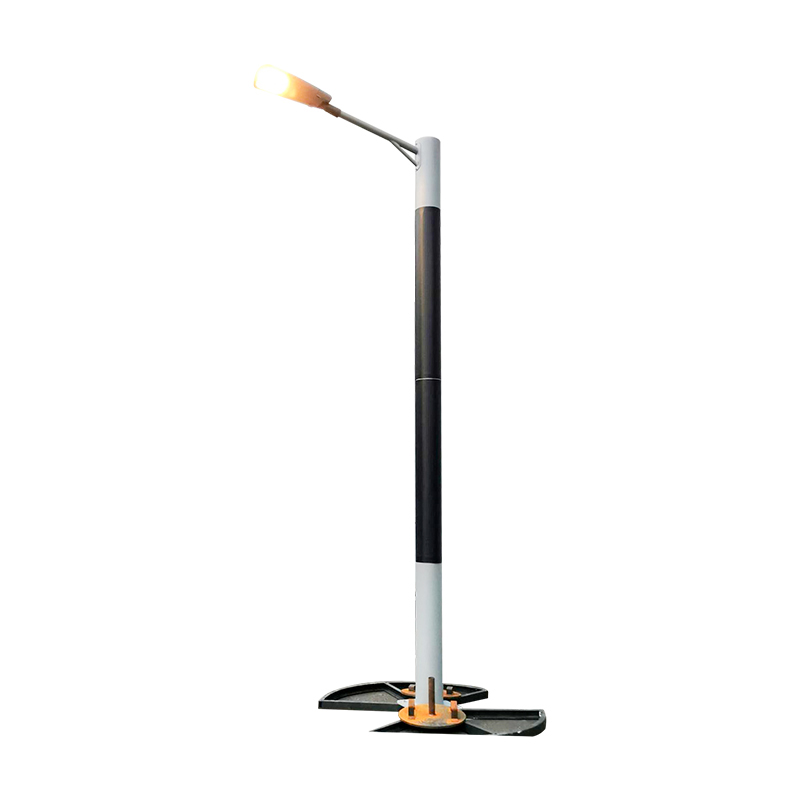 DDK-SSPL-2000 Cylinder Solar Pole Single/Double Arms And Street LED Lamps
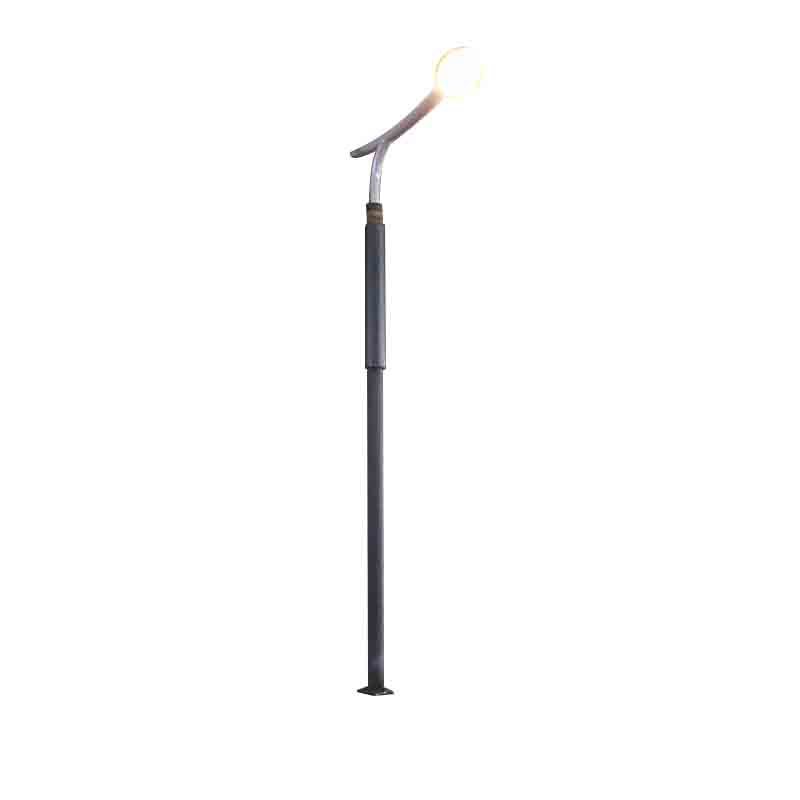 DDK-SSPL-2002 Cylinder Solar Pole With Lamp Head
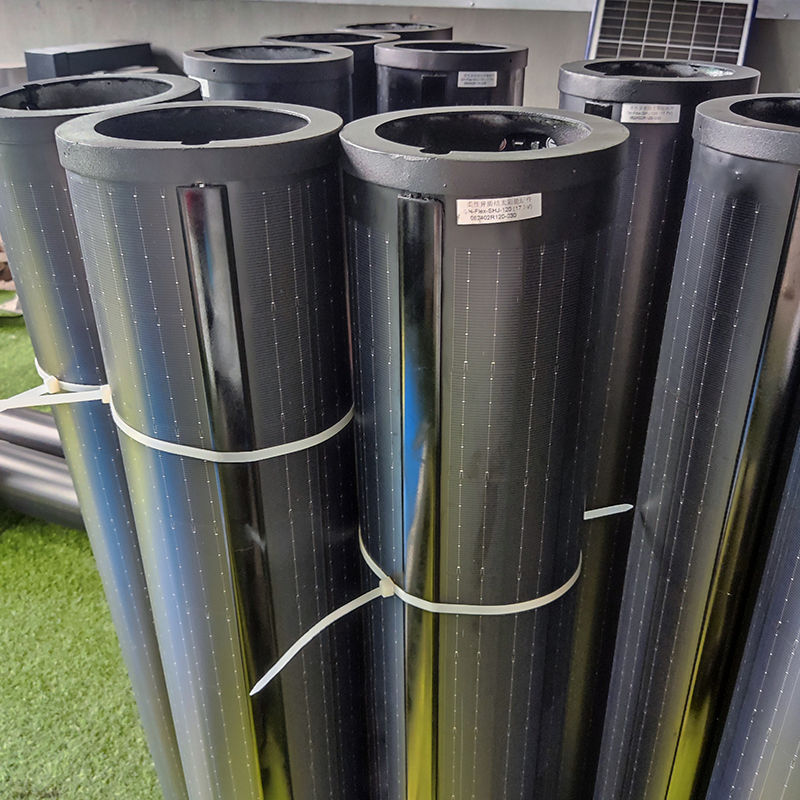 140W Flexible Solar Panel: High-Performance, Elegant and Versatile Power Solution for Lighting Poles and Park Lightings
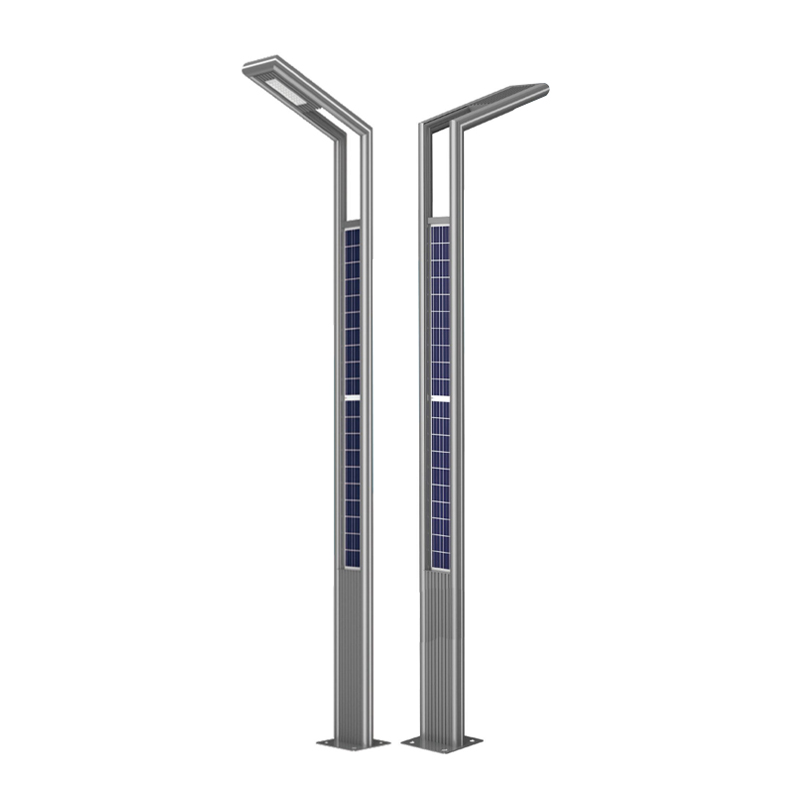 DDK-GN003 Double Sides Integrated Solar Aluminium Pole
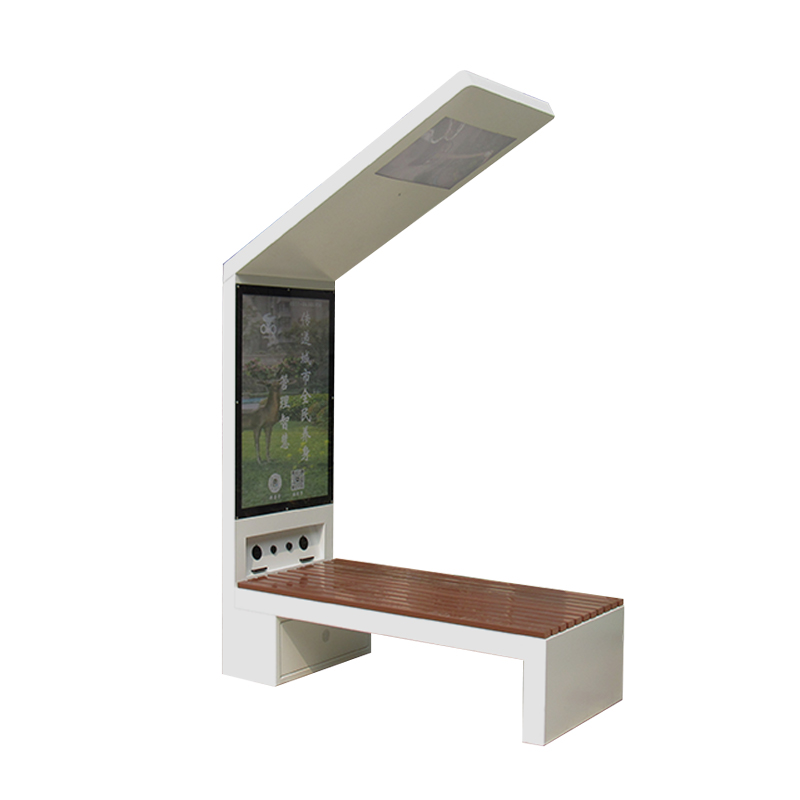 DDK-2000A Charging WIFI Solar Bench Outdoor Bench with Roof on the Top
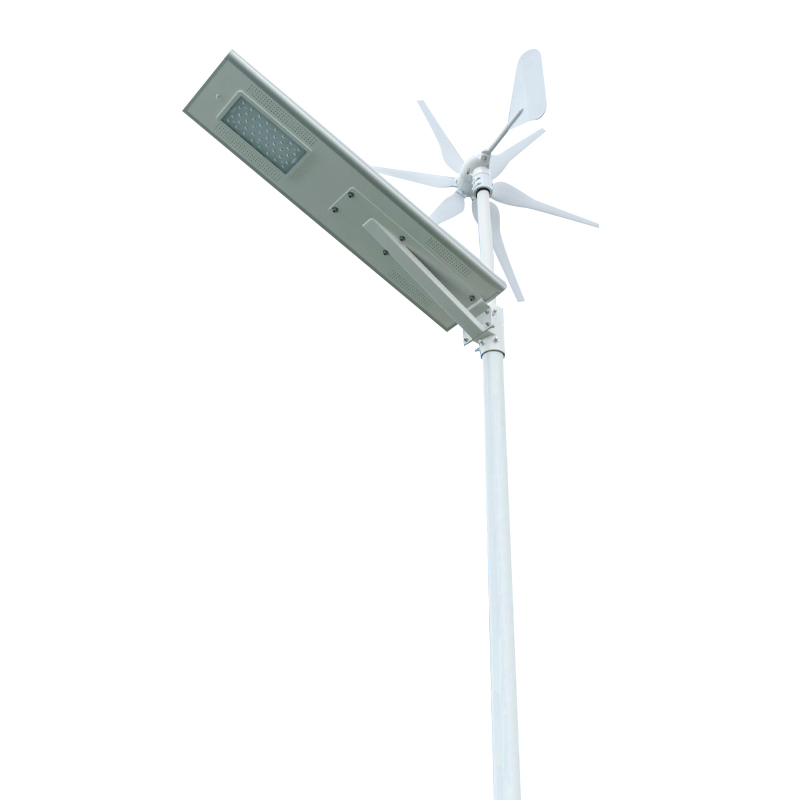 DDK G01 Solar&Wind Hybrid Integrated Optical Lens Solar All in One Light
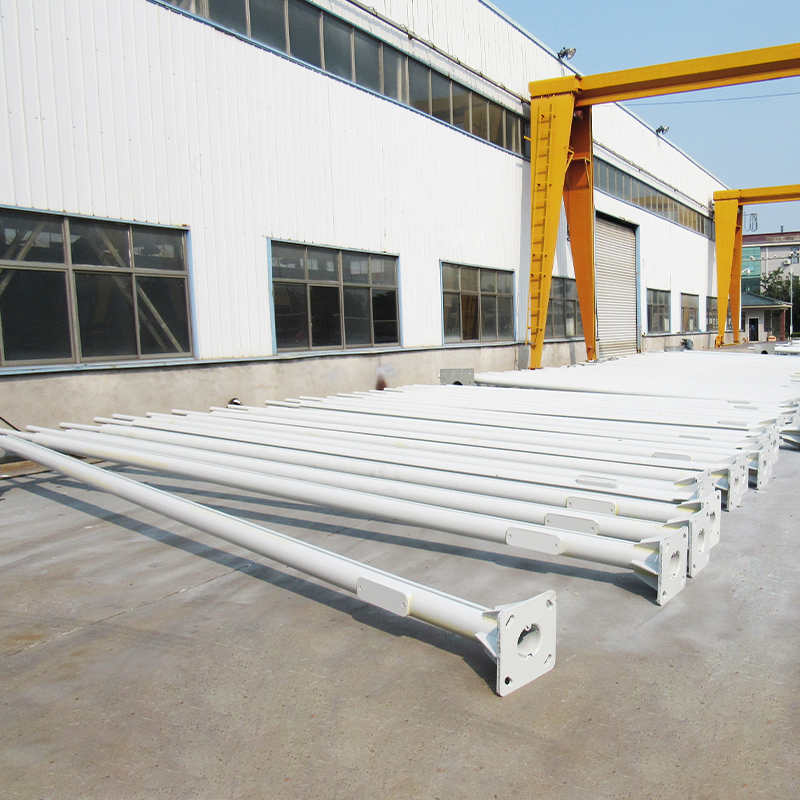 Customized Round Hexagon Octagonal Square Steel Street Light Poles for Outdoor Lightings
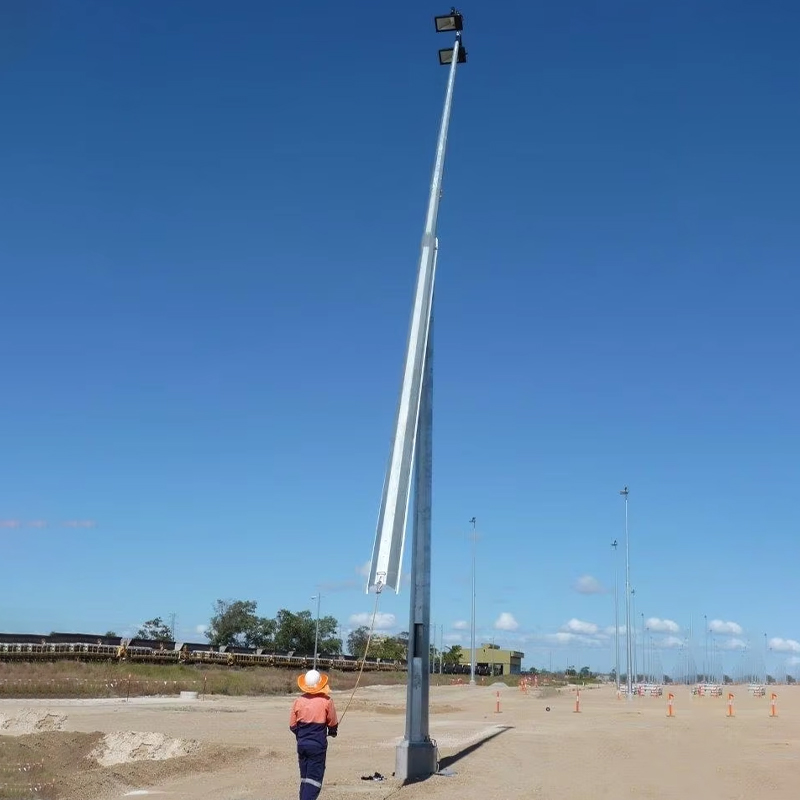 3 to 16M Galvanized Steel Hinged Poles
Contact us
180 meters south of the intersection of Nanbei Avenue and Xuba Road, Gaoyou City, Yangzhou City, Jiangsu Province, China.
+86-18811954888
ddk@cnddk.net
 English
 русский
 Español
 عربى
عربى

