
call us
+86-18811954888
2026-04-09
The evolution of renewable energy technology has moved beyond static, heavy glass installations to highly adaptable and lightweight solutions, positioning the Flexible Solar Panel as a breakthrough in portable power generation. Unlike traditional monocrystalline panels that are encased in rigid aluminum frames and heavy tempered glass, flexible panels utilize advanced thin-film technology or ultra-thin crystalline silicon cells bonded to high-strength polymers. This unique construction allows the lightweight flexible solar panel to bend up to 30 degrees or more, making it compatible with the aerodynamic curves of RVs, marine vessels, and portable power stations. By integrating high-efficiency materials like ETFE (Ethylene Tetrafluoroethylene), these panels provide a robust, weather-resistant power source that functions in environments where rigid panels would be impractical or impossible to install. This guide explores the engineering principles, practical installation scenarios, and long-term maintenance protocols for premium flexible solar modules.
The technical superiority of a 100W flexible solar panel or higher capacity models is found in its multi-layered laminate design. Engineers have replaced heavy structural components with advanced plastics and resins to achieve a profile that is often less than 2.5mm thick. This section details the mechanical and thermal advantages of this specialized construction.
Thin-Film Technology and Crystalline Silicon Integration: Most high-performance flexible solar panels for RVs use monocrystalline solar cells that have been sliced to a microscopic thickness. These cells are then embedded between layers of protective polymers such as PET (Polyethylene Terephthalate) or the more durable ETFE. The ETFE coating is particularly significant because it features a "honeycomb" texture that reduces light reflection and increases solar absorption by capturing sunlight from wider angles. This ensures that even when the panel is mounted on a curved surface that isn't perfectly aligned with the sun, the high-efficiency flexible solar cells can still generate significant wattage throughout the day.
Weight Reduction and Aerodynamic Advantages: A primary design goal of the ultra-thin flexible solar panel is the reduction of weight. A standard 100W rigid panel can weigh upwards of 15 to 20 lbs, whereas a flexible version of the same capacity typically weighs less than 5 lbs. This massive weight saving is critical for vehicles and boats where excessive top-heavy weight can affect stability and fuel efficiency. Furthermore, because these panels can be mounted flush to a surface using industrial adhesives or Velcro, they eliminate the wind resistance and "drag" associated with raised mounting brackets. This makes the aerodynamic solar panel an ideal choice for high-speed travel and marine applications where wind force is a constant factor.
Durability in Extreme Environmental Conditions: To protect the delicate internal circuits, a weatherproof flexible solar panel utilizes a multi-stage lamination process. The top layer (usually ETFE) is chemically resistant, self-cleaning, and highly resistant to UV degradation. Beneath the cells, a fiberglass or plastic backsheet provides the necessary structural support to prevent "micro-cracking"—a common failure point in early flexible designs. The junction box on these panels is typically rated IP67 or IP68, ensuring that the electrical connections remain sealed against heavy rain, salt spray, and dust. This robust engineering allows the marine-grade flexible solar panel to endure the harsh conditions of open-ocean sailing and desert camping without a loss in electrical output.
To better understand the technical capabilities, refer to the following comparison table highlighting the typical attributes of a premium Flexible Solar Panel:
|
Feature Category |
Typical Specification |
Operational Benefit |
|---|---|---|
|
Bending Radius |
30° to 240° (varies by model) |
Fits curved roofs, boat decks, and tents |
|
Surface Material |
ETFE / PET Coating |
Enhanced light absorption and UV protection |
|
Panel Thickness |
2.0mm - 3.0mm |
Low profile and minimal wind resistance |
|
Conversion Efficiency |
21% - 24% |
High power output from a smaller footprint |
|
Mounting Method |
Adhesive / Grommets / Velcro |
Rapid installation without drilling holes |
The adaptability of the Flexible Solar Panel has expanded the possibilities for off-grid power, allowing users to harvest energy in situations that were previously limited by weight or surface geometry. From mobile homes to emergency relief, the applications are diverse and demanding.
RV and Van Life Power Integration: For the "Van Life" community, the RV flexible solar panel kit has become the standard for stealth and efficiency. Because these panels are so thin, they are virtually invisible from street level when mounted on the roof of a van. This "stealth camping" advantage is paired with the ability to follow the roof's contour, maximizing the available surface area for energy collection. Users can install multiple 150W flexible solar panels in parallel to create a powerful array that can run refrigerators, LED lighting, and vent fans without needing to start a generator or plug into shore power. The lack of heavy mounting hardware also means there is no risk of roof leaks caused by drilling mounting holes into the vehicle's chassis.
Marine and Sailing Environments: Boats present unique challenges for solar power, including limited flat surfaces and constant exposure to saltwater. The marine flexible solar panel is specifically engineered to be walked on (in some "walk-on" rated versions) and can be lashed to a Bimini top or glued directly to a curved deck. The flexibility allows the panel to move slightly with the hull's natural flexing, preventing the stress fractures that would destroy a rigid panel in heavy seas. Additionally, the lightweight nature of these salt-resistant solar modules ensures that the boat's center of gravity remains low, which is vital for maintaining the vessel's safety and performance in rough weather.
Portable Power and Emergency Response: Beyond vehicles, the foldable or rollable flexible solar panel is a key component for hikers, climbers, and disaster relief teams. These panels can be draped over a backpack during a trek to charge a portable power station or deployed quickly on the ground to provide communication power during an emergency. The impact resistance of the polymer coating means these panels can survive being dropped or hit by debris—incidents that would instantly shatter a glass-topped rigid panel. This ruggedness makes the portable flexible solar module an essential tool for those operating in unpredictable outdoor environments or areas where traditional infrastructure has failed.
While the Flexible Solar Panel is durable, it requires specific installation techniques and maintenance routines to prevent heat buildup and mechanical stress, which are the most common causes of premature failure.
Optimizing Heat Dissipation and Airflow: One challenge with flush-mounted flexible solar modules is that they cannot benefit from the natural airflow that cools rigid panels on brackets. When a solar panel gets too hot, its efficiency drops. To mitigate this, many professionals recommend using a thin plastic "twin-wall" sheet or a specialized mesh between the panel and the roof to create a small air gap. Alternatively, choosing a high-temperature flexible solar panel with a white or heat-reflective backsheet can help manage thermal loads. Ensuring that the panel is not installed directly over heat-generating components of a vehicle can also preserve the lifespan of the sensitive solar cells inside.
Correct Adhesive Application and Surface Preparation: The success of a semi-flexible solar panel installation depends on the bond between the panel and the substrate. Before applying industrial-strength silicone or VHB (Very High Bond) tape, the surface must be meticulously cleaned with isopropyl alcohol to remove all grease and wax. It is critical to apply the adhesive in a pattern that does not trap air bubbles, as trapped air can expand when heated by the sun, causing the panel to "bulge" and potentially delaminate. For those who prefer a non-permanent solution, using the integrated stainless steel grommets with heavy-duty zip ties or bungee cords allows for quick removal and repositioning based on the sun's angle.
Cleaning and Surface Protection Protocols: To maintain the high conversion rate of an ETFE flexible solar panel, the surface must be kept free of bird droppings, dust, and salt crust. Because ETFE is naturally non-stick, a simple rinse with fresh water and a soft cloth is usually sufficient. Users should avoid using abrasive cleaners or hard brushes that could scratch the polymer surface, as scratches create shadows on the cells and reduce output. Regularly inspecting the junction box and MC4 connectors for signs of corrosion or loose wiring is also vital. In marine environments, applying a dielectric grease to the connectors can provide an extra layer of protection against the corrosive effects of salt air, ensuring that the flexible solar power system continues to operate at peak capacity for years to come.
Related Products
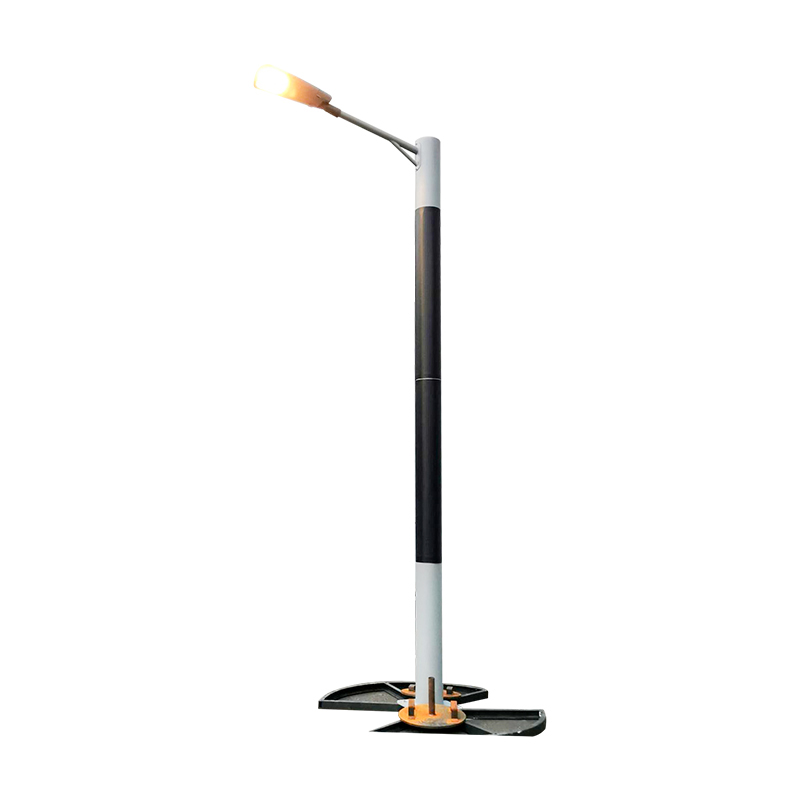 DDK-SSPL-2000 Cylinder Solar Pole Single/Double Arms And Street LED Lamps
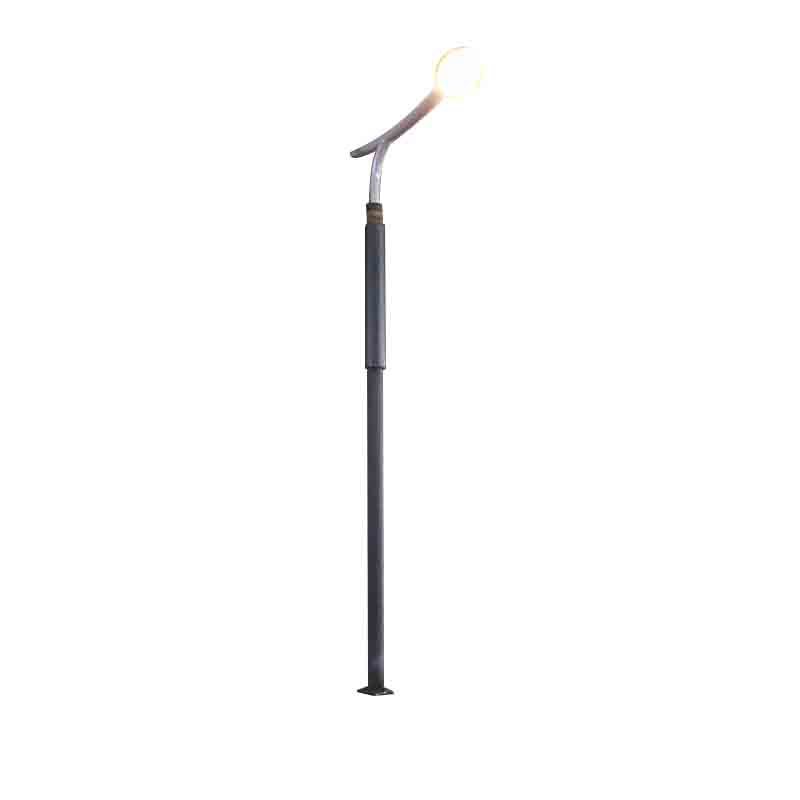 DDK-SSPL-2002 Cylinder Solar Pole With Lamp Head
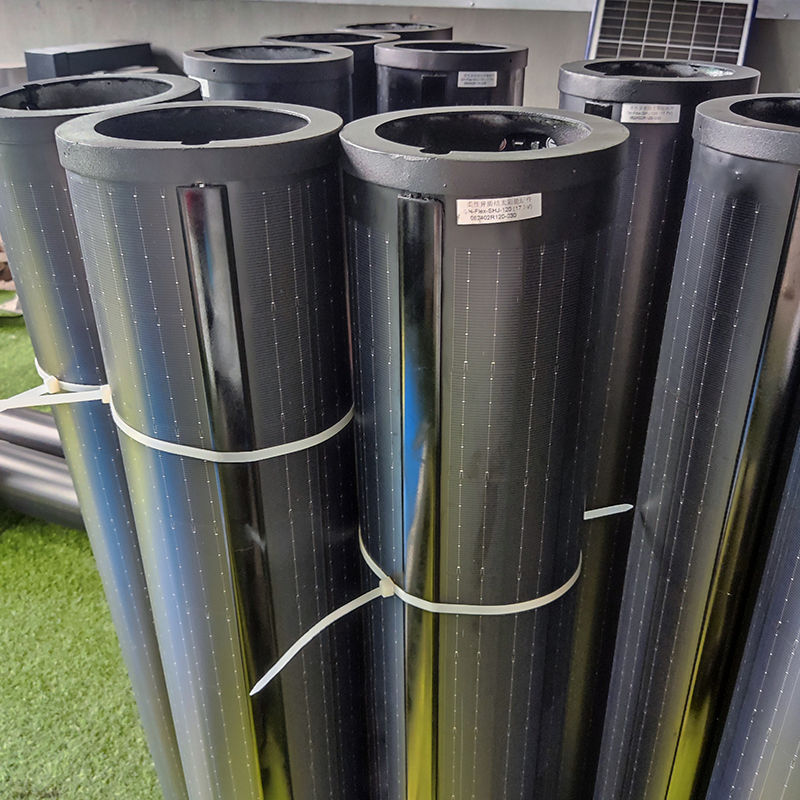 140W Flexible Solar Panel: High-Performance, Elegant and Versatile Power Solution for Lighting Poles and Park Lightings
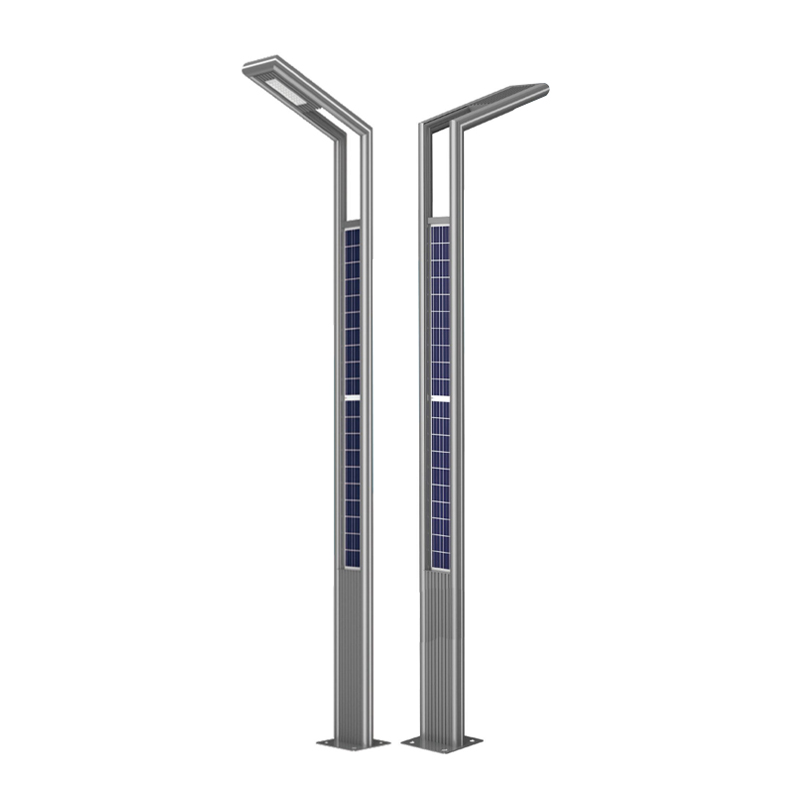 DDK-GN003 Double Sides Integrated Solar Aluminium Pole
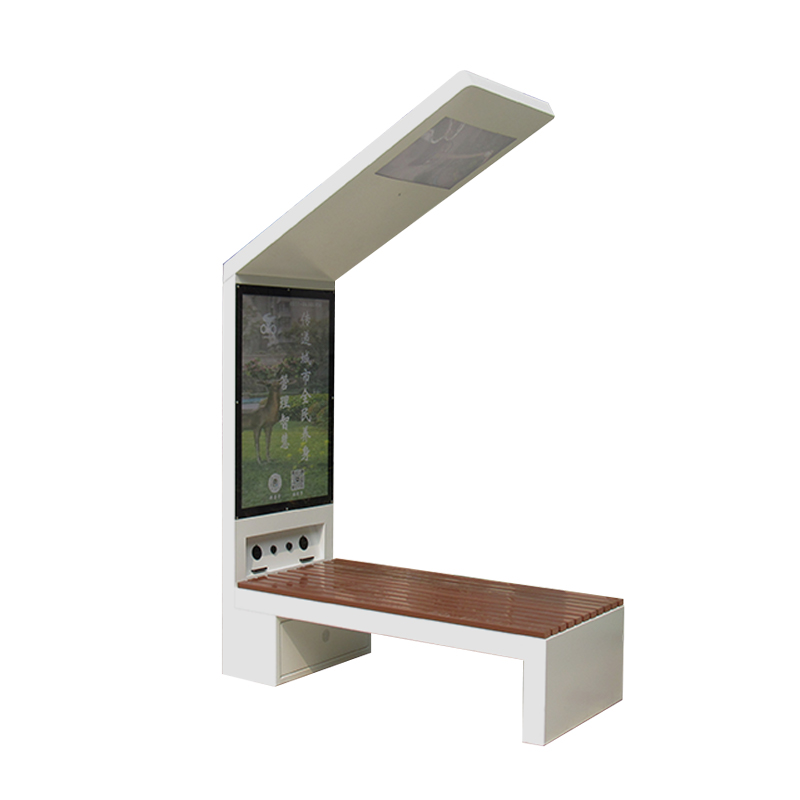 DDK-2000A Charging WIFI Solar Bench Outdoor Bench with Roof on the Top
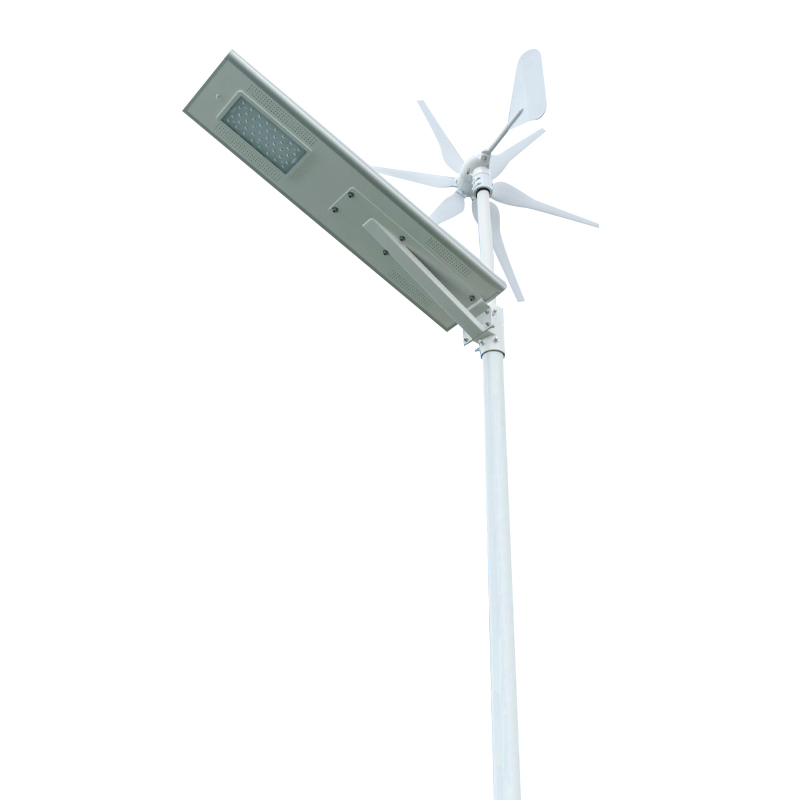 DDK G01 Solar&Wind Hybrid Integrated Optical Lens Solar All in One Light
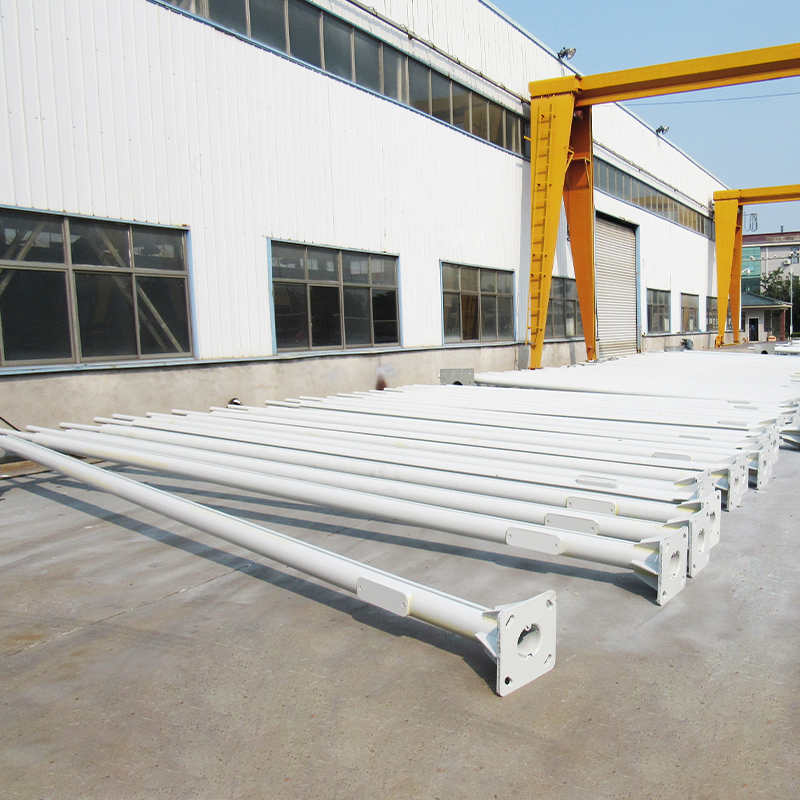 Customized Round Hexagon Octagonal Square Steel Street Light Poles for Outdoor Lightings
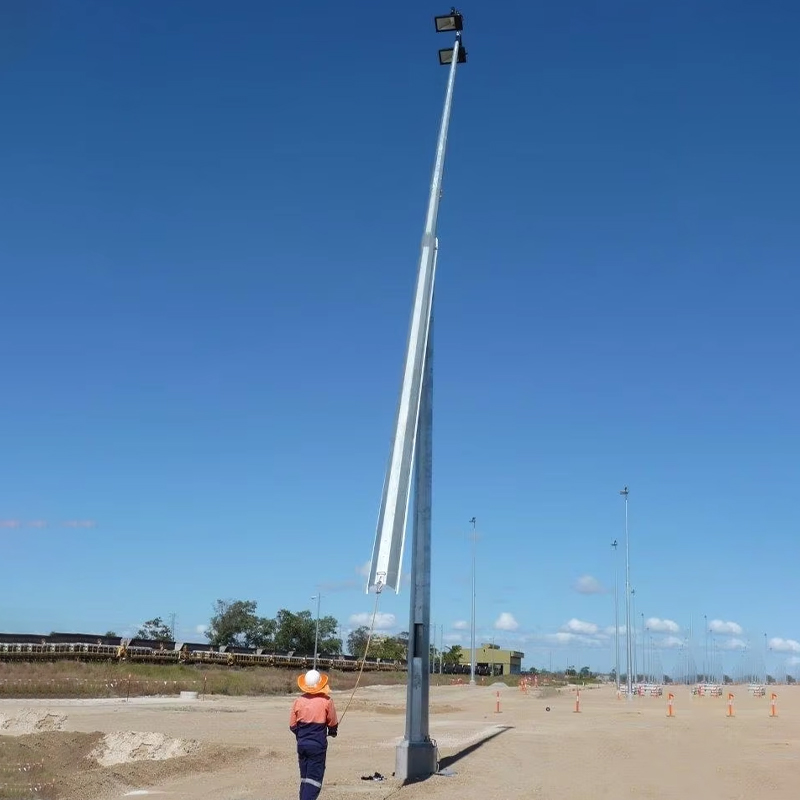 3 to 16M Galvanized Steel Hinged Poles
Contact us
180 meters south of the intersection of Nanbei Avenue and Xuba Road, Gaoyou City, Yangzhou City, Jiangsu Province, China.
+86-18811954888
ddk@cnddk.net
 English
 русский
 Español
 عربى
عربى

