
call us
+86-18811954888
2026-07-16
A solar wrapped pole is a lighting structure that integrates photovoltaic (PV) cells directly onto the pole's surface. Instead of a separate solar panel mounted on top or on an arm, the PV cells are "wrapped" around the pole in a cylindrical or semi-cylindrical fashion. This is typically achieved using flexible solar modules, such as Copper Indium Gallium Selenide (CIGS) thin-film panels or specially designed rigid modules that follow the pole's contour.
The system is completely self-contained. Solar energy generated during the day is stored in high-capacity batteries, usually lithium-ion or LiFePO4, housed within the pole itself. At night, this stored energy powers high-efficiency LED luminaires, providing bright, reliable illumination without any connection to the electrical grid. The entire system is managed by an intelligent controller that regulates charging, discharging, and lighting schedules, often with remote monitoring capabilities.
These poles can be designed to look very similar to conventional light poles, making them an ideal choice for retrofitting projects where maintaining the aesthetic of an area is a priority. In many cases, they are indistinguishable from traditional poles, but with the powerful advantage of being completely off-grid and self-sustaining.
The operation of a solar wrapped pole is based on a few key components working in harmony. The most critical of these is the solar wrap itself, which comprises a series of photovoltaic cells that convert sunlight into electricity. These modules are often arranged around a hexagonal or cylindrical frame to ensure that at any time of day, a significant portion of the panels are facing the sun. This provides a distinct advantage over flat panels, which only achieve peak efficiency when the sun is directly overhead.
The electricity generated is managed by a Maximum Power Point Tracking (MPPT) charge controller, which optimizes the power output from the solar panels to efficiently charge the battery. This controller is essential for maximizing energy harvest, especially in low-light conditions or during cloudy weather. The battery, typically a long-lasting lithium-based battery, stores the energy for use at night.
When night falls, the smart controller automatically activates the LED light fixture. These fixtures are highly efficient, converting a large percentage of electrical energy into light, and they are available in a range of wattages to suit different applications, from 20W to over 120W. Some advanced systems incorporate network connectivity and GPS, allowing the pole to determine its exact location, dusk and dawn times, and even adjust its power output based on weather predictions and historical data. This "smart" functionality ensures sustained lighting throughout the night, regardless of the weather.
Solar wrapped poles offer a multitude of benefits that make them an increasingly attractive option for municipalities, businesses, and developers.
Superior Aesthetics: One of the most significant advantages of solar wrapped poles is their sleek, modern appearance. By integrating the solar cells into the pole itself, they eliminate the need for large, bulky solar panels that can be visually obtrusive. This allows for a clean, uncluttered look that enhances, rather than detracts from, the surrounding environment.
Exceptional Wind Resistance: The cylindrical design of a solar wrapped pole presents a much smaller surface area to the wind compared to traditional flat solar panels. This significantly reduces wind load, making the poles more stable and reducing the need for expensive, heavy foundations. This is a critical advantage in hurricane-prone regions or areas with high wind speeds.
360-Degree Energy Capture: Unlike flat panels that only face one direction, a cylindrical solar wrap can capture sunlight from all angles throughout the day. This ensures that the system is generating power from sunrise to sunset, maximizing energy harvest and improving performance in changing light conditions. For example, some hexagonal designs ensure that at least 50% of the panels are facing the sun at any given time.
Reduced Maintenance: The vertical orientation of the solar wrap means that less dust and debris settle on the surface compared to traditional angled panels. This not only reduces the need for frequent cleaning but also ensures that the panels maintain high efficiency. Additionally, the vertical mounting prevents snow accumulation, ensuring reliable power generation even in snowy climates.
Complete Off-Grid Capability: Solar wrapped poles are entirely self-contained, requiring no connection to the electrical grid. This eliminates the need for costly and disruptive trenching and cabling, making them easy and quick to install. This independence from the grid is invaluable in remote locations or for projects where minimizing environmental impact is a priority.
Long-Term Cost Savings: While the initial investment may be higher than traditional lighting, solar wrapped poles offer significant long-term savings. They have no electricity bills and low maintenance costs, providing a rapid return on investment. The durability of the materials, such as tempered glass exteriors, also ensures a service life of over 20 years.
Solar wrapped poles come in a variety of designs and configurations to suit different needs and project requirements.
Integrated Systems (SolarWrap): These are complete, all-in-one solutions where the solar module and light fixture are designed to work together seamlessly. Companies like Auroras and LightSource Australia offer "SolarWrap" systems that are pre-configured, making installation simple and fast. These systems often feature a hexagonal frame with high-efficiency cells and a range of light fixtures from 30W to 120W. The battery and controller are typically built into the light fixture itself.
Modular Systems: Some manufacturers, such as Hapco, offer modular solar poles that allow for design flexibility. These systems can incorporate one to four solar units on a single pole, allowing the power generation capacity to be scaled to meet the project's needs. The cylindrical solar modules are hollow, sliding over the top of the pole for a clean, integrated look. These poles often feature advanced smart technology, including 4G/LTE connectivity for remote monitoring and control.
Retrofit Solutions: One of the most exciting applications of solar wrapped poles is their ability to retrofit existing infrastructure. This means that outdated, grid-powered light poles can be transformed into modern, self-sustaining solar units without the need for new foundations or extensive civil works. This is a cost-effective way to modernize lighting in historic districts, parks, and along highways.
Decorative and Specialized Poles: Beyond street and area lighting, solar wrapped poles are also used for decorative purposes. The SolarPath Solar Wrapped Pole, for instance, is designed to power string decorative LED lighting, making it ideal for parks, plazas, and walkways. These poles use flexible CIGS solar wraps and have built-in batteries, providing an elegant and functional solution for creating ambiance.
The versatility of solar wrapped poles makes them suitable for a wide range of applications, from large-scale infrastructure projects to smaller, specialized uses.
Highways and Major Roadways: Solar wrapped poles are an excellent choice for highway and main road lighting, providing ultra-high brightness and continuous output. Their off-grid nature makes them ideal for stretches of road where running electrical cables would be cost-prohibitive or environmentally damaging.
Parks and Recreational Areas: The aesthetic appeal of solar wrapped poles, combined with their ability to power decorative lighting, makes them perfect for parks, plazas, and community projects. They can provide both functional illumination for safety and decorative lighting for ambiance.
Commercial and Residential Environments: These poles are suitable for a variety of commercial and residential applications, including parking lots, pathways, and private driveways. Their ability to be customized with different colors and finishes allows them to blend seamlessly with architectural designs.
Remote and Off-Grid Locations: For areas without access to a reliable electrical grid, solar wrapped poles are an invaluable solution. They can provide reliable lighting for villages, construction sites, and temporary installations.
Smart City Infrastructure: Solar wrapped poles are a key component of smart city initiatives. Their built-in connectivity and power generation capabilities allow them to serve as platforms for various IoT (Internet of Things) devices, including cameras, environmental sensors, Wi-Fi access points, and traffic management systems.
The market for solar wrapped poles and related smart pole technology is experiencing significant growth, driven by global sustainability goals and technological advancements. The global market for solar-powered smart poles was valued at approximately USD 1.42 billion in 2024 and is projected to grow to USD 6.87 billion by 2033, at a robust compound annual growth rate (CAGR) of 18.9%. The broader smart pole market, which includes solar, grid, and hybrid-powered options, is also expanding rapidly, with a projected market size of USD 14.68 billion by 2032.
This growth is fueled by several factors. Governments worldwide are implementing policies to reduce carbon emissions and promote renewable energy. Urbanization and infrastructure development in cities require efficient and sustainable lighting solutions. The long-term cost-effectiveness of solar poles, with no electricity bills and low maintenance, is also a major driver. As the technology continues to advance, with higher cell efficiencies and better battery storage, the adoption of solar wrapped poles is expected to accelerate significantly.
Selecting the appropriate solar wrapped pole for a project requires careful consideration of several key factors to ensure optimal performance and cost-effectiveness.
Lighting Requirements: Determine the required brightness and coverage area. This will dictate the wattage and lumen output needed from the LED fixture. Fixtures typically range from 20W to 120W. Consider if the application requires continuous high-brightness lighting or if energy-saving modes are acceptable.
Location and Sunlight Exposure: Assess the site's solar irradiance, considering factors like latitude, typical weather patterns, and potential shading from trees or buildings. While solar wrapped poles are efficient in low-light conditions, optimal performance is achieved with good sun exposure.
Pole Height and Design: The height of the pole is determined by the lighting requirements and the area to be covered. Poles are typically available in heights from 5 to 10 meters or more. Consider whether a round, hexagonal, or octagonal shape is best suited for the project.
Battery Capacity and Autonomy: The battery must be sized to store enough energy to power the light for the required number of hours, including several days of autonomy for cloudy weather. Advanced systems can adjust power output based on weather forecasts to ensure sustained operation.
Smart Features: Determine if remote monitoring, control, and integration with other smart city devices are needed. Features like GPS synchronization, real-time monitoring, and connectivity (4G/LTE) can significantly improve system management and reliability.
Retrofit vs. New Installation: Decide if the project involves installing new poles or retrofitting existing ones. Retrofit solutions are cost-effective for modernizing outdated infrastructure, while new installations offer more design flexibility.
A solar wrapped pole is a lighting structure that integrates solar panels directly onto the pole's surface, typically in a cylindrical or semi-cylindrical shape, to generate and store energy for off-grid lighting applications.
Key benefits include superior aesthetics, exceptional wind resistance, 360-degree energy capture for maximum efficiency, reduced maintenance, complete off-grid capability, and long-term cost savings.
Flexible or rigid solar modules on the pole convert sunlight into electricity, which is stored in batteries and used to power LED lights at night, all managed by an intelligent control system.
Yes, they are ideal for highways and main roads, as they can be designed to provide ultra-high brightness and continuous long-period output.
SolarWrap is a patented design for integrated solar pole systems that features high-efficiency solar modules in a hexagonal aluminum structure, offering maximum performance and durability.
Yes, many systems like SolarWrap are designed to be retrofitted onto existing columns, transforming outdated infrastructure into self-sustaining lighting.
Some systems use cells with an efficiency of over 23%, which is more than 40% higher than many competing products.
Protected by tempered glass, these systems are built to last, with a service life exceeding 20 years.
Yes, because the solar modules are mounted vertically, they are not easily covered by snow, ensuring continued power generation even in heavy snowfall.
Despite a higher initial cost, they eliminate electricity bills and have low maintenance costs, offering a rapid return on investment.
Related Products
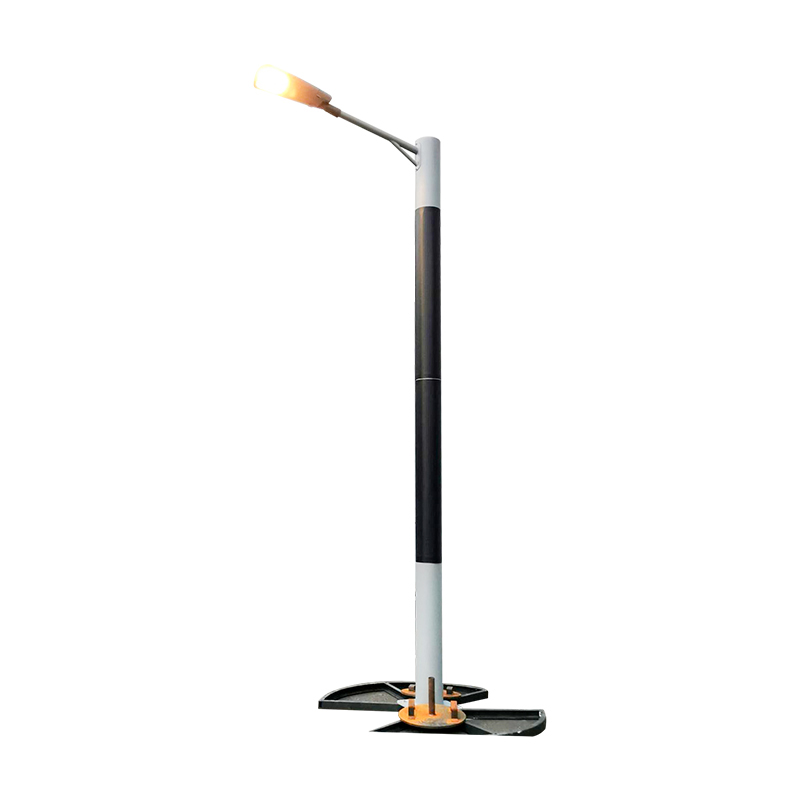 DDK-SSPL-2000 Cylinder Solar Pole Single/Double Arms And Street LED Lamps
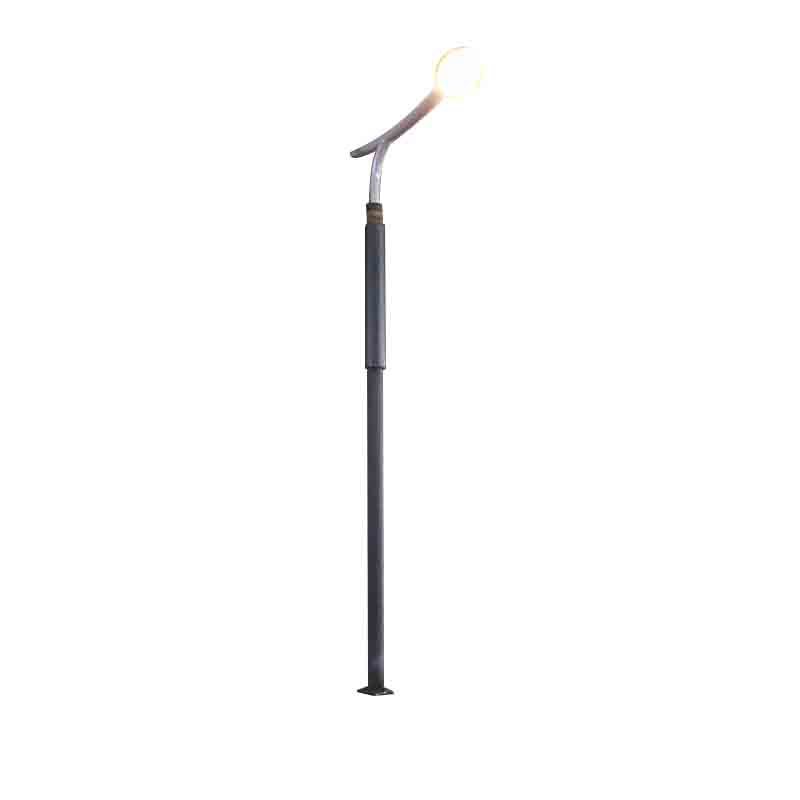 DDK-SSPL-2002 Cylinder Solar Pole With Lamp Head
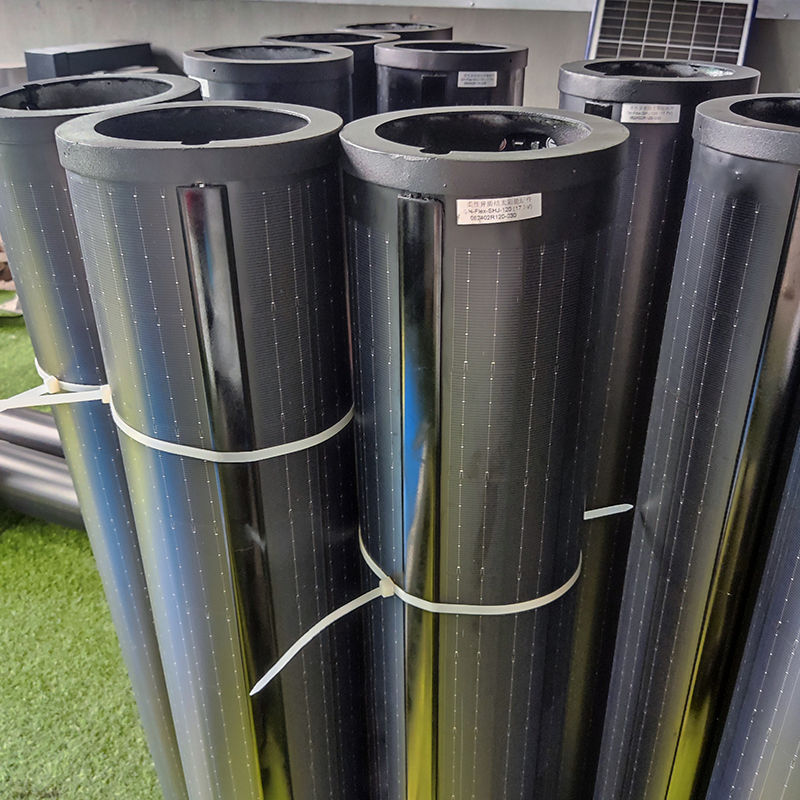 140W Flexible Solar Panel: High-Performance, Elegant and Versatile Power Solution for Lighting Poles and Park Lightings
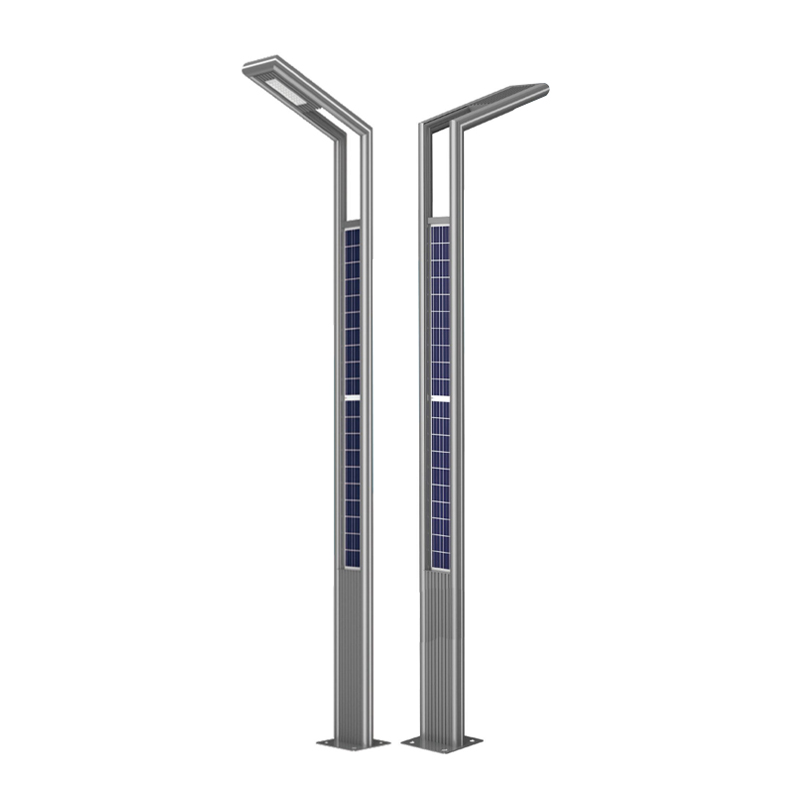 DDK-GN003 Double Sides Integrated Solar Aluminium Pole
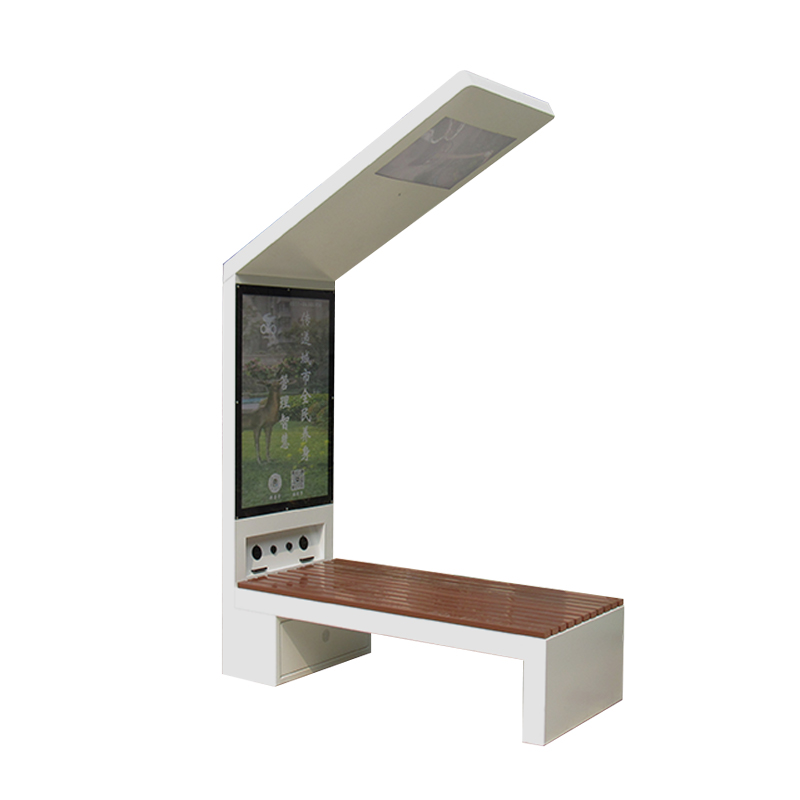 DDK-2000A Charging WIFI Solar Bench Outdoor Bench with Roof on the Top
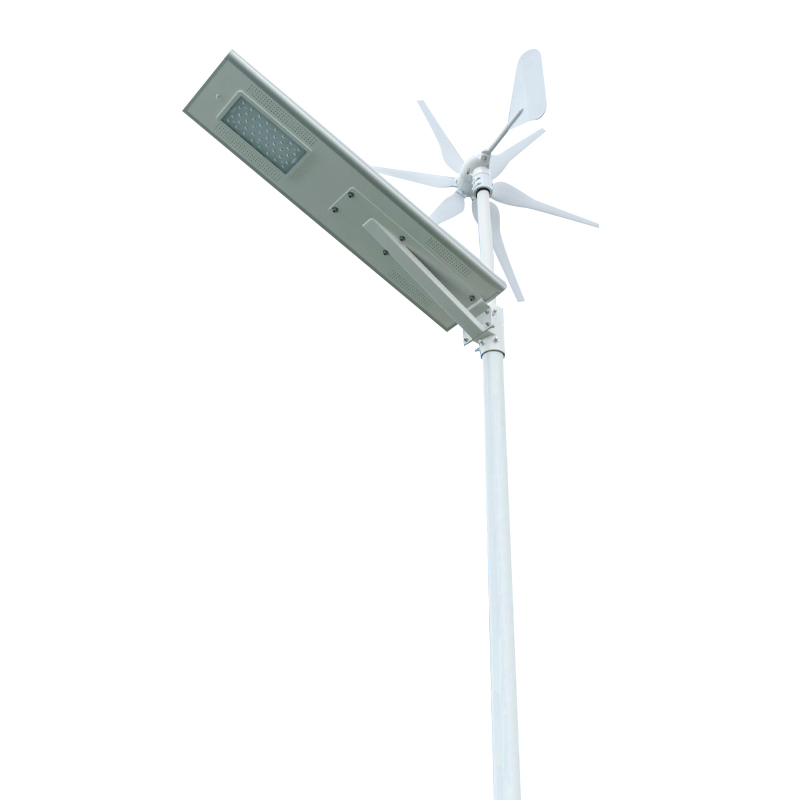 DDK G01 Solar&Wind Hybrid Integrated Optical Lens Solar All in One Light
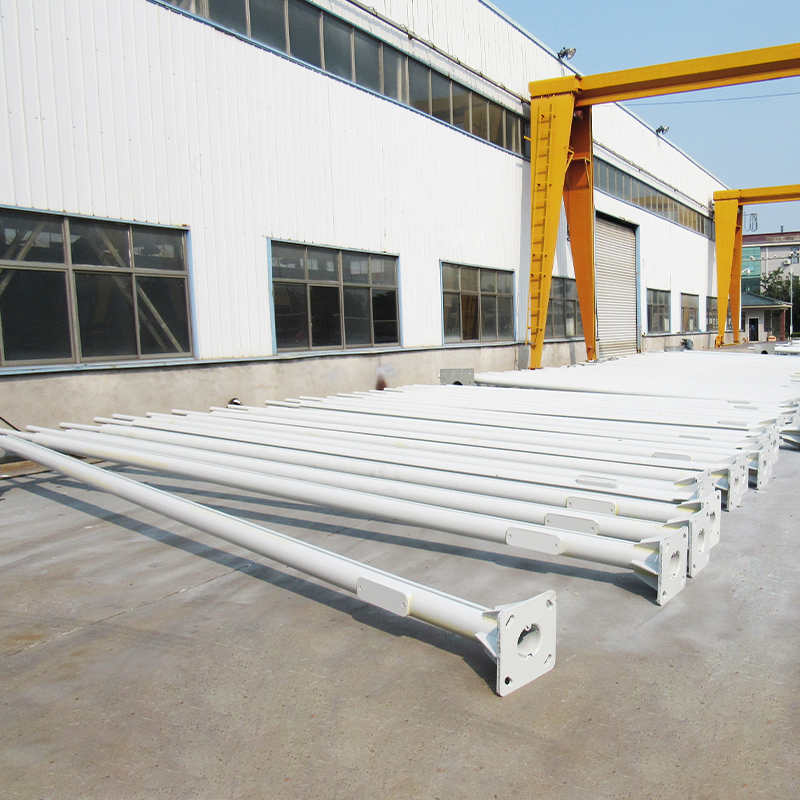 Customized Round Hexagon Octagonal Square Steel Street Light Poles for Outdoor Lightings
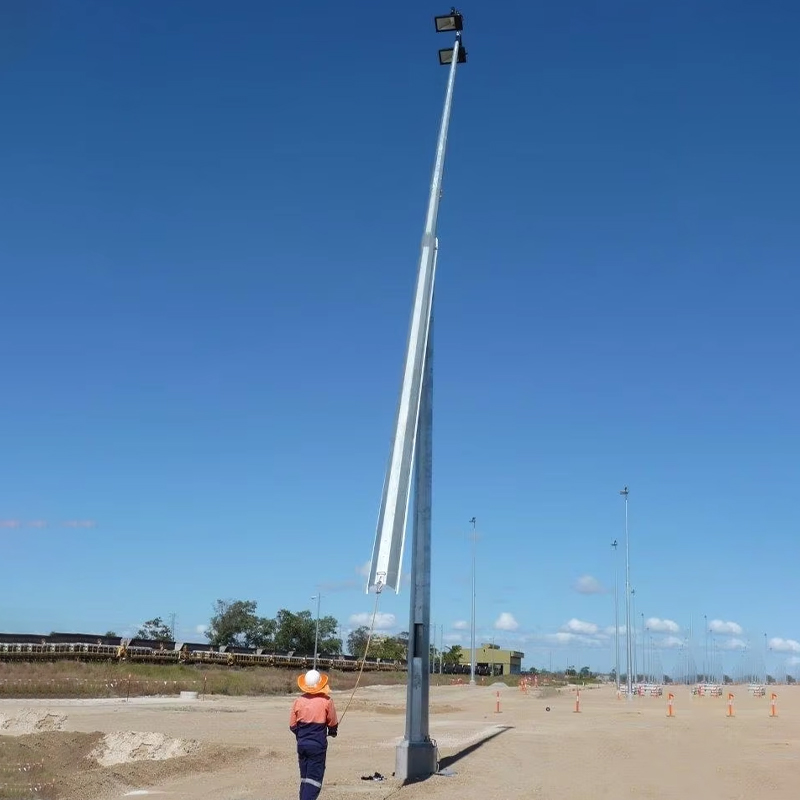 3 to 16M Galvanized Steel Hinged Poles
Contact us
180 meters south of the intersection of Nanbei Avenue and Xuba Road, Gaoyou City, Yangzhou City, Jiangsu Province, China.
+86-18811954888
ddk@cnddk.net
 English
 русский
 Español
 عربى
عربى

