
call us
+86-18811954888
2026-07-09
Mercury vapour lamps are outdated, energy inefficient, and environmentally hazardous. For outdoor street lighting, the best modern alternatives are LED street lights and solar all in one lights. These technologies deliver superior luminous efficacy (130–150 lumens per watt versus 13–48 for mercury lamps), longer lifespan (50 000+ hours versus 24 000 hours), instant restrike, and zero mercury content. Municipalities worldwide have already replaced millions of mercury street lights, achieving energy savings of 50–70 percent. If you are planning a new installation or a retrofit, choose LED or solar all in one lights to reduce operational costs and meet environmental standards.
Key fact: The European Union banned mercury vapour lamps in 2015 (RoHS Directive). In the United States, the Department of Energy estimates that replacing all mercury lamps with LEDs could save 33 terawatt hours per year, equivalent to the electricity used by 3 million households.
A mercury vapour lamp is a high intensity discharge (HID) lamp that produces light by passing an electric arc through vaporised mercury. It was one of the first widely used electric light sources for outdoor street lighting, dating back to the early 20th century. Despite its historical significance, the technology is now considered inefficient and harmful to the environment.
Inside the lamp, a quartz arc tube contains a small amount of liquid mercury and an inert gas (usually argon). When the lamp is switched on, a high voltage ionizes the argon, creating a starting arc. The heat from the arc vaporises the mercury, and once the mercury reaches a steady state, the arc runs through the mercury vapour, emitting ultraviolet (UV) radiation. This UV radiation then strikes a phosphor coating on the outer bulb, converting it into visible light (mostly blue green and some yellow). The warm up time can take 5 to 10 minutes, and if the lamp is turned off, it must cool down before it can restrike.
Mercury vapour lamps were first commercially introduced in the 1930s and became the dominant street light source in many countries through the 1960s and 1970s. They were valued for their relatively long life (12 000 to 24 000 hours) and higher efficiency compared to incandescent bulbs. However, by the 1980s, high pressure sodium (HPS) lamps overtook them in efficiency and colour rendering, and later LED technology completely outperformed both. Today, mercury lamps are mostly found in older installations, particularly in rural areas, parking lots, and legacy street light poles. Many cities have initiated phase out programs, often incentivised by energy savings.
Example: The city of Los Angeles replaced 140 000 mercury and HPS street lights with LEDs between 2009 and 2013. The result was a 63 percent reduction in energy use and annual savings of $10 million. The project also reduced carbon dioxide emissions by 40 500 metric tons per year.
Each mercury vapour lamp contains between 5 and 50 milligrams of elemental mercury. When lamps break or are disposed of improperly, mercury can be released into the air, soil, and water. Mercury is a potent neurotoxin, especially harmful to pregnant women and children. Because of this, many jurisdictions have banned the manufacture and import of mercury vapour lamps. The EPA’s Universal Waste Rule in the United States requires proper recycling of spent mercury lamps. In practice, however, a significant number of old mercury street lights are still in place, posing a silent environmental risk.
High pressure sodium (HPS) lamps are the immediate predecessor of LEDs and the direct competitor to mercury lamps in the HID family. Understanding the differences helps clarify why mercury lamps were phased out.
| Parameter | Mercury Vapour Lamp | HPS Lamp |
|---|---|---|
| Luminous Efficacy (lumens per watt) | 13 – 48 | 70 – 140 |
| Color Rendering Index (CRI) | 15 – 55 | 20 – 30 |
| Correlated Color Temperature (CCT) | 4500 K – 6000 K (blue white) | 1900 K – 2200 K (amber yellow) |
| Lifespan (hours) | 12 000 – 24 000 | 24 000 – 40 000 |
| Warm up / Restrike time | 5 – 10 minutes / 15 min | 3 – 5 minutes / 1 min |
| Mercury content | 5 – 50 mg | Negligible (some models contain trace amounts) |
| Energy consumption (typical 250 W lamp) | 250 W (plus ballast loss) | 150 W – 200 W for equivalent light output |
For equal lumen output, a 250 W mercury lamp can be replaced by a 150 W HPS lamp, saving about 40 percent energy. HPS lamps also have a much shorter warm up time and better lumen maintenance. However, HPS lamps have poor colour rendering (CRI below 30), making objects appear monochromatic. This is one reason why LED street lights are now preferred over both.
LED street lights represent the current state of the art for outdoor illumination. The gap between mercury lamps and LEDs is extremely wide, as shown in the table below.
| Parameter | Mercury Vapour Lamp | LED Street Light |
|---|---|---|
| Luminous Efficacy (lumens per watt) | 13 – 48 | 100 – 150 |
| Color Rendering Index (CRI) | 15 – 55 | 70 – 85 (typical) |
| Correlated Color Temperature (CCT) | 4500 K – 6000 K | 3000 K – 5000 K (selectable) |
| Lifespan (hours) | 12 000 – 24 000 | 50 000 – 100 000 |
| Instant on / restrike | No (warm up delay) | Yes (instant) |
| Mercury content | 5 – 50 mg | None |
| Energy consumption (equivalent to 250 W mercury) | 250 W | 40 W – 60 W |
| Maintenance cost (per 100 000 hours) | High (replacement lamps, ballast failures) | Low (no lamp replacement, driver life up to 100 000 h) |
A typical 250 W mercury lamp can be replaced by a 50 W LED luminaire while delivering the same or better illumination. This translates to an 80 percent reduction in energy use. Additionally, LEDs have a longer lifespan, reducing maintenance frequency. For example, the city of Pittsburgh replaced 28 000 mercury street lights with LEDs, saving $1.2 million annually and reducing greenhouse gas emissions by 9 000 tons per year.
Practical tip: When retrofitting, choose a LED street light with a modular design and replaceable driver. This extends the overall life of the fixture and makes future upgrades easier. Look for an IP65 or higher rating for outdoor use, and ensure the light distribution pattern matches the road width and pole spacing.
Solar all in one lights integrate a photovoltaic panel, LED light source, battery, and controller into a single compact unit. They are ideal for areas where grid connection is expensive or unavailable, such as remote roads, parks, and rural villages. Compared to mercury vapour lamps, solar all in one lights offer zero electricity costs, zero carbon emissions, and simple installation (no trenching for cables).
| Parameter | Mercury Vapour Lamp | Solar All in One Light (LED) |
|---|---|---|
| Annual electricity cost (per 100 W equivalent) | $80 – $120 (depending on local rates) | $0 |
| Installation cost (per unit) | $300 – $600 (including wiring, trenching) | $500 – $900 (no trenching, pole mounted) |
| Payback period (vs mercury) | Not applicable | 3 – 5 years (due to zero electricity) |
| Dependence on sunshine | None | Requires 4 – 5 hours of peak sun per day |
| Backup duration | Grid powered (continuous) | 2 – 3 overcast days (with proper battery sizing) |
For example, a rural village in India replaced 200 mercury vapour street lights with solar all in one lights. The project cost $180 000 and eliminated annual electricity bills of $24 000. The village also avoided the need for new power lines. The system provided reliable lighting even during grid outages, improving safety and enabling evening economic activities.
If you are responsible for a street lighting network that still uses mercury vapour lamps, here is a step by step plan to switch to modern technology.
Walk the streets and record the exact lamp wattage, pole spacing, mounting height, and condition of each fixture. Use a light meter to measure current illuminance levels. This data will help you specify the correct LED replacement.
You have three options:
Use the following formula: Annual savings = (old wattage – new wattage) × hours of operation × electricity rate / 1000. For example, replacing a 250 W mercury lamp (plus 15 W ballast loss) with a 50 W LED, operating 12 hours per day at $0.12 per kWh, saves $89.78 per year. Multiply by the number of fixtures to get total savings.
Case study: The city of Seattle replaced 41 000 mercury vapour street lights with LEDs between 2015 and 2018. The project cost $14 million but saved $2.5 million annually in energy and maintenance. The payback period was 5.6 years, and the new lights have a rated life of 20 years.
All removed mercury lamps must be collected and recycled at a certified facility. Do not throw them in regular trash. Contact your local hazardous waste authority or a lamp recycler. The recycling process recovers mercury, glass, and metal, preventing environmental contamination.
The global phase out of mercury vapour lamps has significant environmental and economic benefits. Here are key data points.
According to the United Nations Environment Programme, the lighting sector accounted for about 10 percent of global mercury consumption in 2010. The Minamata Convention on Mercury, ratified in 2017, requires countries to phase out mercury lamps by 2025. Replacing a single mercury lamp eliminates the risk of releasing 5 – 50 mg of mercury into the environment. With over 50 million mercury street lights still in use worldwide (estimated), the potential pollution reduction is enormous.
If all existing mercury street lights were replaced with LEDs, global energy savings would be approximately 33 TWh per year. This is equivalent to the annual electricity consumption of 9 million average US households. The corresponding reduction in CO2 emissions would be about 23 million metric tons per year (based on the average global grid emission factor of 0.7 kg CO2 per kWh).
A study by the US Department of Energy found that the typical payback period for an LED street light retrofit project is between 5 and 8 years. After that, the city enjoys pure savings. For example, the city of Chicago replaced 13 500 mercury lamps with LEDs, saving $1.4 million per year. The project also reduced maintenance calls by 90 percent because LED failures are rare.
Quote: “The transition from mercury vapour to LED street lighting is one of the most cost effective ways for cities to reduce their carbon footprint and free up budget for other public services.” – International Energy Agency, 2022.
The evidence is clear: mercury vapour lamps are the worst choice for outdoor street lighting today. They consume far more energy than HPS, LED, or solar all in one lights, contain toxic mercury, have poor colour rendering, and require long warm up times. LED street lights and solar all in one lights offer superior performance, longer life, and zero mercury. For new installations, always choose LED or solar. For existing mercury lamps, plan a retrofit as soon as your budget allows. The environmental and economic gains are undeniable.
If you need further guidance, consult a lighting engineer or use online retrofit calculators to estimate your specific savings. The sooner you act, the sooner you will benefit from lower electricity bills, reduced maintenance, and a cleaner planet.
1. What is a mercury vapour lamp used for?
Mercury vapour lamps were historically used for street lighting, parking lots, industrial areas, and security lighting. They are now being phased out due to inefficiency and mercury content.
2. Are mercury vapour lamps still legal?
Many countries have banned the manufacture and import of mercury vapour lamps. In the EU, they are illegal since 2015. In the US, they are not banned but heavily regulated, and many states have phase out programs.
3. How long does a mercury vapour lamp last?
Typical lifespan is 12 000 to 24 000 hours, depending on operating conditions. This is much shorter than LED (50 000 to 100 000 hours) or HPS (24 000 to 40 000 hours).
4. Can I replace a mercury vapour lamp with an LED bulb directly?
Yes, but you need a retrofit LED lamp designed for the existing socket and ballast (or bypass the ballast). Ensure the LED lamp is rated for outdoor use and has the correct light distribution.
5. How much energy does a mercury vapour street light use?
A typical 250 W mercury lamp consumes about 250 to 270 watts (including ballast). For a 400 W lamp, it is about 440 watts. An equivalent LED uses only 50 to 80 watts.
6. What is the difference between mercury lamp and HPS lamp?
Mercury lamps produce a blue white light with low efficacy (13–48 lm/W). HPS lamps produce an amber yellow light with higher efficacy (70–140 lm/W). HPS lamps have a shorter warm up time and lower mercury content.
7. Are solar all in one lights reliable in cloudy weather?
Yes, if the solar battery is sized correctly. Most systems can operate for 2 to 3 days without direct sunlight. In regions with frequent cloudy days, choose a larger battery capacity or a hybrid system with grid backup.
8. How do I dispose of old mercury vapour lamps?
Take them to a household hazardous waste collection site or a lamp recycler. Do not break them. Many electrical wholesalers also offer recycling services for spent lamps.
9. What is the payback period for replacing mercury lamps with LEDs?
Typically 3 to 8 years, depending on local electricity rates, lamp wattage, and installation cost. For example, replacing a 250 W mercury lamp with a 50 W LED gives a payback of about 4 to 5 years if electricity costs $0.12 per kWh.
10. Which is better for street lighting: LED or solar all in one?
If grid connection is available, LED street lights are cheaper upfront and require no battery replacement. For off grid or remote areas, solar all in one lights are better because they eliminate trenching and electricity costs. Both are far superior to mercury vapour lamps.
Related Products
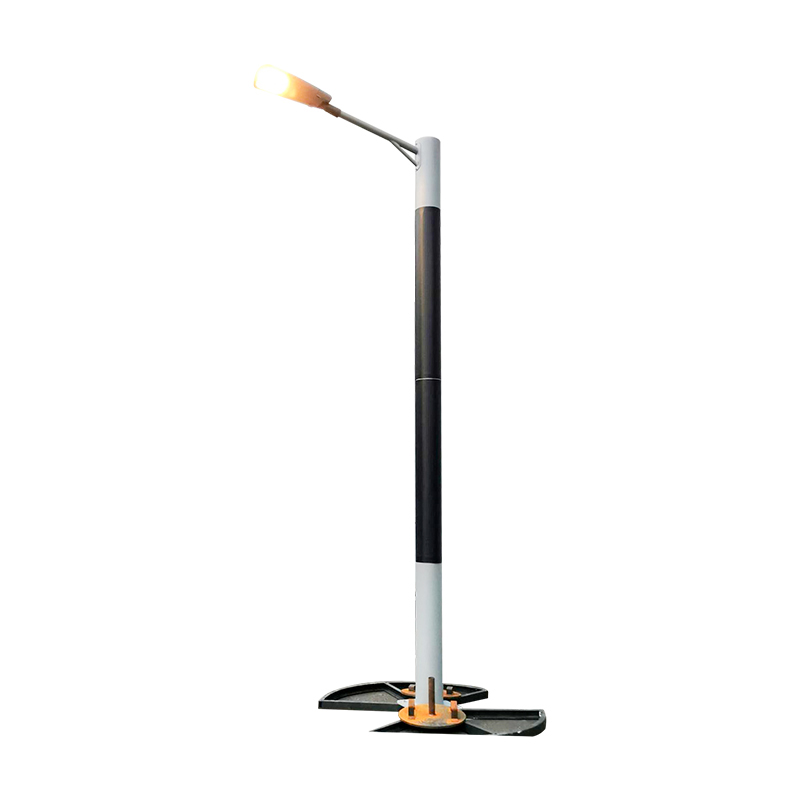 DDK-SSPL-2000 Cylinder Solar Pole Single/Double Arms And Street LED Lamps
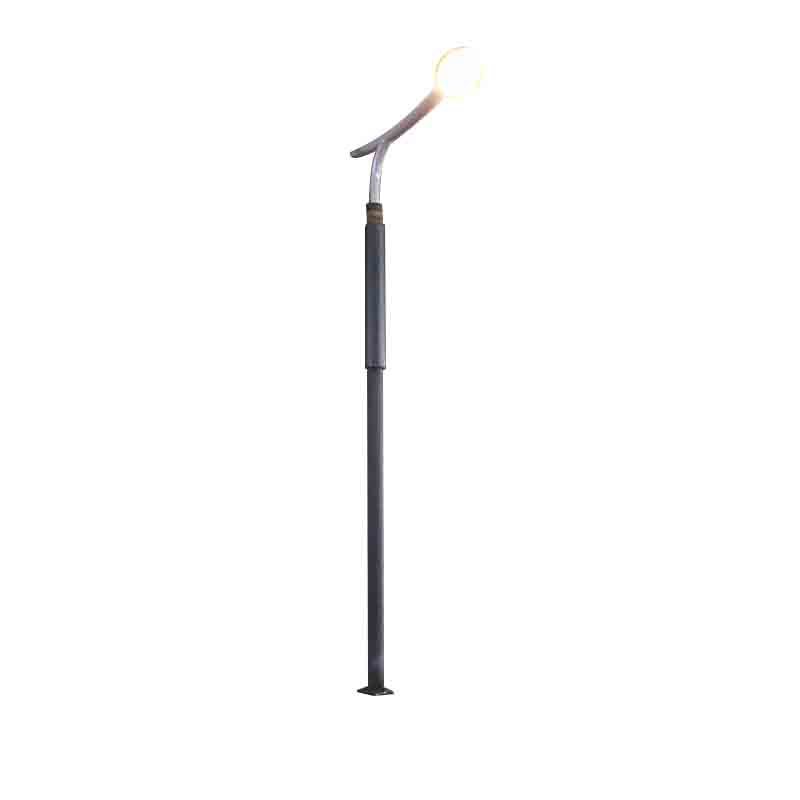 DDK-SSPL-2002 Cylinder Solar Pole With Lamp Head
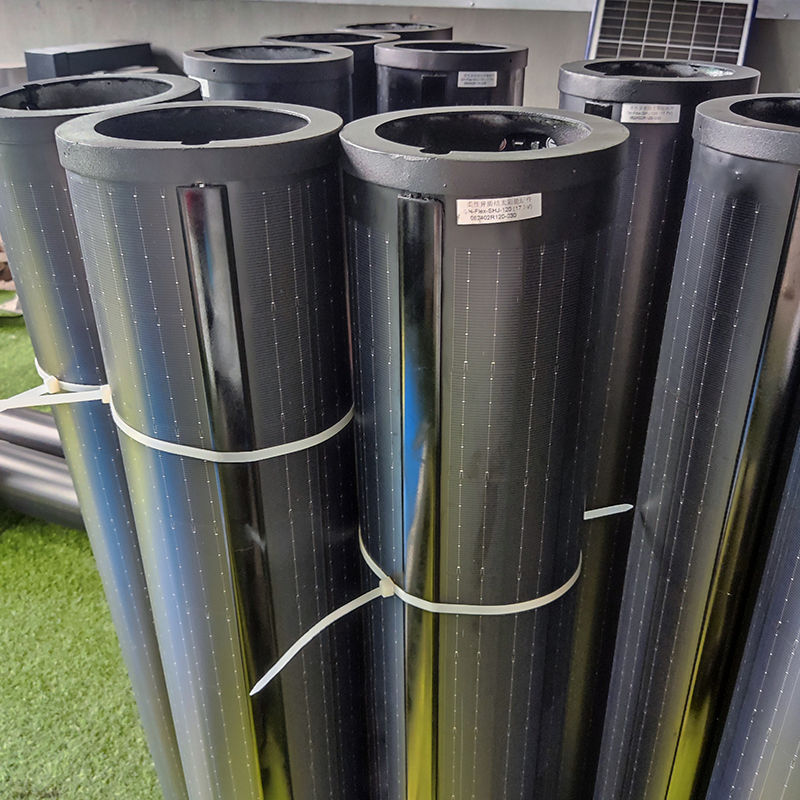 140W Flexible Solar Panel: High-Performance, Elegant and Versatile Power Solution for Lighting Poles and Park Lightings
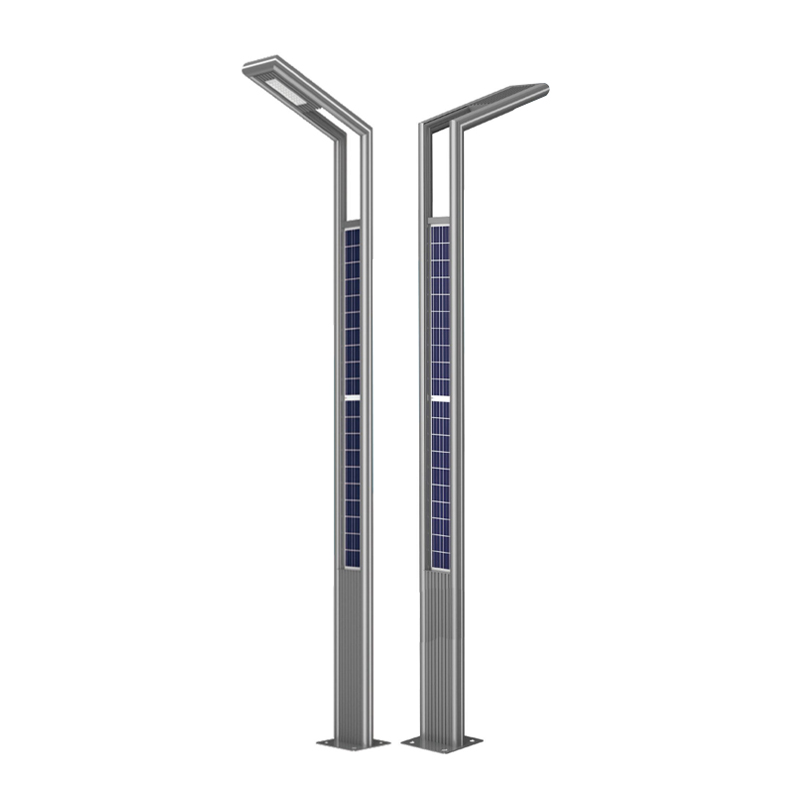 DDK-GN003 Double Sides Integrated Solar Aluminium Pole
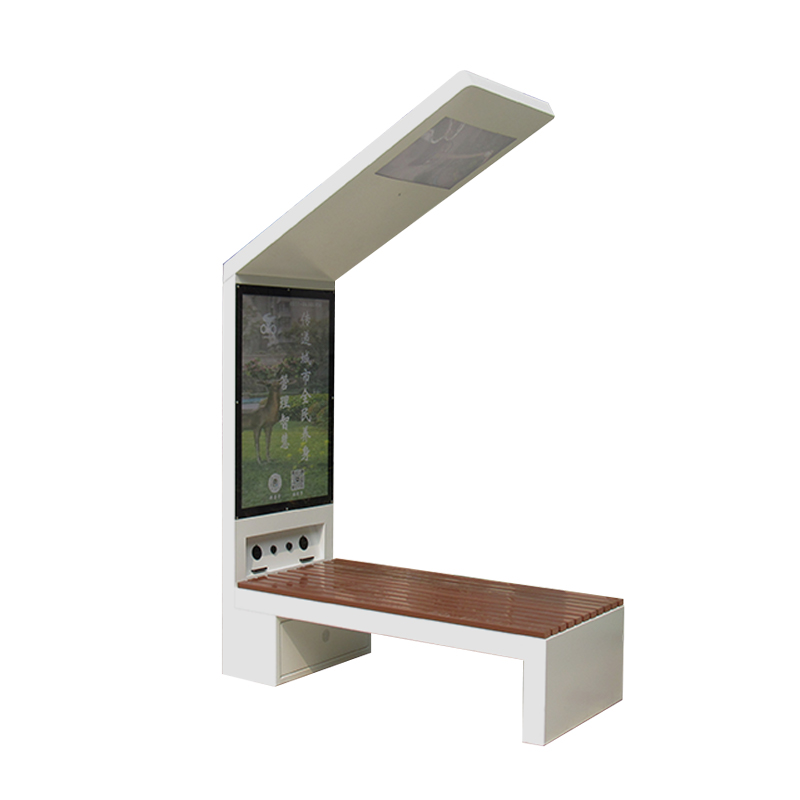 DDK-2000A Charging WIFI Solar Bench Outdoor Bench with Roof on the Top
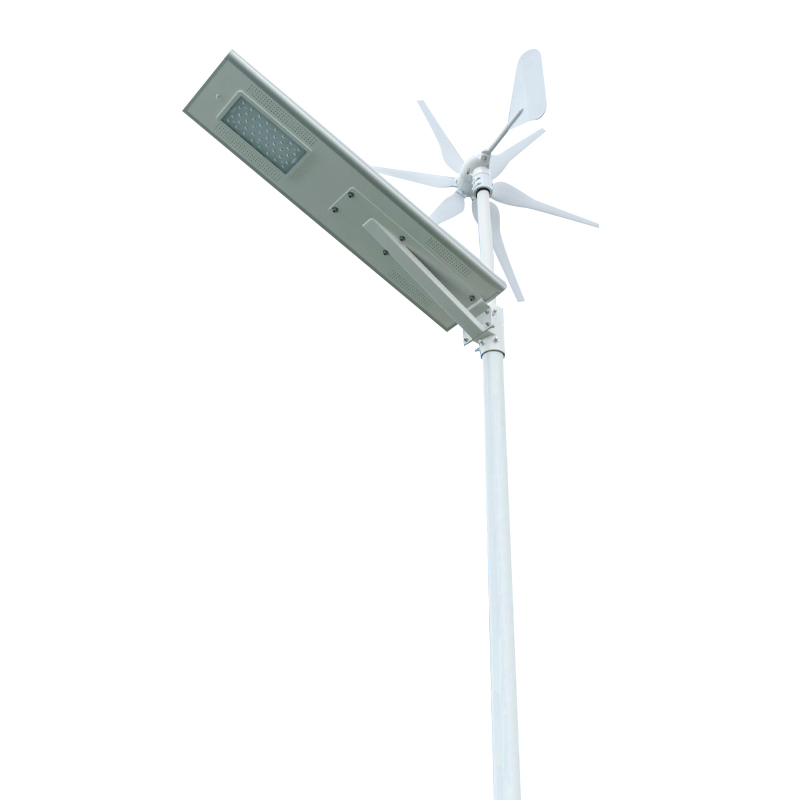 DDK G01 Solar&Wind Hybrid Integrated Optical Lens Solar All in One Light
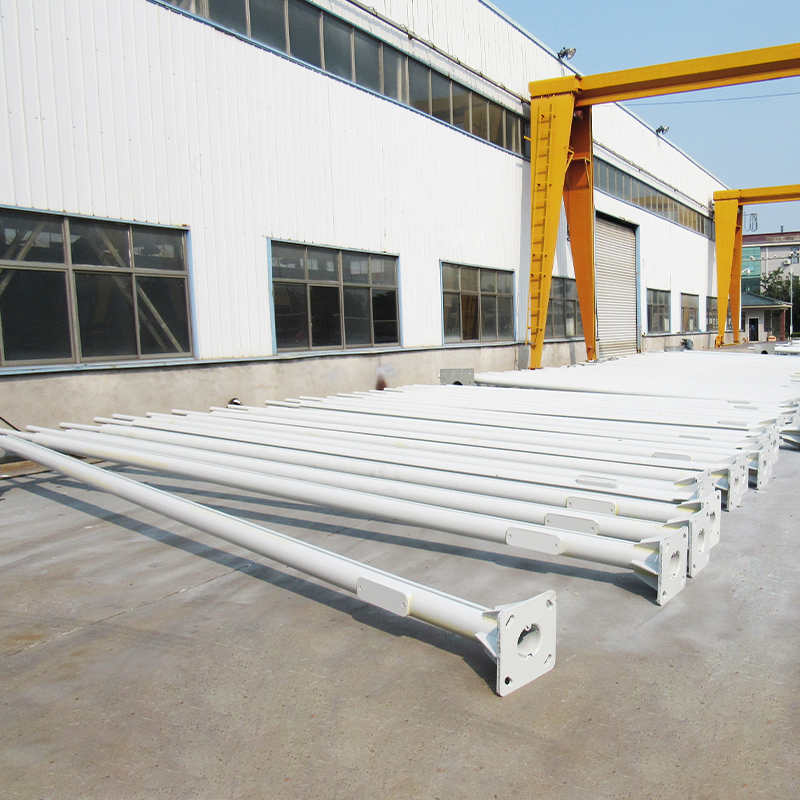 Customized Round Hexagon Octagonal Square Steel Street Light Poles for Outdoor Lightings
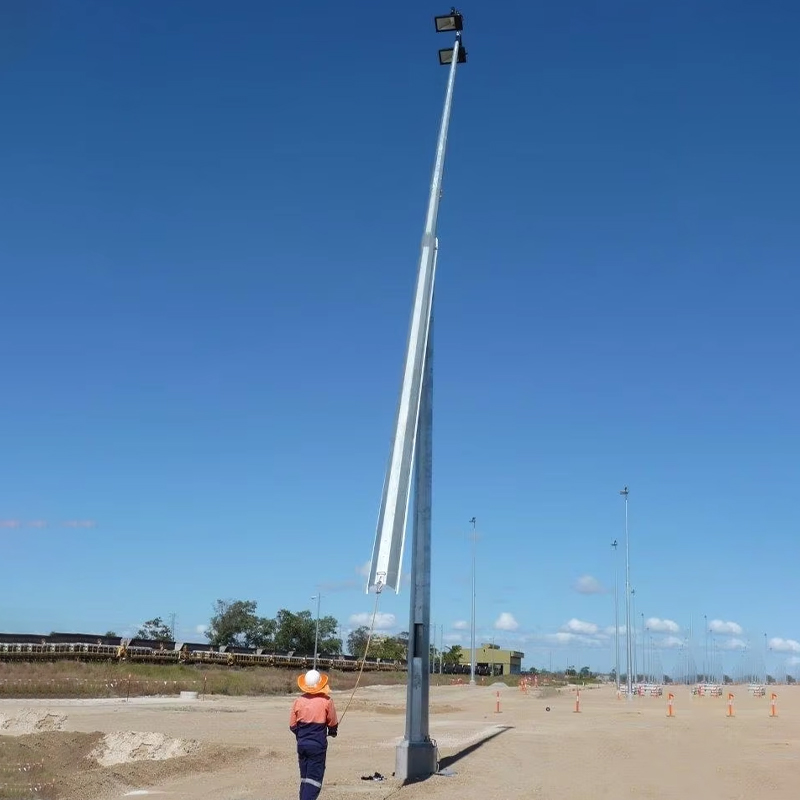 3 to 16M Galvanized Steel Hinged Poles
Contact us
180 meters south of the intersection of Nanbei Avenue and Xuba Road, Gaoyou City, Yangzhou City, Jiangsu Province, China.
+86-18811954888
ddk@cnddk.net
 English
 русский
 Español
 عربى
عربى

