
call us
+86-18811954888
2026-11-26
If you are budgeting for a 200W solar street light, expect a workable but not identical answer: there is no single factory price because “200W” can mean a 200W LED load, a 200W solar panel, a model number, or a marketing label. In late 2026, common ex-works quotes for integrated solar street lights marketed as 200W often sit around $250 to $650 per unit, while split systems with a true 200W LED lamp, sufficient panel capacity and a battery sized for all-night operation more often fall between $500 and $1,200. Premium projects with larger batteries, higher poles, certified components, monitoring and extended warranties can exceed that range.
The price also depends on what is included. A bare lamp head is not comparable with a complete system that includes a solar panel, lithium battery, controller, mounting bracket, pole and foundation kit. For procurement, the useful question is not “What is the cheapest 200W solar street light?” but “What exact 200W system, at what autonomy, in what quantity, delivered where, and warranted for how long?”
For early budgeting, separate the market into three practical bands. First, compact integrated units with a 200W-class panel and a 60W to 100W LED output commonly quote from around $250 to $650 ex-works. Second, split-system designs with a genuine 200W LED luminaire, a larger panel array and a LiFePO4 battery often range from $500 to $1,200. Third, project-grade systems with 8m to 12m poles, three-night autonomy, certified components, remote monitoring and formal test reports can run from $1,200 to $2,000 or more per unit before installation and freight.
These figures are indicative, not quotations. They assume reasonable production quality, standard export packing and moderate order quantities. Small samples can carry a 15% to 40% premium because setup, documentation and freight are spread over fewer units. Very large orders may reduce unit cost, but the savings are usually smaller than buyers expect once battery capacity, pole steel and certification are fixed.
| Configuration | Typical scope | Indicative unit price | Best fit | Main risk |
|---|---|---|---|---|
| Integrated 200W-class unit | All-in-one lamp, 200W-class panel, 60W–100W LED, lithium battery, controller, bracket | $250–$650 | Village lanes, parks, small car parks, quick deployment | “200W” may refer to panel capacity rather than LED output |
| Split 200W LED system | 200W LED lamp, separate 400W–600W panel array, 3kWh–5kWh battery, controller, cables | $500–$1,200 | Main roads, industrial areas, high-illuminance projects | Under-sized battery or panel leads to early dimming |
| Project-grade split system | Certified components, 8m–12m pole, 3-night autonomy, monitoring, test reports | $1,200–$2,000+ | Municipal roads, tenders, public spaces with strict warranties | Documentation and after-sales support may be priced separately |
| Sample or custom unit | Custom pole, color, logo, special voltage, non-standard battery, prototype | Quotation only | Pilot projects, OEM programs, design verification | Low volume and engineering time increase unit cost |
Use these bands to screen quotations, not to force every supplier into one price. A $300 unit and an $900 unit may both be described as “200W solar street light,” but they can differ in LED wattage, panel size, battery usable capacity, pole thickness, controller quality, ingress protection and warranty terms.
Before comparing prices, ask the supplier to state the wattage label by category. A 200W LED load means the luminaire draws about 200W and may deliver roughly 26,000 to 30,000 lumens at 130 to 150 lumens per watt. A 200W solar panel means the photovoltaic module can produce up to 200W under standard test conditions, but it may power only a 60W to 100W LED lamp. A “200W model” may simply be a series name with no direct relationship to electrical output. These are three different products.
This ambiguity matters because a true 200W LED lamp consumes about 2kWh over a 10-hour night at full output. If the design also allows dimming to 30% for part of the night, daily energy may fall to 1.3kWh or less. A 200W panel, by contrast, may generate only 0.7kWh to 1kWh per day after solar resource, temperature, dust and controller losses. A system with a 200W panel and a 200W LED lamp would therefore need a very large battery and a forgiving operating profile to work reliably. That is why many “200W” integrated lights are not 200W LED lights at all.
Ask for a technical schedule that lists LED power, lumen output, panel wattage, battery nominal voltage, battery capacity in Wh, usable depth of discharge, controller type, autonomy nights, daily operating hours, dimming profile and pole height. If any of these are missing, the quote is incomplete. A low price is meaningful only when the scope is defined.
A 200W solar street light quote is really a package price for energy generation, storage, control, structure and light delivery. If the buyer asks for 200W LED output and 10 hours of nightly operation, the energy requirement is about 2,000Wh per night before dimming. With five effective sun hours and a 75% system efficiency factor, the panel array needs to be around 530W just to recover one night’s energy. A battery for two nights of autonomy at 80% usable depth of discharge would need roughly 5,000Wh. Those numbers carry a very different cost from a 200W panel and 80W LED system.
For many rural and secondary road projects, a realistic 200W-class product uses a 60W to 100W LED lamp with a 200W to 300W panel and a 1kWh to 2kWh lithium battery. It may run at full power for the first few hours, then dim to 30% to 50% until dawn. That configuration can deliver useful illumination and still meet a $250 to $650 budget. If a buyer insists on 200W LED output all night, the supplier must increase panel and battery capacity, and the price will move upward.
Solar resource also changes the answer. A system designed for a high-irradiance region may use a 400W panel; the same lamp in a cloudy winter region may need 550W to 650W of panel capacity and a larger battery. The lamp and pole may stay the same, but the power system price can rise by 30% or more. Do not accept a price comparison that ignores installation latitude, seasonal sun hours and required autonomy.
LED luminaire quality is the first driver. A 200W LED lamp can use different chip bins, drivers, lenses and heat sinks. A well-designed die-cast aluminum housing with effective thermal paths and a reputable driver may cost more than a thin housing with a low-cost driver, but it is more likely to maintain output and survive high ambient temperatures. For a true 200W lamp, heat management is not optional; a poor thermal design can shorten driver life and cause lumen depreciation.
Battery chemistry and capacity are the second major driver. Lithium iron phosphate, or LiFePO4, is common in solar street lighting because it offers good cycle life and thermal stability, but capacity, brand of cells, battery management system and enclosure protection all affect price. A 12.8V 100Ah LiFePO4 battery stores about 1,280Wh nominal; a 25.6V 200Ah battery stores about 5,120Wh. The second battery may cost several times more than the first. Buyers should compare watt-hours, usable depth of discharge, cycle life at the expected temperature, and warranty, not just “Ah.”
Solar panels are the third driver. Monocrystalline panels are common, but efficiency, frame construction, glass type, junction box, cable length and certification affect cost. A 200W panel is not automatically suitable for a 200W LED lamp. The panel array must be matched to daily energy demand, autonomy and local weather. Flexible panels can be useful on curved or compact poles, but they have different mounting, heat and lifetime considerations from rigid framed panels.
The controller, pole and installation hardware complete the cost picture. A basic PWM controller costs less than an MPPT controller but may waste available solar energy. A poorly sealed controller enclosure can fail before the lamp does. The pole may be 4m, 6m, 8m or 10m, with different steel thickness, base plate, anchor bolts, galvanizing and wind-load design. A complete project price should identify whether the pole, foundation, cables, battery box and commissioning are included.
Integrated solar street lights combine the lamp, panel, battery and controller in one housing. They are compact, quick to install and often lower in total system cost for lower-power applications. Their limitations appear when the LED load is high or the battery must be large. Heat, battery weight and panel area all compete for space in one housing. For a 200W-class label, an integrated unit may be a good fit if the actual LED load is moderate and the site has good sun exposure.
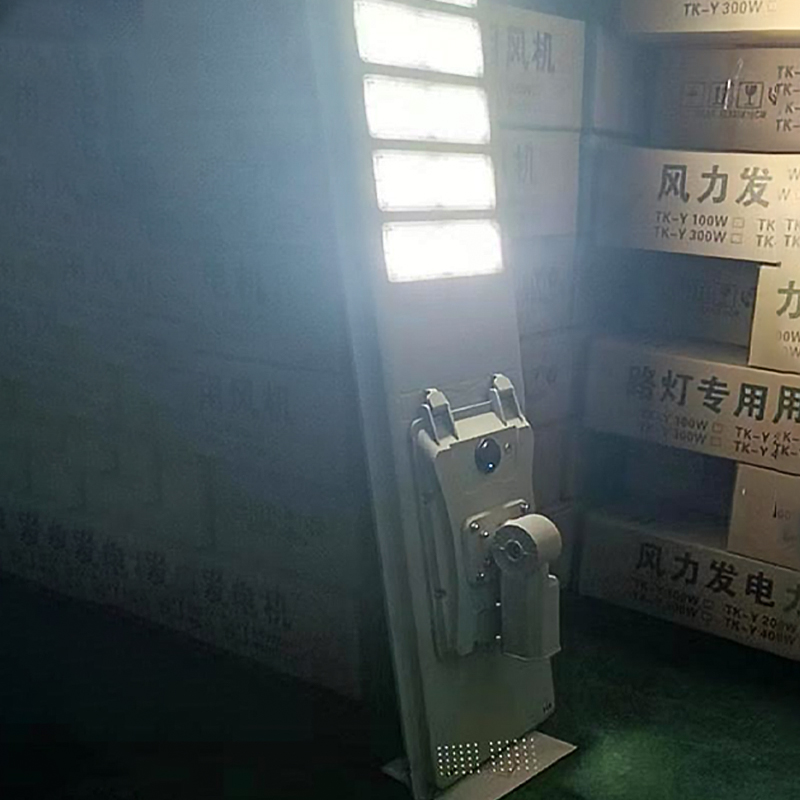 DDK-S0219 Integrated Solar Street LightIntegrated solar street light with 150W LED, LiFePO4 battery and IP65 aluminum housing, suited to compact street-light projects with moderate load.View Product →
Split systems place the panel and battery separately from the lamp. They allow larger panels, more battery capacity and better thermal management, which makes them more suitable for true 200W LED output and longer autonomy. The trade-off is more wiring, more mounting hardware and a more careful installation process. For a road or industrial project where reliability matters more than a compact appearance, a split design is often the more defensible choice.
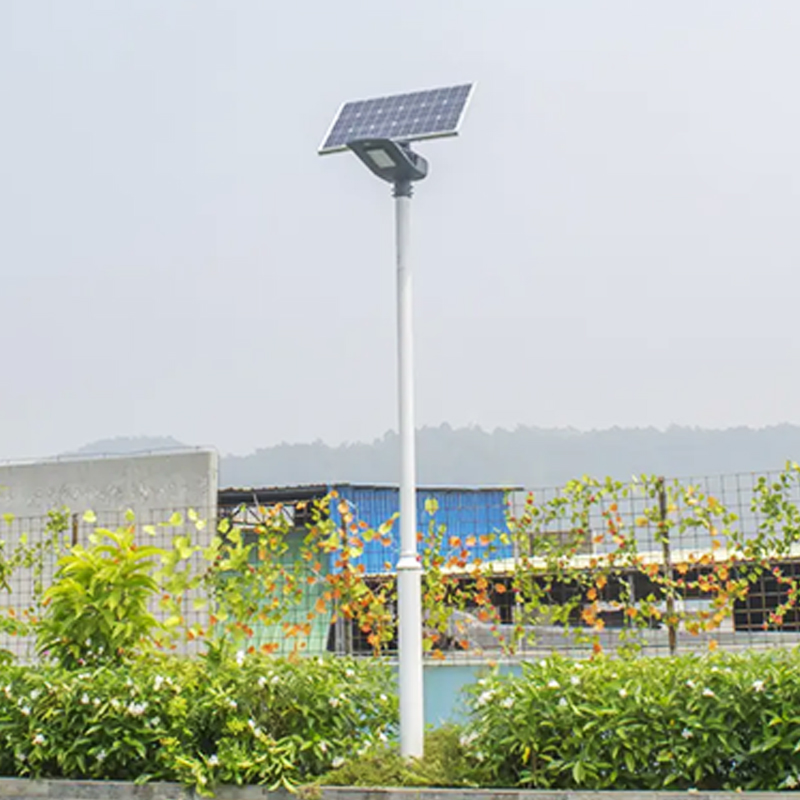 DDK-FEITIAN Separated Solar Pole LampCustomizable separated solar pole lamp with adjustable height, polycrystalline panel, LED source and battery/controller options for street, park or industrial lighting.View Product →
Semi-integrated designs fall between these two approaches. They may keep the lamp and controller together while placing the panel or battery on a separate bracket. The price can be attractive, but the buyer should check cable protection, connector waterproofing and battery enclosure ventilation. A semi-integrated system is only as good as its weakest enclosure.
For a 200W solar street light project, choose the configuration from the load and site conditions first, then compare prices. Starting with the cheapest integrated unit and asking it to perform like a split 200W LED system usually leads to disappointing night-time output, shortened battery life or repeated maintenance.
A village lane project may need 30 lights over a 2km stretch. If the requirement is safe visibility rather than uniform high-speed road lighting, a 60W to 80W LED lamp with a 200W panel and 1kWh battery can be adequate. At $280 to $420 per unit ex-works, 30 units would cost roughly $8,400 to $12,600 before freight and installation. The buyer should still verify that the quoted “200W” system provides the expected light level and that the battery can support two cloudy days.
A municipal road project with a true 200W LED requirement is a different budget. If each light uses a 500W to 600W panel array, a 5kWh LiFePO4 battery, an MPPT controller and an 8m to 10m pole, the ex-works price may fall between $900 and $1,500 per unit. For 50 units, the equipment budget alone is $45,000 to $75,000. Foundations, cranes, commissioning and local taxes can add 20% to 40% to the installed cost. The lower the quoted price, the more carefully the battery capacity and panel wattage should be checked.
A small commercial car park may prefer 10 to 15 integrated units for faster installation and lower civil work. At $300 to $550 per unit, the equipment cost is manageable, but the site layout must avoid shading from trees and buildings. Solar street lights are not immune to bad planning; a $400 light in deep shade can perform worse than a $250 light in full sun.
For pilot projects, ordering two or three samples is sensible. A sample order may cost $500 to $900 per unit including freight, but it reveals the actual build quality, packaging, documentation and light distribution before a larger purchase. Testing one sample in the intended location for several weeks is often cheaper than correcting a container-load mistake.
Create a comparison sheet with mandatory fields and refuse to evaluate a quote that leaves them blank. At minimum, record LED input power, lumen output, color temperature, beam angle, panel wattage, panel type, battery chemistry, battery Wh, usable depth of discharge, controller type, autonomy, daily operating hours, dimming schedule, pole height, pole steel thickness, galvanizing thickness, IP rating, operating temperature range, warranty and Incoterm. This turns a vague price into a technical offer.
Check the arithmetic. A supplier who claims a 200W LED lamp will run for three cloudy nights on a 1kWh battery is either using a very aggressive dimming profile, overstating battery capacity or relying on the buyer not to calculate. A 200W LED load for 10 hours needs about 2kWh per night before losses. Three nights would require roughly 6kWh of usable storage. If the quoted battery is far below that, the autonomy claim needs explanation.
Compare warranties by component. A five-year warranty on the lamp housing is not the same as a five-year warranty on the battery. Ask what is covered, who pays freight for replacements, whether the warranty is prorated, and what proof of failure is required. In export projects, the cost of returning a failed battery can exceed its value, so a practical spare-parts allowance may be more useful than a long but difficult-to-enforce warranty.
The purchase price is only one part of the lifecycle cost. A low-cost battery that fails in two years may cost more than a higher-quality battery that lasts six to eight years, especially when the failed unit is on a highway pole. Maintenance labor, crane rental and traffic management can exceed the battery price. For public projects, the cost of darkness after a failure may be even higher in safety and reputation terms.
Shipping large solar street lights is not like shipping small luminaires. Poles are long and heavy; panels are fragile; batteries are regulated dangerous goods in many transport modes. The Incoterm matters. An ex-works price excludes inland haulage, export clearance, ocean freight and insurance. A delivered price may still exclude destination duties and unloading. Confirm whether the battery is shipped with the correct documentation and state of charge, and whether the packaging is designed for the chosen transport mode.
Quantity also affects price in non-linear ways. A 10-unit order may use standard cartons and manual production. A 500-unit order may require custom packaging, pre-shipment inspection and a longer production schedule. Ask for the production lead time at the quoted quantity, not at a generic “sample” quantity. If the project has a fixed installation date, a lower price with an unreliable schedule is not a saving.
Custom colors, logos, pole shapes and special voltage requirements add engineering and setup time. They can be worthwhile for a branded public space or an OEM program, but they should be quoted as separate line items. Avoid bundling non-standard features into a single round price; otherwise, you cannot tell whether the customization is fairly priced or the base product has been downgraded to compensate.
Battery choice is the most consequential cost and performance decision. LiFePO4 is widely used because it offers good cycle life and thermal stability, but not all LiFePO4 batteries are equal. Cell quality, battery management system design, enclosure sealing and low-temperature protection matter. In cold climates, charging below 0°C without protection can damage the battery. In hot climates, a poorly ventilated enclosure can shorten life. The quote should state the operating temperature range and whether heating or low-temperature cutoff is included.
Panel sizing should be based on daily energy demand rather than a nominal wattage label. A 200W panel may be enough for a 60W lamp in a sunny region, but not for a 200W lamp in a cloudy winter. Use local peak sun hours, system losses and autonomy requirements to size the array. If the supplier cannot show the calculation, the design is a guess. For larger systems, multiple panels may be mounted on a separate frame or pole bracket.
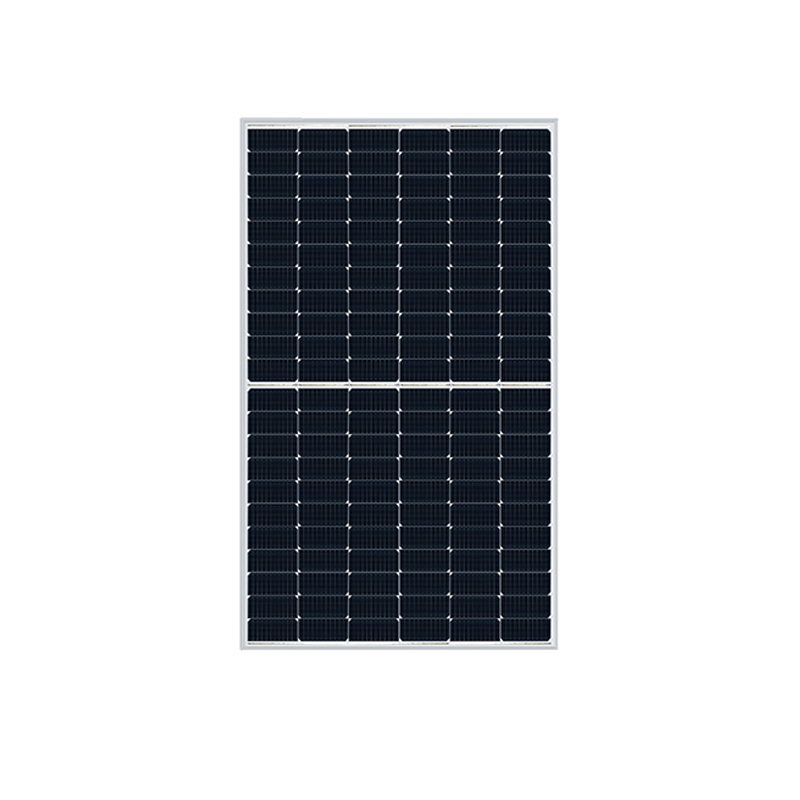 Maximum 550W Monocrystalline Solar PanelMonocrystalline panel range up to 550W with listed 150W–540W models, suitable for larger solar lighting arrays when sizing is calculated from daily demand.View Product →
Controller quality is often overlooked. An MPPT controller can extract more energy from the panel under changing conditions, but only if it is properly rated and configured. A low-cost PWM controller may be acceptable for small systems with well-matched panel and battery voltages, but it can waste power in larger arrays. Look for temperature compensation, over-discharge protection, short-circuit protection and, where needed, remote monitoring.
Dimming profiles are a practical way to control cost. Running a 200W LED lamp at full power from dusk to dawn requires a large energy system. Running at 100% for five hours and 40% for five hours reduces nightly energy substantially. The lighting design should confirm that the dimmed period still meets the required illuminance and uniformity. If the project specifications demand full output all night, the price will rise; there is no technical trick that makes the extra energy free.
The pole is not a minor accessory when the light is 8m to 12m high. Steel thickness, base plate size, anchor bolt pattern, galvanizing thickness, wind load and foundation design all affect safety and cost. A 6m pole for a lightweight integrated light may cost far less than a 10m pole designed for a split system with a large panel frame. The quotation should include a pole drawing with dimensions, steel grade, wall thickness, welding standard and surface treatment.
Foundation work is usually priced separately from the light. In remote areas, concrete, labor and crane access can be difficult. In urban areas, permits, traffic control and underground utility checks can add cost. If the site has rocky ground or high wind exposure, the foundation may need special design. Buyers should not assume that a supplier’s “installation guide” replaces a local structural check.
Installation quality affects performance. The panel must face the correct direction and avoid shading. The battery box must be sealed but not overheated. Cables should be protected from sunlight, rodents and water ingress. Connectors should be mated correctly and strain-relieved. A system that is well designed but poorly installed can fail in the first rainy season. For project pricing, include commissioning checks: open-circuit voltage, charging current, battery state of charge, light output and controller settings.
Certification requirements depend on the destination market and project owner. Common expectations include safety and performance testing for luminaires, IP testing for enclosures, battery transport documentation and, for some markets, electromagnetic compatibility and photovoltaic module standards. A supplier may mention “CE” or “RoHS” without providing a report, so ask for the standard number, issuing laboratory and report date. For public tenders, third-party test reports are often mandatory.
Lighting performance should be supported by photometric data, not only a lumen number. A 200W LED lamp with a narrow beam may produce high center illuminance but poor uniformity. A well-designed street light uses an asymmetric distribution that directs light onto the road without wasting it upward or onto nearby properties. If the project has a lighting design requirement, request an isolux or dialux report for the proposed pole height, spacing and wattage.
Warranty terms should be practical. A three-year warranty on the complete system is more useful than a ten-year warranty on a component that excludes labor, freight and water damage. Ask how warranty claims are handled for export orders. Are replacement parts shipped from stock? Is there a local service partner? What is the expected response time? For large projects, a spare-parts percentage in the original order can be cheaper than emergency shipping later.
Customization is valuable when a project needs a specific pole height, base cover, color, logo, mounting pattern or battery configuration. It is less useful when it adds cost without improving performance. A capable manufacturer should be able to work from drawings, propose reasonable tolerances and provide a sample or pre-production approval before mass production. This is especially relevant for integrated solar poles, decorative street lighting and public-space furniture where appearance and structure are part of the specification.
For buyers working with international suppliers, DDK's manufacturing and customization capabilities can be relevant when the project requires pole fabrication and solar system integration rather than a catalog-only purchase. The practical benefit is fewer coordination gaps between the pole, bracket, panel and battery enclosure. The buyer should still verify the proposed design against local wind loads, foundation conditions and lighting requirements.
Order size affects tooling, packaging and lead time. Small orders are often best kept to standard configurations. Large orders can justify custom packaging, dedicated labeling and pre-shipment inspection. Before placing a deposit, confirm the Incoterm, payment schedule, inspection method, packing list, container loading plan and documentation set. A clear specification with approved drawings is more valuable than a long email thread of verbal promises.
Use this checklist before you compare final prices. It helps separate a genuine 200W solar street light quotation from a headline number that hides scope gaps.
For a broader technical background on system design, this overview of solar-powered street lighting systems is useful, but the quotation still needs to be project-specific. Two sites in the same country can require different panel and battery sizes because of shading, temperature, road width and lighting class.
A realistic 200W solar street light budget starts around $250 to $650 for compact integrated units, rises to roughly $500 to $1,200 for split systems with a true 200W LED load and adequate energy storage, and can exceed $1,200 for project-grade systems with larger batteries, taller poles and full documentation. The difference is not arbitrary. It reflects LED quality, battery capacity, panel size, controller performance, structural design, certification and warranty support.
The most reliable way to control cost is to define the lighting requirement first, then size the solar system to meet it. Do not buy a “200W” label without a technical schedule. Do not compare a lamp head price with a complete pole-mounted system. Do not assume that a larger battery alone solves a shading problem. A well-specified mid-range system usually delivers a lower lifecycle cost than a low-cost system that fails prematurely or cannot provide the required light output.
Related Products
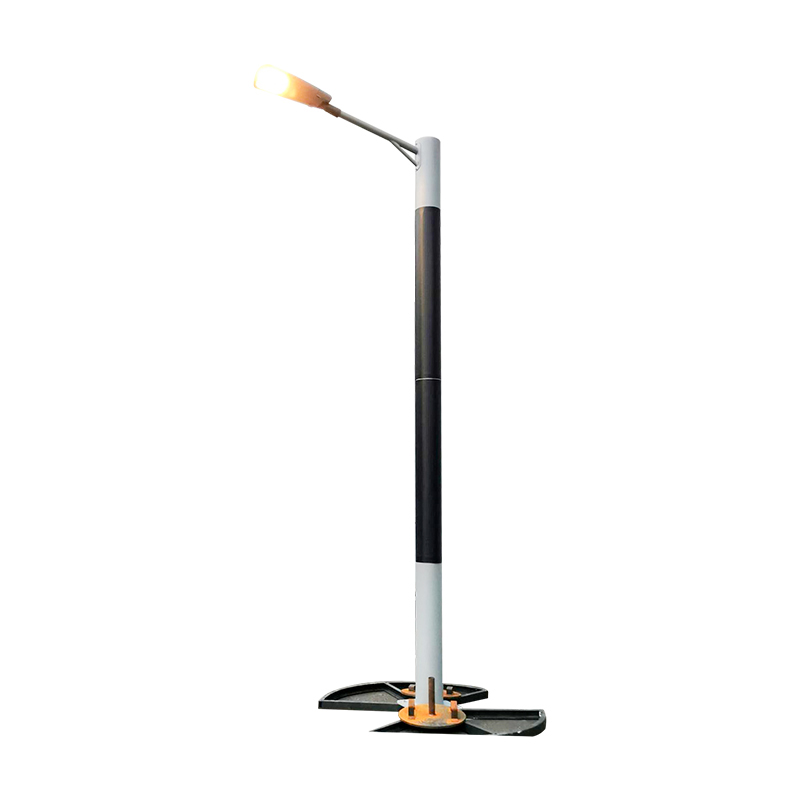 DDK-SSPL-2000 Cylinder Solar Pole Single/Double Arms And Street LED Lamps
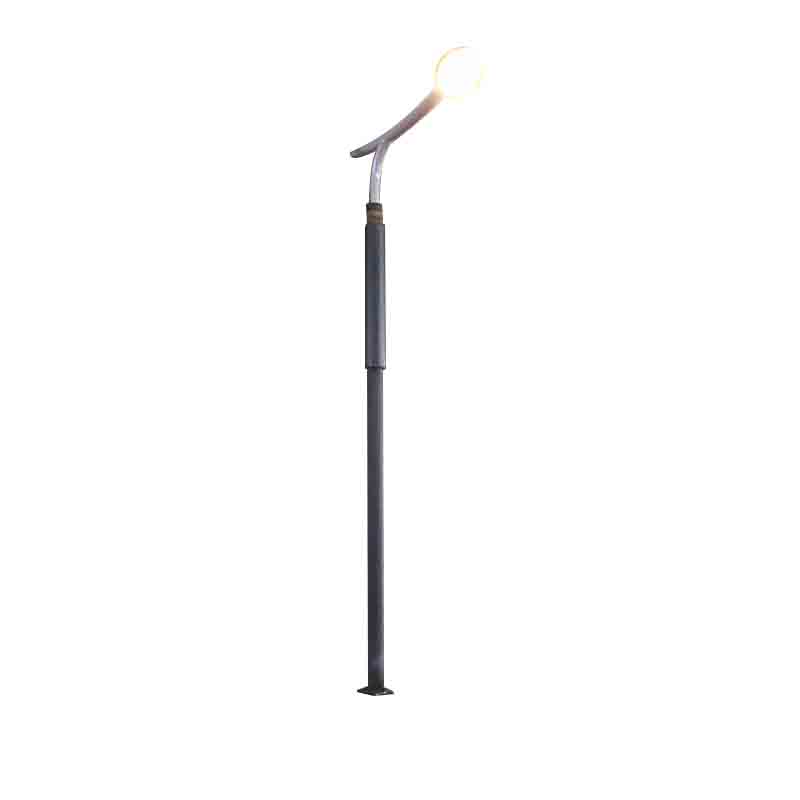 DDK-SSPL-2002 Cylinder Solar Pole With Lamp Head
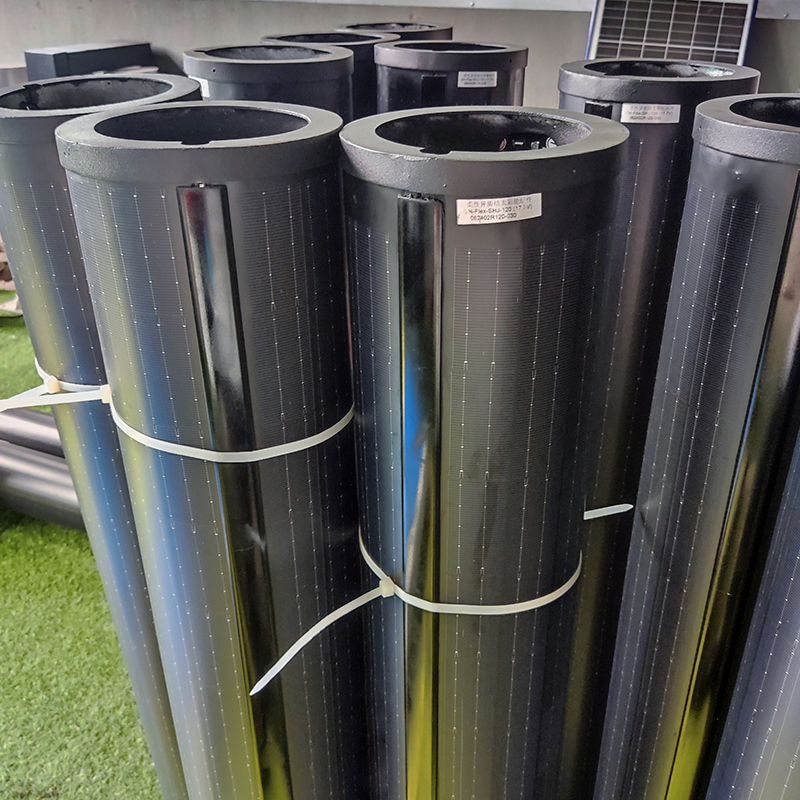 140W Flexible Solar Panel: High-Performance, Elegant and Versatile Power Solution for Lighting Poles and Park Lightings
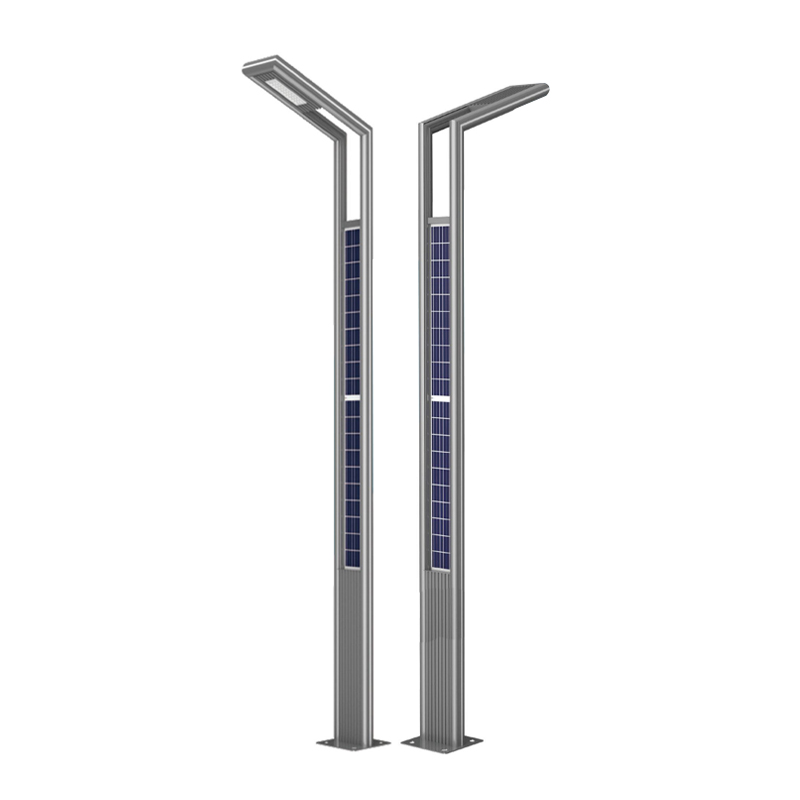 DDK-GN003 Double Sides Integrated Solar Aluminium Pole
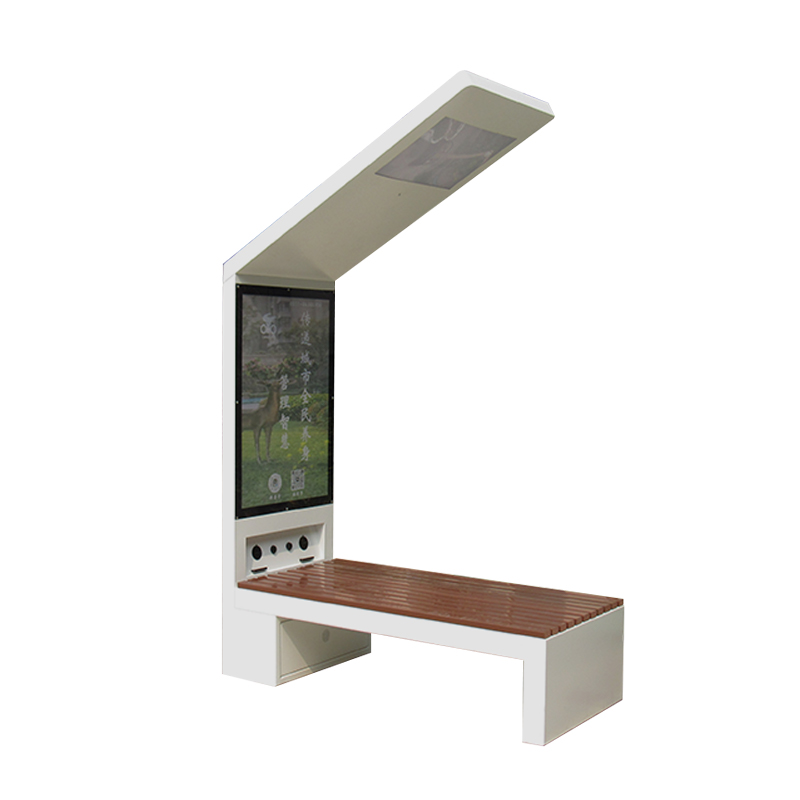 DDK-2000A Charging WIFI Solar Bench Outdoor Bench with Roof on the Top
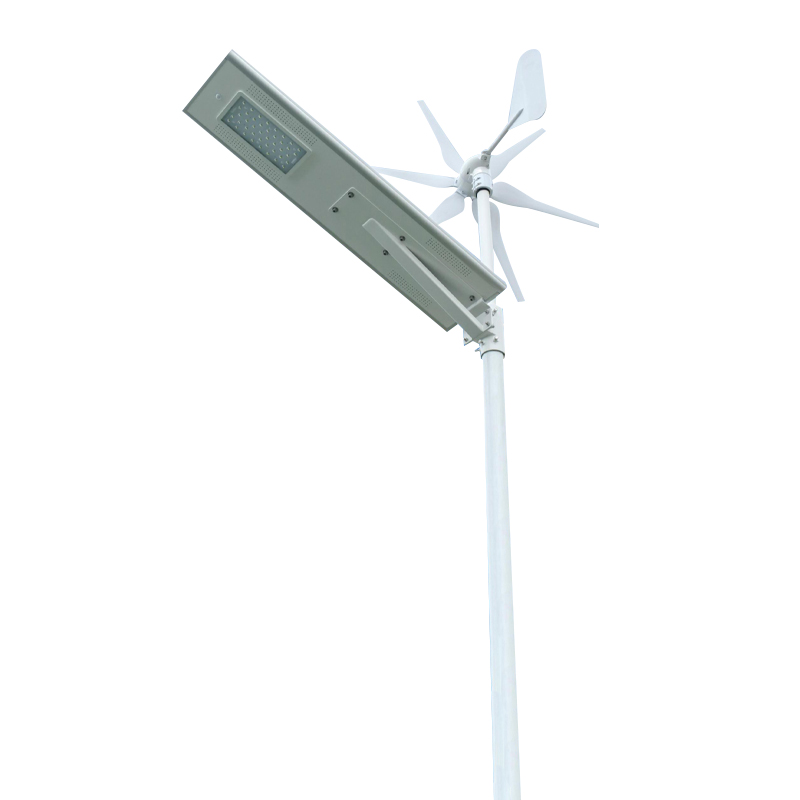 DDK G01 Solar&Wind Hybrid Integrated Optical Lens Solar All in One Light
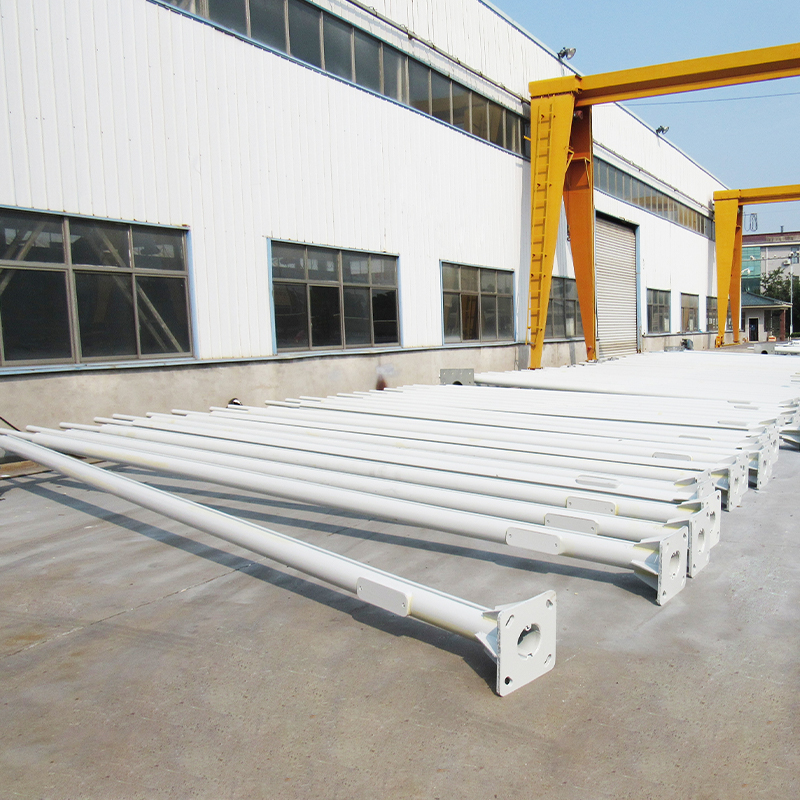 Customized Round Hexagon Octagonal Square Steel Street Light Poles for Outdoor Lightings
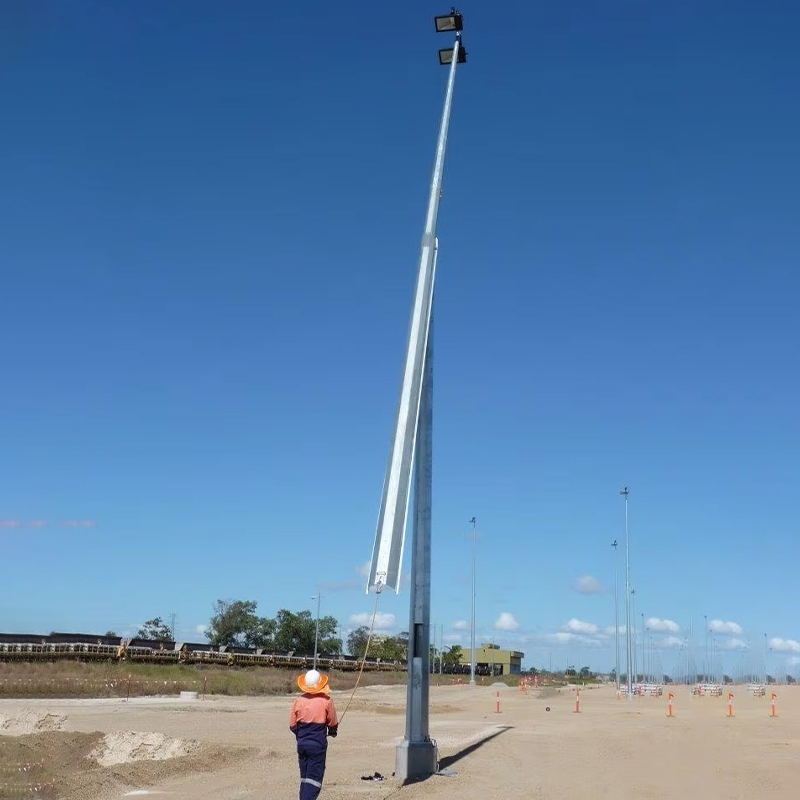 3 to 16M Galvanized Steel Hinged Poles
Contact us
180 meters south of the intersection of Nanbei Avenue and Xuba Road, Gaoyou City, Yangzhou City, Jiangsu Province, China.
+86-18811954888
ddk@cnddk.net
 English
 русский
 Español
 عربى

